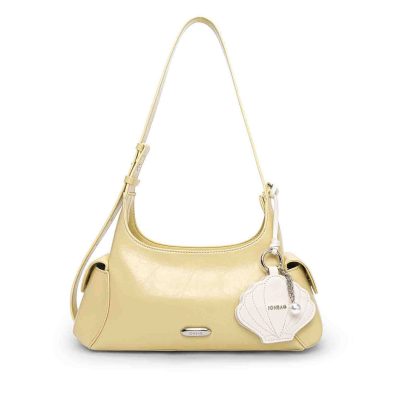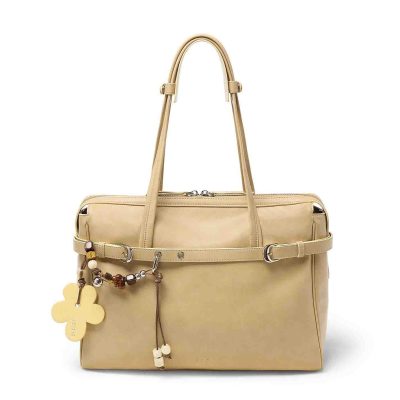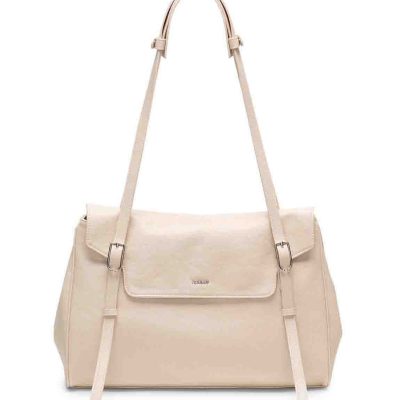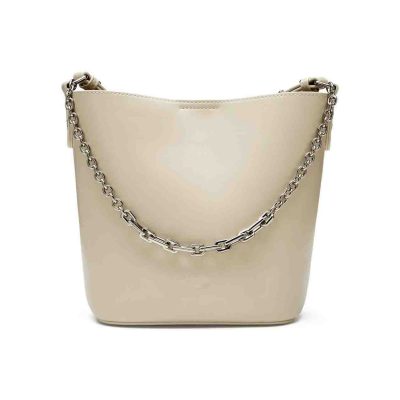





Sudan throws away half of its animal hides every year, losing millions of dollars! Now it is finally going to “pick them up”
Galan Editorial TeamViews(61)
You may not know that in Sudan, northeastern Africa, an “invisible” loss is occurring.
Every year, more than 50% of the available animal hides in this country are wasted.
They are either smuggled, rot in warehouses, or discarded due to insufficient production capacity of tanneries.
Meanwhile, Sudan loses millions of dollars in foreign exchange income every year.
Now, the Sudanese government has finally made up its mind: to clean up this “mess”.
How much of a pity is it to throw away half of the leather every year?
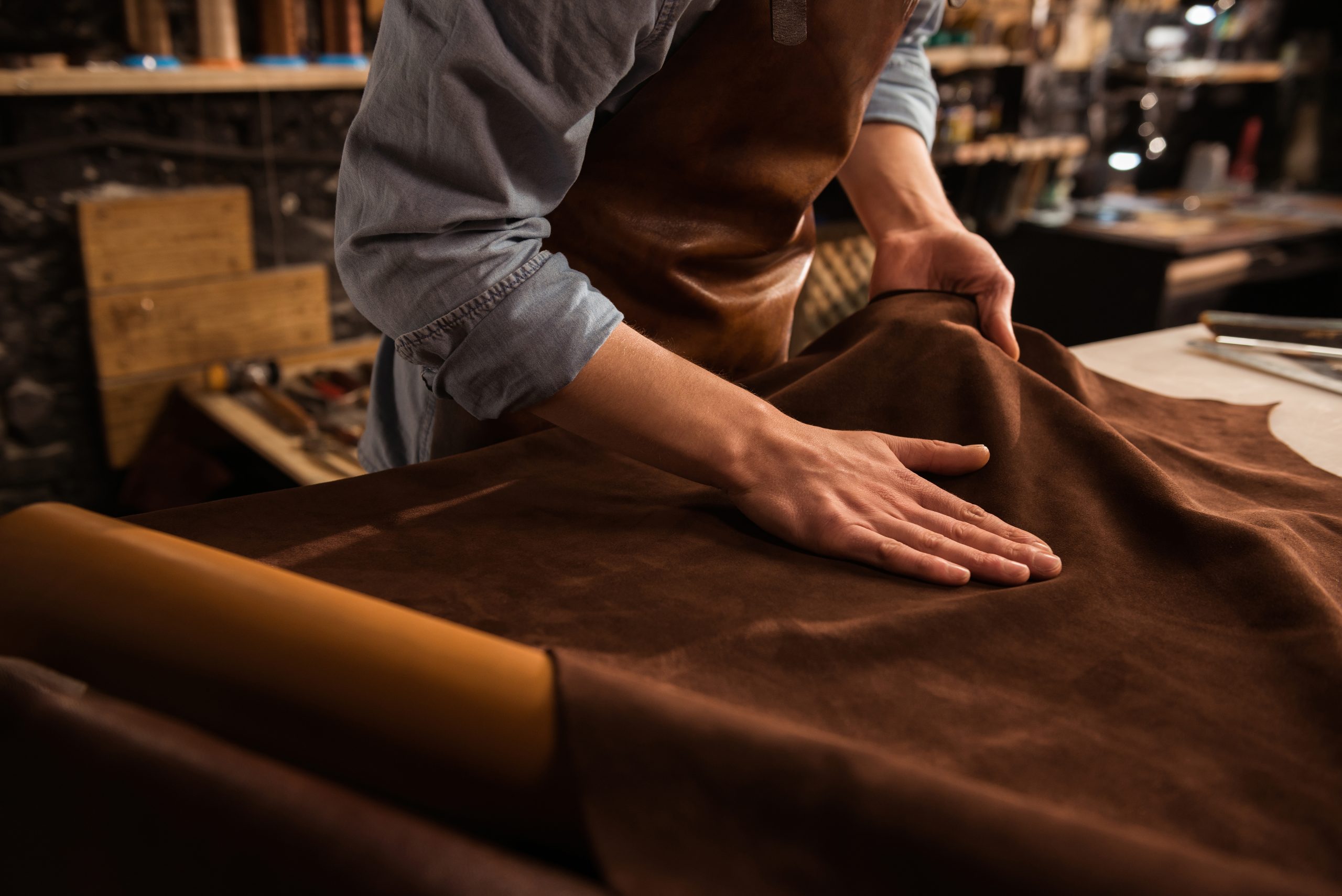
Sudan’s animal husbandry is highly developed, with significant production of cow and sheep skin. However, the fate of these hides is quite “tragic”.
Minister Ahmed Al-Tijani Al-Mansouri bluntly stated at the seminar: The neglect and abuse of hides have not only caused economic losses but also brought environmental damage.
Specifically, the problem lies in three aspects:
-
Smuggling is severe. A large amount of high-quality raw hides are shipped out of the country without going through formal channels, resulting in the country not receiving taxes and local factories not getting raw materials.
-
Local tanneries have insufficient production capacity. Even if the hides remain in the country, there is not enough processing capacity to turn them into high-value leather.
-
Ineffective coordination among government departments. Multiple departments are involved, but none are fully responsible, resulting in no one being truly accountable.
As a result, over 50% of available hides are lost each year. They either rot or are sold cheaply.
Projects are all in line, Sudan aims to “transform from selling leather to selling leather goods”
The strategic plan launched by Sudan’s Ministry of Animal Resources and Fisheries this time includes about 40 projects, most of which are related to leather.
The core goal is only one: to promote the industry’s transformation from exporting raw materials to producing finished products.
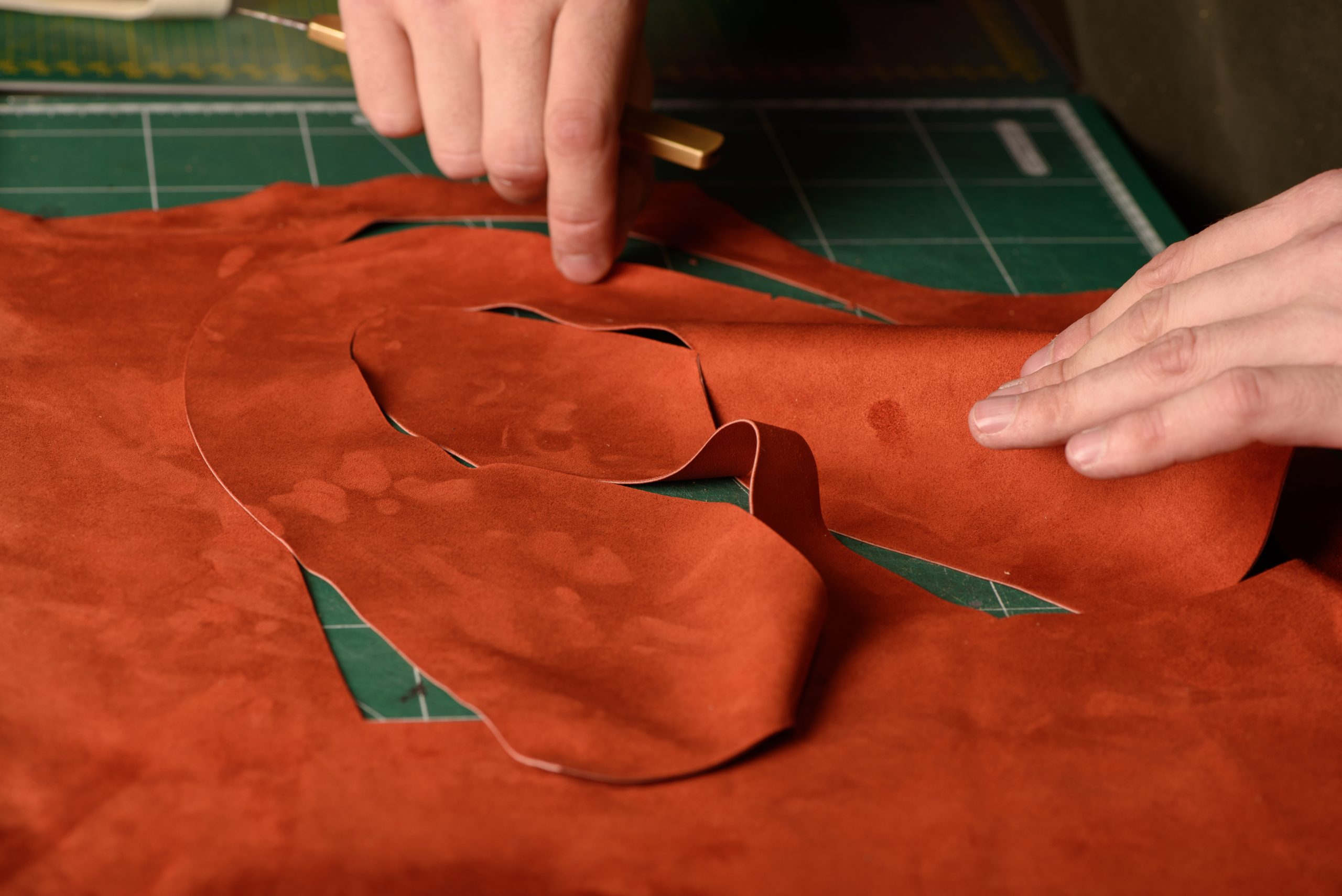
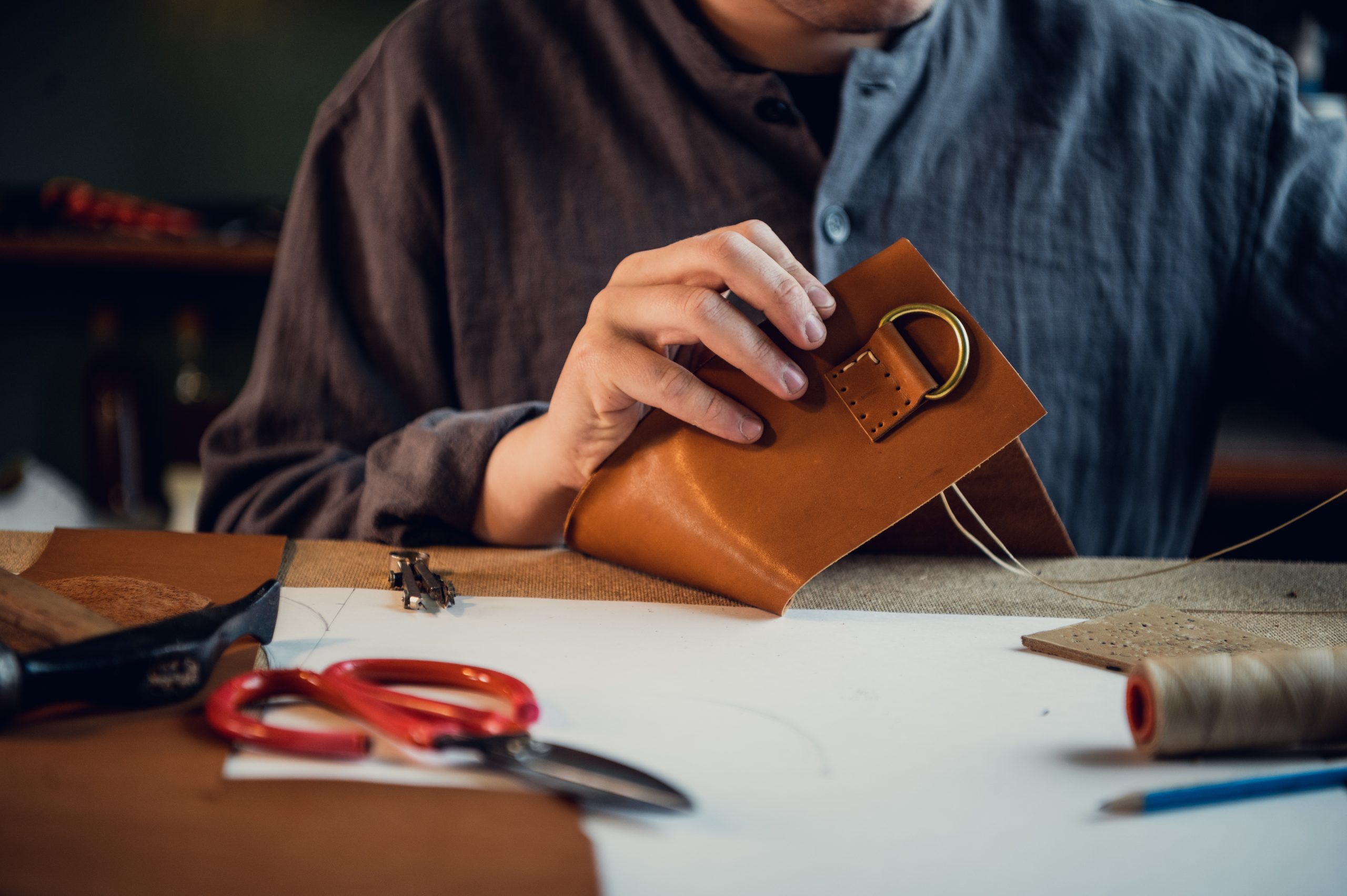
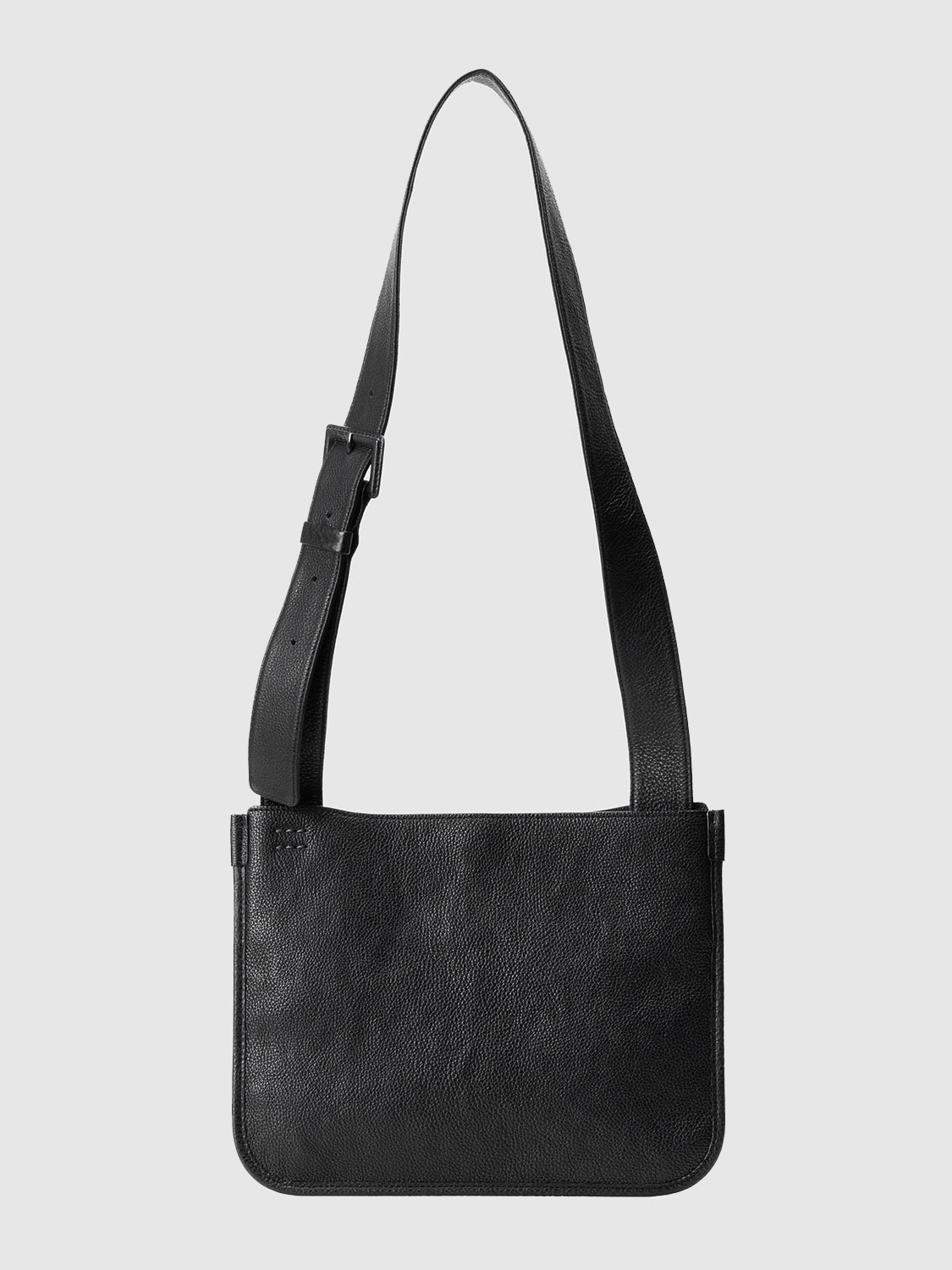
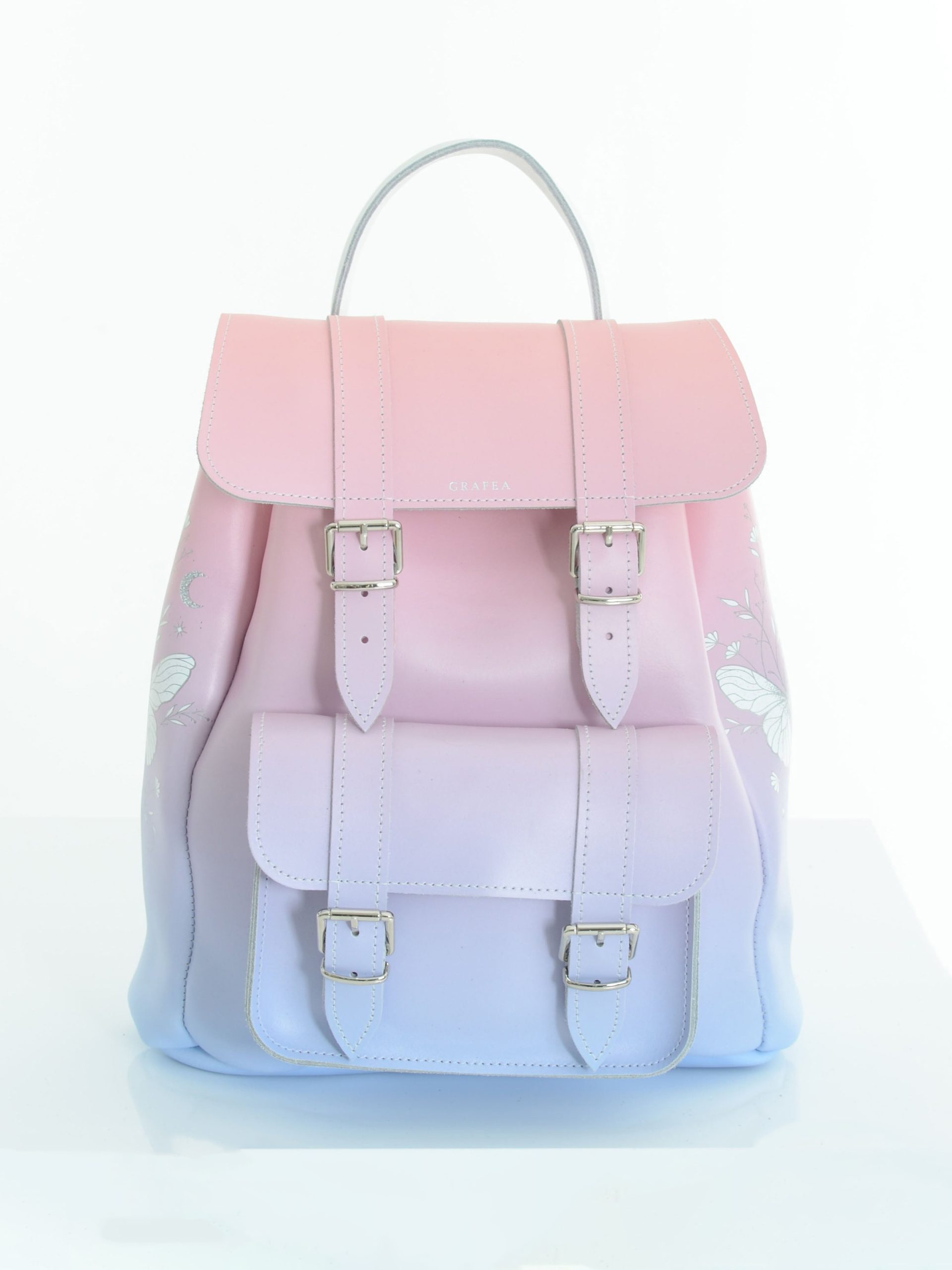
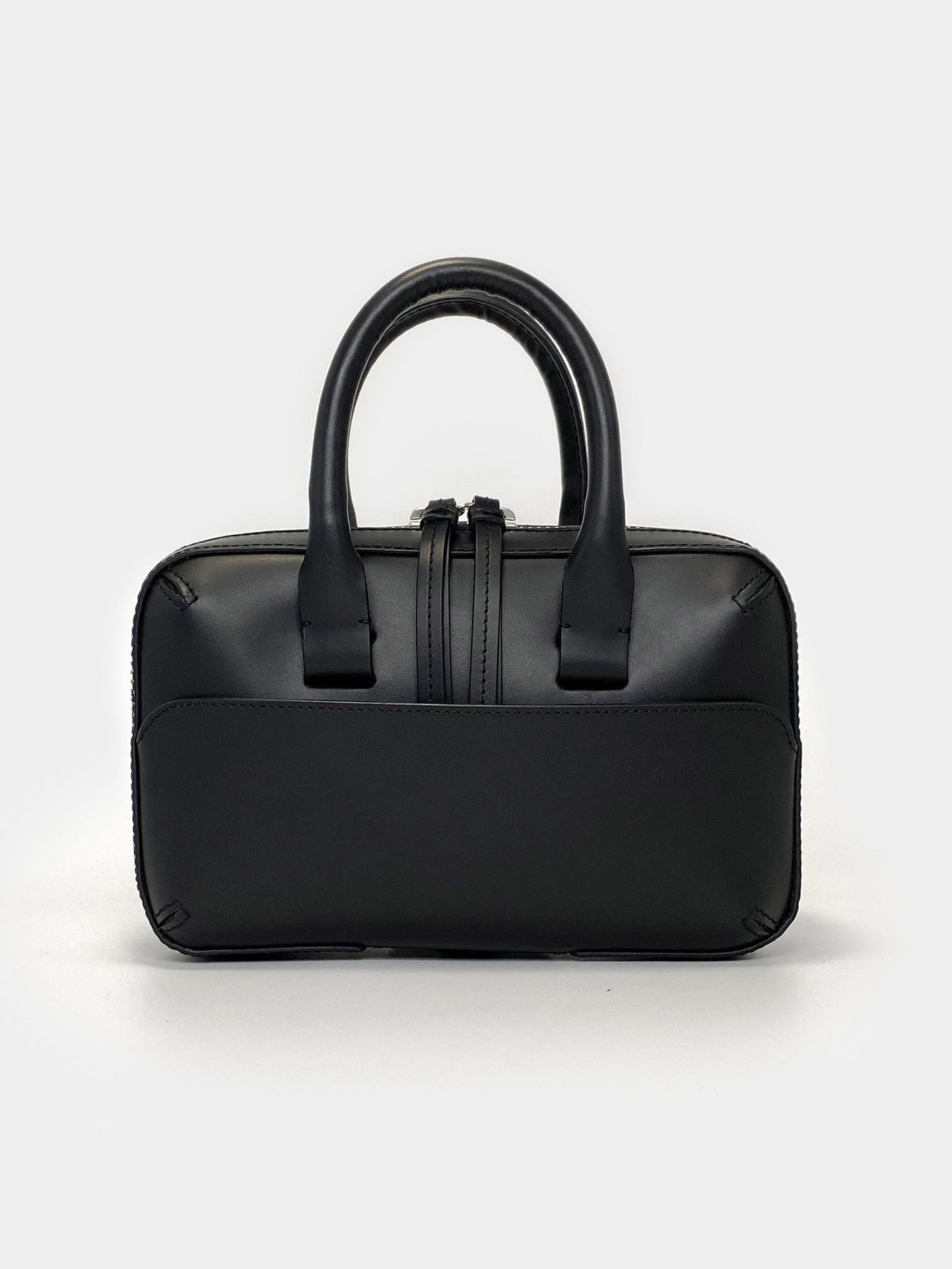
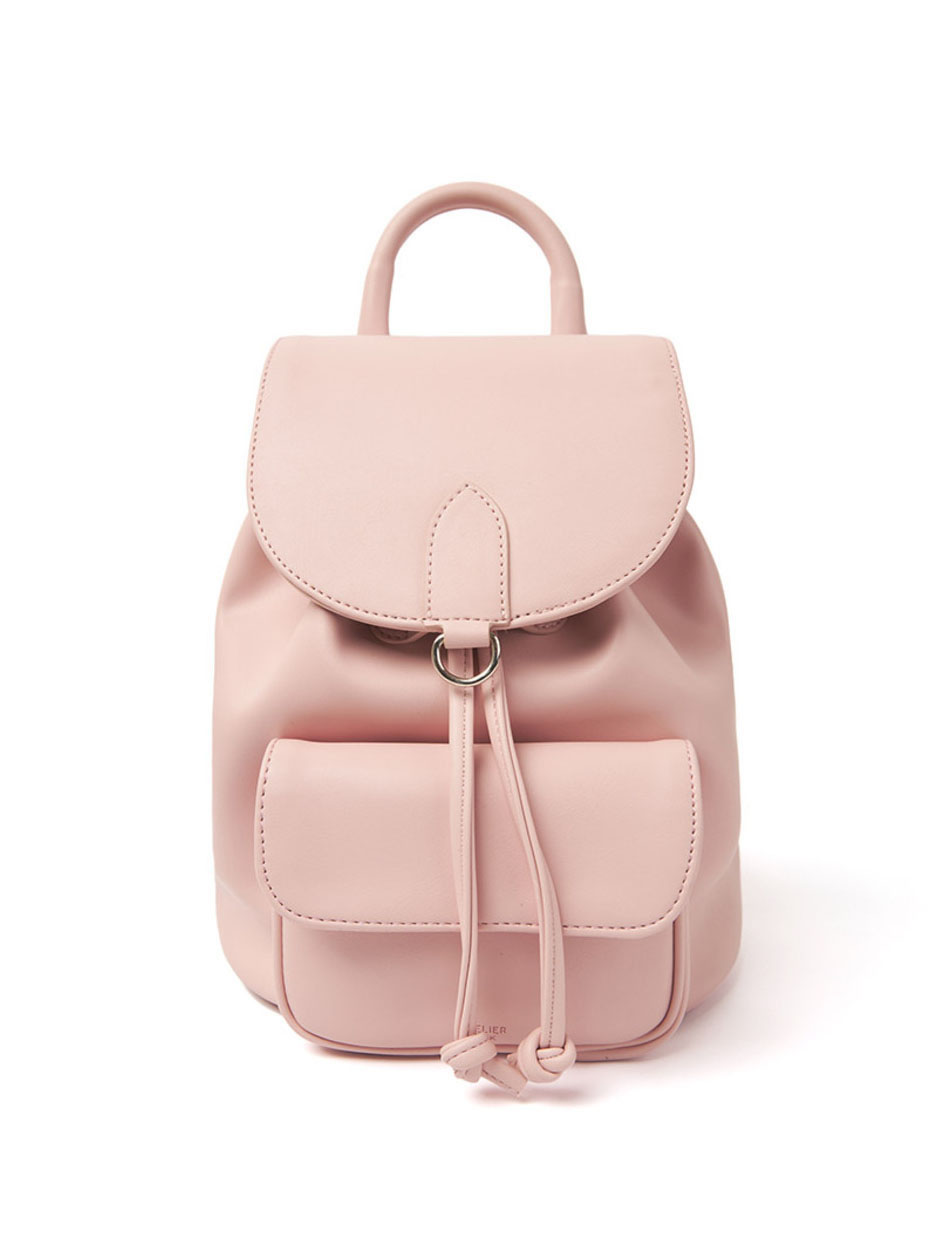
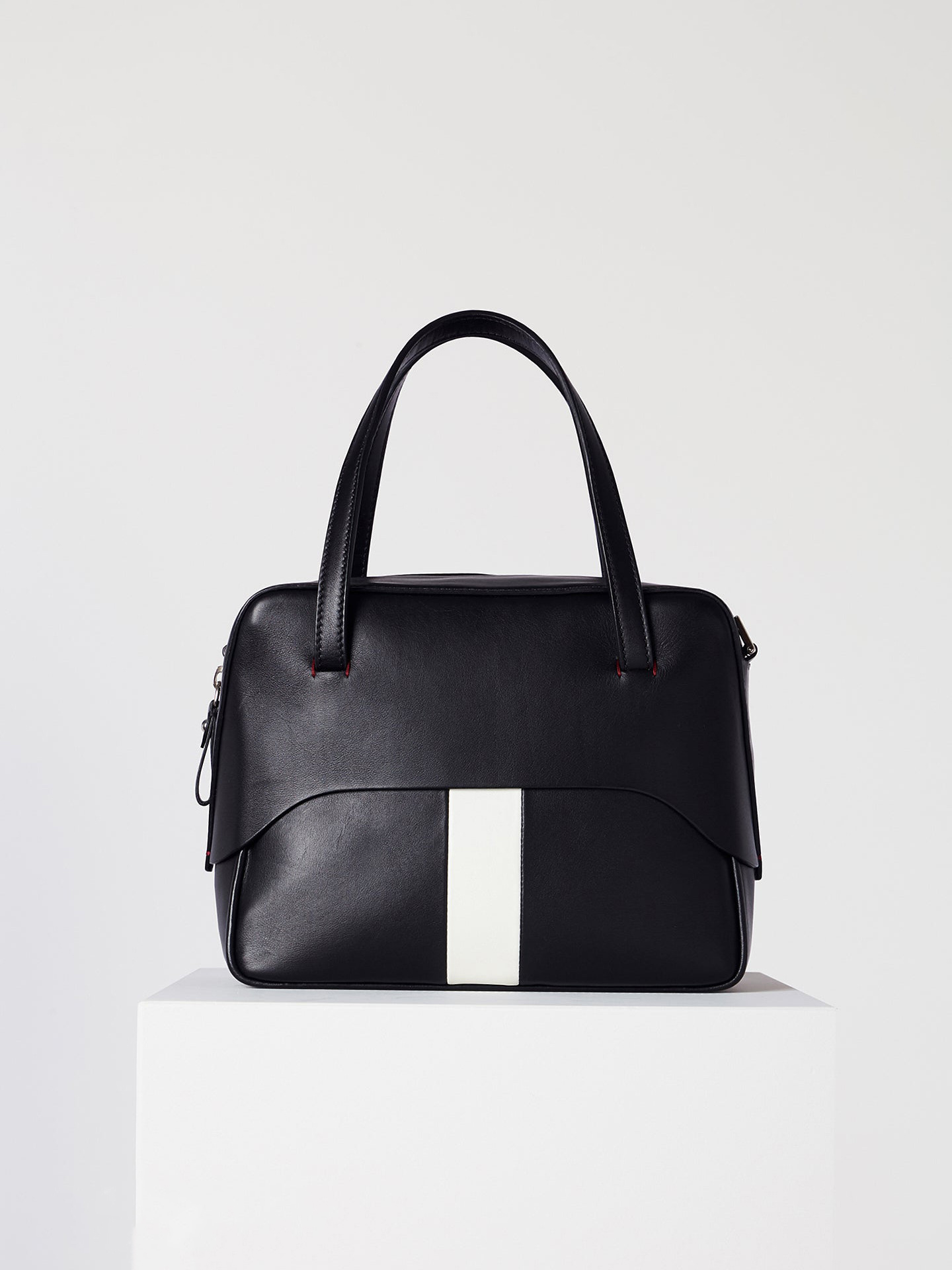
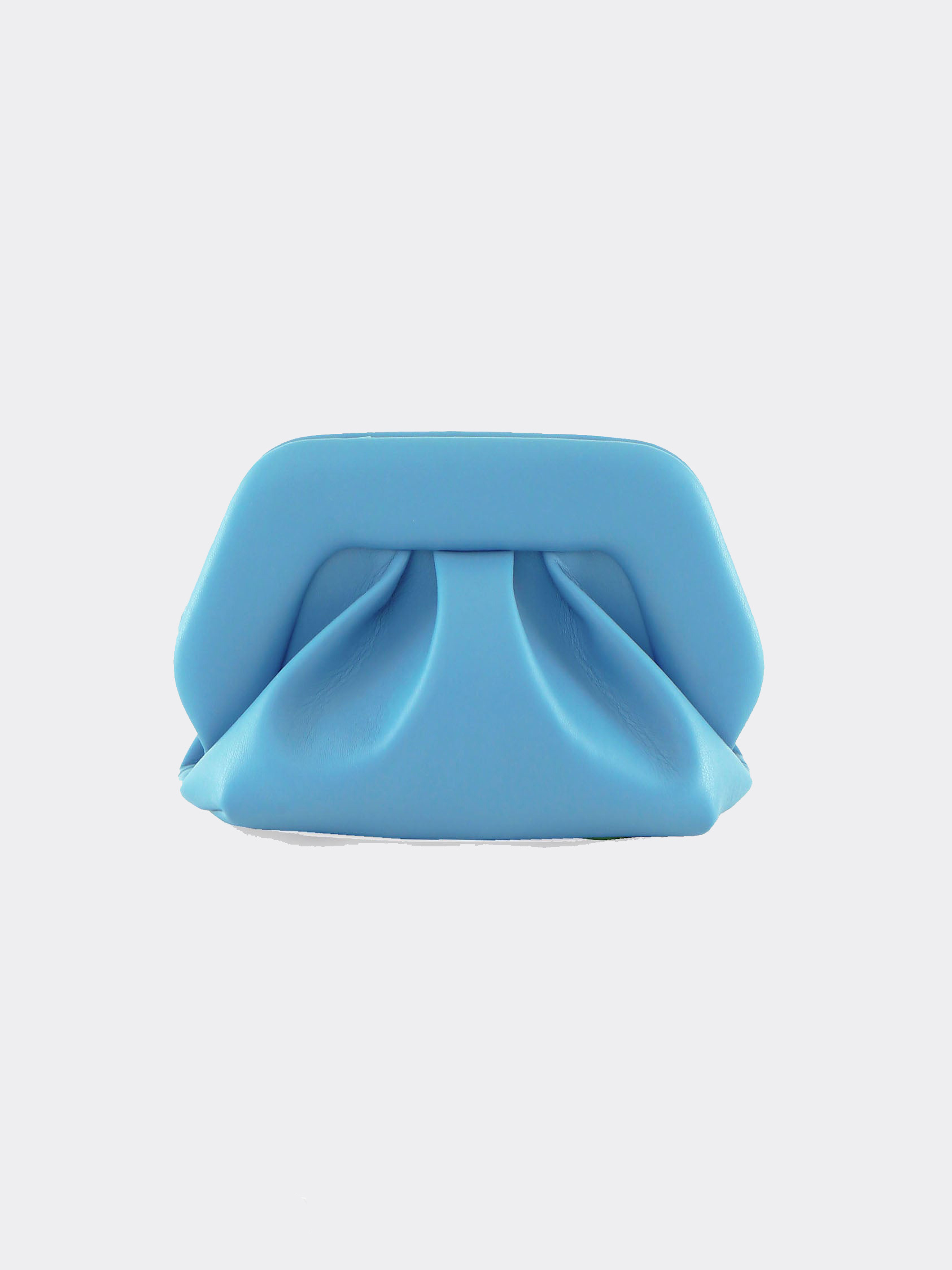
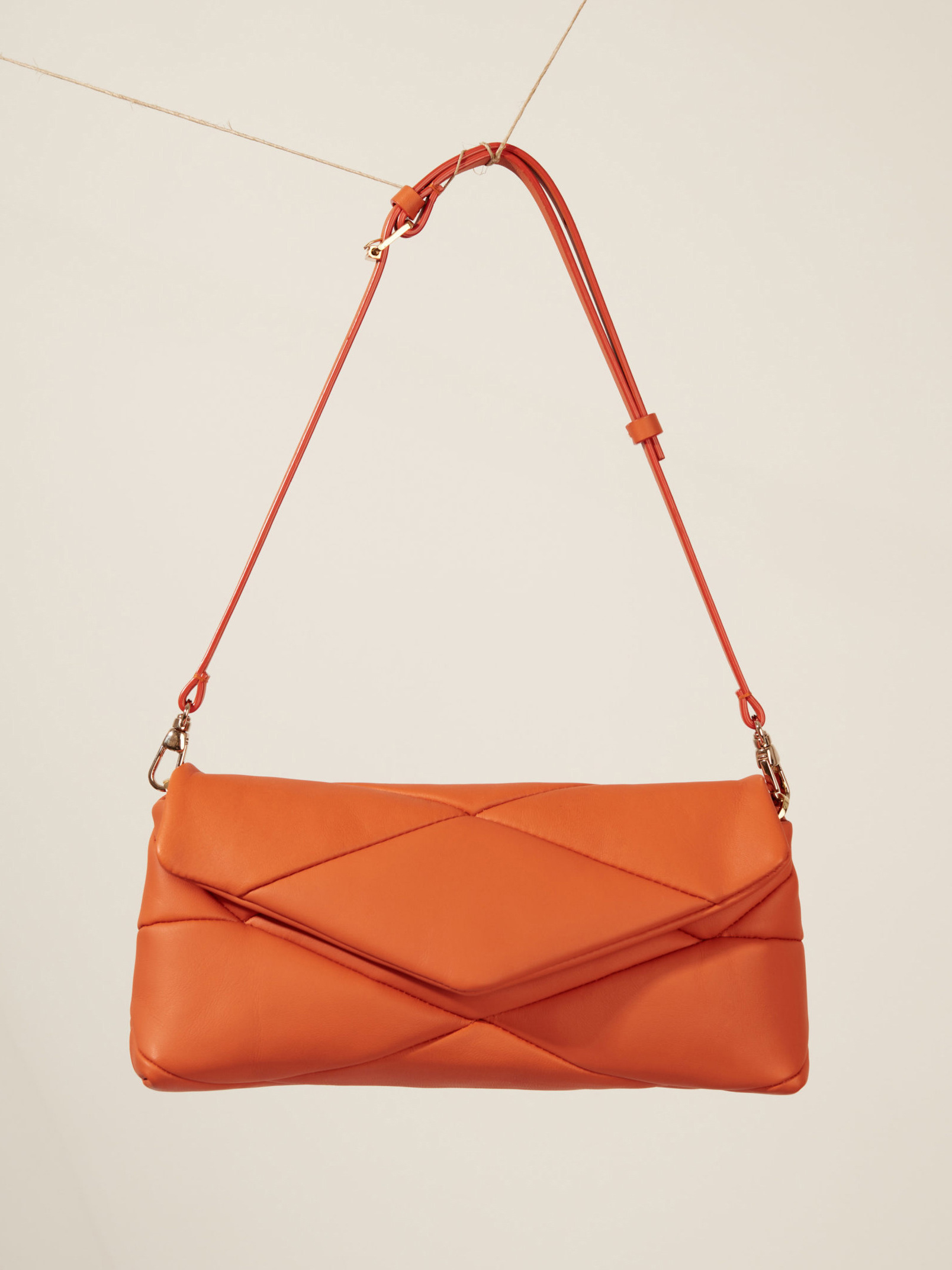
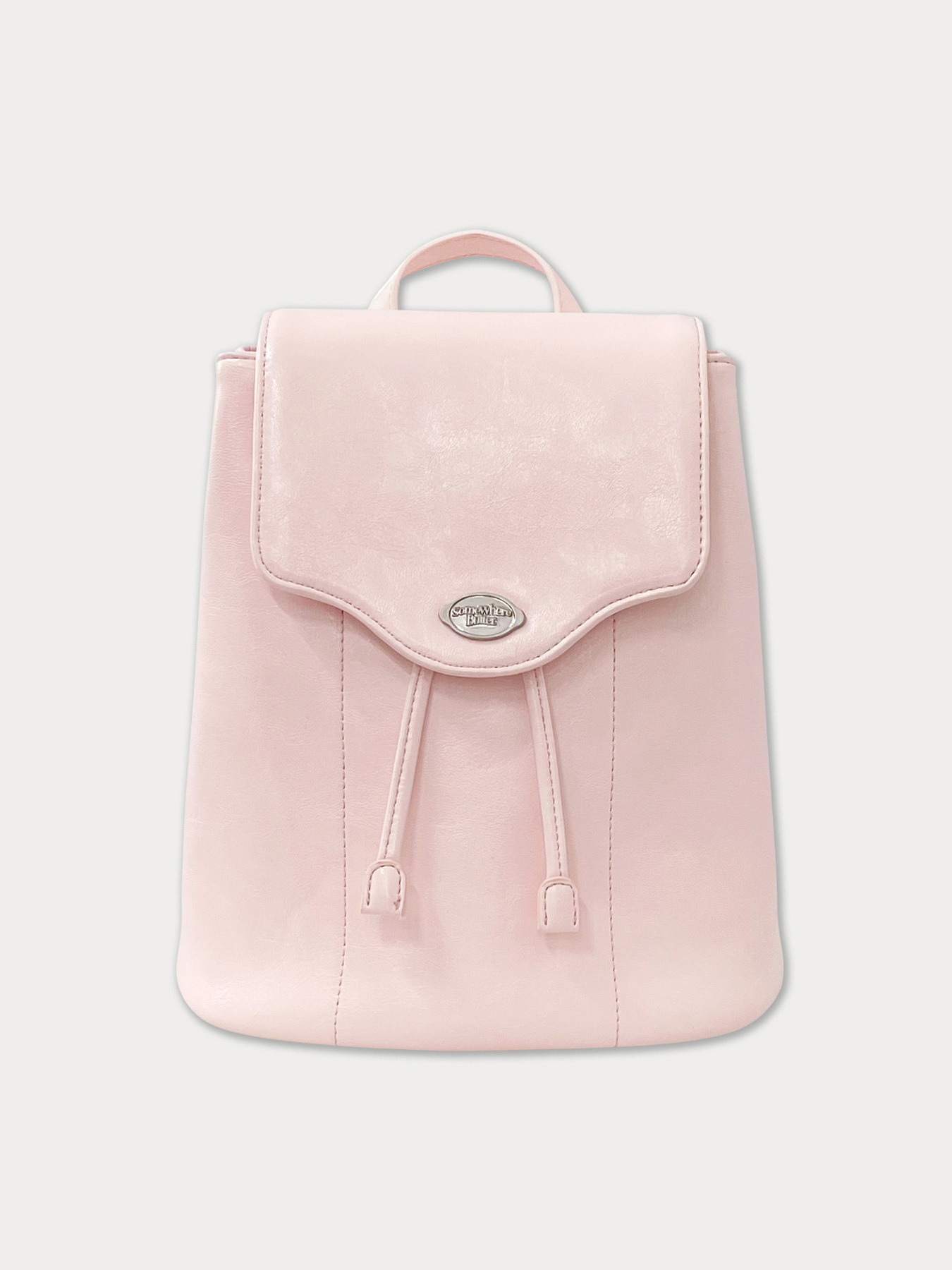
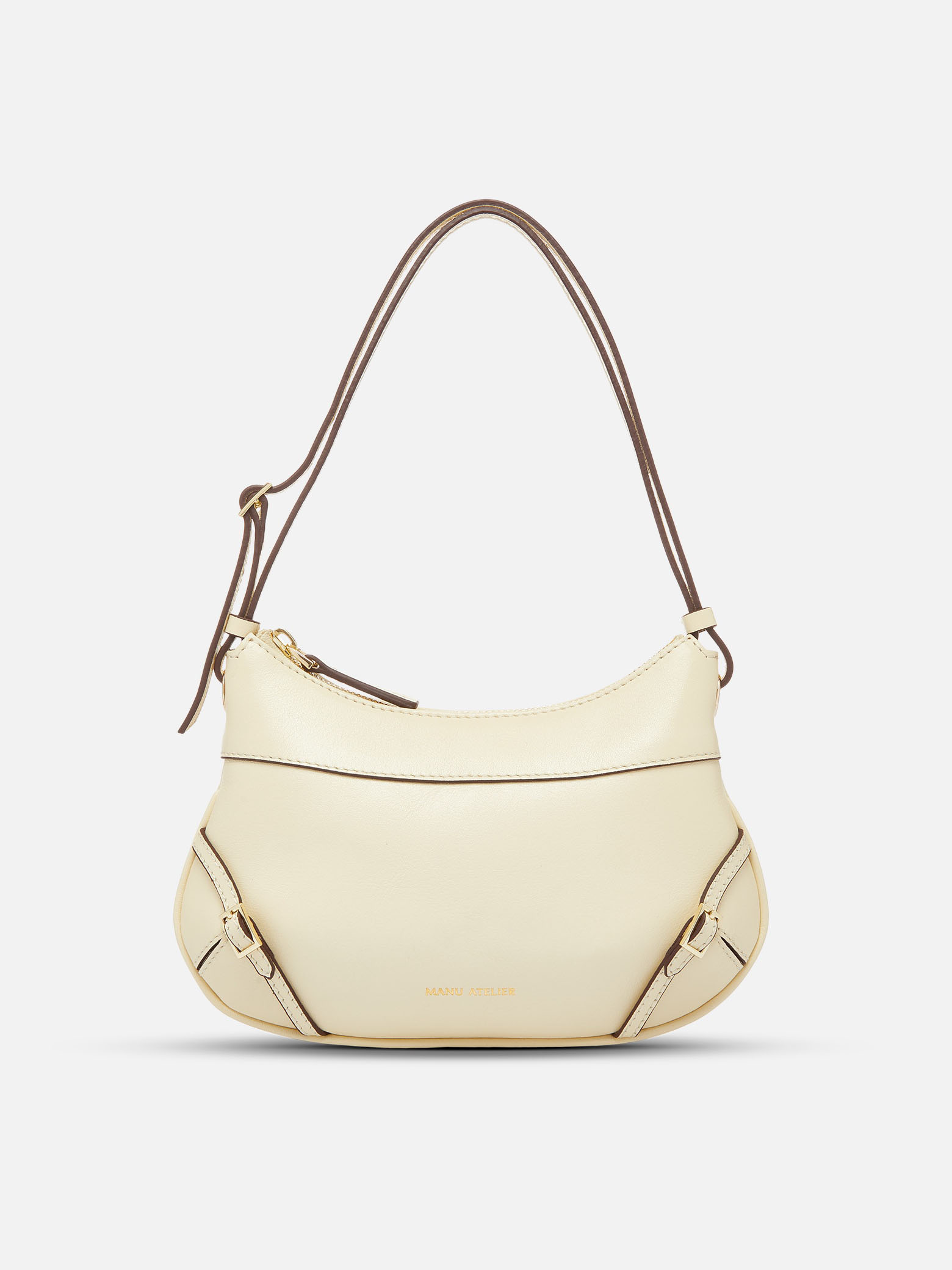
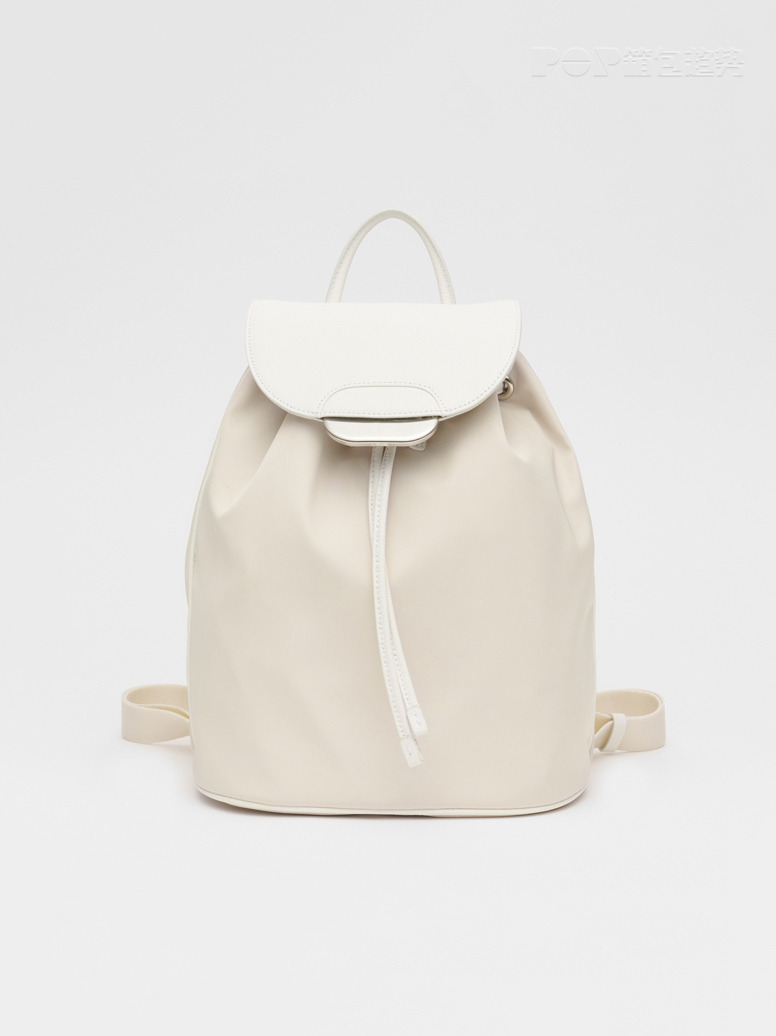
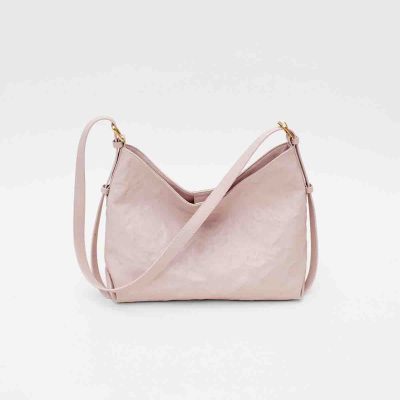
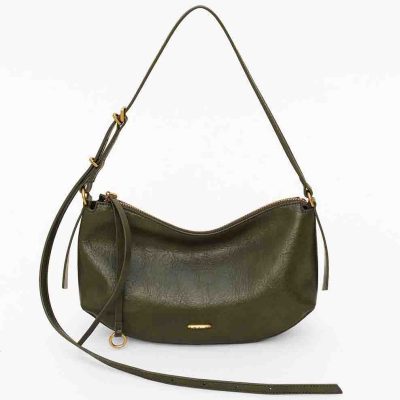
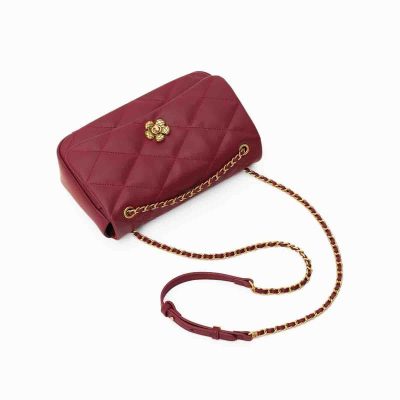
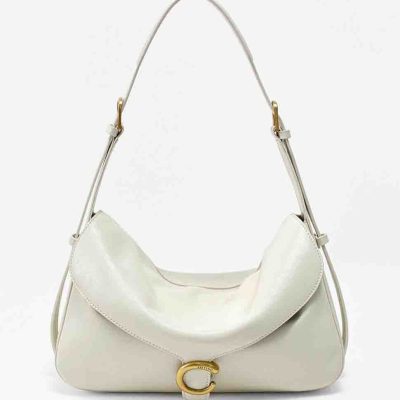
Previously, Sudan exported “raw hides” – with low added value and low profits. In the future, Sudan wants to export “leather shoes”, “leather bags”, and “leather clothing” – with high added value and high profits.
How to do it specifically?
-
Establish a professional market: make the leather trade more standardized and transparent.
-
Repairing relevant factories: Tanneries affected by war will receive funds and tax incentives to help them resume production.
-
Collaborating with international experts: Introducing advanced technology and management expertise.
-
Collaborating with global fashion brands: This is the highest step. If we can become part of the supply chain of Zara, H&M, or even Hermès, the value of Sudanese leather will multiply.
.
The timeline is set: to partner with 3 international fashion companies by September
This time, Sudan is not just “talking”, but has set a clear timeline:
-
By September 2026: Establish production cooperation with 3 international fashion companies.
-
By October 2026: Introduce policies to improve leather quality and strengthen the functions of the National Leather Improvement Center.
At the same time, Sudan also plans to recruit young people into the leather industry through training, inspect tanneries in various states, and provide support for factories affected by war to resume production.
This “turnaround of leather industry” is backed by Sudan’s industrial recovery
Sudan is currently suffering from the severe impact of armed conflicts, and its industrial system has been severely damaged. The rectification of the leather industry is not only for earning foreign exchange, but also an important measure for Sudan’s industrial recovery.
The leather industry has a characteristic: it can drive not only the livestock industry (upstream), but also the manufacturing industry (midstream), and even the fashion industry (downstream). When one link is activated, the entire chain can be turned around.
For a country like Sudan, which urgently needs employment, foreign exchange, and an industrial foundation, the leather industry is indeed a “key point to grasp”.
The story of Sudan is somewhat like “having mines at home but not knowing how to dig”.
It has high-quality animal skin resources, but they have been wasted and sold cheaply for a long time. With an annual loss rate of over 50%, what is gained is not wealth, but rather a pity.
Now, Sudan has finally decided to “shift from selling resources to selling products”. This path is difficult, but the direction is right.
For the global leather industry, Sudan’s awakening also means that there may be more high-quality, traceable African leather entering the international market in the future.
For the Sudanese people, this means employment, income, and hope.
Don’t throw away the leather anymore. That’s money, work, and the future.