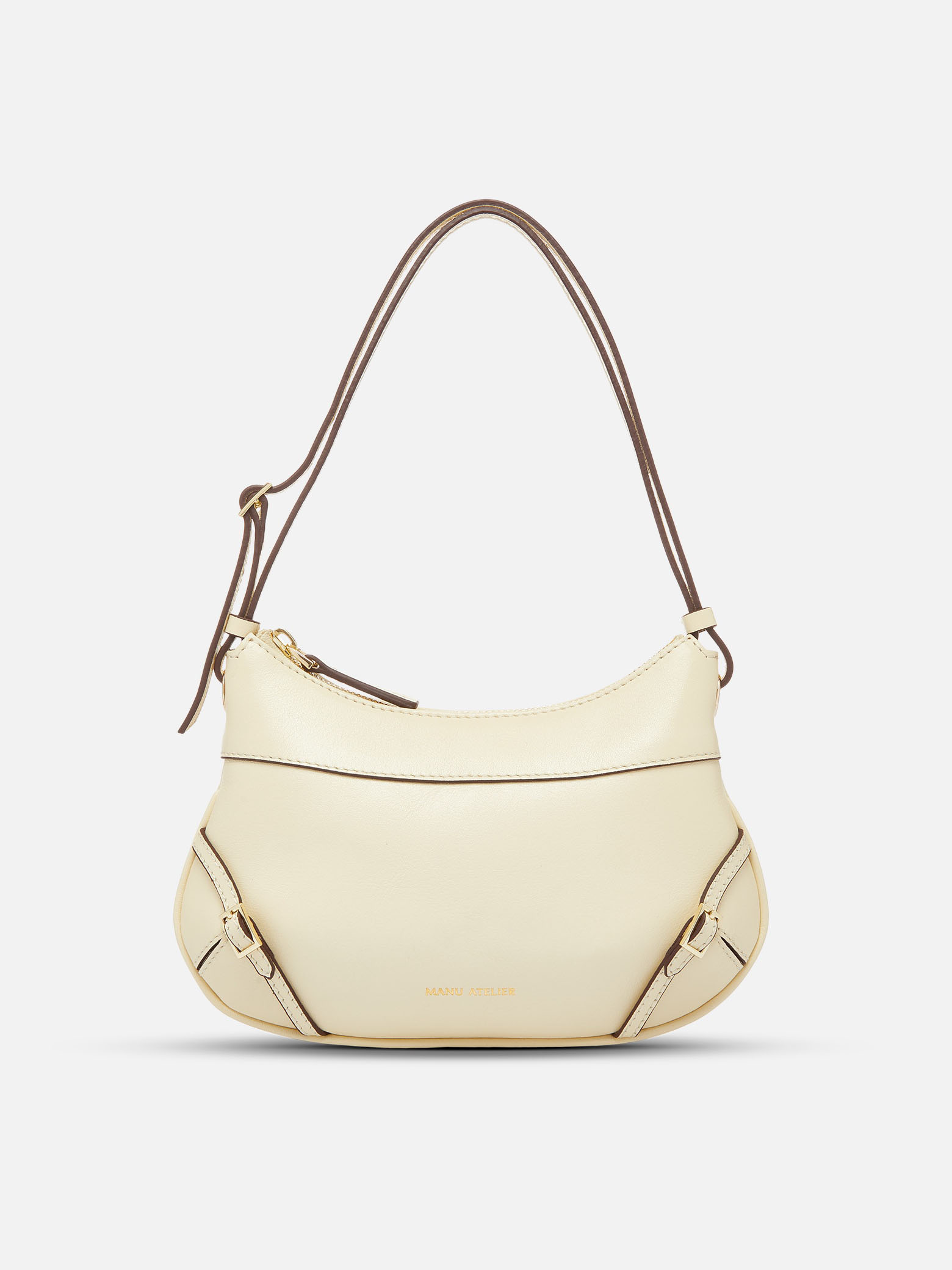










In the past, the answer would be: throw it away.
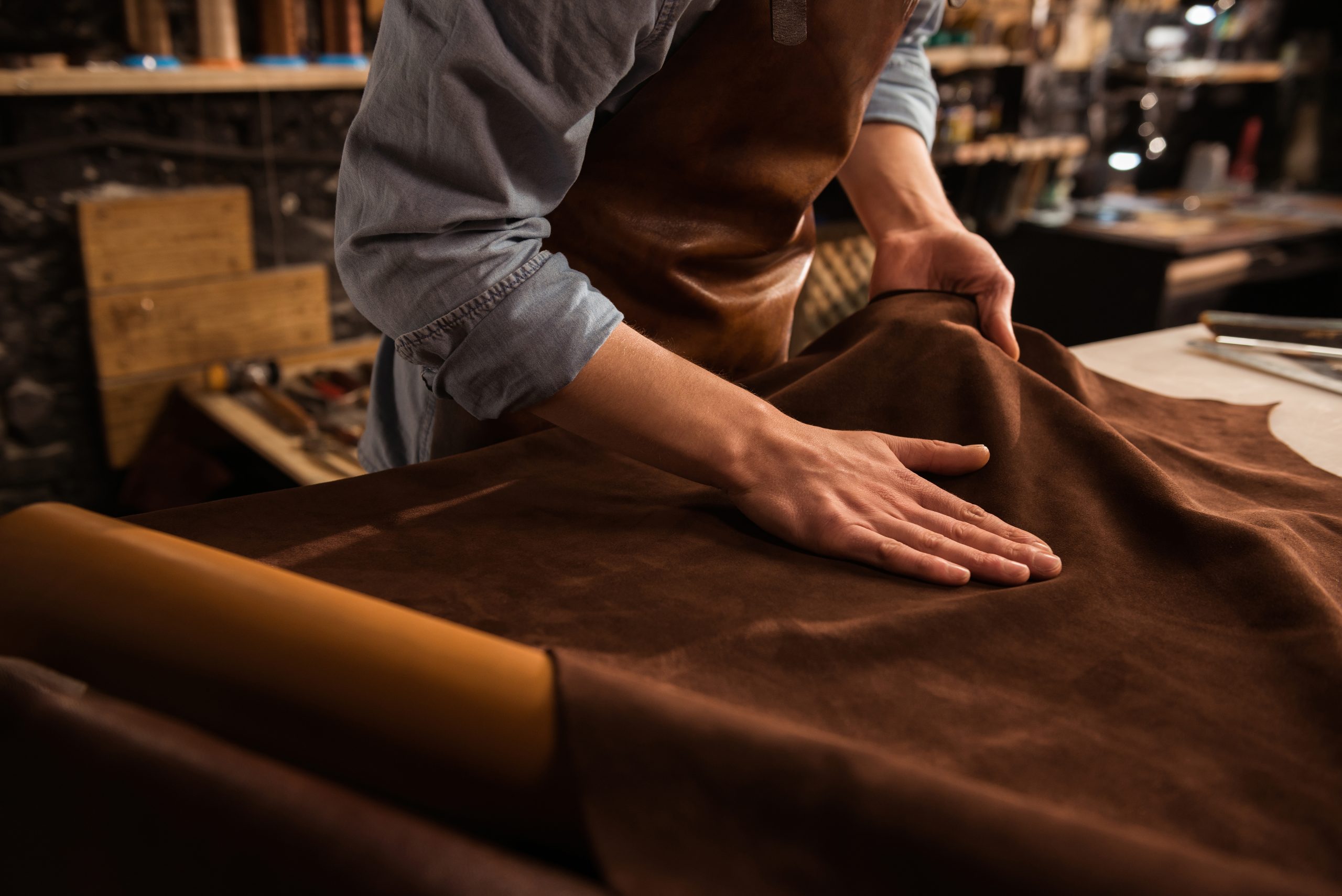
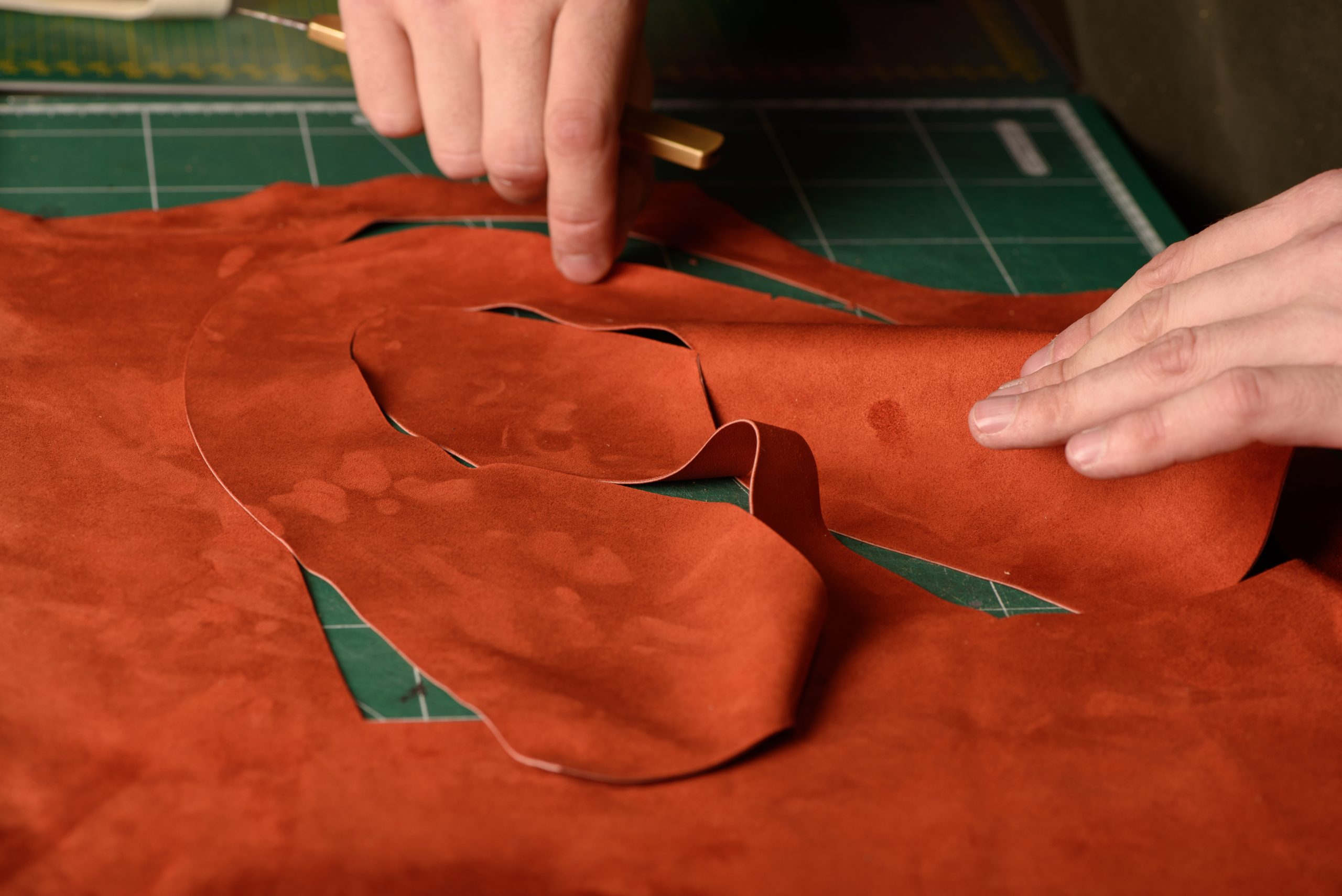
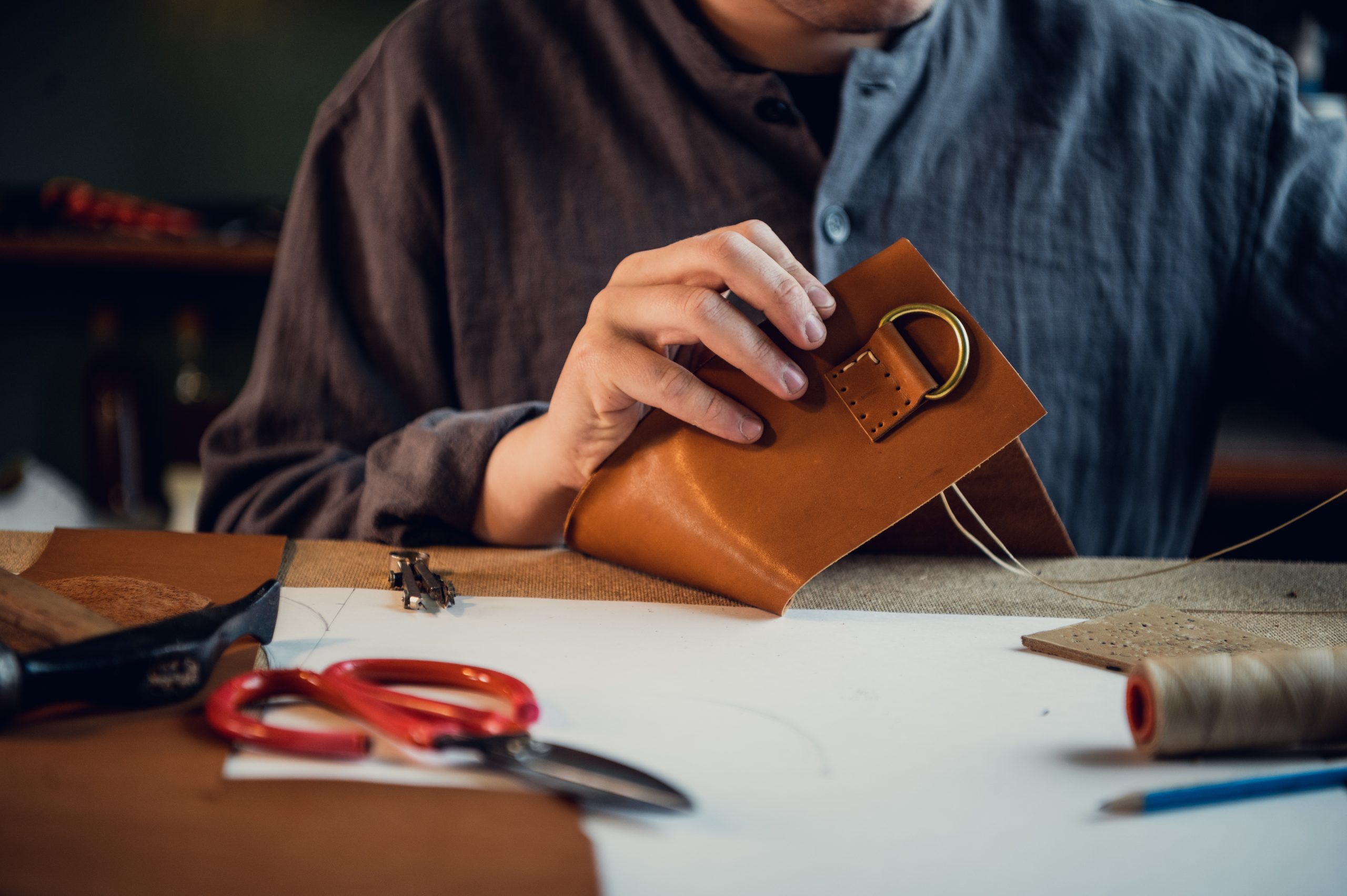
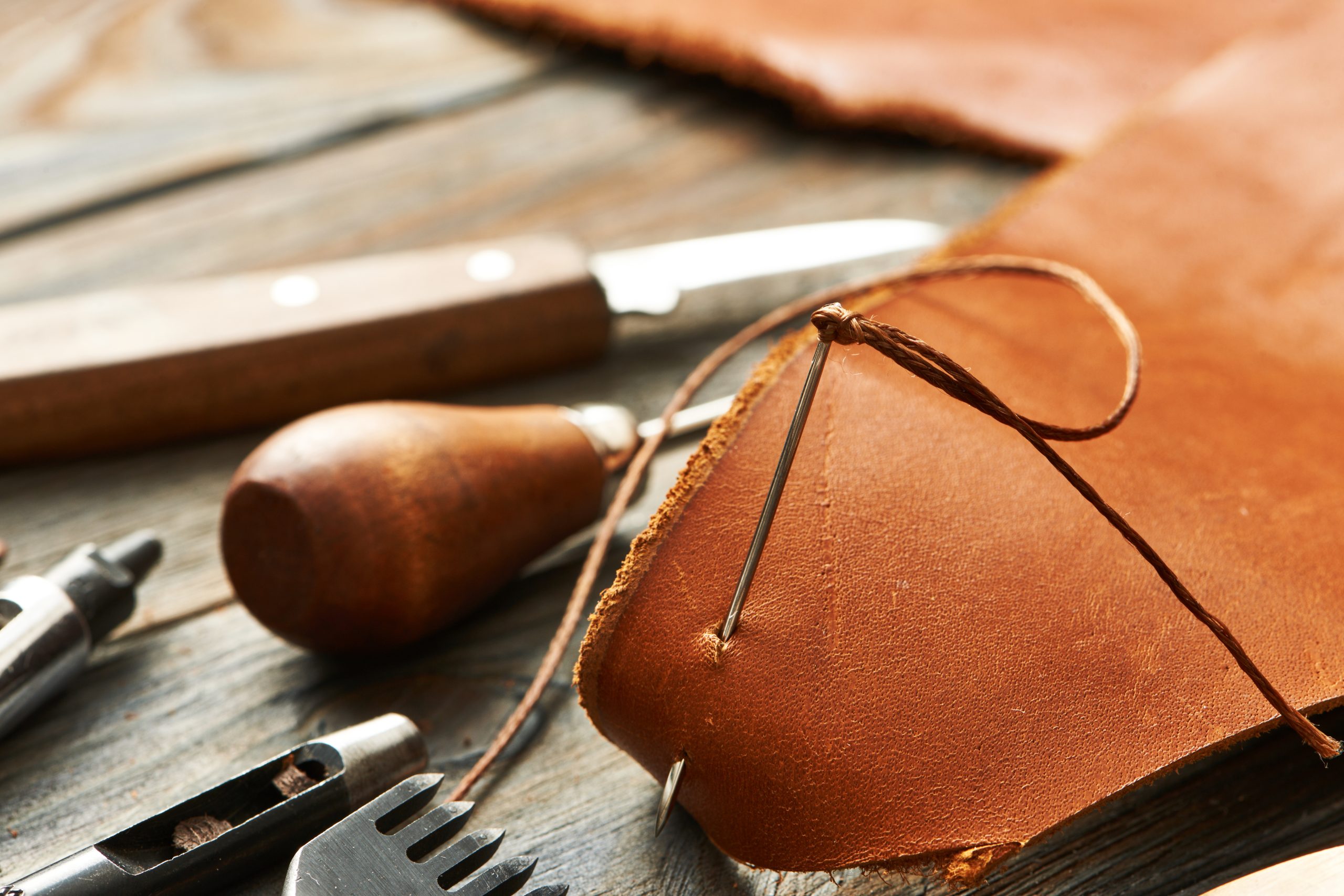
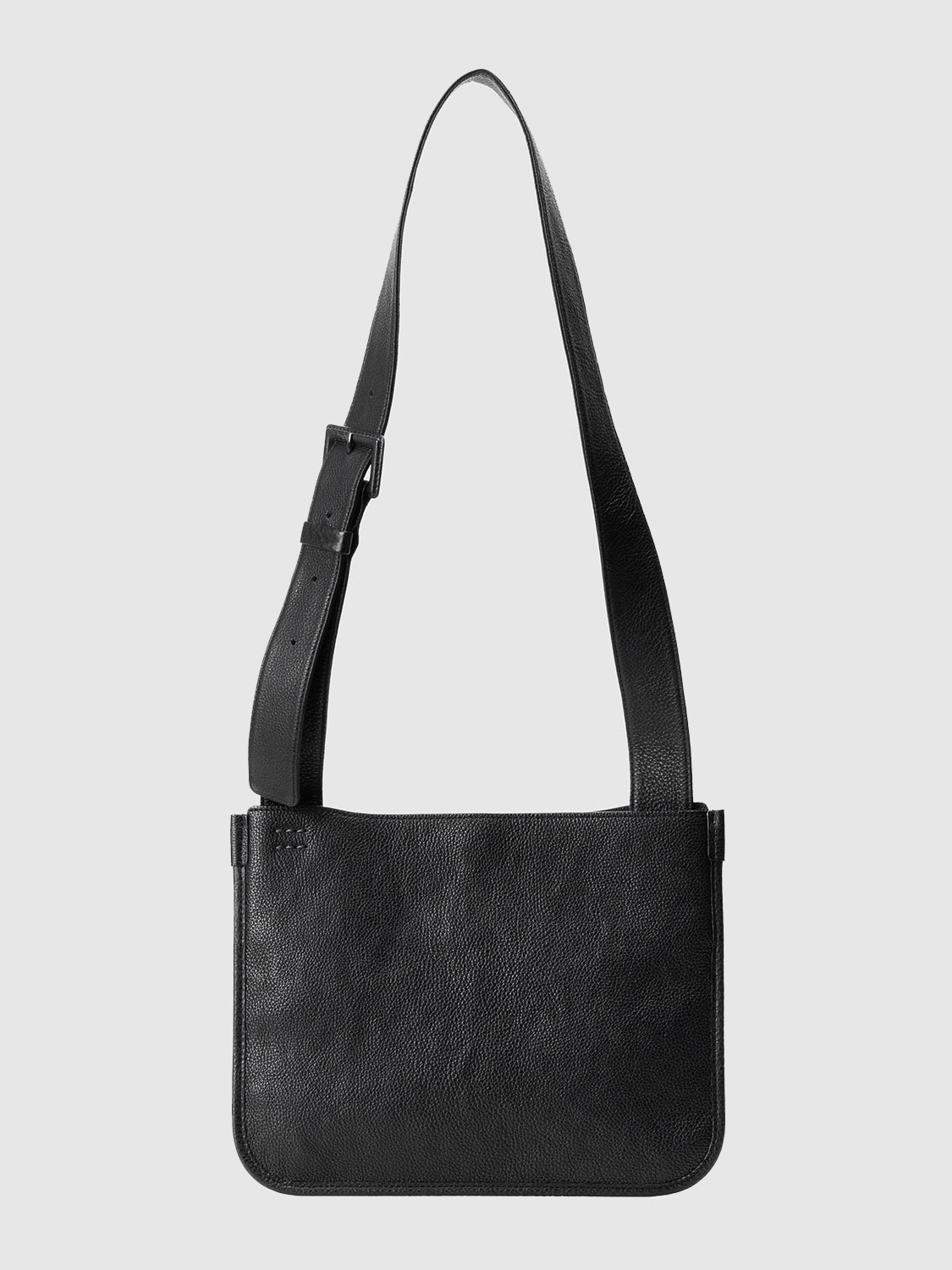
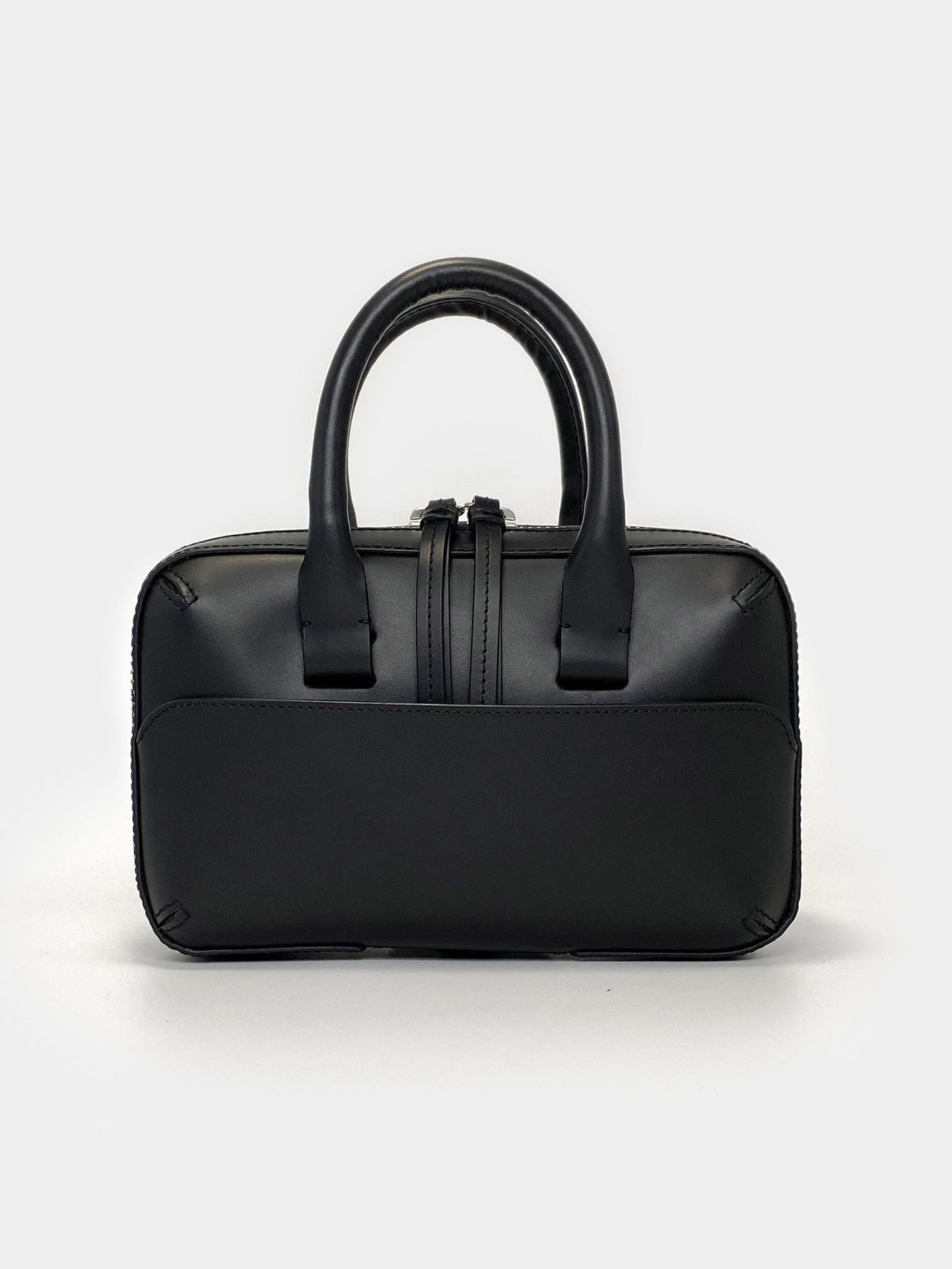
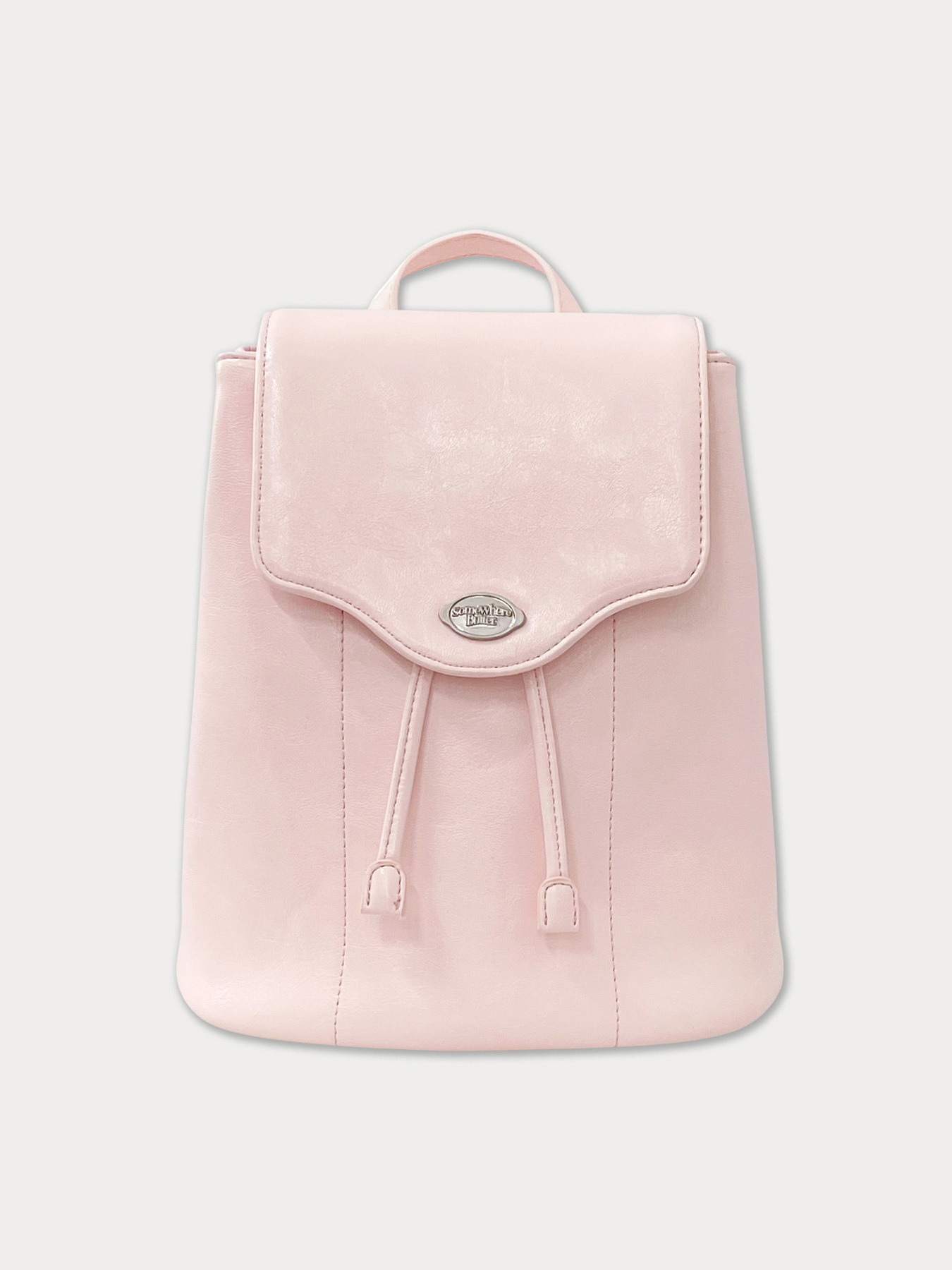
Now, a company called Pangea has turned them into leather.
Sounds like a fairy tale? No, it’s true, and it has already been mass produced.

Pangea recently launched four brand-new sustainable leather products, with fashionable names: Ecoda Agave, Ecoda Avocado, Vendura Agave, and Vendura Avocado.
But to put it bluntly, it’s just agave leather and avocado leather.
Utilization of Agave Waste Mexico harvests about 2.4 million tons of agave cores every year. However, approximately 40% to 46% of the weight of each agave plant, namely its huge leaves, is directly cut off and thrown away during harvesting.
Now, these leaves have been recycled. For every kilogram of agave leaves, 1.5 kilograms of biopolymer mixture can be processed. The waste material generated from a single large agave core is sufficient to tan approximately 80 pieces of leather.
Utilization of Avocado Stone Waste The avocado industry in Mexico generates up to 530,000 tons of stone waste annually. These stones, which were previously considered garbage, are now recycled, ground, heated for hydrolysis, and transformed into biopolymers rich in natural tannins.
For every 1 kilogram of avocado pits recycled, 1.4 kilograms of directly usable biopolymer mixture can be processed.

Firstly, it addresses the issue of agricultural waste. Agave leaves and avocado pits, which were previously either composted, incinerated, or simply landfilled, are now transformed into high-value leather materials, which are sold to the automotive industry for use in interior trims.
Secondly, it creates employment opportunities. Recycling waste materials requires manpower, and processing waste materials requires technology, both of which are accomplished locally. This increases farmers’ income and provides more job opportunities for the community.
The Director of Sustainable Development at Pangea put it very simply: “We combine cultural heritage with cutting-edge technology to transform waste into high-quality leather products, benefiting both the planet and humanity.”
PART 03 What does this mean for the automotive industry?
You may wonder, “What does this have to do with me?”?
It’s a big deal.
The car you drive uses leather for seats, steering wheel, door panels… and many other parts. Traditional leather comes from cowhide, and raising cattle requires a lot of land, water, and feed, resulting in a staggeringly high carbon footprint.
The agave leather and avocado leather are made from waste materials that would otherwise be thrown away. No additional land is needed, no extra cow is needed, and no more trees need to be cut down.
For automobile brands, using this material can not only meet consumers’ demand for “environmental protection”, but also tell a cool story – “Your seat is made from agave leaves”.
For Pangea, its customers are automobile manufacturers who do not want to choose between “environmental protection” and “quality”. They require both the texture and durability of genuine leather, as well as low-carbon environmental protection.
The answer given by Pangea is: all of them.
PART 04 Some people say that environmental protection is a luxury that only large companies can afford.
The story of Pangaea tells you: environmental protection is not about spending money, but about making money.
It turns “garbage” in others’ eyes into high-value leather; turns agricultural waste into car interiors; and turns local farmers from “garbage throwers” into “raw material suppliers”.
This is the most fascinating aspect of the circular economy: there are no real “wastes”, only resources that have been misplaced.
Next time you drink tequila or eat avocado, you might want to pause for a second and consider this: those skins and pits you throw away might one day become that seat in your car.
This is not science fiction; this is what Pangea is doing.

中文