








title: “Adidas Expands India Footwear Production: A Strategic Shift with Implications for the Global Supply Chain” original_url: “https://www.worldfootwear.com/news/adidas-expands-india-sourcing-with-new-facility/11644.html” source: “World Footwear”
Adidas Expands India Footwear Production: A Strategic Shift with Implications for the Global Supply Chain
Adidas is expanding its footwear manufacturing footprint in India through a new joint venture facility in Karur, Tamil Nadu — and the numbers attached to this project reveal strategic ambitions that extend well beyond one factory.
The Karur Facility
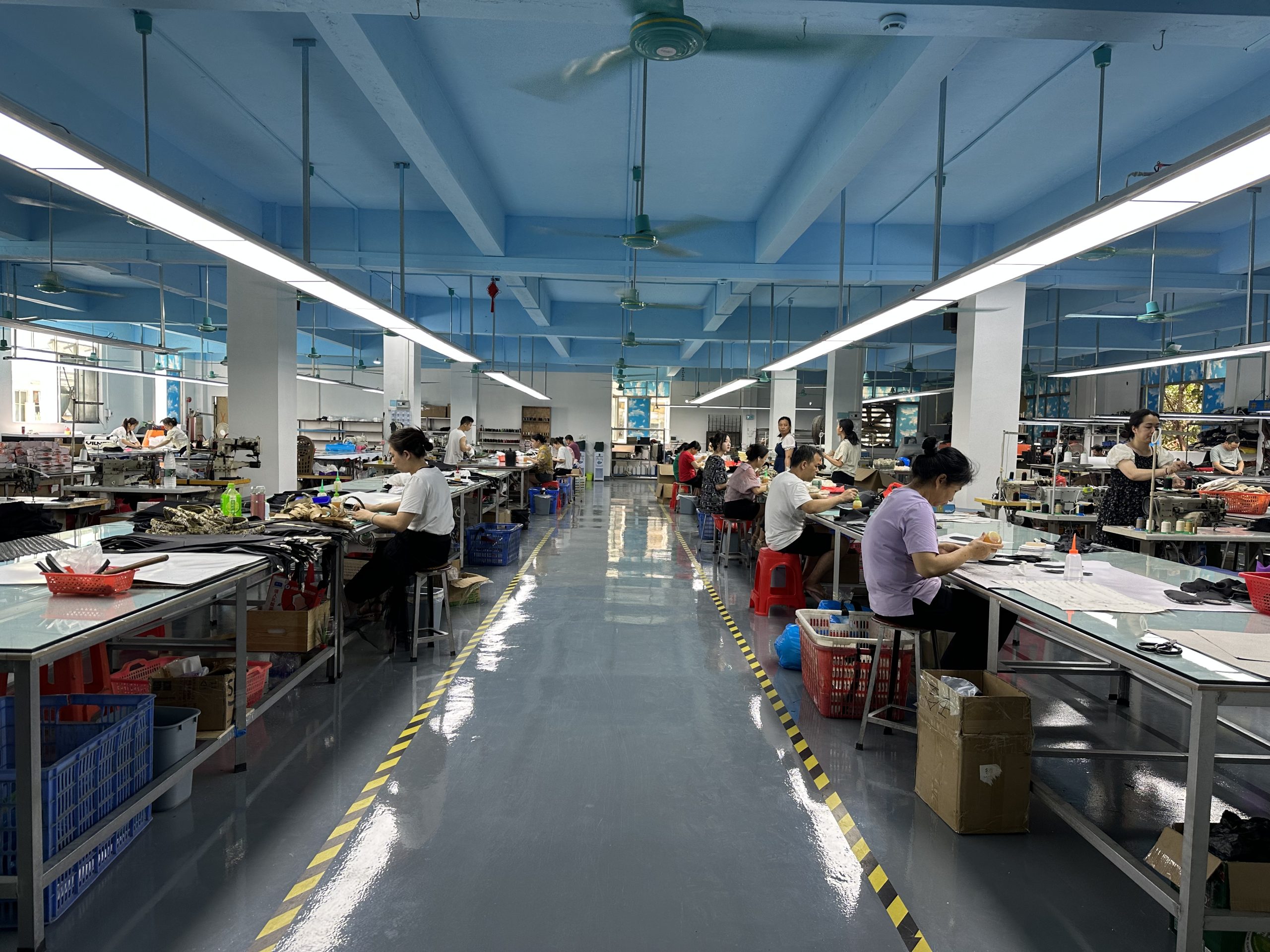
Construction of the new Evervan Kothari footwear factory in Karur began on July 10, 2026. The joint venture between Taiwan’s Evervan Group and India’s Kothari Industrial Corporation is designed to produce up to 40 million pairs of shoes per year and create approximately 15,000 jobs. These are not incremental figures; they represent a significant addition to adidas’s global production capacity.
Rafiq Ahmed, Vice-Chairman of Kothari Industrial Corporation, told The Hindu Business Line that adidas’s expansion naturally broadens its supplier base, as global footwear brands “typically do not rely on a single manufacturing partner.” He added that adidas has built one of the world’s most diverse manufacturing networks, spanning China, Vietnam, Indonesia and Cambodia.
India’s Growing Role in Adidas’s Supply Chain
India currently accounts for between 5% and 10% of adidas’s global footwear production, according to industry estimates. The company’s January 2026 supplier list shows 14 facilities in India employing around 22,600 people, with Apache Footwear’s operations in Andhra Pradesh serving as adidas’s largest Indian manufacturing base.
The Karur facility — if it reaches its 40 million pair annual target — would substantially increase India’s share of adidas’s production. Additionally, South Korean manufacturer Hwaseung is planning to produce adidas footwear at a new facility in Andhra Pradesh, further expanding the brand’s Indian manufacturing footprint.
The Vietnam Context
Despite India’s growth, Vietnam remains adidas’s primary footwear production market, accounting for 27% of production in 2025. Indonesia follows at 18% and China at 16%. Asia as a whole accounted for 92% of adidas’s global footwear production last year.
This hierarchy is unlikely to change dramatically in the near term. Vietnam’s established infrastructure, skilled workforce and deep integration into sportswear supply chains give it structural advantages that India cannot yet match. However, the strategic direction is clear: adidas is deliberately diversifying its manufacturing base, and India is the primary destination for that diversification.
Why India Matters for Leather and Footwear
The expansion has direct implications for the leather and footwear supply chain. India is already a major leather processing and exporting country, with tanneries in Tamil Nadu, Uttar Pradesh and West Bengal producing significant volumes of finished leather. As footwear production expands domestically, the demand for locally sourced leather components — insoles, linings, uppers — will increase.
This creates opportunities for Indian tanneries to supply materials that currently may be imported from other Asian processing centres. The shift from export-oriented leather production to domestic footwear supply could alter the economic dynamics of India’s leather sector, potentially raising local demand and prices while reducing the emphasis on raw hide and semi-finished leather exports.
The Geopolitical Undercurrent
Adidas’s India expansion occurs against a backdrop of trade policy uncertainty. Western brands have been reassessing their dependence on Chinese manufacturing for several years, driven by tariffs, political tensions and supply chain risk concerns. Vietnam benefited enormously from this reassessment, absorbing production capacity that moved from China. India is now positioned to capture the next wave of diversification.
For the leather industry specifically, the geopolitical dimension adds complexity. Leather sourcing for footwear produced in India may still originate from Brazil, Australia or other traditional hide-producing regions. The supply chain does not simplify just because manufacturing moves geographically; it merely shifts its configuration.
Looking Ahead
The Evervan Kothari facility’s 40 million pair annual capacity, combined with Hwaseung’s planned Andhra Pradesh operation, signals that adidas views India as a long-term production partner, not a temporary diversification stopgap. For the leather and footwear industry, this means India’s role in global supply chains is expanding from leather processor and exporter to integrated footwear manufacturer — a transition that carries implications for trade flows, material sourcing and competitive positioning across Asia.
Source: World Footwear — https://www.worldfootwear.com/news/adidas-expands-india-sourcing-with-new-facility/11644.html

中文