






China’s Leather Exports Decline 6.5%: Mixed Signals in the World’s Largest Leather Manufacturing Economy
China’s leather industry—encompassing leather, footwear, leather garments, bags, and cases—recorded exports worth $25.4 billion and imports of $5.15 billion between January and April 2026. Export value declined 6.5% year-on-year, while imports increased 4.3%, according to data released by the China Leather Industry Association (CLIA).
If April 2026 is viewed separately, China’s leather industry exported approximately $6.42 billion worth of leather, footwear, leather garments, bags, and cases, and imported around $1.28 billion during the month.
The data reveals a mixed trade performance across the industry, with exports falling in most major segments while select categories and imports showed varying trends. Understanding what’s driving these patterns—and what they signal about both the Chinese and global leather industries—requires digging beneath the headline numbers.
The Footwear Segment: Largest Contributor, Declining Performance
The footwear segment remained the largest contributor to China’s overall leather industry exports. Footwear has long been one of China’s most important leather product categories, supplying both international brands and domestic consumers with vast quantities of leather shoes, sneakers, and boots.
However, export value declined during the January-April period, reflecting weaker external demand conditions. Multiple factors likely contribute to this decline: economic uncertainty in key export markets (particularly the United States and Europe), inventory adjustments among international retailers, and continuing shifts in global footwear sourcing patterns.
China’s footwear industry has been adapting to rising labor costs by moving up the value chain—producing higher-quality, higher-price-point shoes rather than competing solely on cost. But this transition takes time, and in the near term, export volumes and values can be volatile.
Bags and Cases: Export Decline, Import Growth
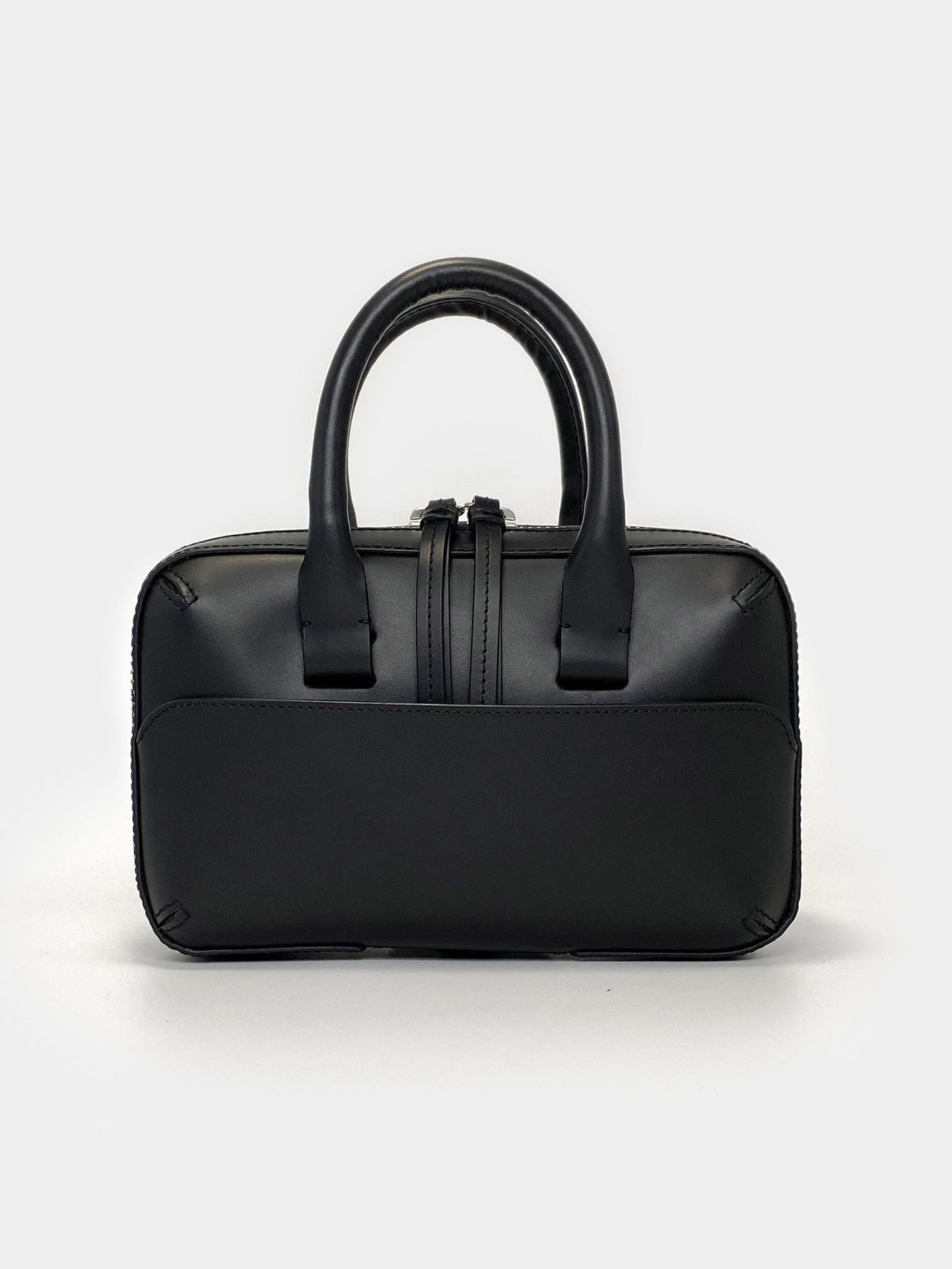
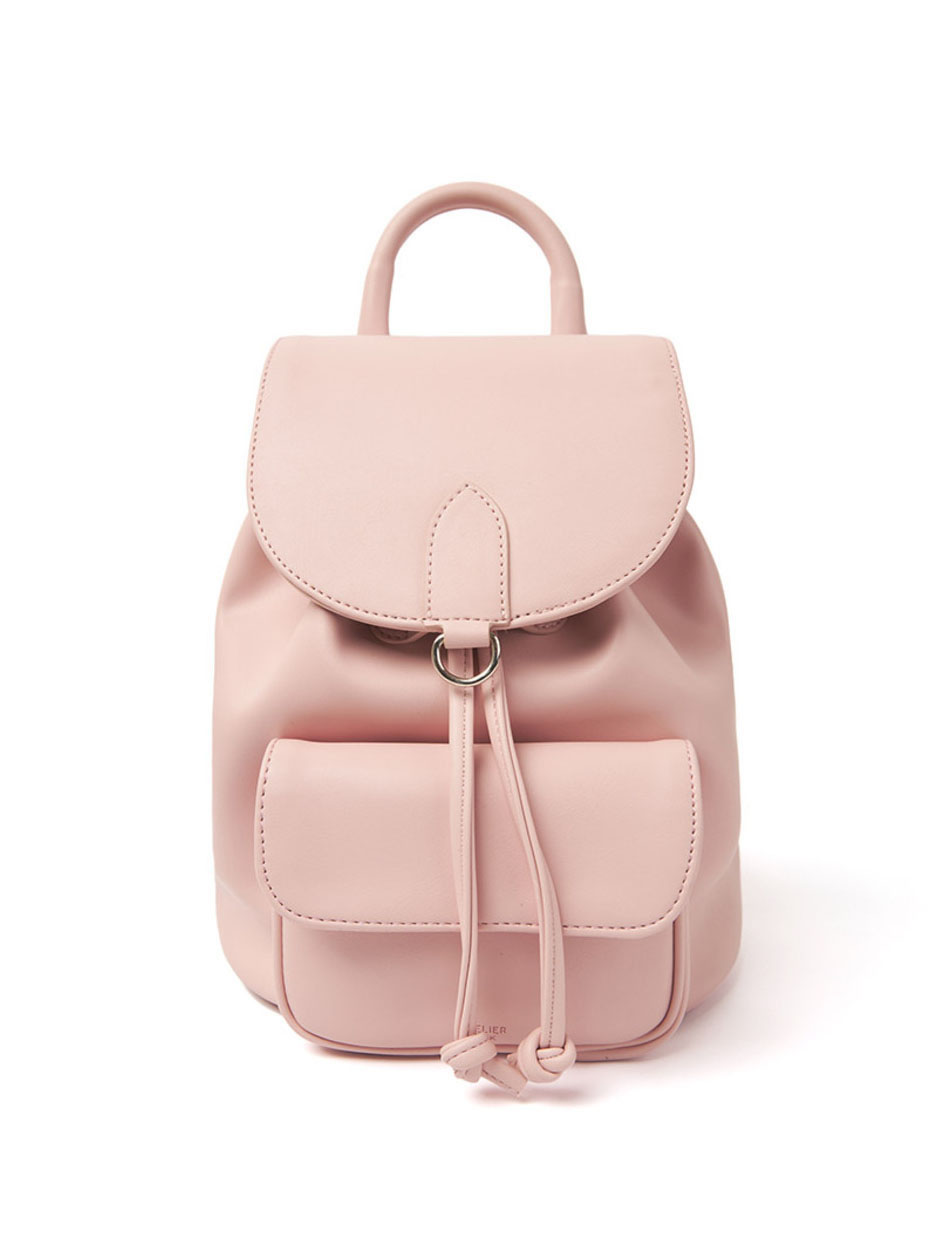
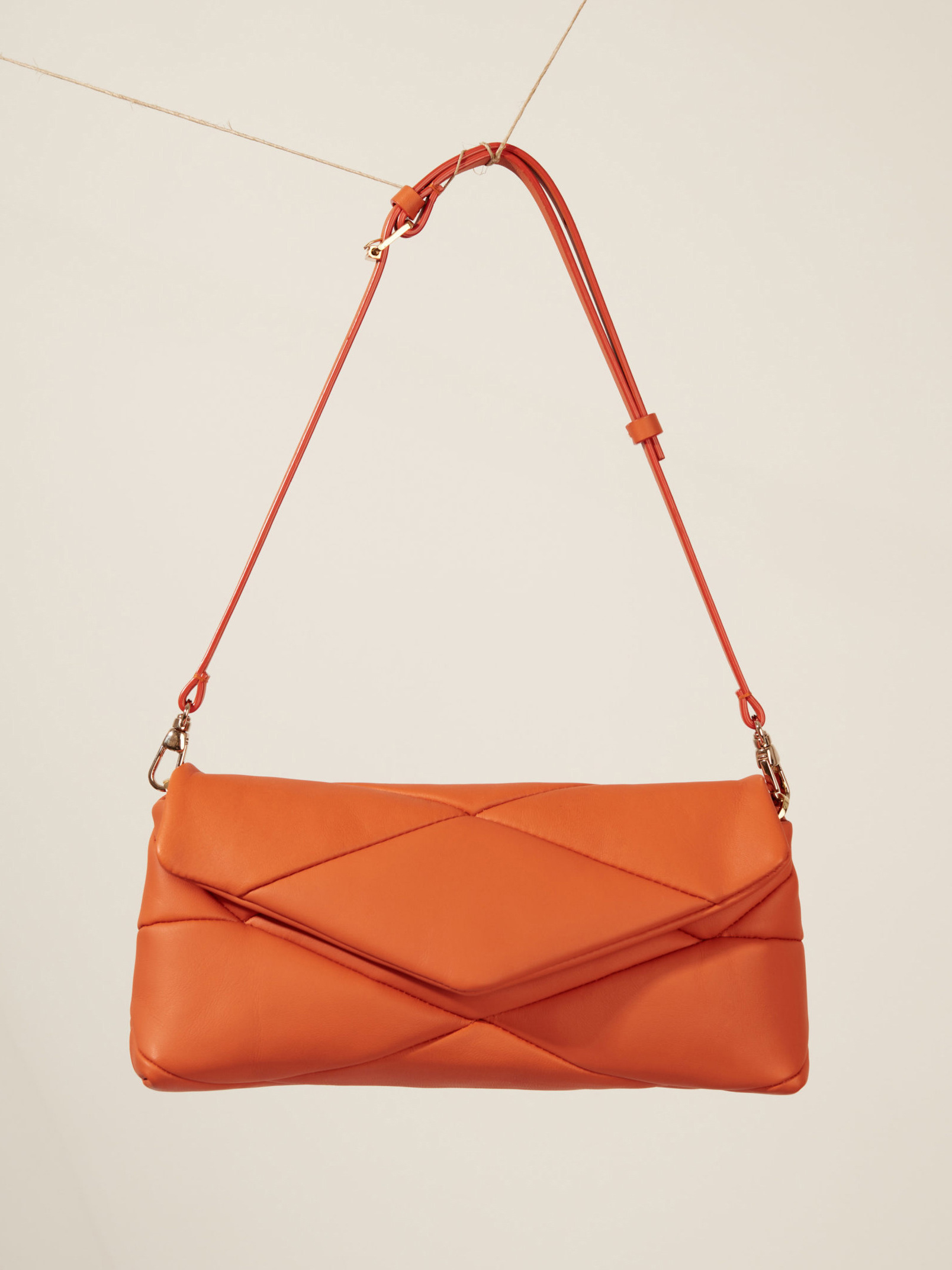
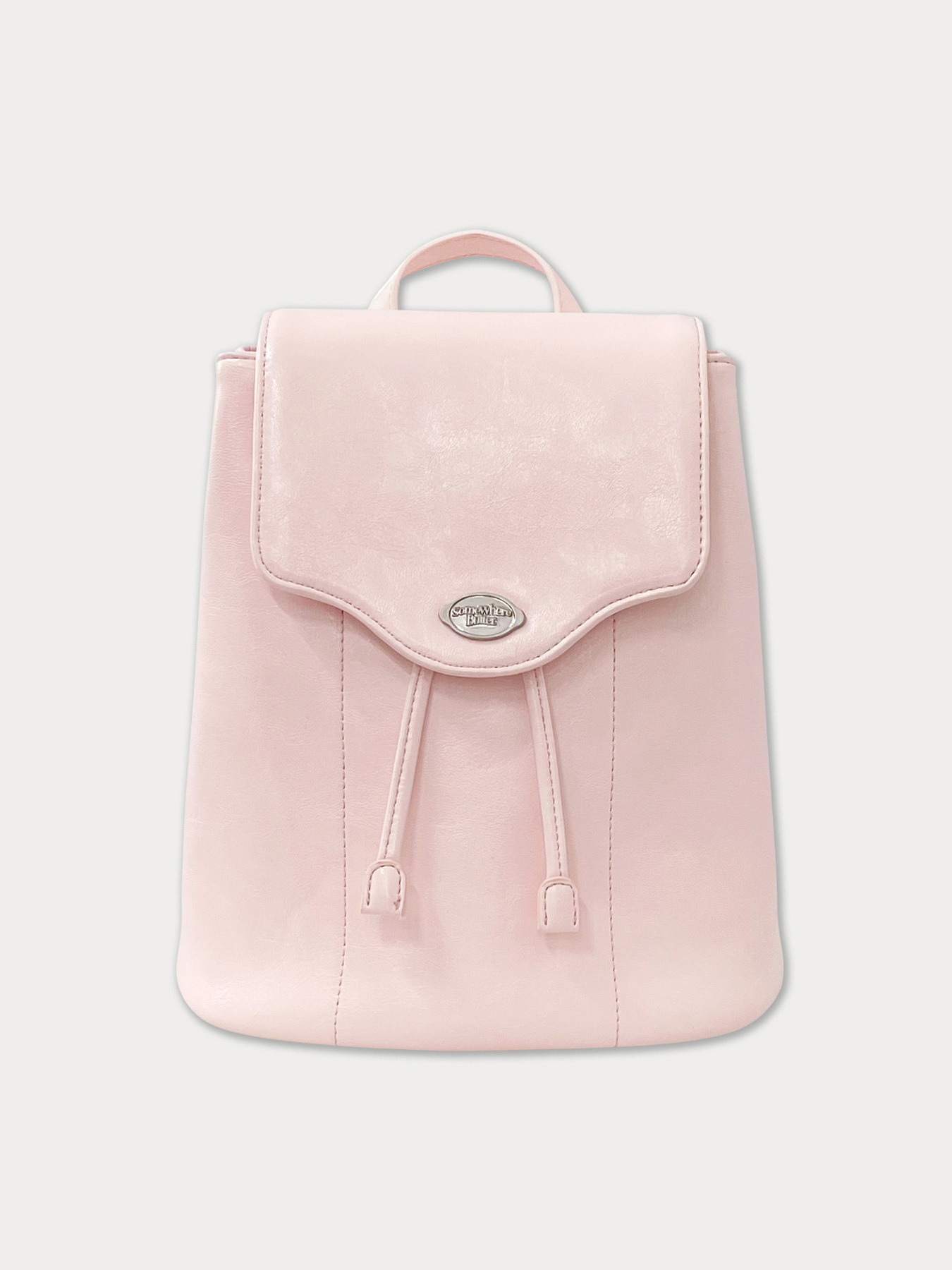
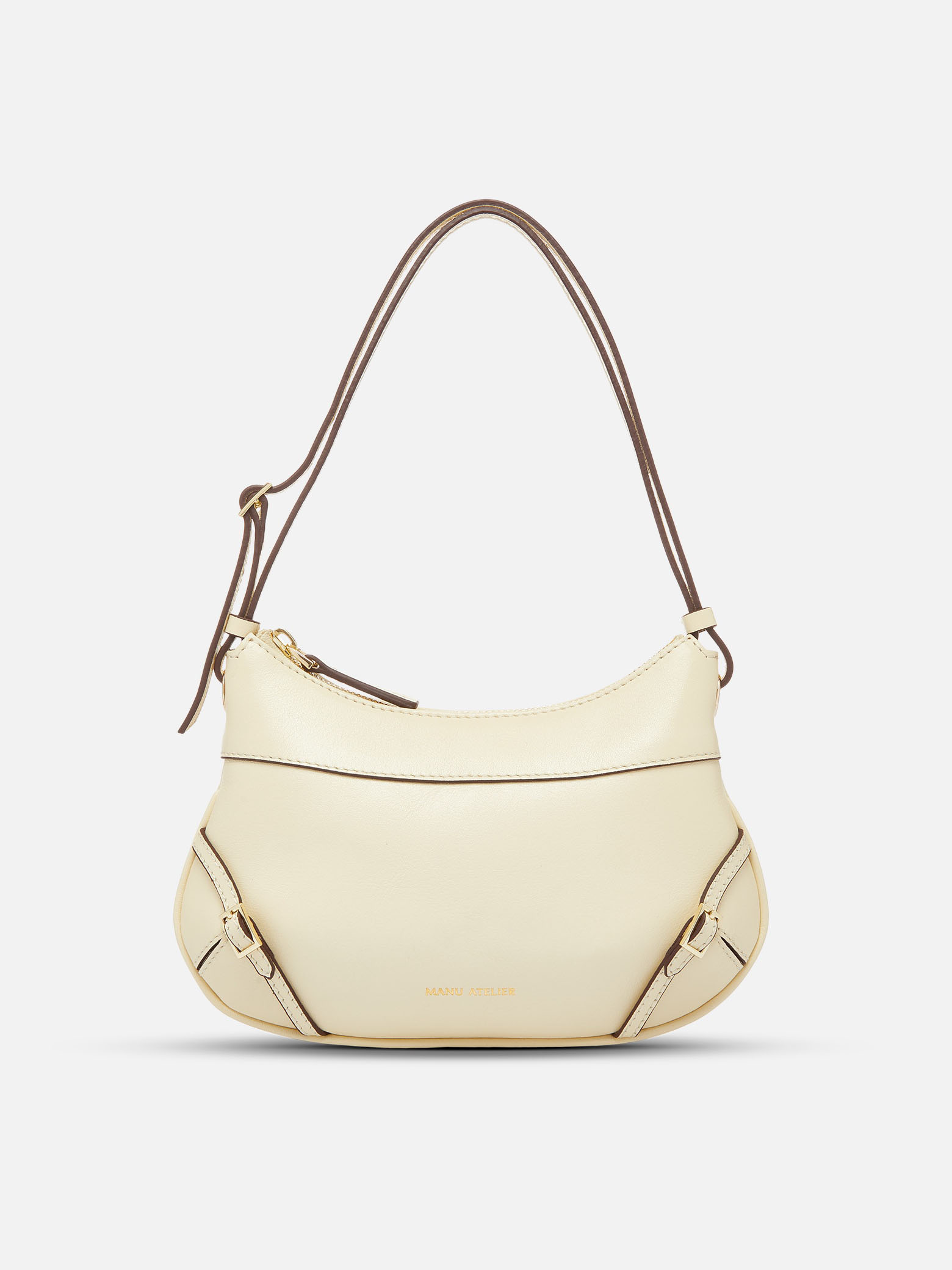
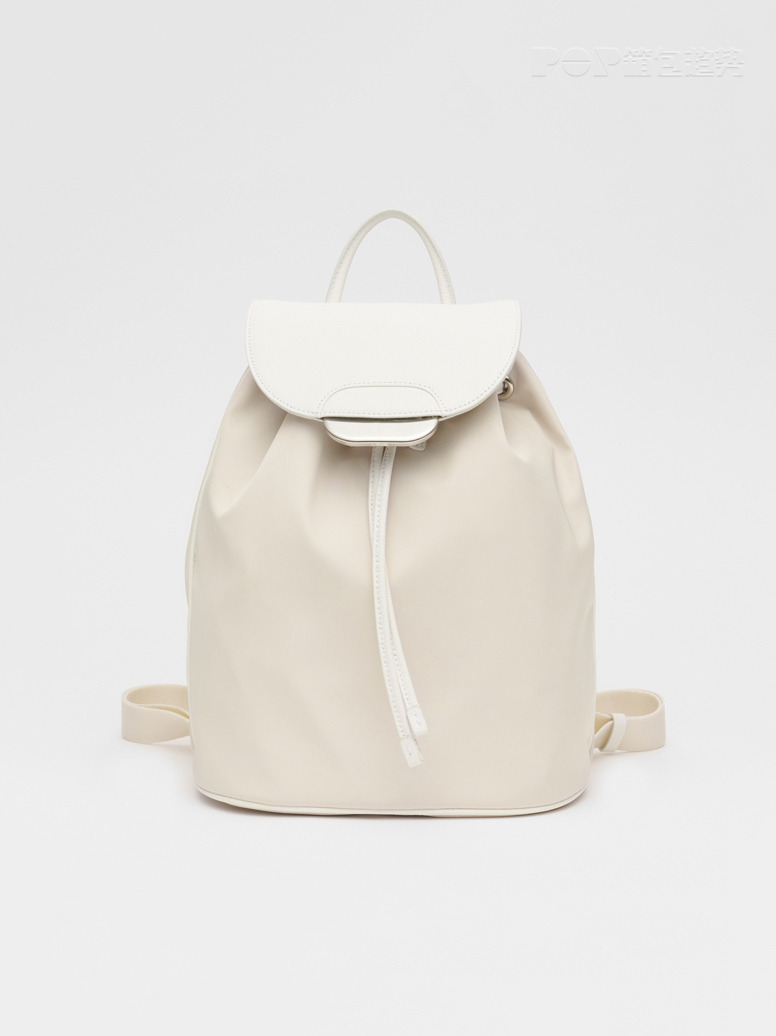
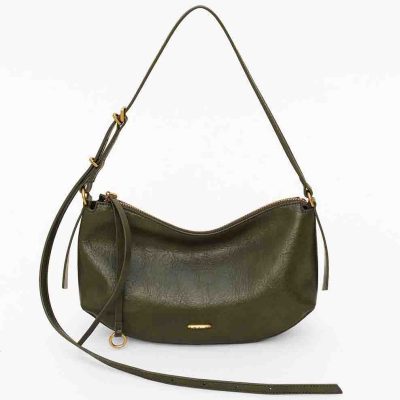
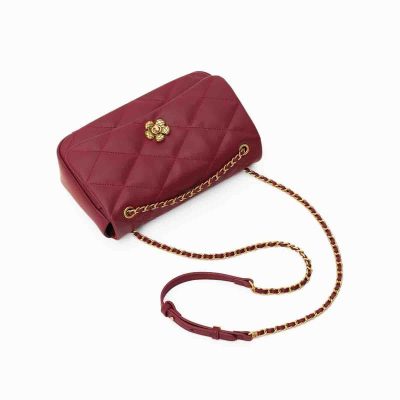
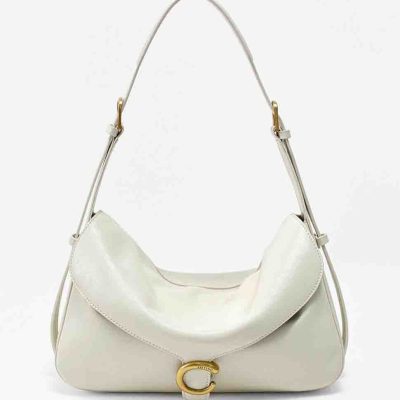
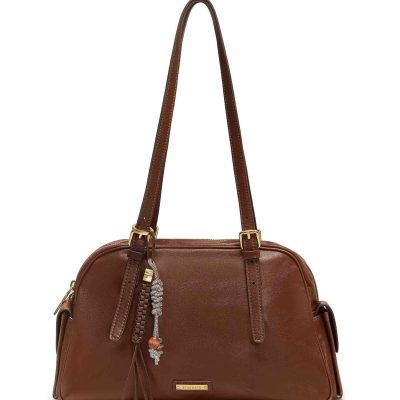
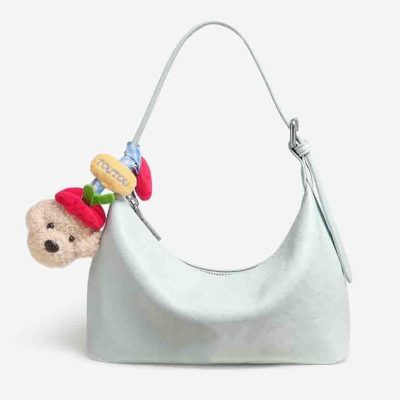
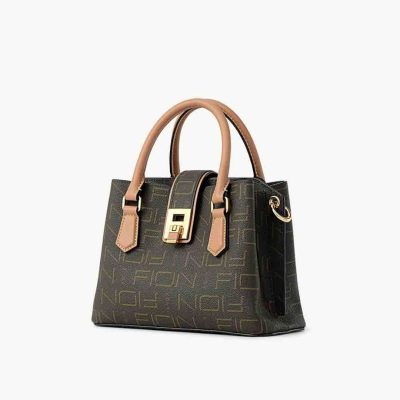
The bags and cases segment also recorded a decline in exports, while import demand increased during the same period. This divergence—falling exports, rising imports—suggests multiple dynamics at play.
On the export side, bags and leather goods face many of the same headwinds as footwear: weaker demand in key markets, increased competition from other manufacturing countries (particularly in Southeast Asia), and the ongoing complexity of global supply chains.
On the import side, rising imports of bags and cases into China suggest growing domestic demand for leather goods—potentially both international brands sold in China and raw materials/components used in Chinese manufacturing. China’s domestic consumer market for leather goods is substantial and growing, even as export markets face challenges.
Leather Garments: The Exception—Export Growth
Leather garments stood out as the only major segment to register export growth during the January-April 2026 period. This is noteworthy because leather garments represent a specialized, higher-value category within the leather industry.
The growth in leather garment exports could reflect several factors: recovering demand for leather jackets and coats in key markets, Chinese manufacturers’ success in moving up the value chain to produce more sophisticated garments, or shifting seasonal demand patterns.
Whatever the precise drivers, leather garment export growth provides a bright spot in an otherwise declining export picture.
Tanning and Raw Materials: Mixed Movement
The tanning and raw materials segment showed mixed movement, with changes observed across raw hides, semi-finished leather, and finished leather imports during the period.
For a manufacturing powerhouse like China, imports of raw materials—including hides, skins, wet blue, crust leather, and finished leather—are essential inputs for domestic leather production. Changes in these import patterns provide insights into how Chinese tanneries and manufacturers are adjusting their sourcing strategies.
The mixed movement suggests that different segments of China’s leather manufacturing base are experiencing different demand and cost pressures, leading to varying raw material import behaviors.
The Broader Economic Context
China’s leather export decline must be understood within the broader context of the country’s economy and its integration into global trade.
China’s export performance across multiple manufacturing sectors has faced headwinds over the past two years. Global demand softening in key markets, inventory corrections in retail channels, geopolitical tensions affecting trade flows, and increasing production costs within China have all contributed to export volatility.
At the same time, China’s domestic consumer market continues evolving. Rising incomes, expanding middle class consumption, and growing appreciation for quality leather products create opportunities for both domestic and international leather brands within China.
The 4.3% increase in leather industry imports during January-April 2026 suggests that domestic demand remains resilient even as export demand weakens. This import growth could represent both finished leather goods entering China for sale to Chinese consumers and raw materials/components used in Chinese manufacturing.
Implications for the Global Leather Industry
China’s leather industry performance matters enormously for the global sector. China is the world’s largest leather producer, one of the largest leather product exporters, and an increasingly important leather consumer market.
When China’s leather exports decline, the effects ripple through global supply chains. Tanneries in countries that export leather to China may see reduced orders. Chemical and machinery suppliers that serve Chinese tanneries and manufacturers may experience demand softening. And international brands that source from China face the complexity of adjusting sourcing volumes and timelines.
Conversely, when China’s leather imports increase, opportunities emerge for other leather-producing countries. Brazilian, Italian, Indian, and other tanneries may find expanded market access in China for their leather products.
Conclusion
China’s 6.5% leather export decline in the first four months of 2026 reflects a combination of external demand weakness, global economic uncertainty, and the ongoing evolution of China’s role in the global leather industry.
The divergent trends—export decline alongside import growth, footwear weakness alongside leather garment strength—paint a picture of an industry in transition. China’s leather sector is gradually shifting from a primarily export-oriented model toward one that balances export production with serving the large and growing domestic market.
How this transition unfolds will shape not just China’s leather industry but the global leather sector more broadly. Other leather-producing and manufacturing countries should be watching closely—and positioning themselves to capture opportunities as China’s leather trade patterns continue evolving.
Source: Leather News (https://leathernews.org/china-leather-industry-exports-fall-6-5-to-25-4-billion-in-january-april-2026/)

中文