







Ecco and Spinnova Advance Leather Waste-Based Fibre: A New Circular Economy Frontier
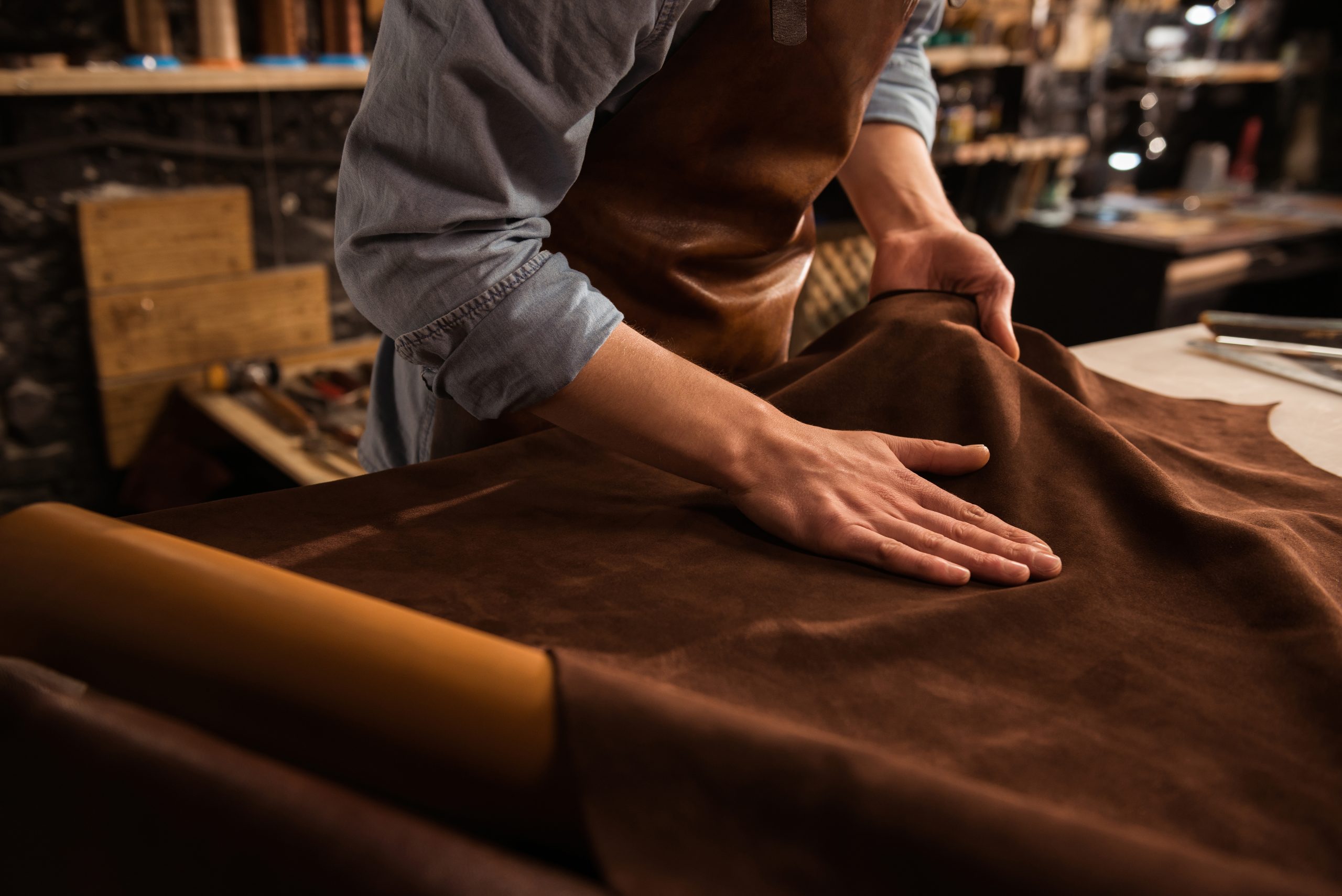
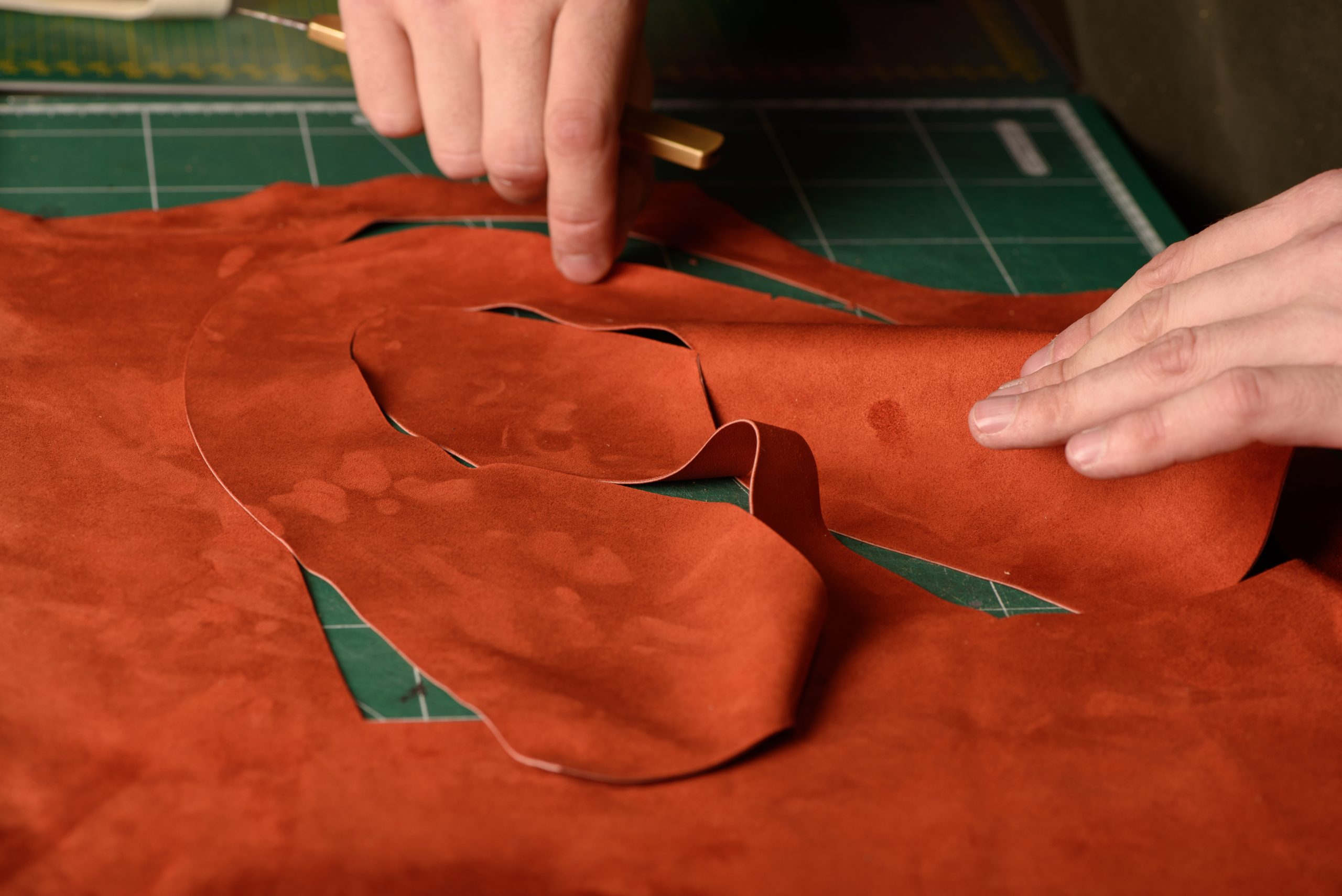
The leather industry has long faced a fundamental challenge: what to do with the substantial volume of leather waste generated during manufacturing. Off-cuts, shavings, and trimmings have traditionally been downcycled into low-value applications or discarded. Ecco, the Danish footwear company, is working with Spinnova, a sustainable textile developer, to change that equation entirely.
The Respin Joint Venture
Ecco and Spinnova have signed a letter of intent laying out their future plans for Respin—their joint venture company that produces leather waste-based fibre. The partnership represents a genuine attempt to create a circular economy pathway for leather manufacturing waste.
Spinnova’s technology can process multiple different feedstocks, including protein-based leather waste. The company has already made a prototype shoe that includes fibre from the Respin pilot line, and a product launch was expected before the end of Q1 2025.
How the Technology Works
Spinnova’s process involves breaking down leather waste into its constituent fibres, then reassembling them into a new textile material. The resulting fibre retains some of the inherent properties of leather—durability, breathability, tactile warmth—while gaining the versatility of a textile that can be woven or knitted into various forms.
The technology does not use harmful chemicals in the fibre regeneration process, according to Spinnova, making it environmentally preferable to many synthetic alternatives. The letter of intent between Ecco and Spinnova signals both parties’ commitment to scaling production to a commercial level.
Strategic Implications for Ecco
For Ecco, the Respin venture aligns with the company’s broader sustainability commitments. Ecco has invested heavily in leather manufacturing innovation, including advanced tannery processes at its facilities in the Netherlands, Thailand, Indonesia, and Vietnam.
By creating a commercial-scale outlet for its leather waste, Ecco can reduce its environmental footprint, potentially create a new revenue stream from what was previously a cost center, and strengthen its sustainability narrative—an increasingly important factor in consumer purchasing decisions.
The Broader Industry Context
Leather waste utilization is attracting growing attention across the industry. Multiple startups and research institutions are exploring ways to extract value from tannery waste, whether through composting, bio-material production, or fibre regeneration.
What distinguishes the Ecco-Spinnova approach is the involvement of a major global footwear brand as both investor and customer. Ecco’s willingness to use Respin fibre in its products provides a demand signal that could help scale the technology.
Challenges to Commercialization
Scaling leather waste-based fibre production is not straightforward. Leather waste is heterogeneous—different tannages, finishes, and leather types produce different waste streams with varying properties. Creating a consistent, high-quality fibre from this variable input requires sophisticated process control.
Cost is another challenge. Even if the technology works at pilot scale, achieving price competitiveness with conventional textiles or synthetic leather alternatives will be essential for widespread adoption.
Spinnova has stated it does not expect to raise further external financing to fund the increase in Respin’s production capacity—a signal of confidence, but also a constraint on how quickly the venture can scale.
What to Watch
The leather industry will be watching Respin’s progress closely. If the joint venture can demonstrate consistent quality, scalable production, and cost-effectiveness, it could open a entirely new category of sustainable materials that bridge the gap between traditional leather and textile.
For tanneries and leather manufacturers, the implications are worth considering. If brands like Ecco begin incorporating leather waste-based fibres into their products, it could reshape how leather waste is valued, sorted, and sold. What is currently a disposal cost could become a saleable feedstock.
A Step Toward Circularity
The Ecco-Spinnova partnership is one of several emerging initiatives aimed at making leather manufacturing more circular. While it is not a silver bullet for the industry’s environmental challenges, it represents serious, commercially grounded innovation.
As the prototype shoe moves toward commercial launch, the industry will have its first real-world test of whether leather waste-based fibre can meet the performance, aesthetic, and cost requirements of mainstream footwear and leather goods.
Source: Leather International – Ecco sets out plans for leather waste-based fibre business (August 15, 2024)

中文