








French Leather Goods Exports Slip 4% in Q1 2026 as Handbag Sales Hold Steady
France’s leather goods industry, the crown jewel of the country’s luxury manufacturing base, recorded €3.14 billion in exports during the first quarter of 2026—a 4% decline from the €3.29 billion reported in the same period a year earlier, according to data from Alliance France Cuir. The drop, while modest in percentage terms, reveals shifting dynamics across product categories and hints at the pressures facing even the most established names in French leather craftsmanship.
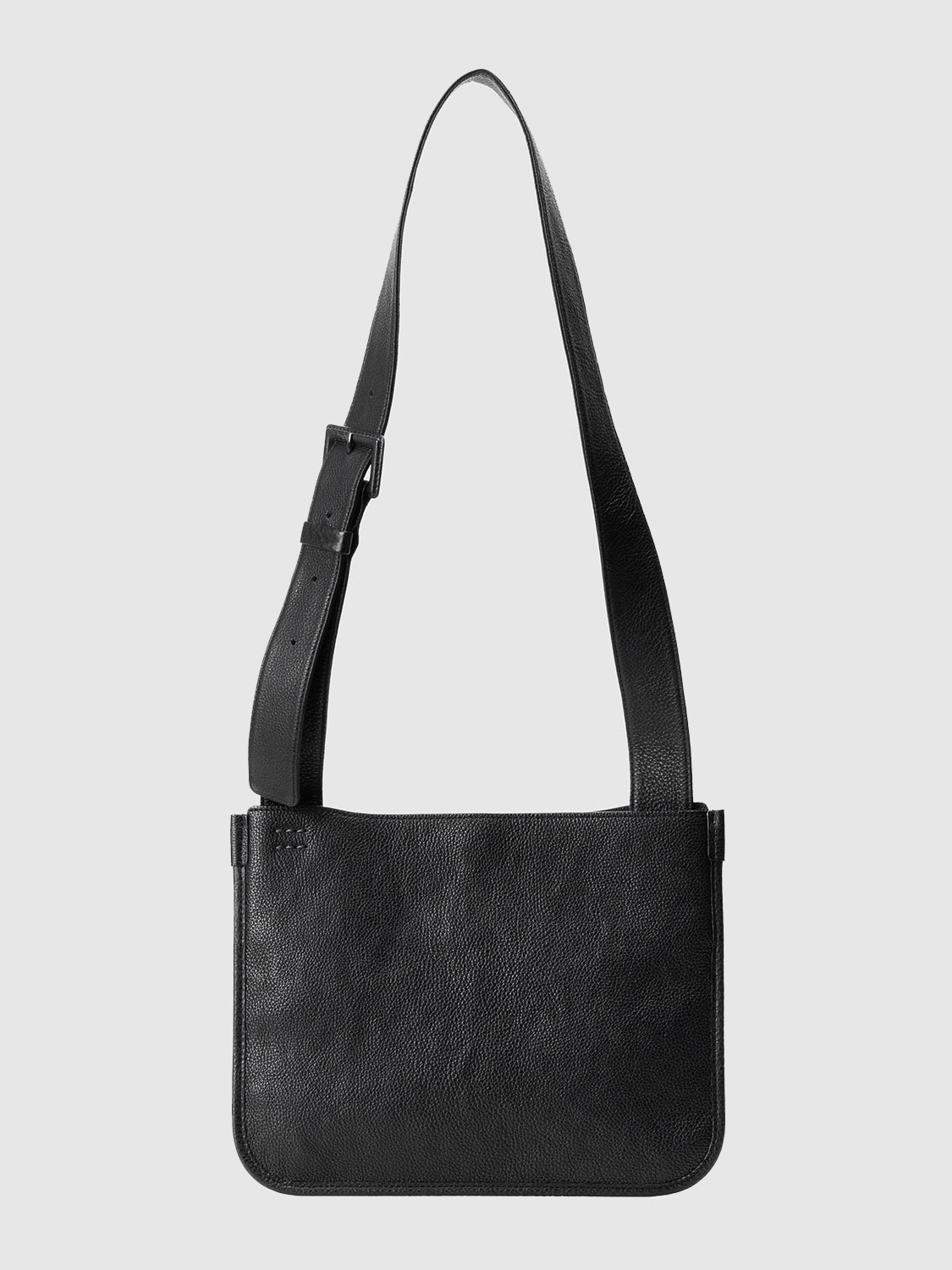
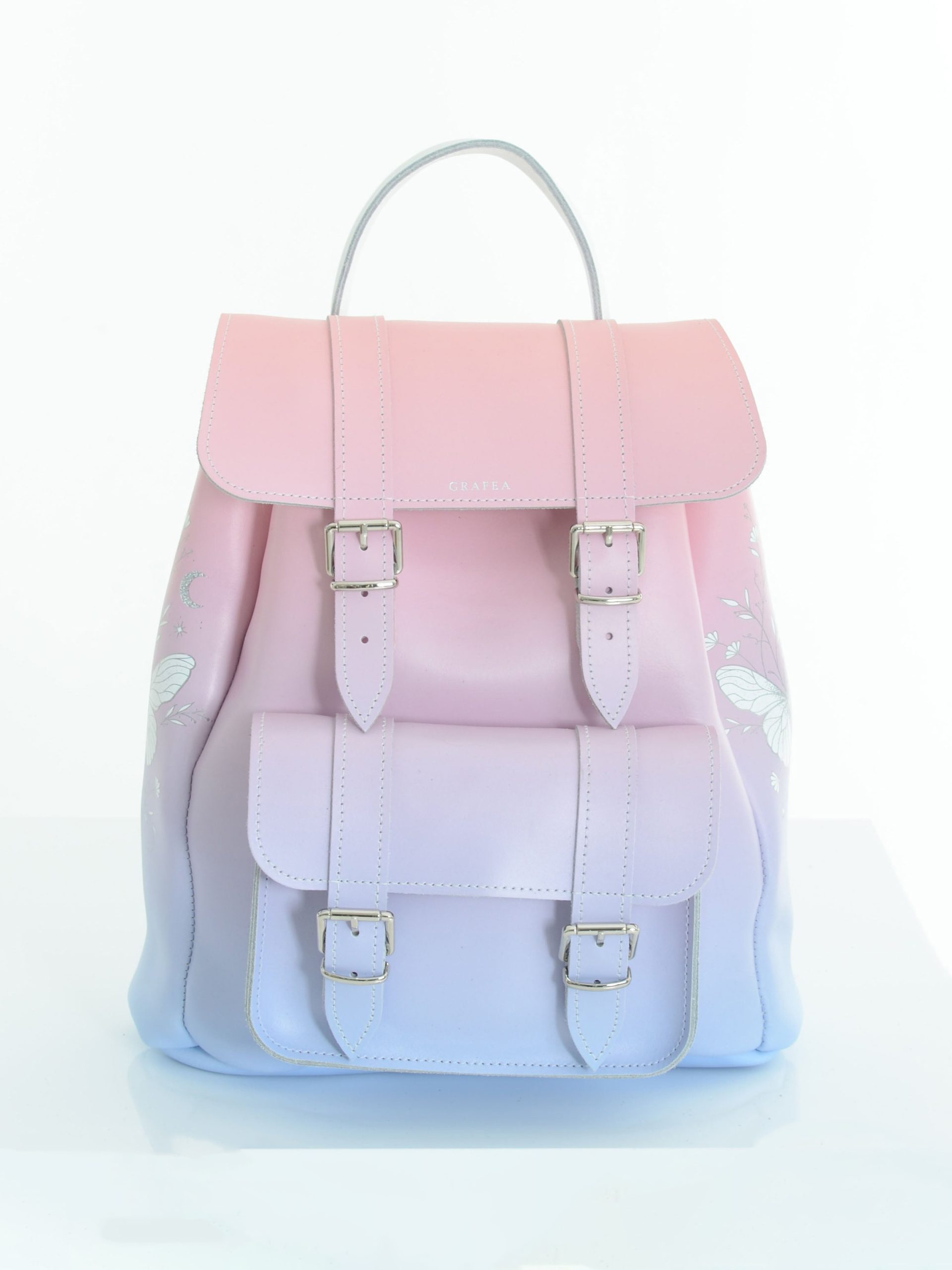
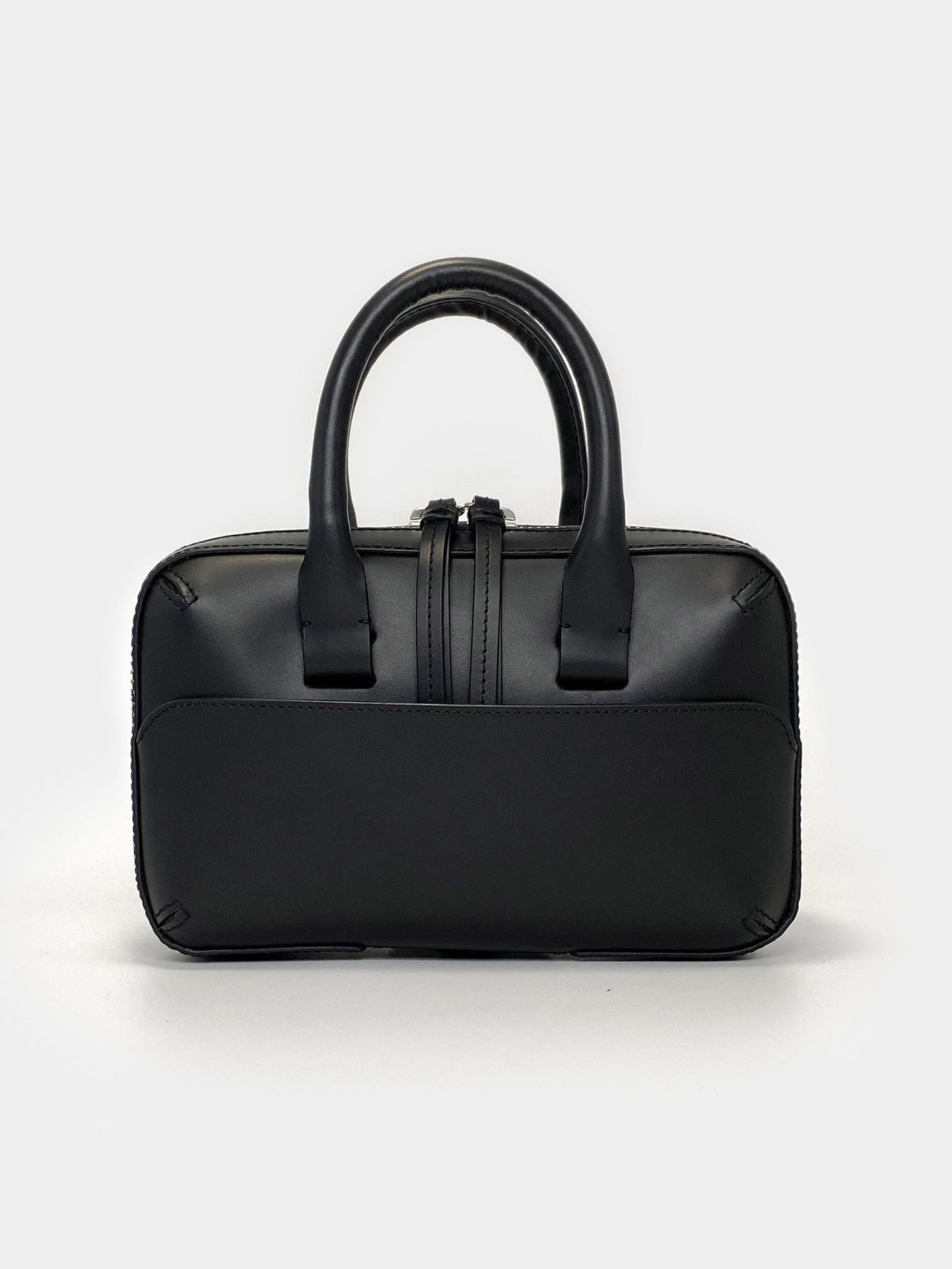
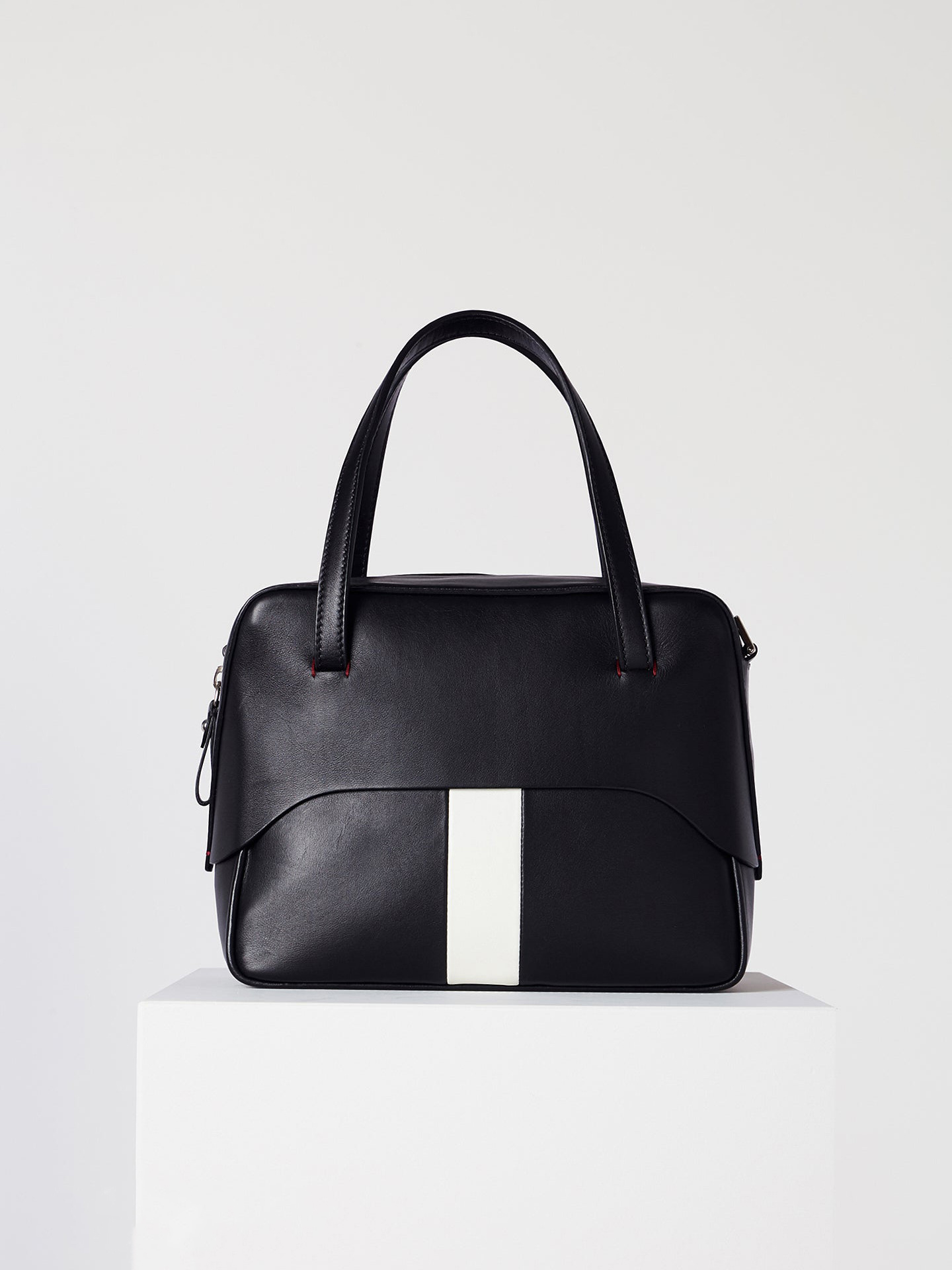
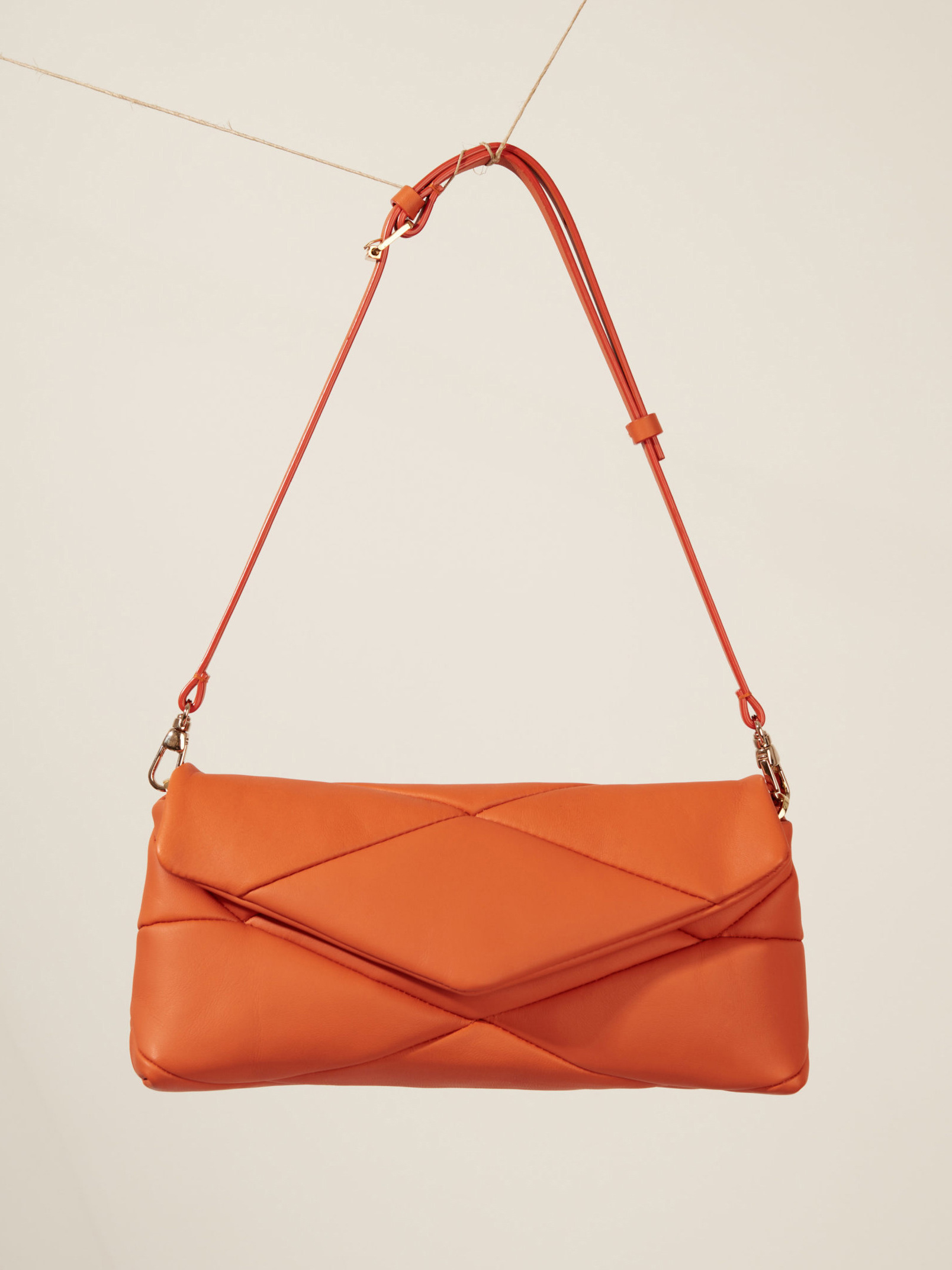
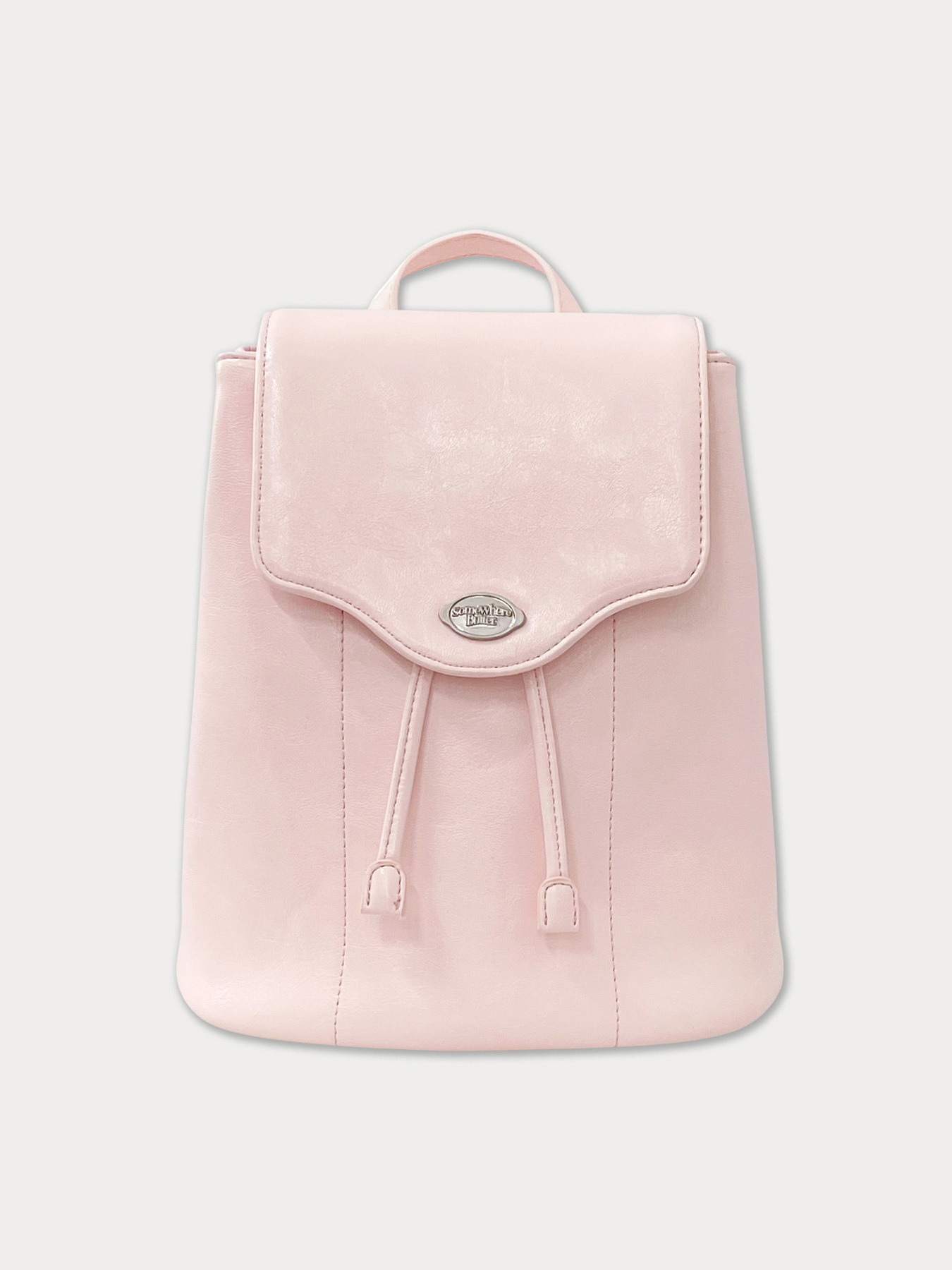
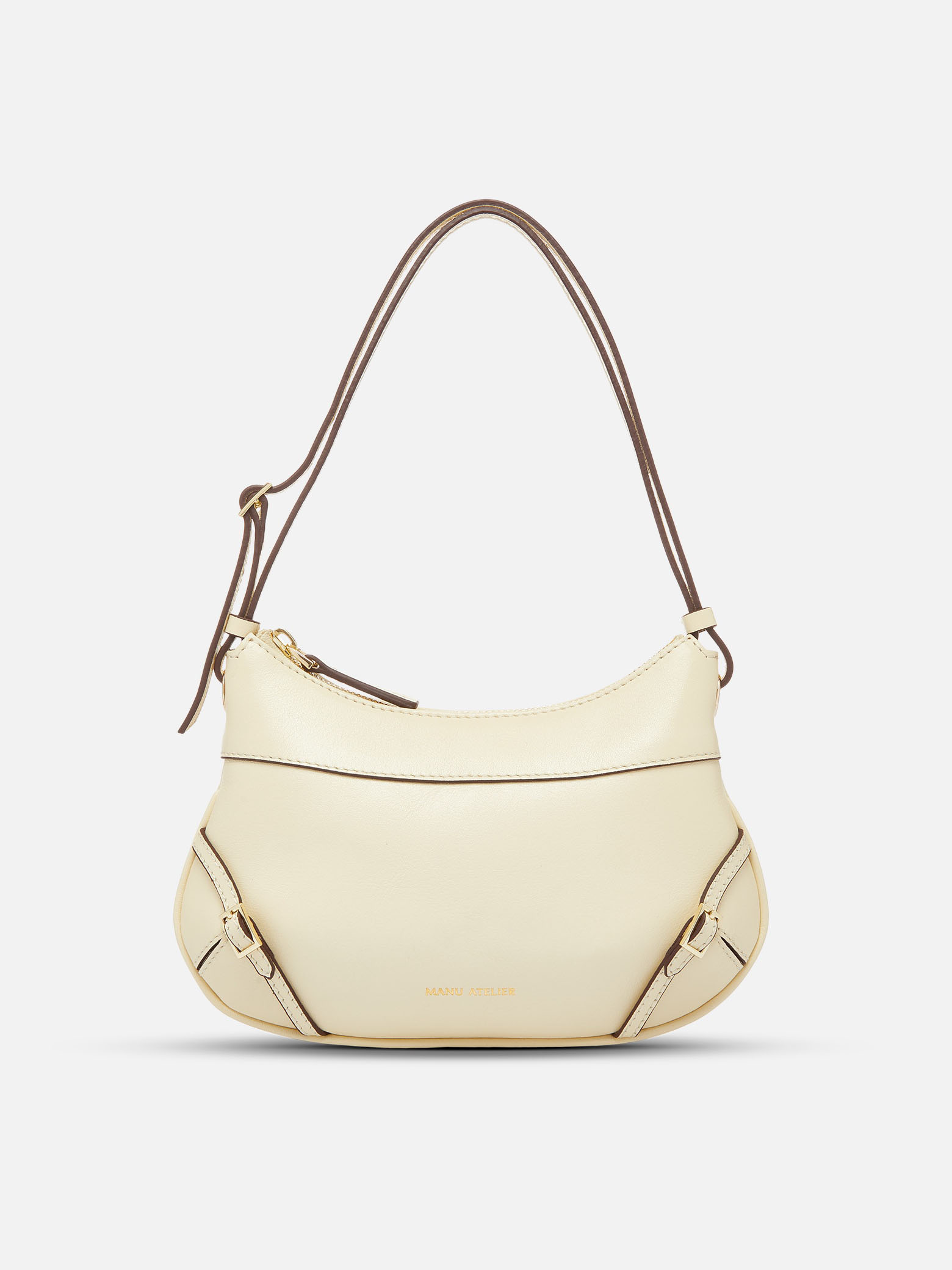
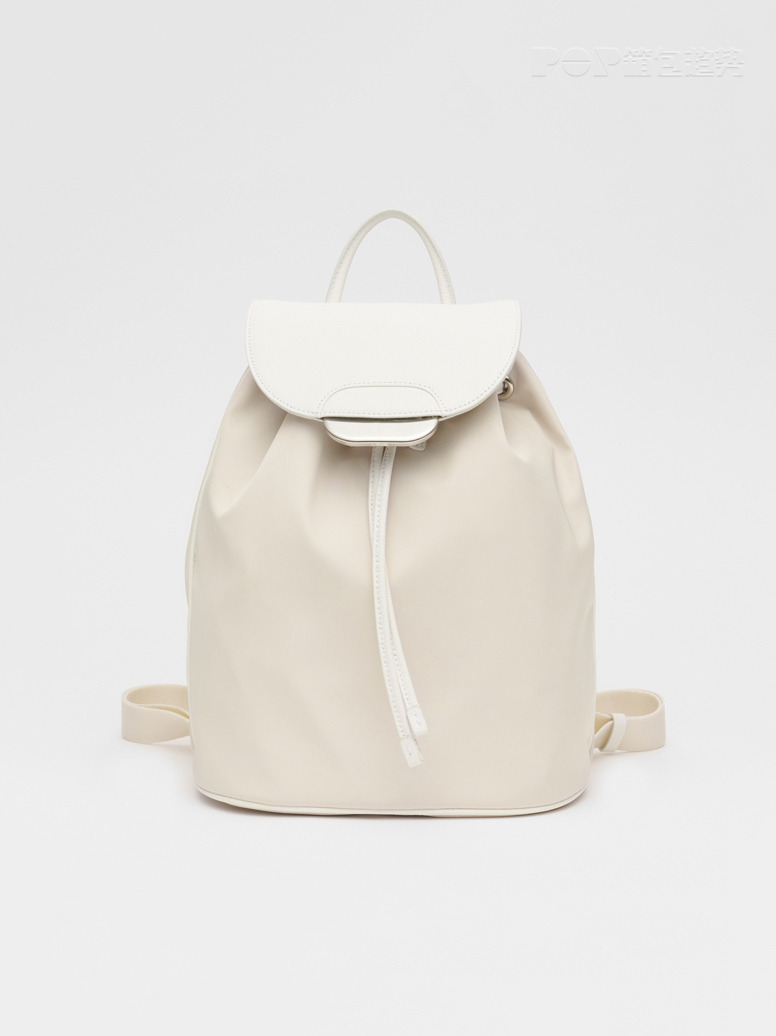
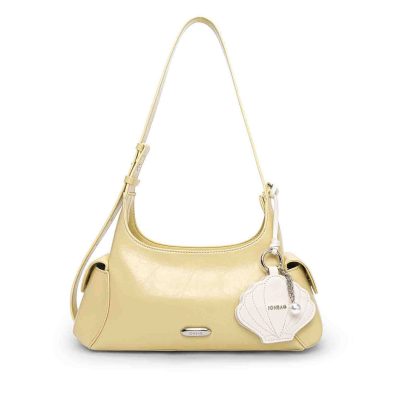
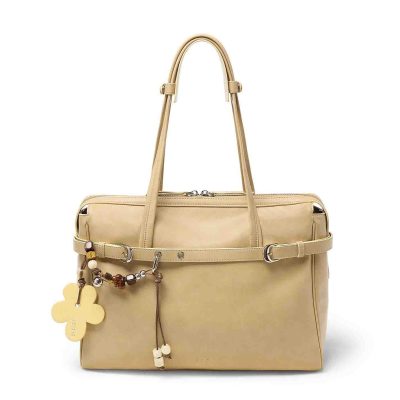
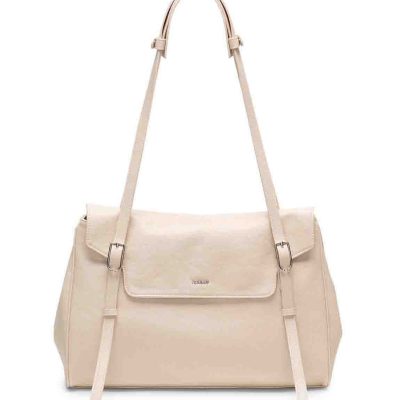
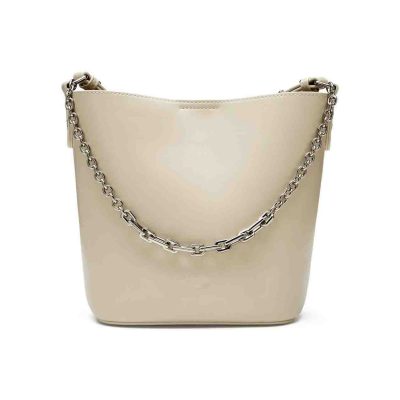
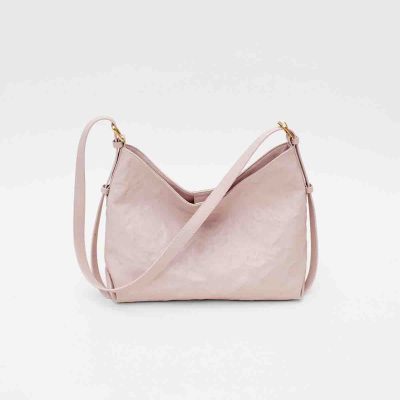
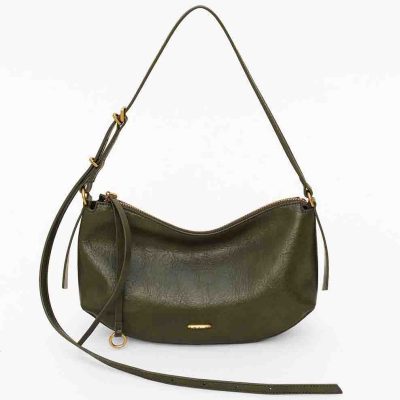
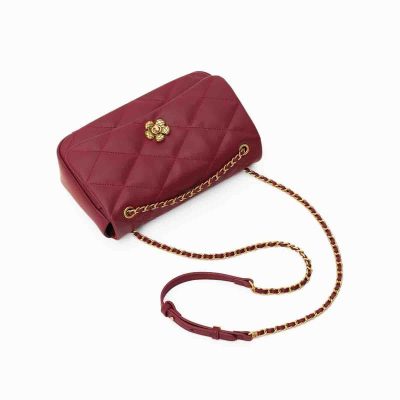
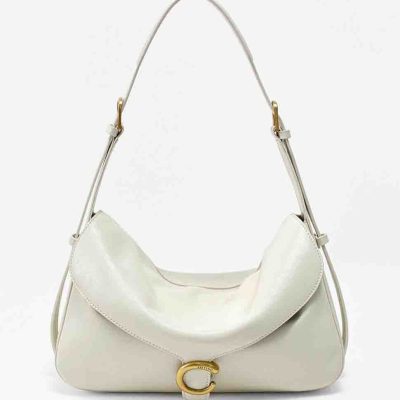
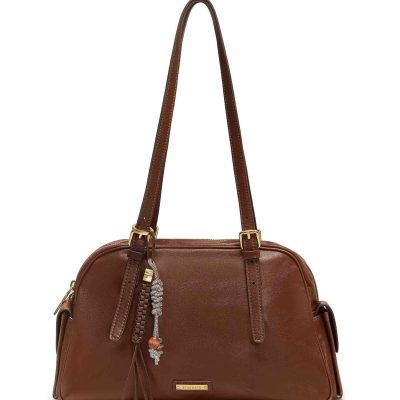
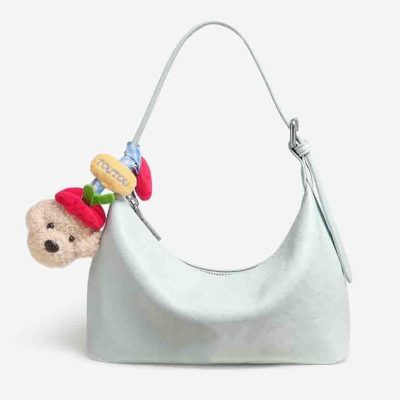
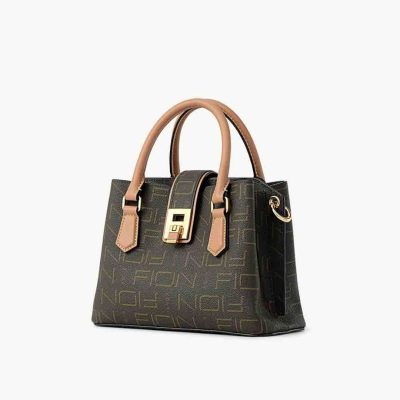
Handbags, the flagship product of the French leather goods sector, proved relatively resilient. Exports of handbags declined just 1%, from €2.31 billion in Q1 2025 to €2.27 billion in Q1 2026. That的相对 stability suggests that core demand for French leather handbags remains intact, particularly in established luxury markets where brand loyalty and craftsmanship continue to command premium pricing.
The same cannot be said for small leather goods. That category—encompassing wallets, cardholders, belts, and other accessories—recorded a sharp 22% decline, with exports falling from €314.2 million to €245.8 million. The magnitude of the drop raises questions. Is this a cyclical softening in demand for accessories? Are consumers consolidating purchases around fewer, higher-value items? Or is the small leather goods category particularly exposed to pricing pressure from competing materials and alternative products?
Watch straps, a smaller but prestigious niche within the French leather goods export mix, also declined, dropping 7% from €37.9 million to €35.1 million. The category’s performance is closely tied to the fortunes of the Swiss and French watch industries, both of which have faced headwinds in key Asian markets over the past year.
On the import side, France’s leather goods imports declined even more sharply than exports, falling 6% to €1.02 billion. The import data tells a complementary story: handbag imports fell 4%, small leather goods imports dipped 3%, but watch strap imports—the one bright spot—jumped 25%, from €12.5 million to €15.6 million. That divergence suggests that while France’s domestic leather goods manufacturing base is under pressure, the country remains an attractive market for specialized leather components, particularly in technical niches like watch straps.
The broader context for these numbers is worth noting. France’s total leather industry exports—spanning raw hides, leather, footwear, leather goods, and gloves—reached €4.55 billion in Q1 2026, a 3.5% decline from the €4.72 billion recorded in Q1 2025. The leather goods segment, while down, outperformed some other parts of the industry. That is a testament to the enduring strength of French leather craftsmanship, even as the sector navigates a more challenging global environment.
Several factors are likely at play in the Q1 numbers. The depreciation of certain currencies against the euro may have made French leather goods relatively more expensive in some export markets. Geopolitical tensions and shifting trade policies have introduced uncertainty for luxury consumers in parts of Asia and North America. And the broader normalization of luxury demand following the post-pandemic surge may simply be catching up with even the most resilient categories.
For the French leather goods industry, the Q1 data is not a crisis signal, but it is a reminder that global demand is never static. The 4% export decline is manageable; the 22% drop in small leather goods is more concerning and warrants close monitoring as Q2 data becomes available.
Source: Leather News – French Leather Goods Exports Fall 4% to €3.14 Billion in Q1 2026

中文