






title: “Givenchy’s Strategic Appointment: Marco De Vincenzo and the Luxury Leather Goods Reset” original_url: “https://leathernews.org/givenchy-appoints-marco-de-vincenzo-as-head-of-leather-goods-design/” source: “Leather News”
Givenchy’s Strategic Appointment: Marco De Vincenzo and the Luxury Leather Goods Reset
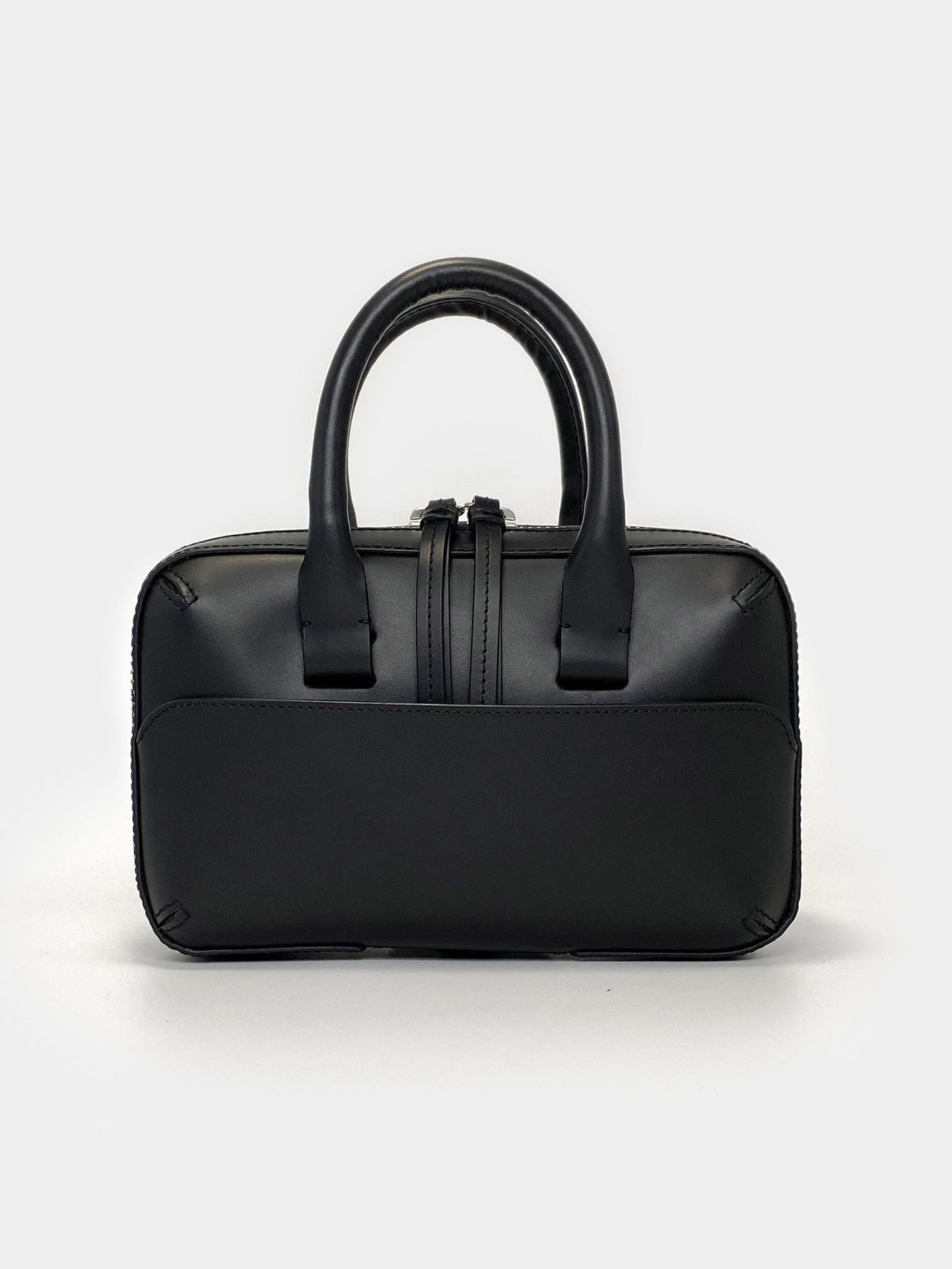
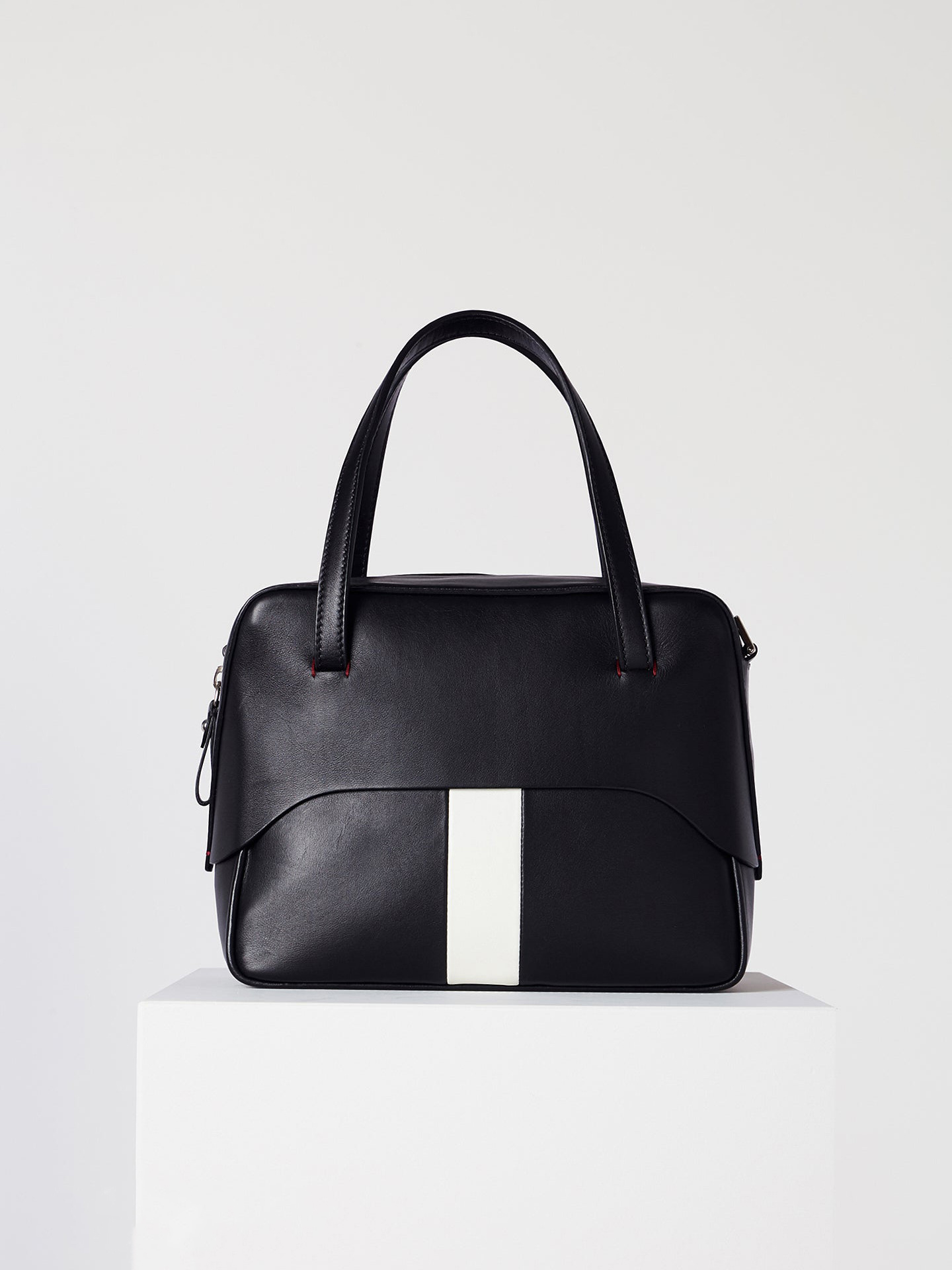
Givenchy’s appointment of Marco De Vincenzo as head of leather goods design is more than a personnel change. It is a strategic signal from one of LVMH’s most storied fashion houses about where the commercial battle in luxury will be fought next — and leather goods are the frontline.
The Creative Reset Under Sarah Burton
De Vincenzo joins Givenchy under the creative direction of Sarah Burton, the former Alexander McQueen designer who took over Givenchy’s artistic helm in a broader creative reset. His mandate is specific: lead the development of Givenchy’s leather goods category and work closely with Burton to support the company’s wider growth strategy.
This appointment is explicitly framed as part of Givenchy’s plan to “accelerate growth in leather goods, which remains an important segment for the luxury fashion house.” The wording is deliberate — leather goods are not an accessory category at Givenchy; they are a strategic priority.
De Vincenzo’s Track Record: 14 Years at Fendi
De Vincenzo’s credentials make this appointment strategically coherent. Before his brief stint as creative director at Etro (2022 until early 2026), he spent 14 years at Fendi as head of leather goods from 2008 to 2022. That tenure coincided with Fendi’s transformation into one of the leather goods powerhouses of the LVMH group — a period when the Baguette, Peekaboo and other Fendi signatures became global luxury icons.
His departure from Etro after a relatively short tenure raised questions, but his Fendi legacy speaks louder. Fourteen years shaping leather goods at a brand that defines the category is experience that few designers in the luxury world can match. Givenchy is not hiring a generalist creative; it is hiring a specialist with proven commercial impact.
Why Leather Goods Matter More Than Ever
In luxury fashion’s current landscape, leather goods — handbags, small leather accessories, travel items — generate the majority of revenue and profit for most major houses. While haute couture provides brand narrative and ready-to-wear drives seasonal visibility, leather goods deliver the repeat purchases, the aspirational entry points and the margin-rich products that sustain luxury businesses financially.
Givenchy, founded in 1952 by Hubert de Givenchy and now owned by LVMH, has historically been stronger in haute couture and ready-to-wear than in leather goods. The appointment of De Vincenzo addresses this imbalance directly. His role is not to design leather goods that complement Burton’s clothing vision; it is to build a leather goods business that stands on its own commercial strength.
The Competitive Context
Givenchy operates within LVMH’s portfolio alongside leather goods giants like Louis Vuitton, Fendi and Celine — brands where leather goods generate billions in annual revenue. Within this portfolio, Givenchy’s leather goods category has room for significant growth, and LVMH’s management clearly views the category as underdeveloped relative to the brand’s potential.
The competitive stakes extend beyond LVMH’s internal portfolio. Across the luxury industry, brands are investing heavily in leather goods talent. Kering’s Gucci, Richemont’s newly expanded leather operations and independent houses like Prada are all sharpening their leather goods strategies. Givenchy’s appointment signals that the competition for both designers and market share in this category is intensifying.
What Success Looks Like
For De Vincenzo, success means creating leather goods that achieve two things simultaneously: embody Sarah Burton’s evolving creative vision for Givenchy and generate commercial results that elevate the brand’s leather goods revenue to a level commensurate with its fashion heritage. The challenge is substantial — building a leather goods identity for a house known primarily for couture elegance requires balancing creative authenticity with commercial accessibility.
His Fendi experience suggests he understands this balance. The bags he oversaw at Fendi were never mere accessories; they were narrative objects that told stories about the brand while selling in volume. Translating that approach to Givenchy’s different aesthetic language — more refined, more architectural, less playful — will test his range.
The Broader Implication
Givenchy’s appointment reflects a wider truth in luxury: the next competitive frontier is not clothing, not footwear, not fragrance. It is leather goods — the category where heritage, craft, design and commerce converge most powerfully. Brands that invest in this category with strategic intentionality, as Givenchy is now doing, are positioning for the phase of luxury competition where material excellence and design originality matter most.
Source: Leather News — https://leathernews.org/givenchy-appoints-marco-de-vincenzo-as-head-of-leather-goods-design/

中文