







Hermès Expands French Leather Goods Production With New Riom Factory
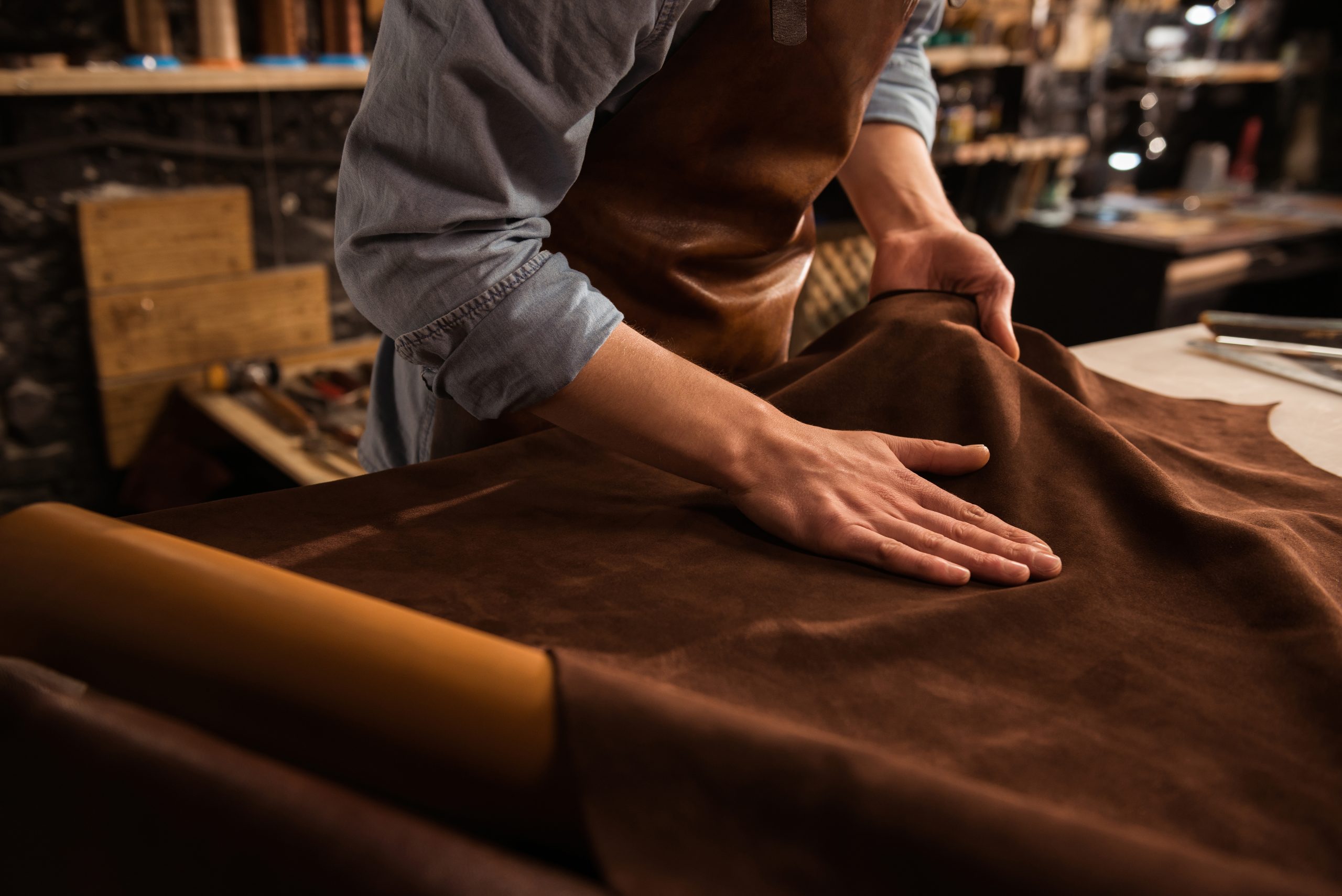
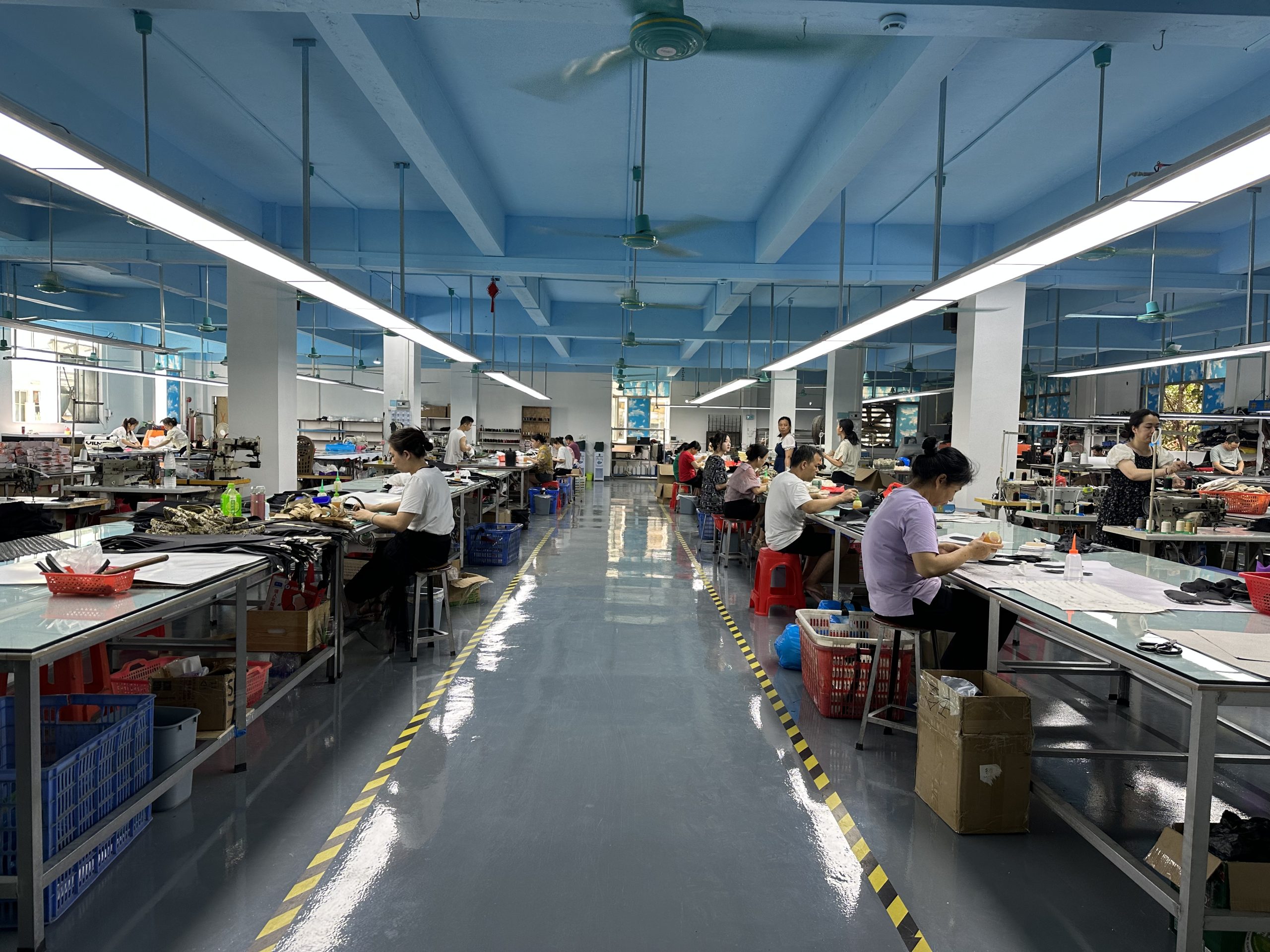
Hermès has long been the standard-bearer for European leather craftsmanship, and the Maison’s latest move reinforces that position. In September 2024, Hermès opened its newest leather goods factory in Riom, in central France’s Puy-de-Dôme region. The facility covers 7,000 square meters and represents the company’s 23rd leather goods workshop in France—a manufacturing footprint that few luxury brands can match.
A Strategic Hub in France’s Heartland
The Riom site is not an isolated investment. It forms a production hub with the nearby Sayat leather goods factory, which has been producing Hermès leather goods for more than 20 years. This clustering strategy allows Hermès to develop local expertise, train artisans in a coordinated way, and build a self-reinforcing ecosystem of craftsmanship.
Since 2010, Hermès has opened 12 leather goods workshops across France. Three additional projects are currently underway—in L’Isle d’Espagnac in Charente, Loupes in Gironde, and Charleville-Mézières in the Ardennes—for which recruitment and training are ongoing.
The Numbers Behind the Craft
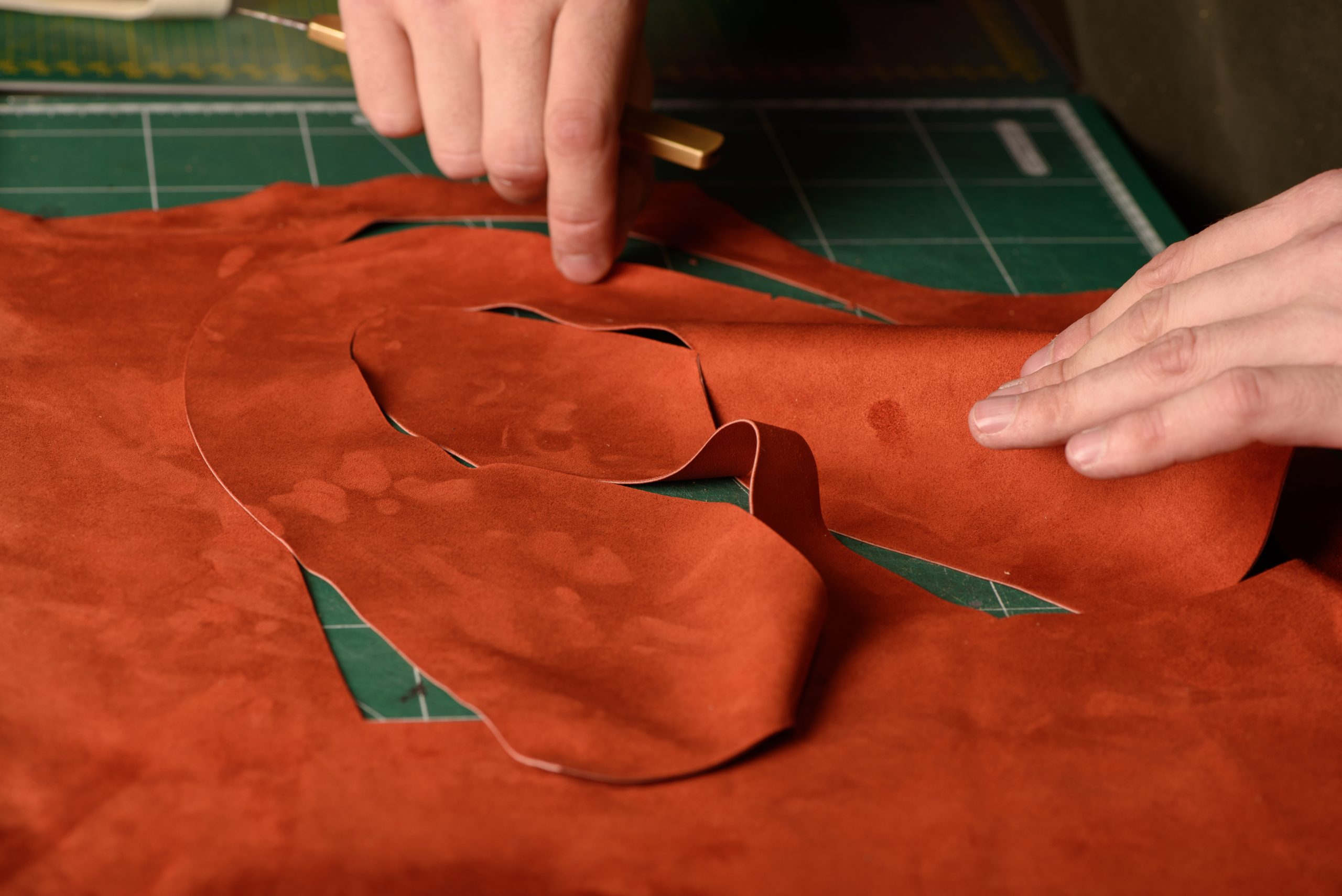
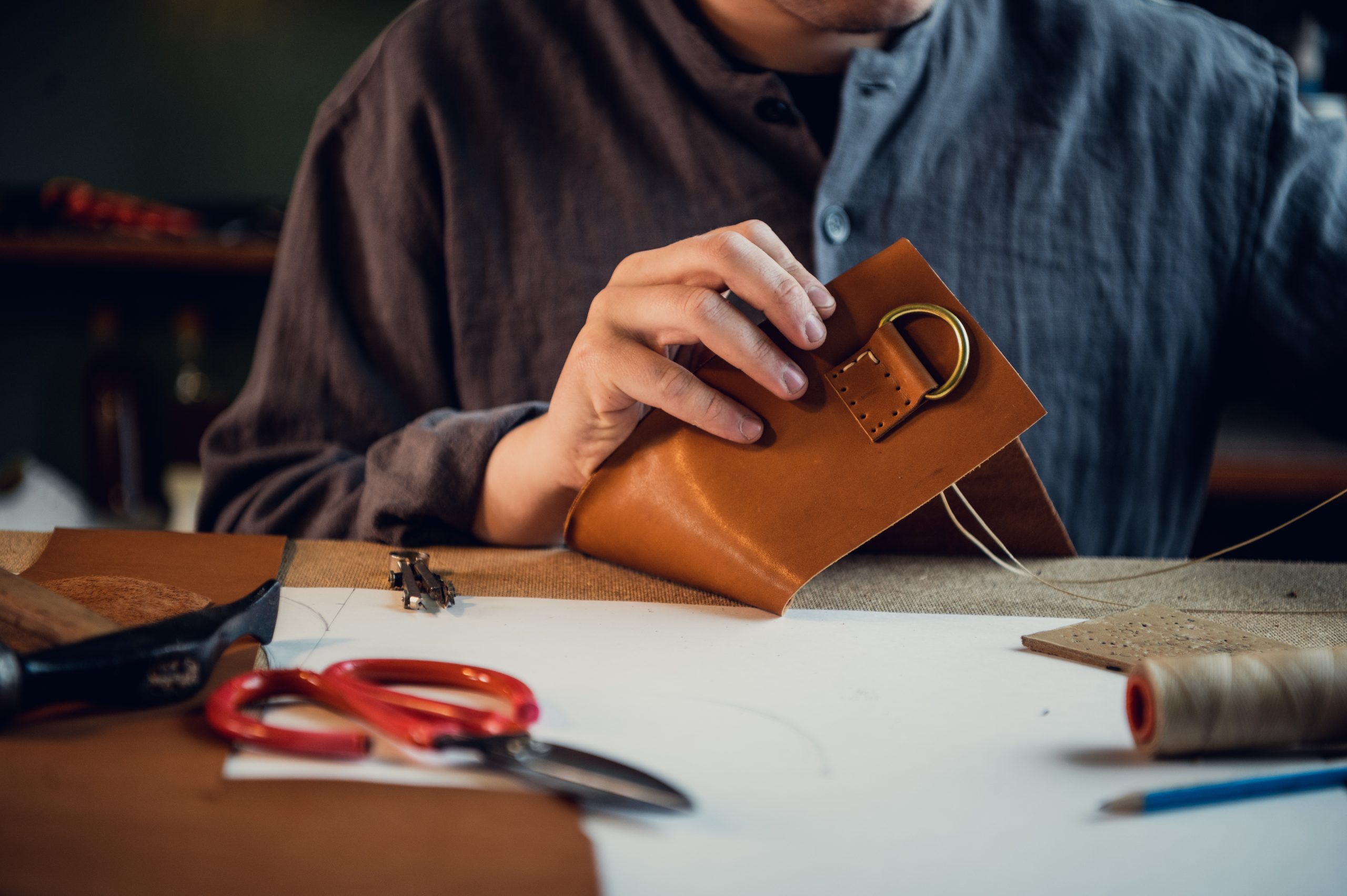
Hermès employs 23,200 people worldwide, including 14,300 in France, of which nearly 7,300 are artisans (craftspeople). The Riom factory houses 250 craftsmen, plus 30 additional people in management, human resources, and logistics roles.
This is not just a charming detail about French craftsmanship—it is a serious industrial strategy. By concentrating the majority of its production in France through 60 production and training sites, Hermès maintains control over quality, sustains traditional skills, and protects its brand narrative of authentic French luxury.
Why This Matters for the Leather Industry
Hermès’ continued investment in French leather goods production sends several signals to the broader industry:
First, it validates the economics of high-end leather craftsmanship in Western Europe. At a time when many fashion brands are moving production to lower-cost countries, Hermès is expanding in France—and doing so profitably. The company’s half-year financial results for 2024 showed consolidated revenue of €7.5 billion, up 15% at constant exchange rates, with leather goods and saddlery up 19%.
Second, it highlights the importance of artisan training. Hermès recruited and trained some 200 artisans in its workshops in 2024, with similar plans for 2025. The Riom factory is as much a training center as a production facility. In an era of skilled labor shortages across European manufacturing, Hermès’ ability to attract, train, and retain craftspeople is a genuine competitive advantage.
Third, it demonstrates the power of controlled distribution. Hermès operates nearly 300 stores in 45 countries. By keeping production in France and expanding gradually, the company maintains the scarcity and quality control that underpin its pricing power.
The Broader Luxury Manufacturing Trend
Hermès’ Riom investment is part of a broader trend: luxury brands reconsidering the value of domestic production. LVMH, Chanel, and Kering have all invested in French and Italian manufacturing capacity in recent years. The reasons are both practical (quality control, supply chain resilience) and narrative (authenticity, heritage craftsmanship).
For tanneries and leather suppliers, Hermès’ expanding production footprint represents both opportunity and challenge. The opportunity lies in supplying one of the world’s most prestigious leather goods manufacturers. The challenge is meeting Hermès’ exacting quality and traceability standards—standards that are only becoming more stringent as EU regulations on deforestation and due diligence take effect.
Looking Ahead
Hermès’ strategy is not just about opening factories—it is about building a sustainable pipeline of craftsmanship for the next generation. The company’s ability to consistently grow production capacity while maintaining quality has been central to its financial success.
As the Riom factory ramps up, and with three more sites in development, Hermès is positioning itself to meet leather goods demand that shows no sign of abating among the world’s luxury consumers. In an industry often distracted by trends, Hermès’ patient, production-first approach remains a masterclass in long-term brand building.
Source: Leather International – Hermès opens new leather goods factory in France (September 17, 2024)

中文