







H&M’s Margin Strategy Is Working — But It Comes at a Cost the Leather Supply Chain Should Understand
H&M Group’s Q2 2026 results tell a story the global leather supply chain needs to read carefully. Sales fell 3% to SEK 54.8 billion, but operating margin climbed to 12.0% from 10.4%, and operating profit before restructuring costs rose 11% to SEK 6.6 billion. In an era of retail contraction, H&M is extracting more profit from less revenue. That efficiency has consequences — particularly for upstream suppliers.
The Efficiency Play
The margin improvement is driven by disciplined operational choices. Gross margin rose to 56.6% from 55.4%. Inventory was cut 10% year-on-year to SEK 34.9 billion, with stock representing 15.8% of rolling 12-month sales versus 16.6% a year earlier. H&M explicitly credited “greater supply chain efficiency and a higher proportion of in-season purchasing” — language that translates directly into sourcing reality: less forward ordering, tighter inventory tolerances and faster response requirements from suppliers.
Cash flow from operating activities increased 24% to SEK 10.6 billion, a figure that reflects not just margin improvement but working capital optimisation. When a retailer reduces inventory and increases cash flow simultaneously, the pressure shifts upstream. Suppliers face shorter order windows, more frequent adjustments and reduced volume predictability.
The Leather Angle
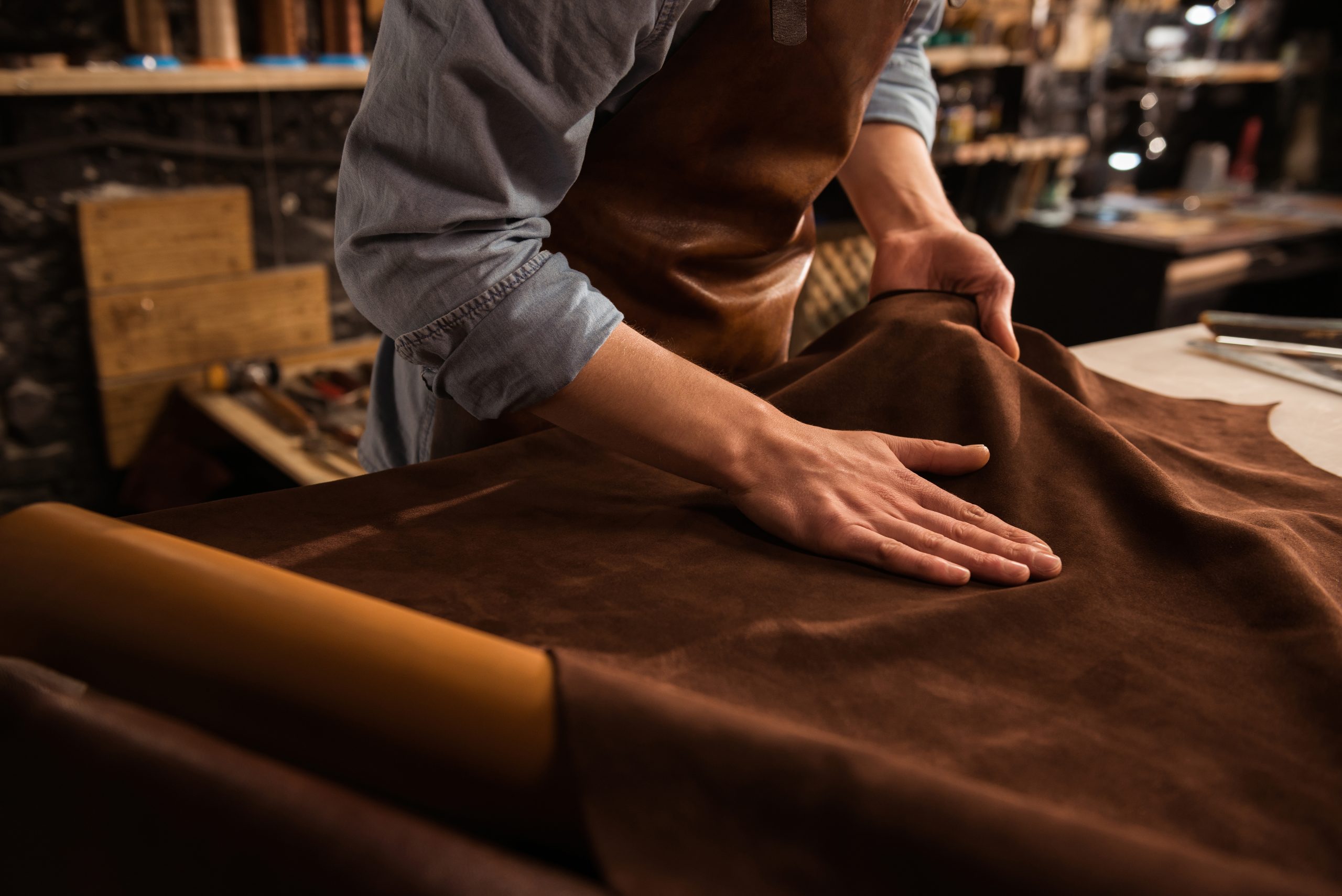
H&M is not primarily a leather retailer, but its sourcing strategy reflects a broader shift across fashion that directly impacts leather suppliers. The move toward leaner inventories and more responsive sourcing means that leather suppliers — who traditionally operate on longer production cycles tied to seasonal buying — must adapt to a faster, more volatile demand pattern.
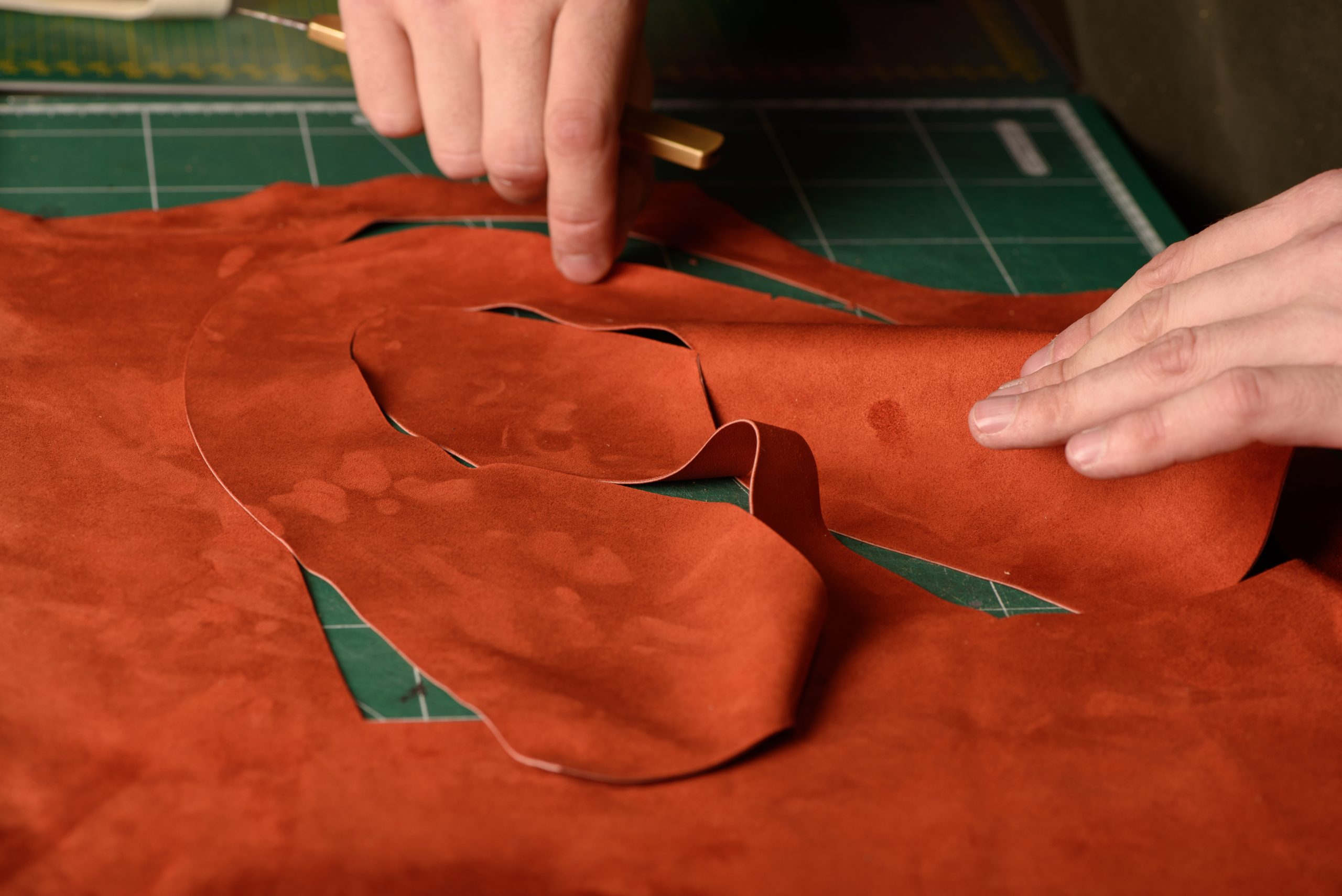
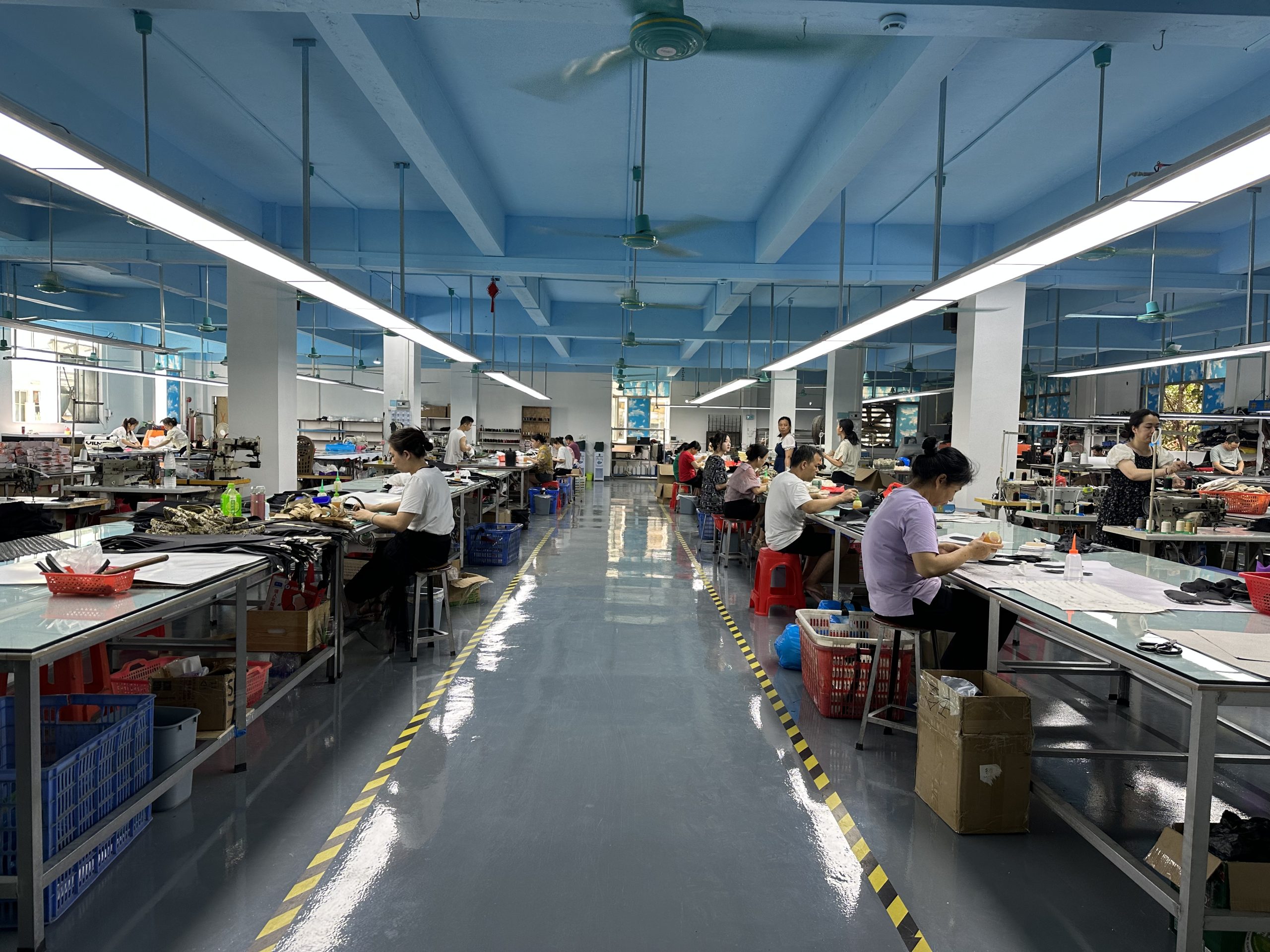
For tanneries and leather processors selling into fashion supply chains, the implication is clear: the era of large, predictable forward orders is receding. Brands want smaller batches, quicker turnaround and the ability to adjust quantities mid-season based on real-time sales data. Leather suppliers that can meet these requirements — through flexible production scheduling, rapid sample capabilities and digitised order management — will retain their positions. Those that cannot will find themselves displaced by more agile competitors or alternative materials.
The Restructuring Cost
H&M incurred SEK 679 million in restructuring costs during Q2, and reported operating profit after those costs was broadly unchanged at SEK 5.9 billion. The group is also closing approximately 170 stores while opening around 90 new ones in 2026 — a net reduction that reflects ongoing retail network optimisation. Expansion continues in Latin America, with Paraguay planned later this year and Argentina in 2027.
These structural adjustments are not peripheral. A smaller, more focused retail footprint means more concentrated demand patterns — fewer doors, but higher productivity per door. For suppliers, that means servicing fewer but more demanding accounts, where delivery precision and product quality carry amplified importance.
The Six-Month View
For the first half of FY2026, net sales totalled SEK 104.4 billion, down from SEK 112.0 billion. Gross margin improved to 53.8% from 52.3%, and operating profit before one-off costs rose 14% to SEK 8.1 billion. The trajectory is consistent: less revenue, better margins, tighter operations.
H&M expects June sales in local currencies to be roughly in line with the same month last year — a signal that the sales decline may be stabilising, though not reversing.
What Leather Suppliers Should Take from This
H&M’s results are a case study in what the fashion industry’s efficiency drive looks like in financial terms. The margin gains are real and impressive. But they are achieved through procurement practices that compress supplier operating conditions — shorter timelines, smaller orders, higher service expectations.
Leather suppliers who recognise this shift and invest in responsiveness — rather than clinging to traditional seasonal ordering models — will find opportunities in the new landscape. Those who ignore it will discover that their largest customers are learning to prosper with less inventory, and that “less inventory” means less predictable demand for the materials that fill it.
The retail margin story is not just a financial headline. It is a supply chain signal.
Source: International Leather Maker

中文