








title: “India-UK CETA: The $1.5 Billion Opportunity That Could Redraw the Leather Trade Map” original_url: “https://leathernews.org/india-uk-ceta-could-generate-1-1-5-billion-in-additional-leather-footwear-exports-over-the-next-3-years/” source: “Leather News”
India-UK CETA: The $1.5 Billion Opportunity That Could Redraw the Leather Trade Map
The India-UK Comprehensive Economic and Trade Agreement (CETA) is not just another trade deal. For the global leather and footwear industry, it represents a structural shift that could channel $1-1.5 billion in additional exports over the next three years — and reshape competitive dynamics across multiple markets.
The Deal’s Core Mechanics
On July 15, 2026, the Council for Leather Exports (CLE) joined the Department of Commerce at the CETA Flagging-off Ceremony in New Delhi, marking the start of duty-free export trade between India and the UK. The agreement’s most immediate impact: import duties of up to 16% on Indian leather and footwear products entering the UK have been reduced to zero.
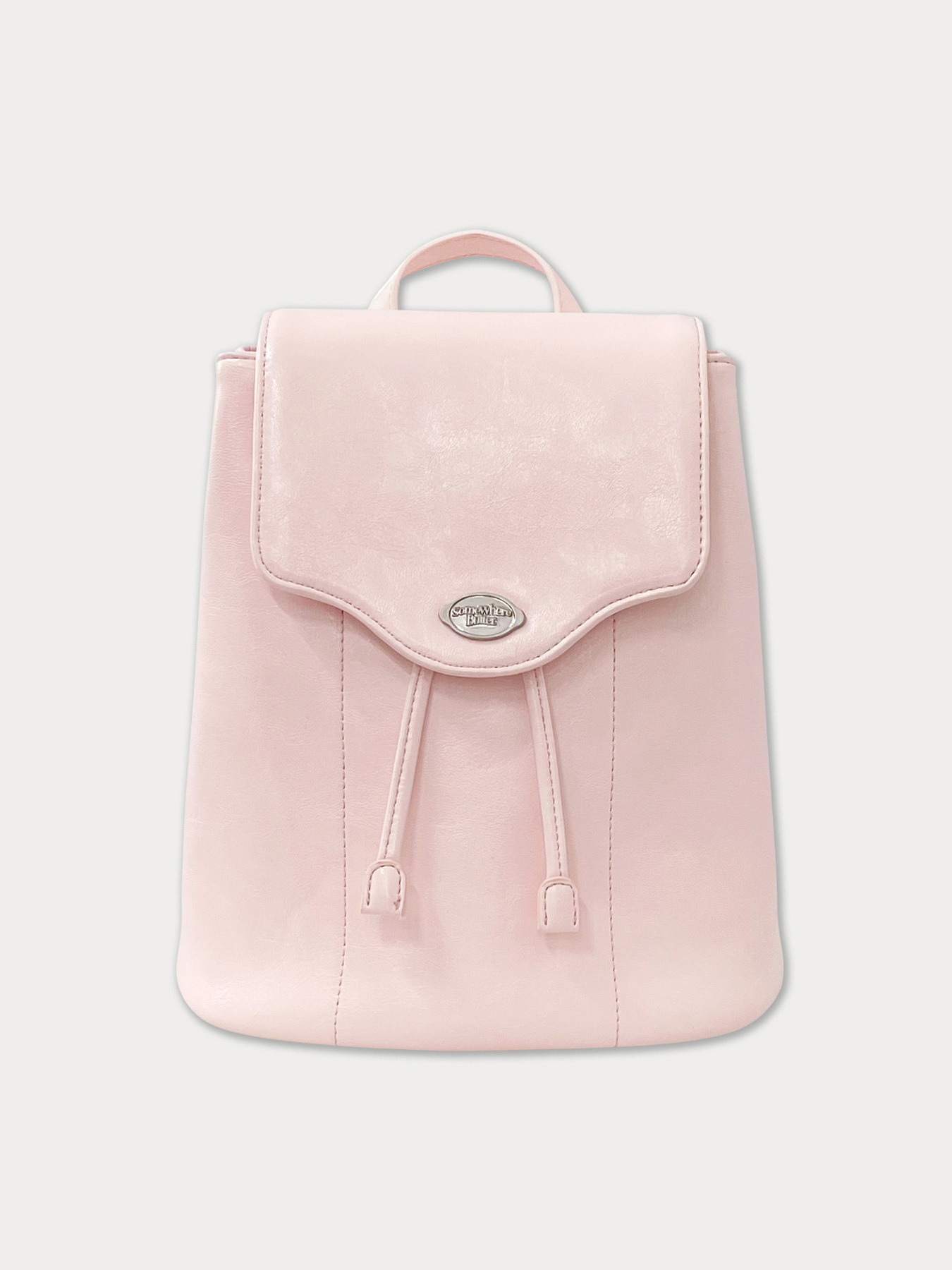
For context, India’s leather and footwear exports to the UK reached $419.67 million during FY 2025-26. The breakdown reveals a diversified export portfolio: leather footwear worth $228.7 million, leather goods worth $102.2 million, saddlery and harness worth $32.1 million, leather garments worth $28.9 million, footwear components worth $18.8 million, non-leather footwear worth $8.2 million, and finished leather worth $593,947.
Zero-duty access on a $420 million export base creates immediate pricing advantages. Indian products become more competitive against competitors from countries without similar preferential access — notably Bangladesh, Vietnam and China, all major leather and footwear exporters that must still navigate standard UK tariff schedules.
The Self-Certification Breakthrough
One of CETA’s most pragmatic innovations allows eligible manufacturer-exporters to self-certify Certificates of Origin. This provision enables UK importers to claim preferential duty benefits with fewer procedural requirements — reducing documentation, lowering transaction costs, speeding customs clearance and improving the overall ease of doing business.
For India’s thousands of MSMEs in the leather sector, this self-certification mechanism removes a barrier that has historically disadvantaged smaller exporters lacking the resources to navigate complex certification processes. It democratises access to the trade agreement’s benefits, extending the competitive advantage beyond large export houses to smaller manufacturers and artisans.
Why $1.5 Billion Is Achievable — and Possibly Conservative
CLE’s estimate of $1-1.5 billion in additional exports over three years rests on three pillars: improved market access (the zero-duty mechanism), stronger competitiveness (the pricing edge against non-preferential competitors), and increased buyer confidence (the structural certainty that a formal trade agreement provides).
The estimate may prove conservative if Indian exporters successfully diversify beyond their traditional UK product mix. Currently, footwear dominates the export basket at 54% of total leather exports to the UK. Leather goods at 24% represent a category with significant growth potential, particularly as UK consumers increasingly seek ethically sourced, sustainable leather products — a niche where India’s artisan traditions and growing sustainability credentials align well with market demand.
Competitive Implications Beyond India and the UK
CETA’s ripple effects extend well beyond the two signatories. Bangladesh, which has built a significant leather and footwear export sector around competitive pricing, now faces a direct challenge in the UK market. Vietnam’s footwear exporters, already benefiting from EU trade preferences, must now compete against an Indian sector that has gained similar advantages specifically for the UK. Chinese leather exporters, already confronting geopolitical trade barriers, find another market where preferential access favours a competitor.
The deal also has implications for UK retailers and brands. Lower import costs on Indian leather products could reshape sourcing decisions, potentially shifting procurement away from traditional supply chains in favour of Indian manufacturers who can now offer better value without compromising on quality.
The Longer Game
CETA’s benefits extend beyond tariff elimination. The agreement is expected to encourage investment, technological upgrades, product innovation and more sustainable manufacturing across the Indian leather sector. These secondary effects — harder to quantify but potentially more transformative — could strengthen India’s competitive position in markets well beyond the UK.
For the leather industry globally, CETA is a reminder that trade architecture matters. The countries that secure preferential access to major consumer markets will gain structural advantages that pure production efficiency cannot overcome. India has just secured such an advantage with one of the world’s most important retail economies. The question now is whether its leather sector can execute on the opportunity.
Source: Leather News — https://leathernews.org/india-uk-ceta-could-generate-1-1-5-billion-in-additional-leather-footwear-exports-over-the-next-3-years/

中文