





title: “One Factory Was Never Enough: Inside Iskefe’s Four-Tannery Gamble” source: https://leathernews.org/how-iskefe-leather-transformed-from-a-single-factory-into-a-specialised-leather-manufacturing-ecosystem/ date: 2026-08-05
One Factory Was Never Enough: Inside Iskefe’s Four-Tannery Gamble
Most tanneries solve the problem of variety the same way: cram everything under one roof. Lining leather on Monday, nappa on Tuesday, a rush order of suede on Wednesday, and somewhere in the schedule a batch of heavy technical leather for a safety boot contract that nobody wants to touch because it needs certification paperwork thicker than the hides themselves.
It works. It also quietly destroys margin, consistency, and the sanity of anyone running the finishing line.
Turkey’s Iskefe Leather decided to stop pretending otherwise. The group has dismantled the single-factory model entirely and rebuilt its operations as what it calls a specialised manufacturing ecosystem — four dedicated production units, each with its own technology stack, technical team, quality standards, and, critically, its own raw material specification. It is one of the more structurally interesting moves in European and Middle Eastern tanning this year, and it deserves more attention than a press release typically gets.
Four Factories, Four Disciplines
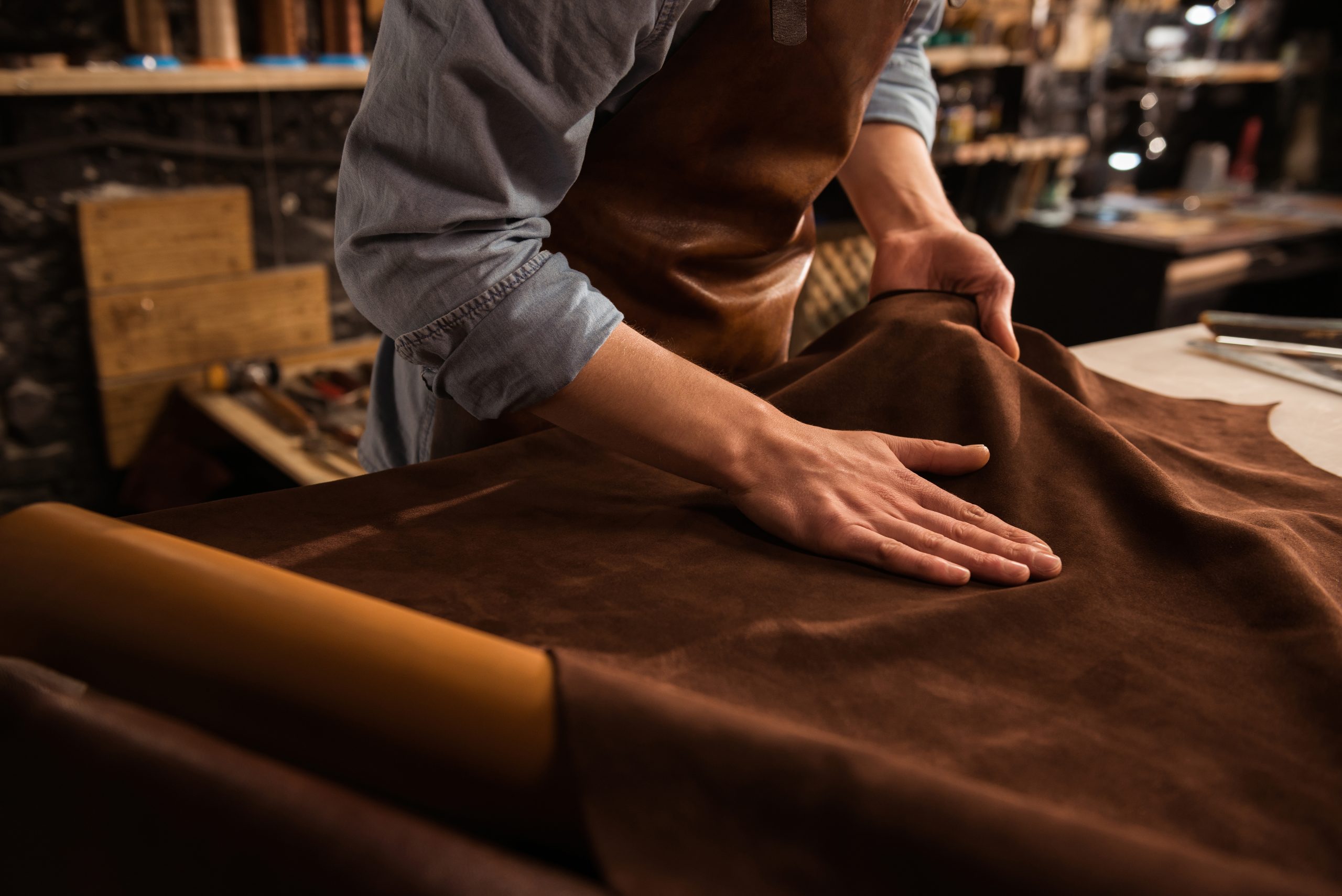
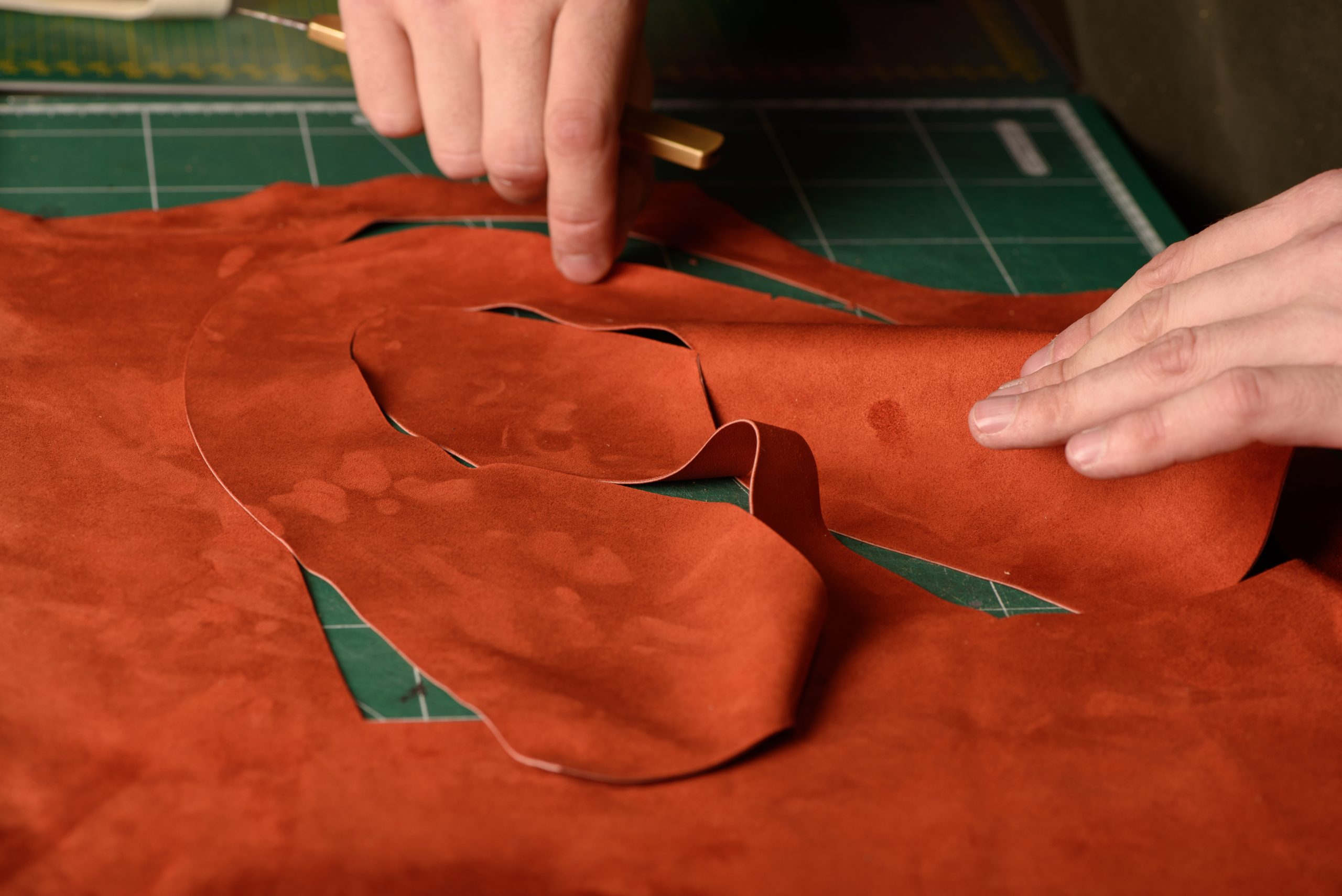
The architecture is deliberately clean. Iskefe Basic handles lightweight lining leathers. Iskefe Classic takes medium-weight nappa. Iskefe Colors does suede, and nothing but suede. Iskefe Unique produces heavy-duty technical leather for military footwear, safety footwear, and firefighting boots — the category where a failed abrasion test does not mean a returned order, it means a lawsuit.
Anyone who has spent time on a tannery floor understands immediately why this matters. Suede and technical leather are not variations on a theme; they are different crafts requiring different drums, different chemistry, different operator instincts and different tolerance for error. Running them in the same building means every changeover is a compromise, and every compromise shows up as inconsistency in the finished hide.
By giving each product family its own house, Iskefe removes the compromise. The trade-off is capital intensity and coordination overhead. The company is betting that consistency and flexibility are worth more than the theoretical efficiency of shared capacity.
The Collagen Refinery Is the Real Innovation
The manufacturing units get the headline, but the more consequential piece sits upstream. Iskefe operates what it calls a Collagen Refinery — a central sorting and allocation facility where every incoming hide and skin is assessed on quality and physical characteristics, then routed to whichever application suits it best.
This is where the model earns its keep. Rather than buying raw material against a fixed production plan and forcing marginal hides into the wrong article, Iskefe grades first and decides second. A hide that would be a mediocre nappa becomes a strong lining leather. A skin that fails the leather grade entirely does not become waste.
That last point is where the economics get genuinely clever. Raw hides and skins unsuitable for leather but meeting food-grade standards are diverted to Halavet, Iskefe Holding’s gelatin and collagen business, which processes roughly 10,000 tonnes of raw hides and skins every month into food-grade gelatin and collagen products.
Read that number again. Ten thousand tonnes a month is not a side hustle. It is a purchasing platform. It means Iskefe can buy raw material at a scale its leather operations alone could never justify, then allocate downward through the quality curve until nothing valuable is left on the table. Completing the structure is Iskefe Blue Tannery, which produces and commercially supplies wet-blue to international markets — another outlet for hides that fit better as an intermediate product than a finished one.
Why This Is a Strategic Signal, Not Just an Operational Tidy-Up
The leather industry spends a great deal of energy talking about circularity and byproduct valorisation. Much of that talk is aspirational. Iskefe has built the plumbing.
“This specialised manufacturing model enables each facility to focus on its core expertise while improving product consistency, strengthening quality control, optimising raw material utilisation and creating greater manufacturing flexibility to serve customers across a wide range of leather applications,” said Yusuf Aydemir, CEO of Iskefe Holding.
The corporate phrasing undersells it. What Iskefe has actually done is convert raw material risk into raw material optionality. In a market where hide prices swing violently and buyers demand ever-tighter consistency, having four specialised outlets plus a gelatin business plus a wet-blue trading arm means fewer hides get forced into the wrong destination.
There is a caution worth stating plainly. Ecosystem models add coordination complexity, and complexity is where operational discipline goes to die. Four factories mean four sets of overheads, four maintenance schedules, and a central allocation function that must be right almost every day. If the Collagen Refinery grades poorly, the whole structure misallocates in unison.
But the direction of travel is hard to argue with. As buyers push harder on traceability, consistency and waste, the generalist tannery running everything through one line looks increasingly like a legacy design. Iskefe has made a bet that specialisation plus intelligent raw material routing beats flexibility-by-improvisation.
Watch whether competitors in Turkey, Italy and India follow. If they do, the single-factory tannery will start to look like what it may already be: a model that survived on habit rather than logic.
Source: Leather News

中文