








Current Path:Home » Industry news » The text

Italian Leather Goods Hit a Wall: Exports Drop 3.7% as Only 10% of Companies See Better Days Ahead

Italian Leather Goods Hit a Wall: Exports Drop 3.7% as Only 10% of Companies See Better Days Ahead

Italy’s leather goods industry — long the aristocrat of global fashion manufacturing — is navigating its most difficult stretch in recent memory. Exports fell 3.7% to €2.35 billion in Q1 2026, revenue declined 3.5%, and a survey of industry members reveals that only 10% of companies expect conditions to improve in Q2. The numbers paint a picture not just of contraction, but of deepening pessimism.

The Export Breakdown

The headline decline masks an uneven geography. EU markets held steady with a 0.6% export increase, but non-EU markets — which account for more than 60% of total export value — dropped 6.1%. France, Italy’s largest export destination, grew 1.9%. Spain rose 5.7%, and the United States posted a respectable 7.5% increase. These Western markets are holding the line.

The damage came elsewhere. The Far East declined 4.5%, with Japan and South Korea recording double-digit falls. West Asia collapsed — exports to the region plunged 72% in March alone, dragging the cumulative decline to 45.3%. Russia fell 19.1%. These are not marginal adjustments; they represent structural demand erosion in markets that Italian leather goods had cultivated for years.

Export volumes fell 12.4% by weight, while average export prices rose 9.9% to nearly €160 per kilogram. The price-volume divergence tells a clear story: Italian producers are selling less but charging more, a strategy that protects margins in the short term but risks long-term market share as buyers seek alternatives.

Product Category Performance

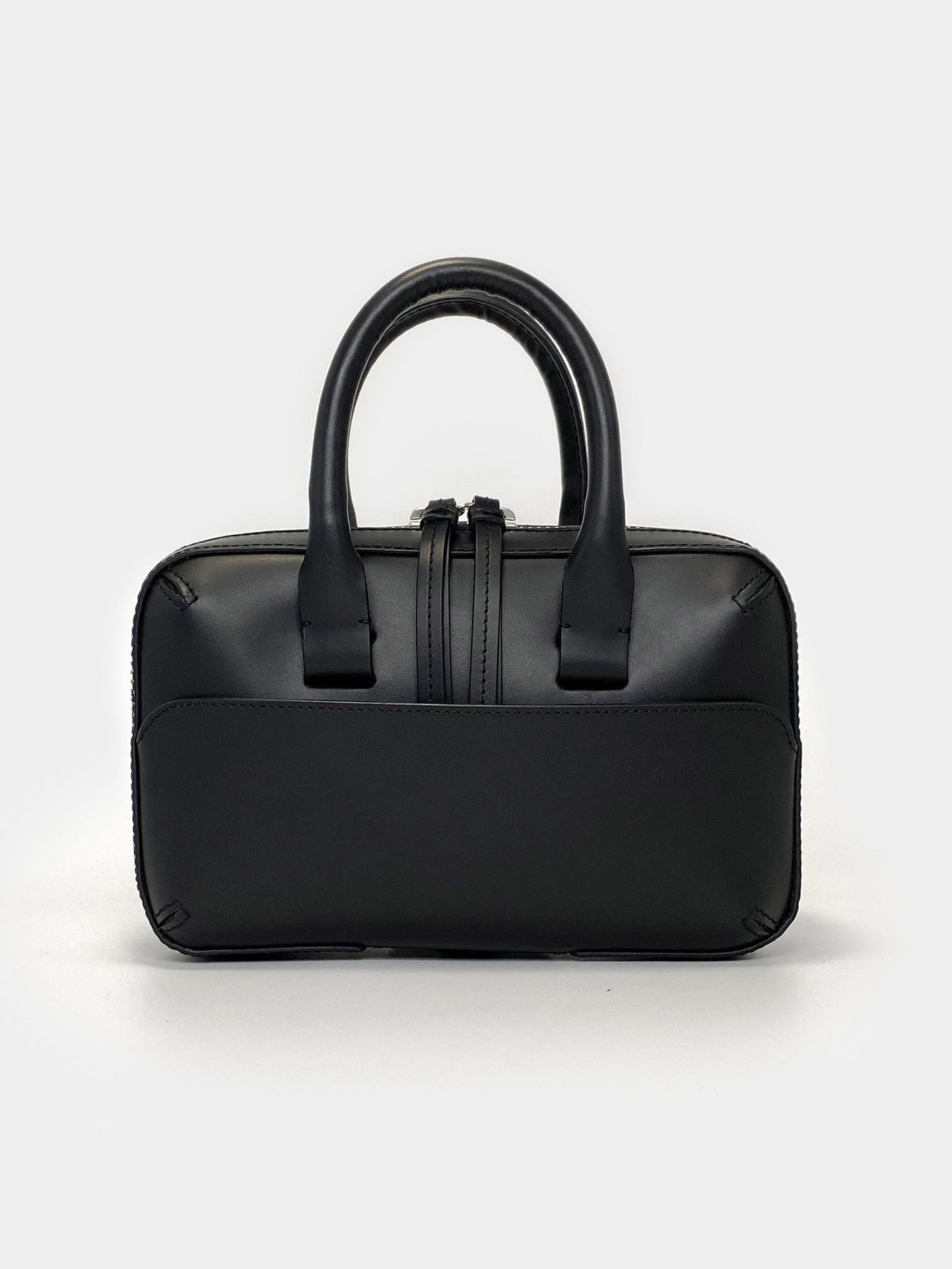
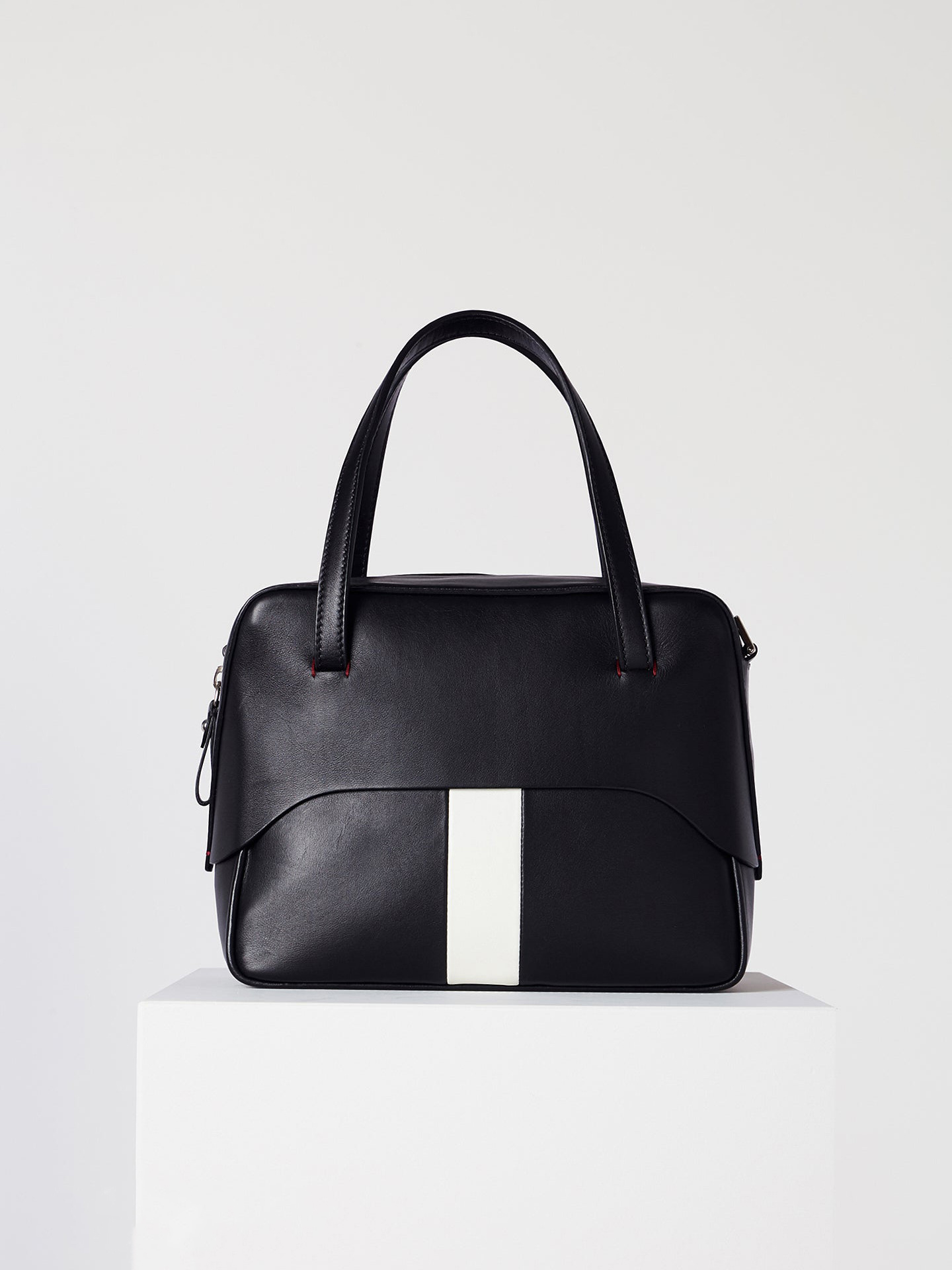
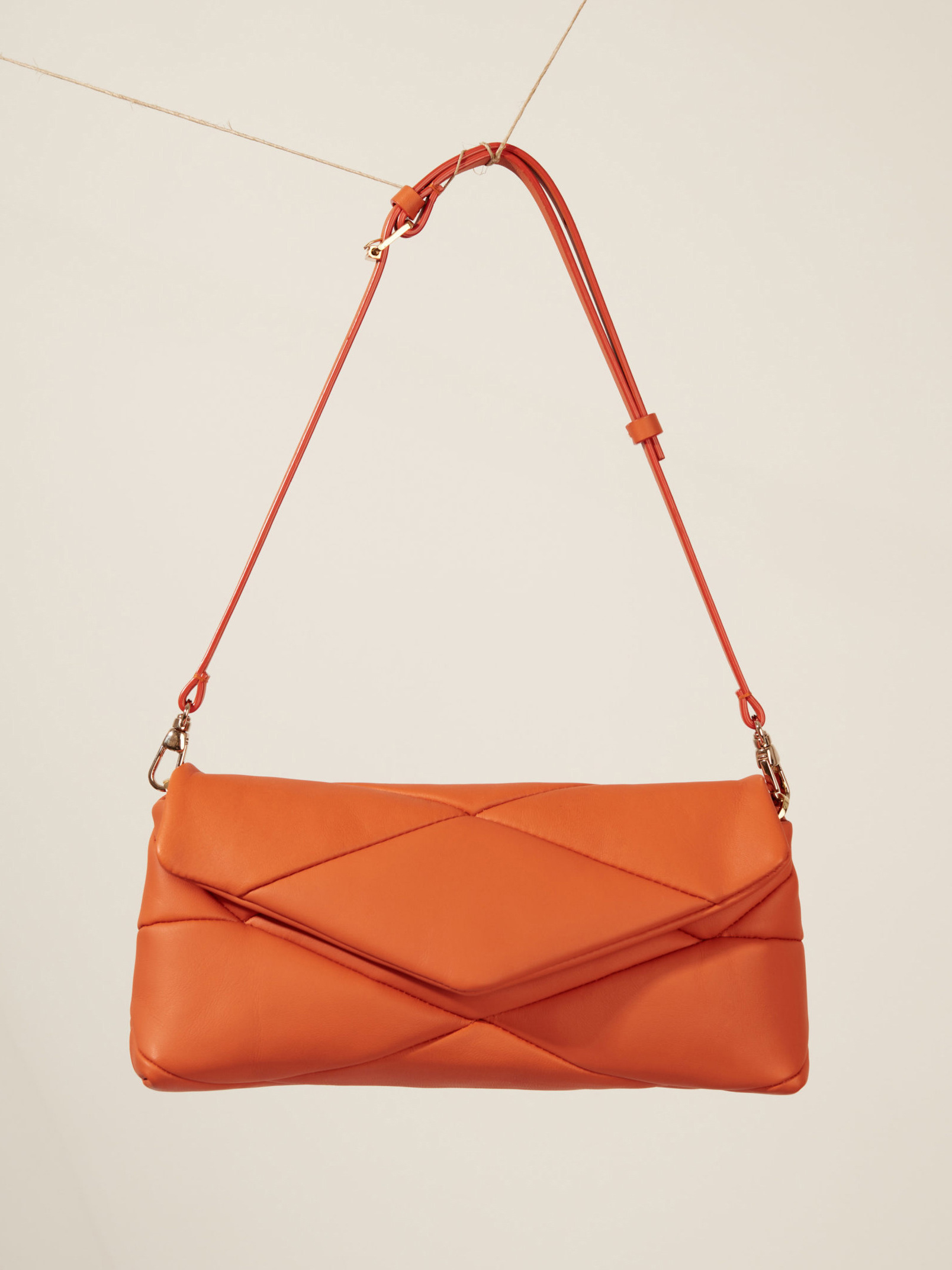
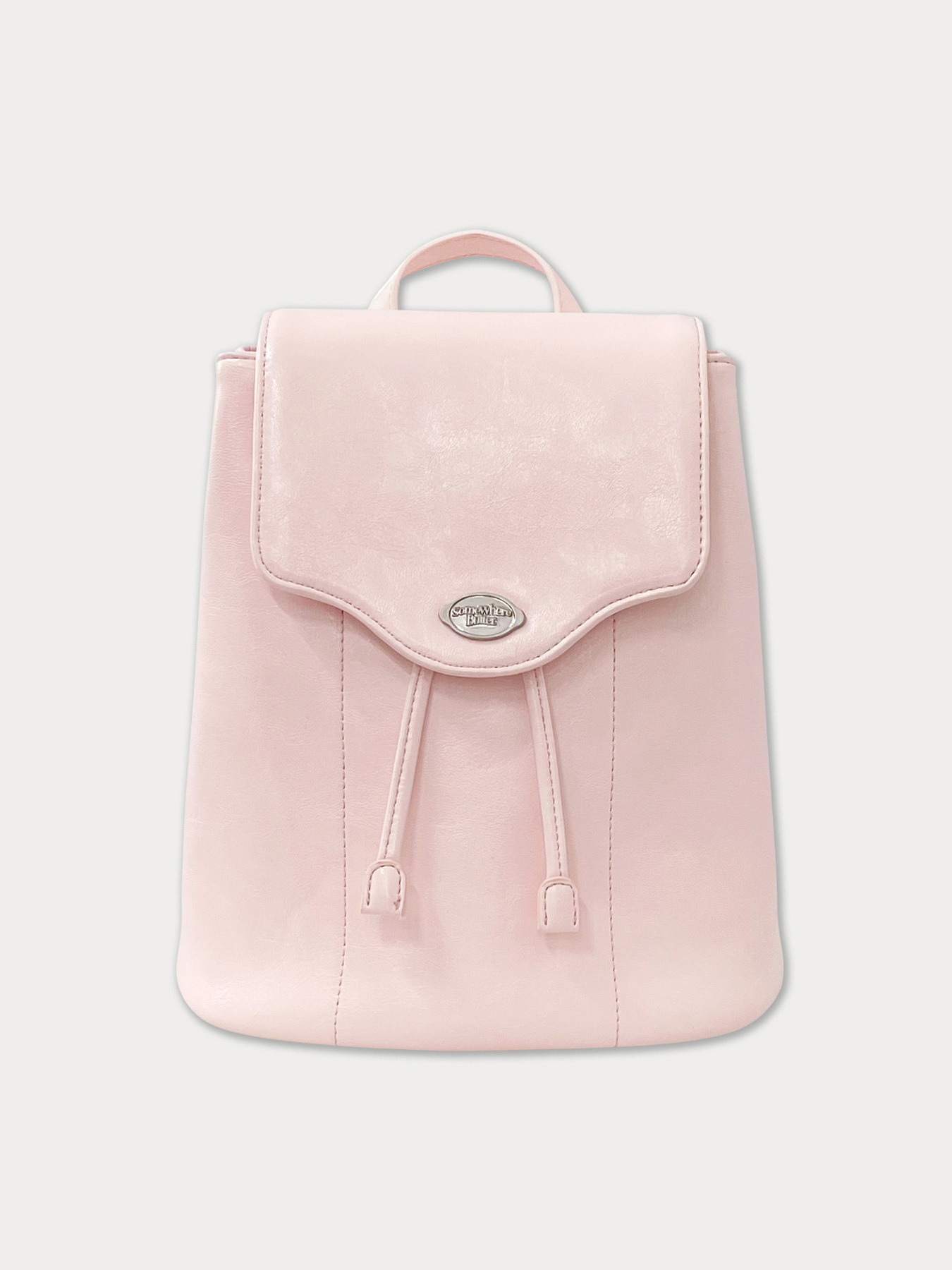
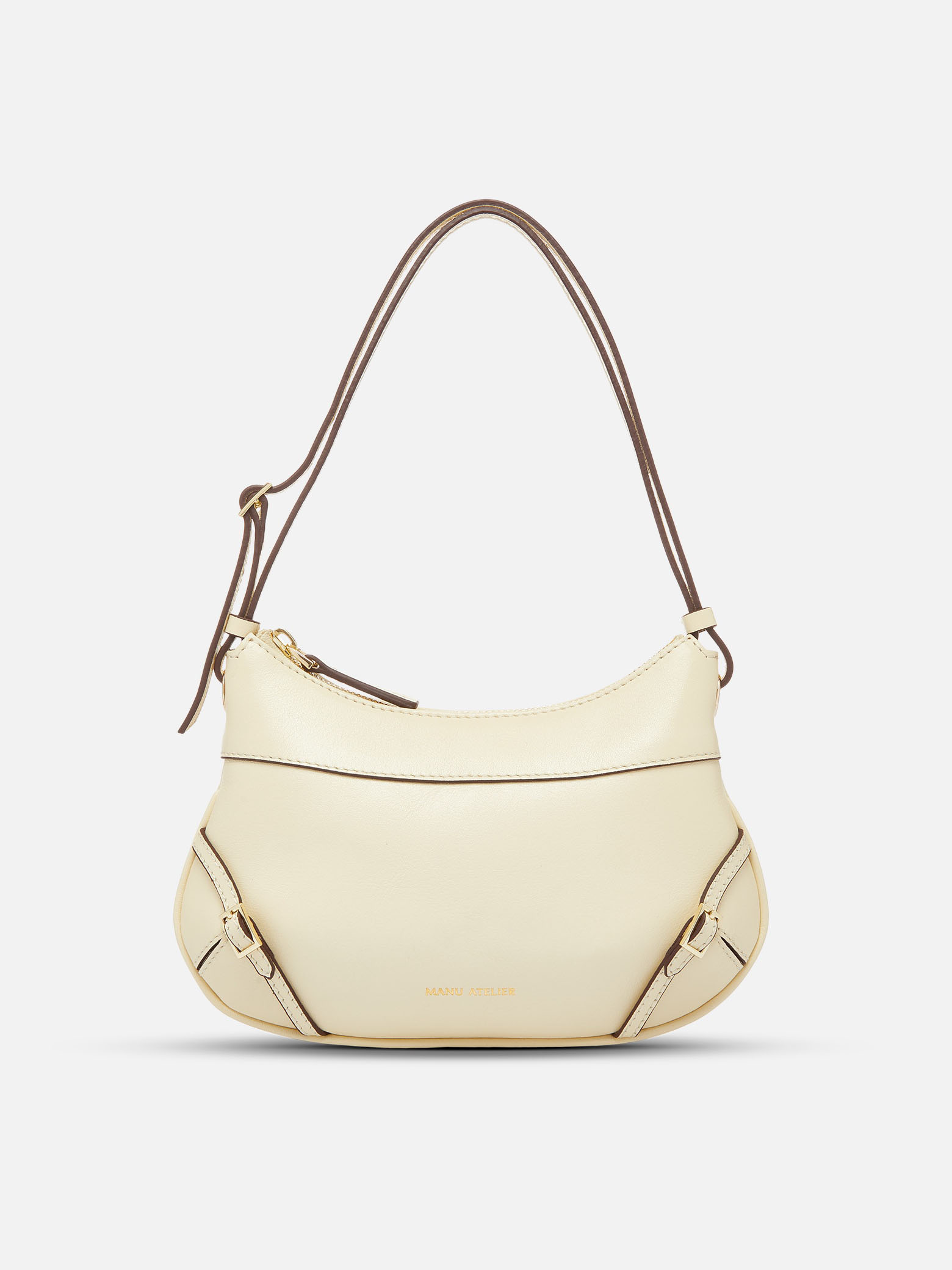
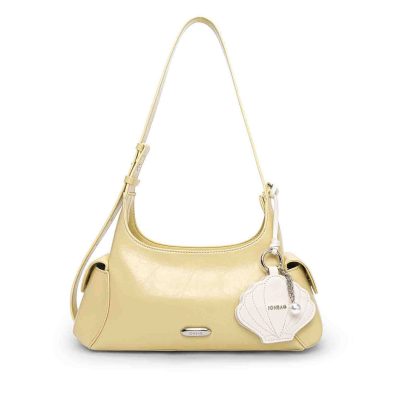
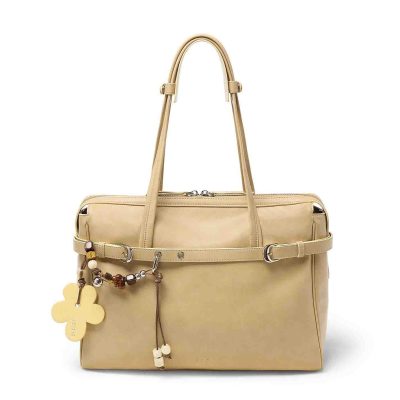
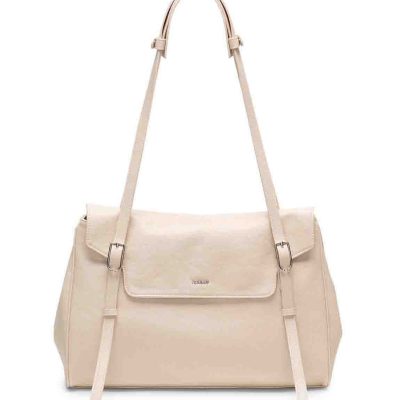
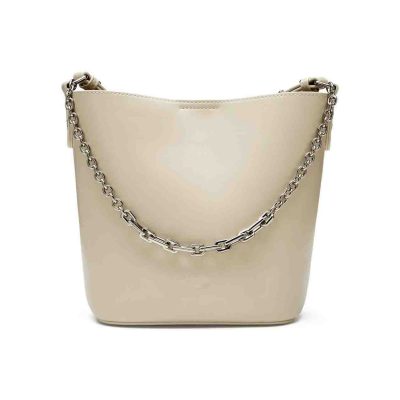
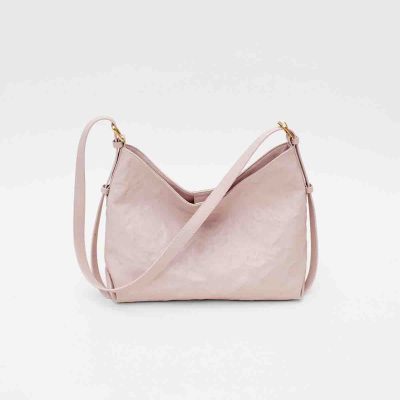
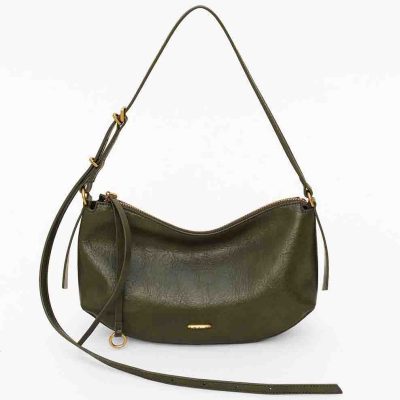
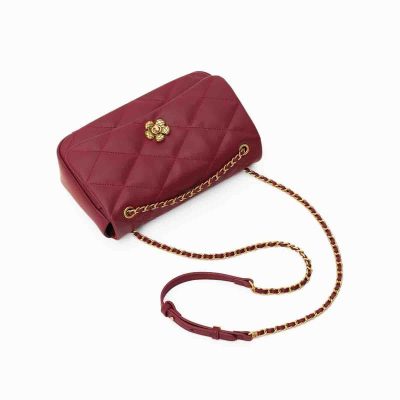
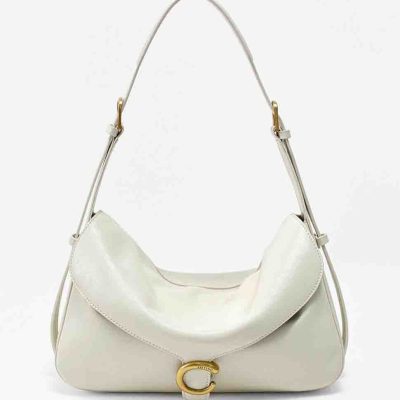
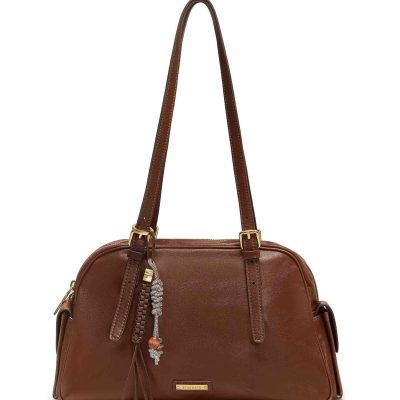
Handbags — the industry’s backbone, representing 72% of total leather goods exports at €1.7 billion — declined only 0.2%, essentially flat. Travel goods eked out a 0.7% gain. But smaller categories deteriorated sharply: small leather goods (wallets, key holders, pocket accessories) fell 12.7%, and belts dropped 11.7%. The pattern is consistent across European luxury sectors — premium handbags retain their appeal, but ancillary categories are losing traction as consumers consolidate spending toward fewer, higher-value purchases.

The Human Cost

The industry shed 595 workers in Q1, a 1.3% decline that leaves the total workforce at 46,803. Only Veneto and Lazio recorded employment growth. Active companies fell to 4,223, down 1.7% from December 2025, with the steepest declines in Campania and Tuscany — the regions most synonymous with Italian leather craftsmanship.

Claudia Sequi, President of Assopellettieri and MIPEL, put the situation starkly: “Half of the companies in our survey closed the first three months of the year in contraction, while both the number of active companies and employees continues to decline.” She highlighted an even more troubling signal: the share of entrepreneurs who fear they may need to reduce their workforce has jumped from 4% at the end of 2025 to 15% today.

Business Confidence at Low Ebb

The survey data is sobering. While 10% of companies expect improvement in Q2, 35% expect further deterioration. Revenue forecasts point to a 2% decline for April-June, with first-half revenue projected to fall 2.8%. The primary concerns are rising energy costs (cited by 80% of respondents), transport and insurance costs (75%) and raw material costs (70%).

These are not theoretical anxieties — they are cost pressures that directly compress margins in an industry already selling fewer units.

What Comes Next

Assopellettieri is pushing for concrete industrial policy intervention, pointing to the National Industrial Strategic Plan for Italy’s fashion system — presented to the government in April — as a roadmap for restoring competitiveness. The 130th edition of MIPEL, scheduled for September 13-15 at Fiera Milano Rho, will serve as both a marketplace and a bellwether for the sector’s trajectory.

The fundamental challenge is clear: Italian leather goods retain unrivalled brand prestige and craftsmanship credibility, but they are losing volume and confidence. The industry needs not just better market conditions, but structural support — energy cost relief, trade facilitation for non-EU markets and investment incentives for the smaller companies that are disappearing fastest.

Italy’s leather goods sector generated nearly €11.4 billion in revenue during 2025, including €9.7 billion from exports. It remains one of the country’s leading fashion sectors. But leadership without momentum is a fragile position. The Q1 data is a warning; the Q2 survey responses are an alarm.

Source: Leather News

未经允许不得转载:Galan Leather- Guangzhou Galan Leather Co., Ltd » Italian Leather Goods Hit a Wall: Exports Drop 3.7% as Only 10% of Companies See Better Days Ahead
Share to
Prev page
Next page

相关推荐

Contact Us
+86 177 0401 1789
Beijing time, Monday to Friday, 8:00 am to 11:00 pm
contact-img