
 中文
中文





MUNO Bets on Execution: New COO Marco Careglio Tasked With Turning Ambition Into Global Scale
MUNO names Marco Careglio as COO to drive operational excellence and accelerate global scale. What the leadership reshuf...
Learn more →
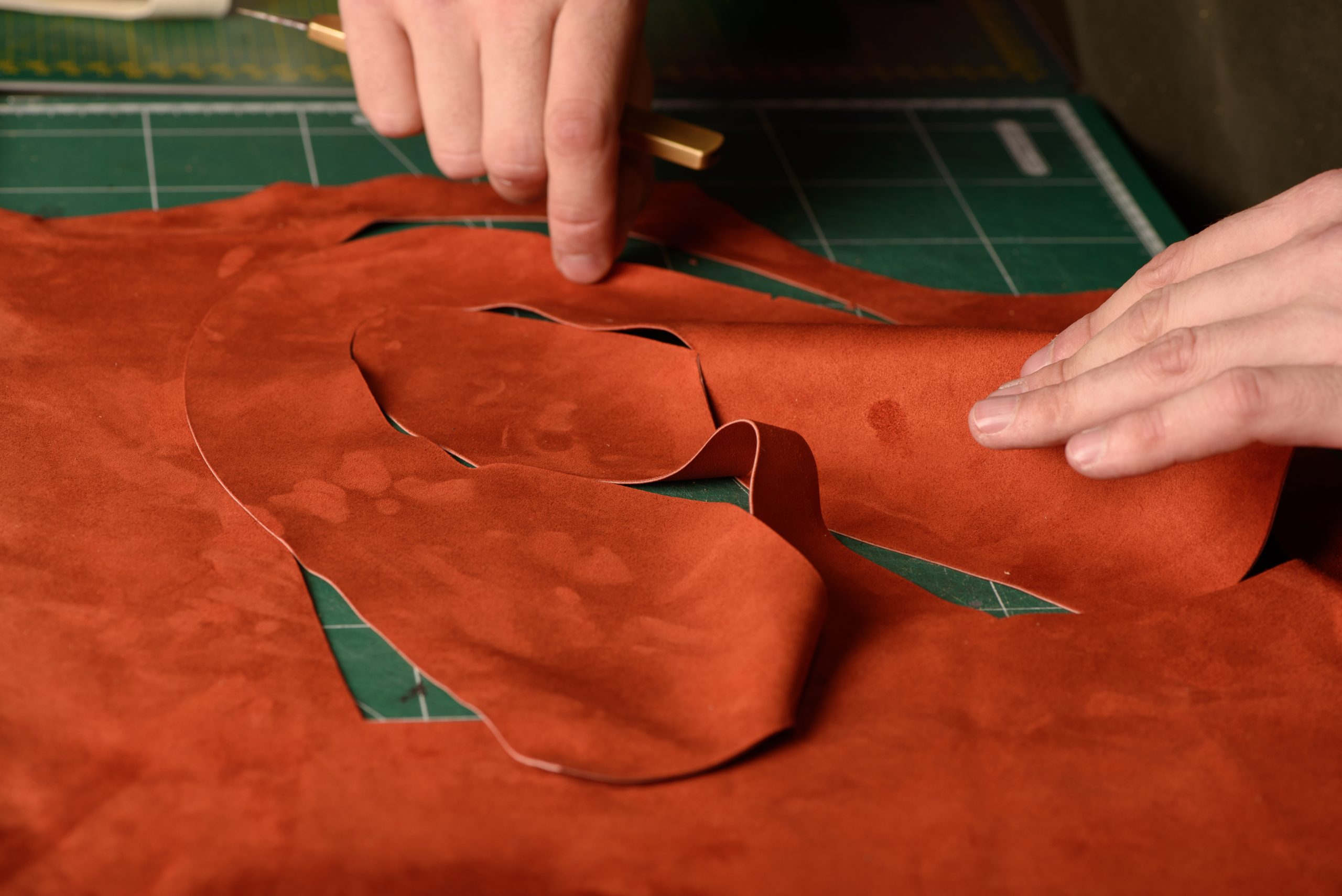
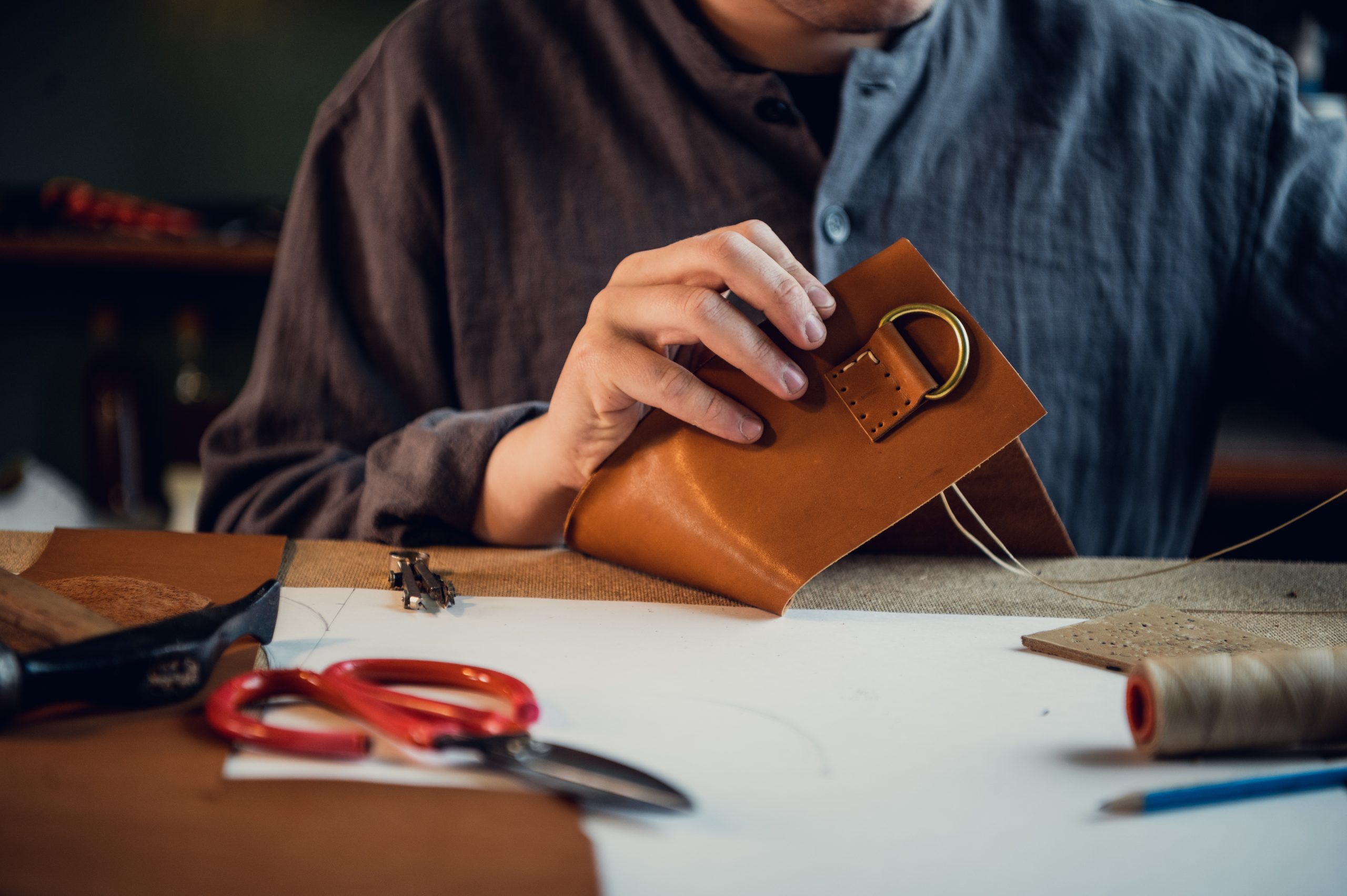
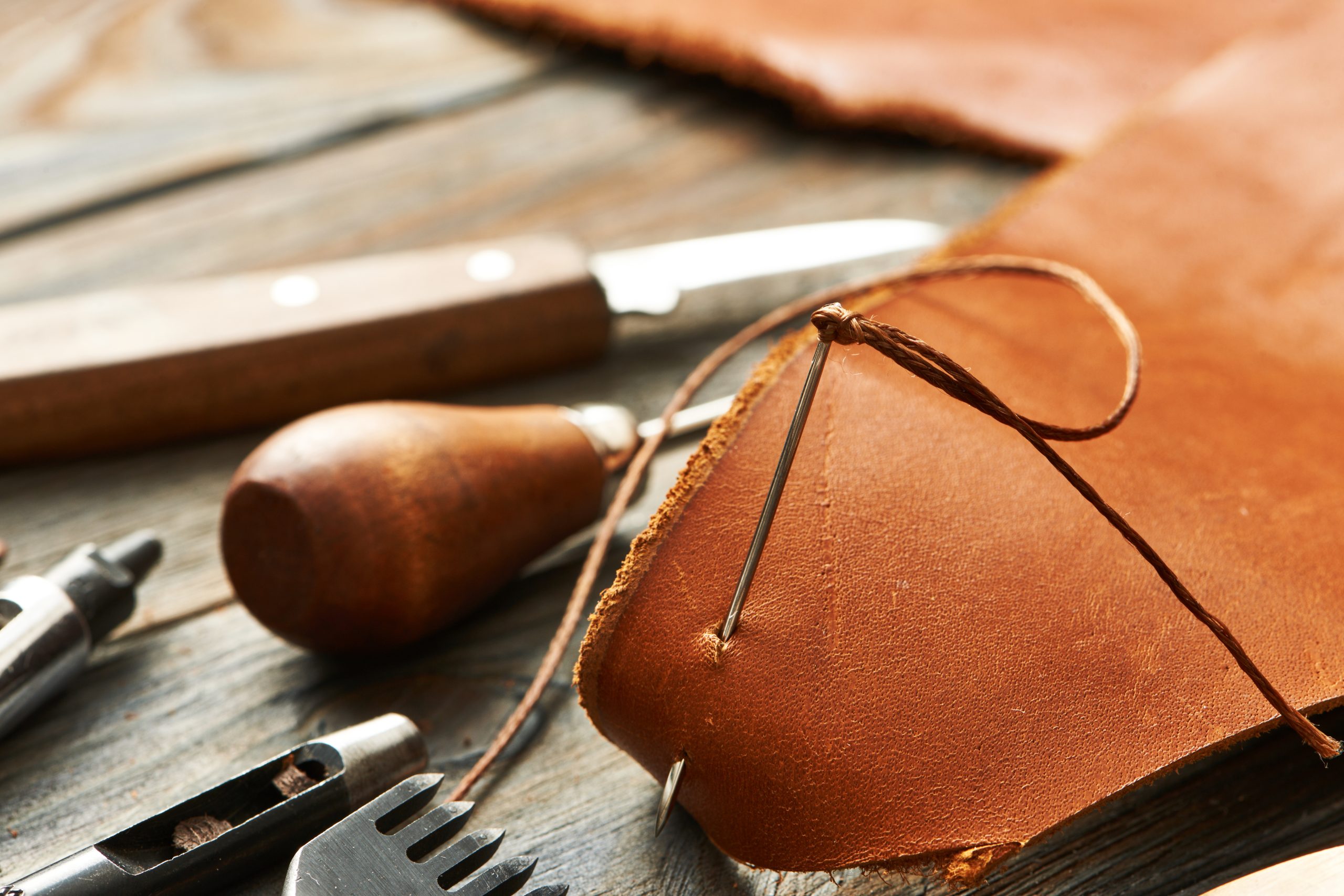

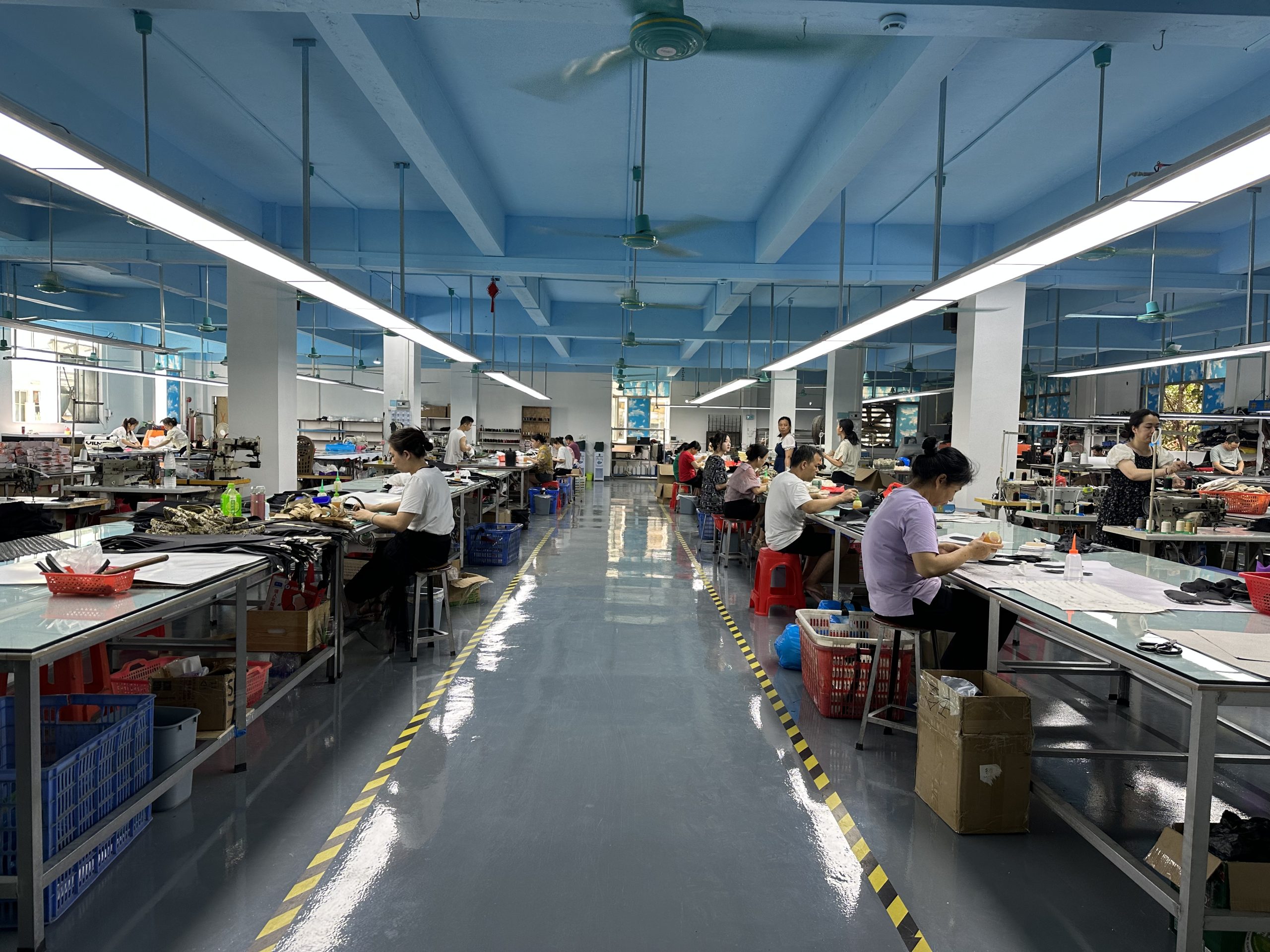
2006: Guangzhou was officially established, initiating cooperation with brands such as VASTO and Dissana.
2012: Production expanded to 3 production lines, connecting with domestic first- and second-tier brands, and obtained ISO9000 certification.
2018: Production base was reorganized, a dust-free workshop was built, and designer brands such as LOUIS QUATORZE were partnered with, achieving an annual output value of 20 million.
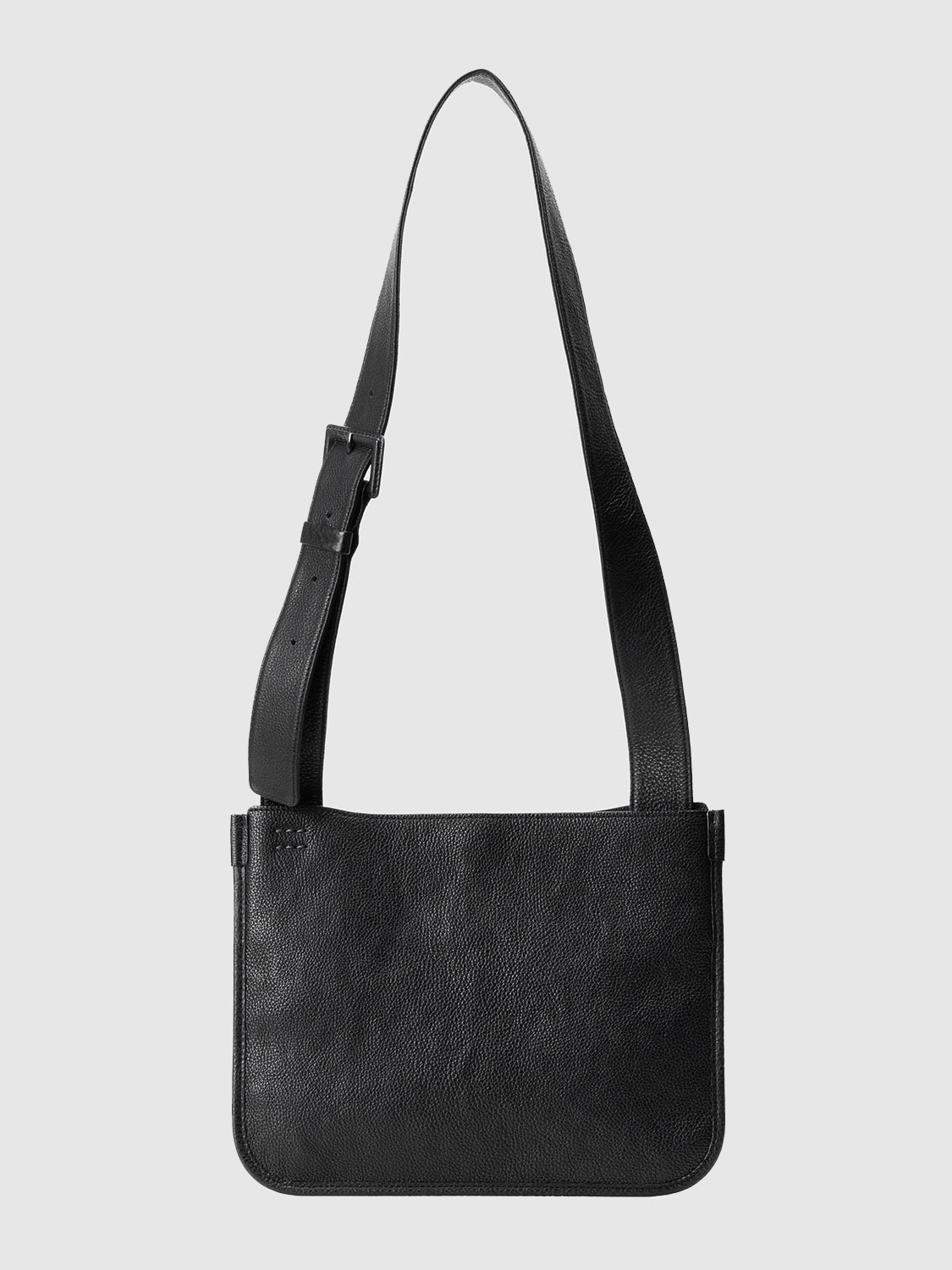
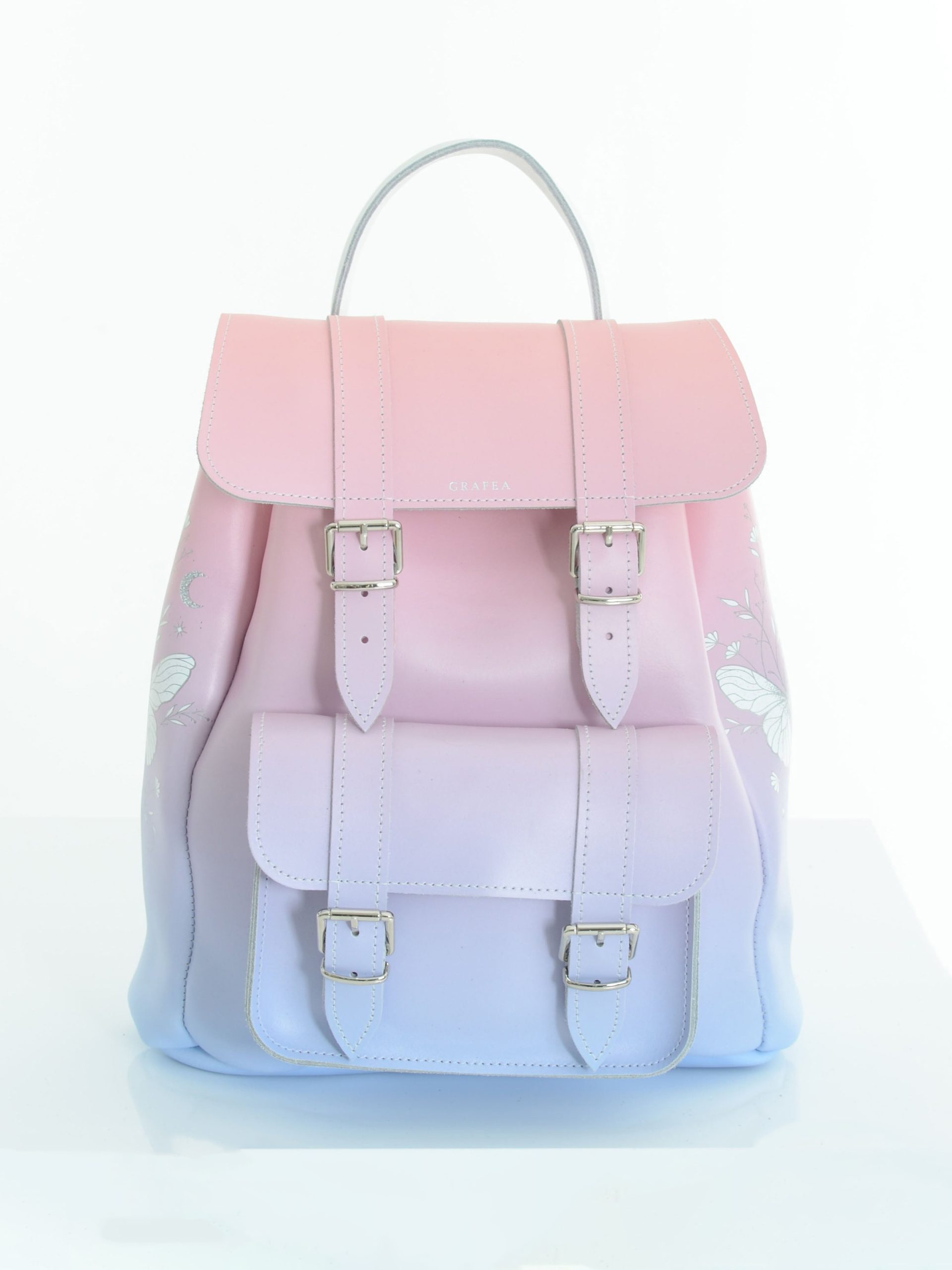
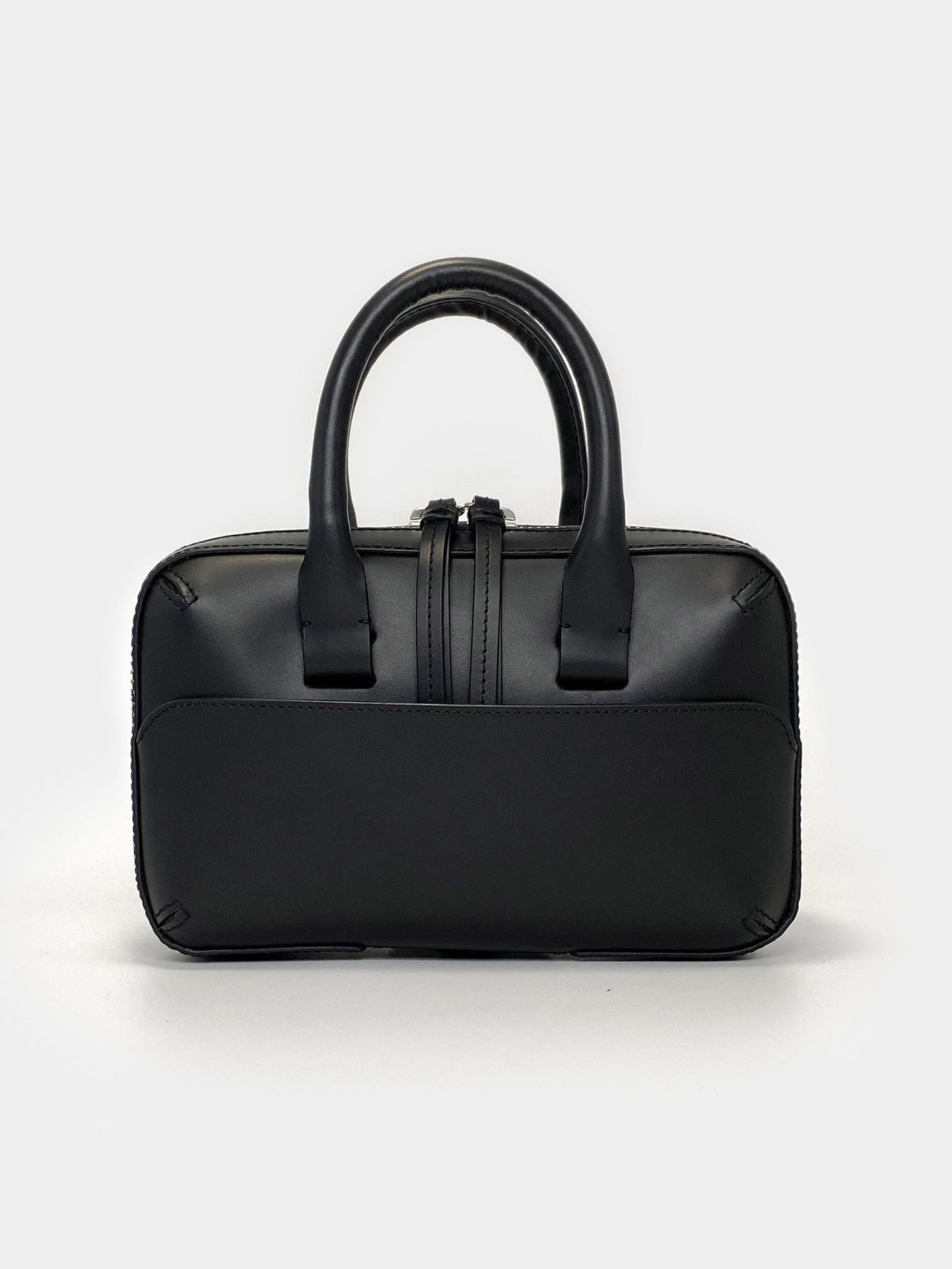
2022: The "2+1" model was implemented, strategically focusing on women's leather goods, and undertaking research, development, and processing for brands such as Red Valley and Goldlion.
2024: Comprehensive implementation of refined management, optimization of full-process quality control, deep cultivation of high cost-effective products, and long-term win-win cooperation
Forging quality with our original aspiration, never compromising on the slightest standard
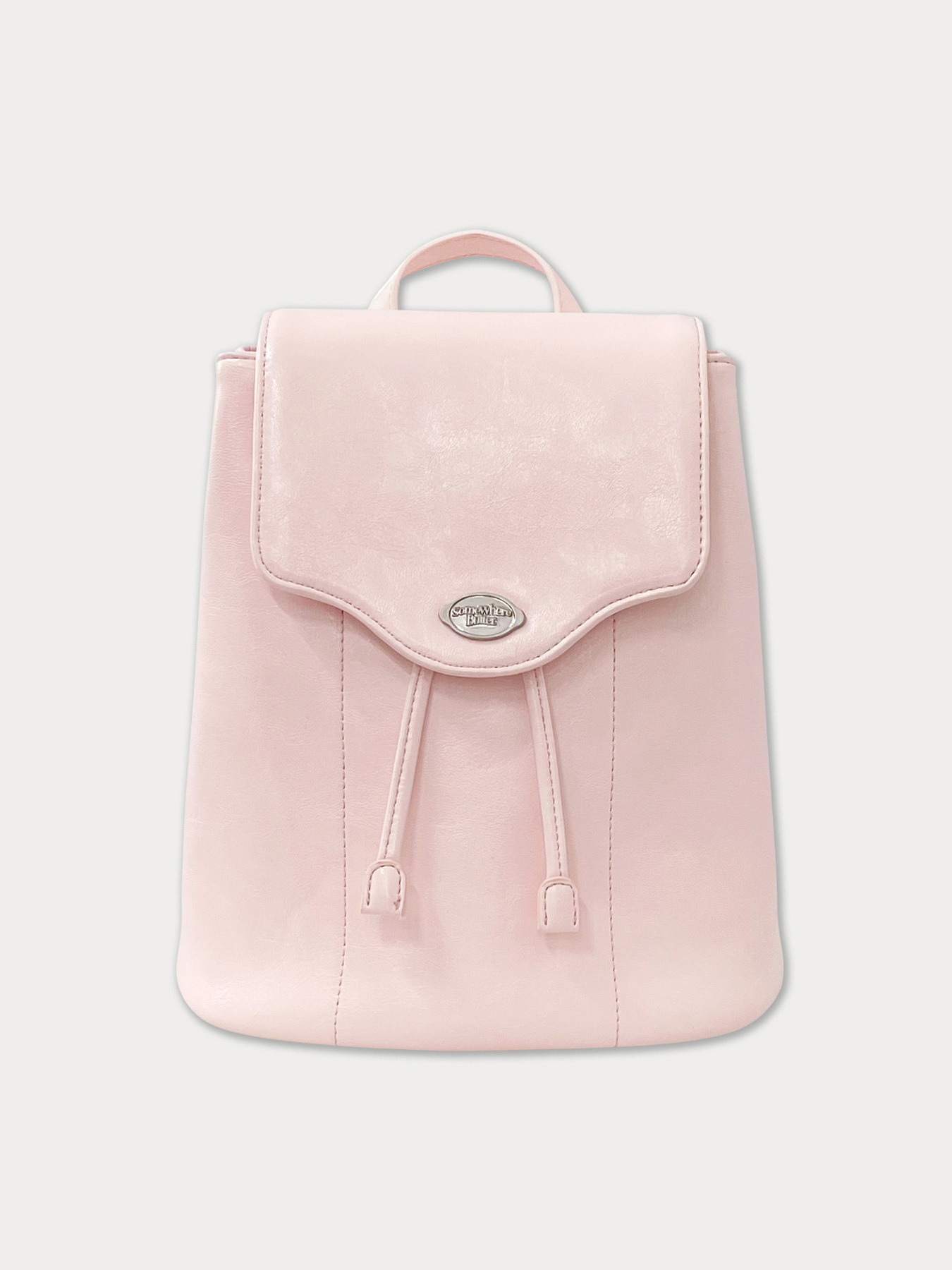
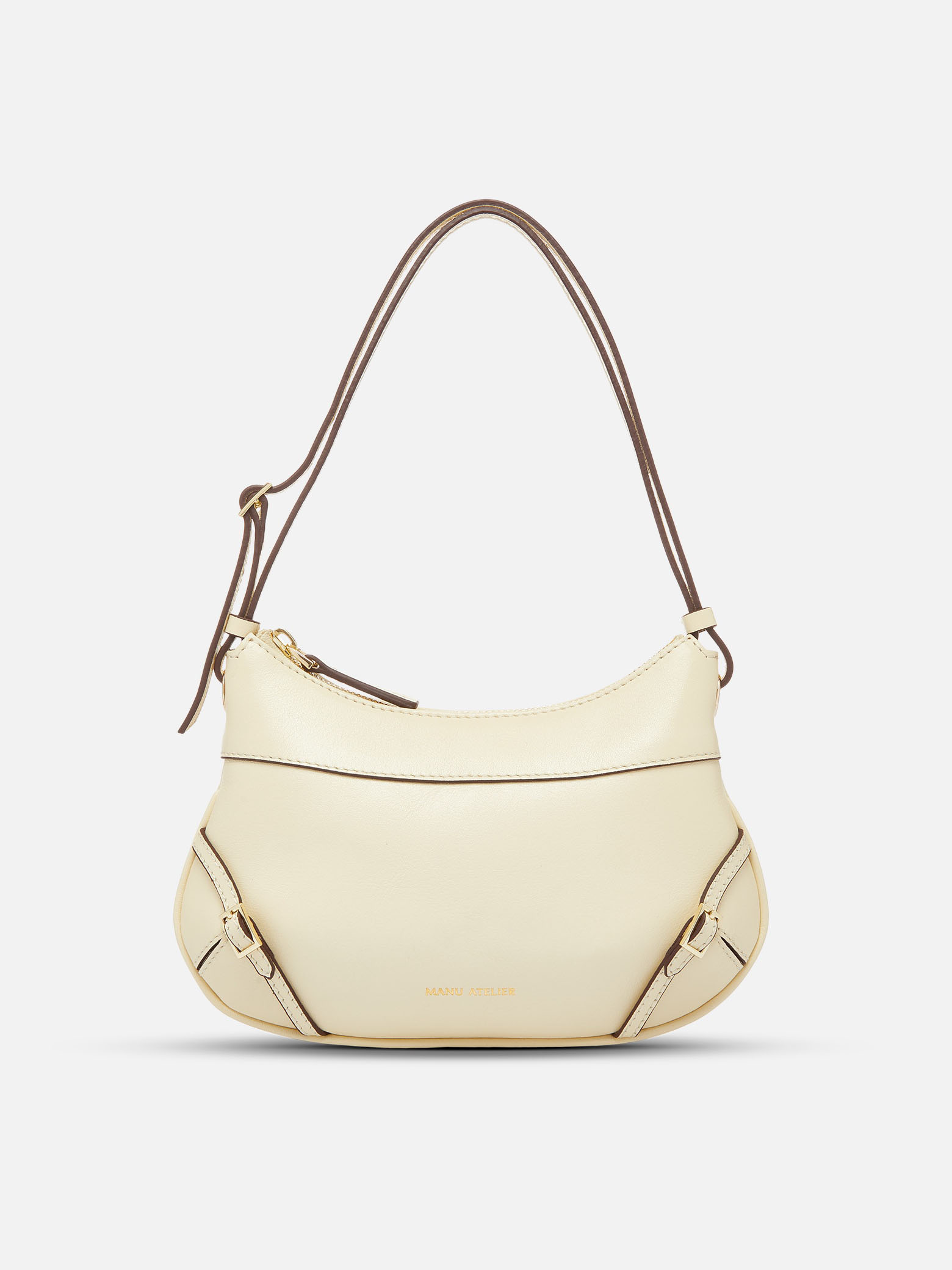
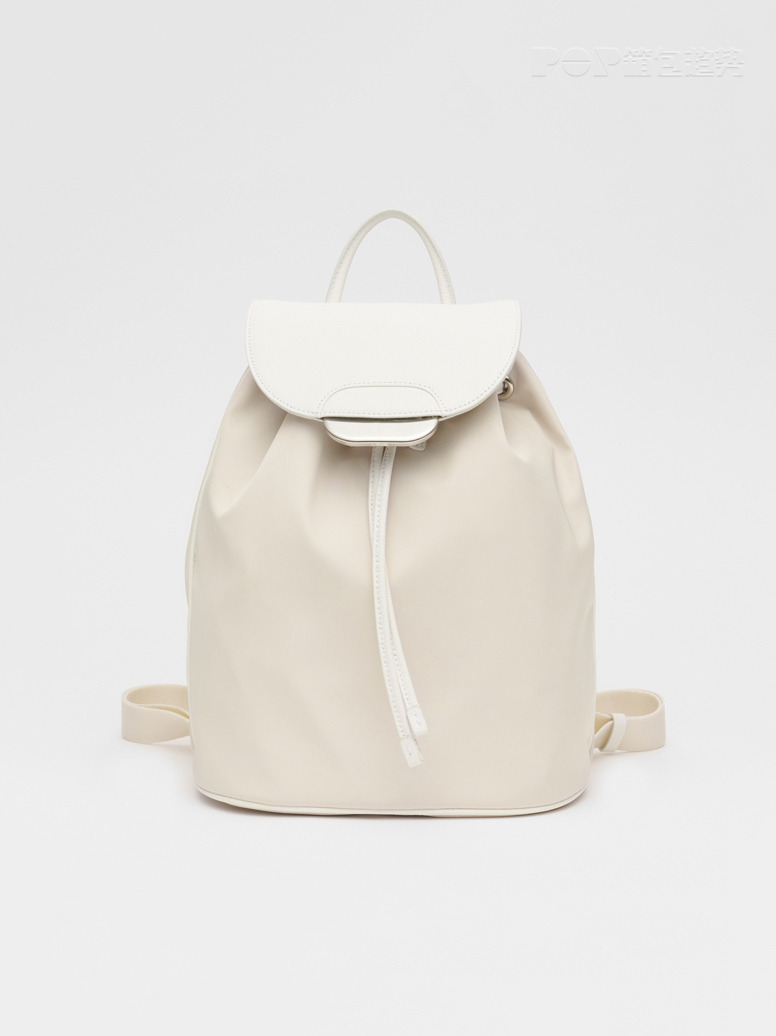
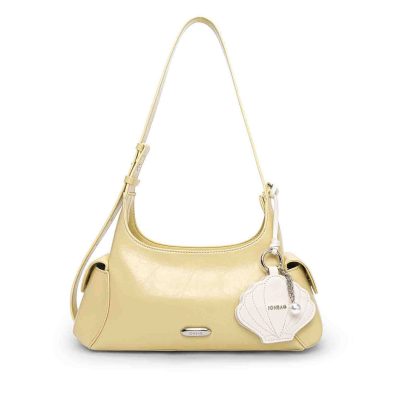
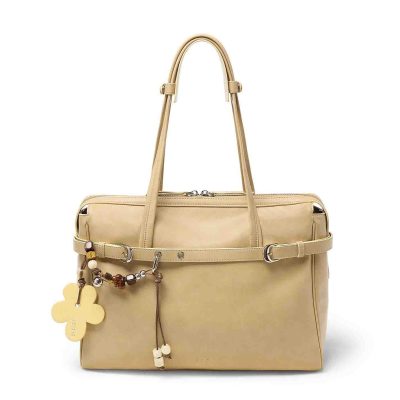
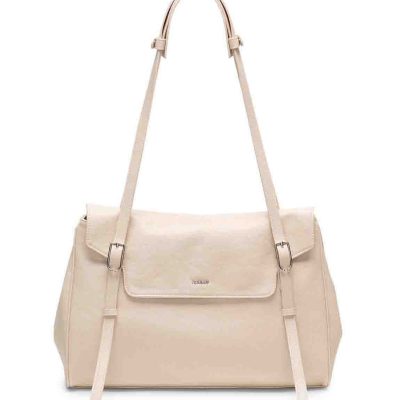
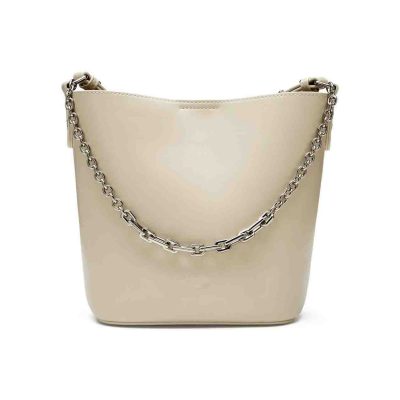

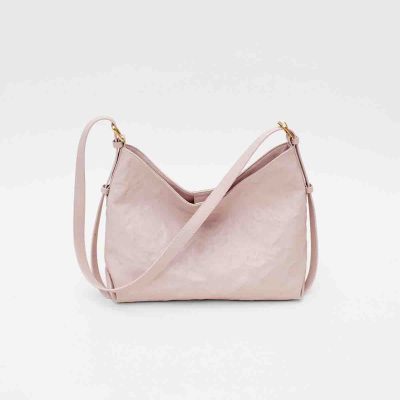
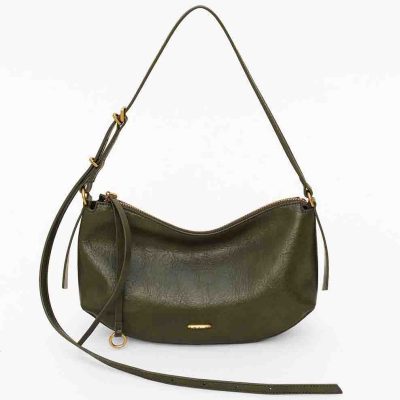
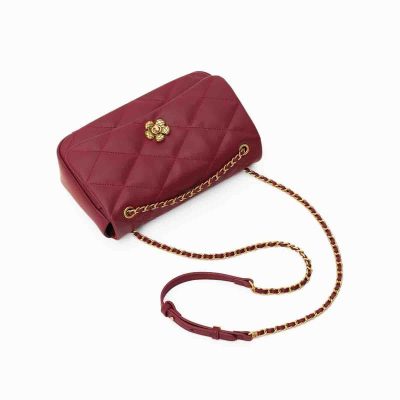
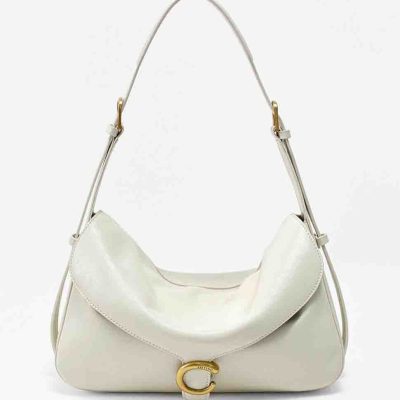
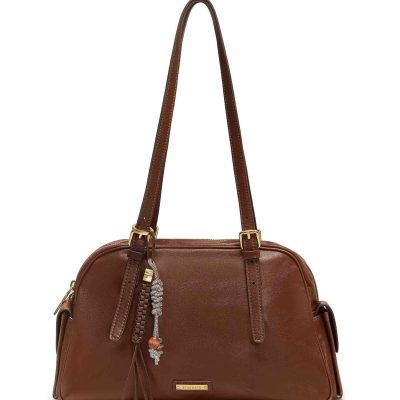
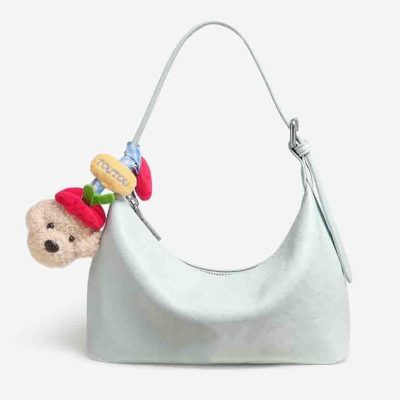
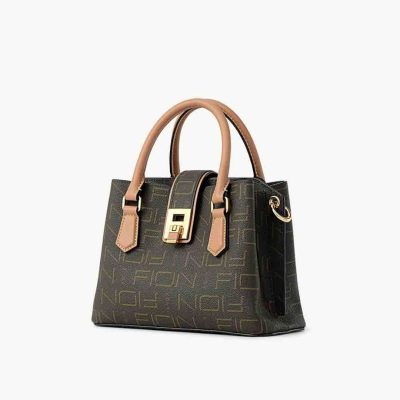

MUNO names Marco Careglio as COO to drive operational excellence and accelerate global scale. What the leadership reshuf...
Learn more →
Pakistan footwear exports fell 1.2% to $33.2 million in July-August 2026, but leather footwear volume rose by 8% as the ...
Learn more →
Pakistan Tanners Association has elected Muhammad Azam of Royal Leather Industries as Chairman for 2026-2028, with a new...
Learn more →
Frasers Group has acquired an 8.8% stake in Under Armour, about 16.6 million shares, betting on turnaround of the Americ...
Learn more →
Germany footwear market faces a third year of falling revenue in 2026 as shoppers embrace versatile sneakers, even as sp...
Learn more →