







title: “Kering’s Masterclass in Luxury Education: Why Training the Next Generation of Artisans Is a Billion-Dollar Bet” original_url: “https://www.worldfootwear.com/news/kering-expands-academy-for-excellence-with-education-partnerships/11641.html” source: “World Footwear”
Kering’s Masterclass in Luxury Education: Why Training the Next Generation of Artisans Is a Billion-Dollar Bet
In an era when artificial intelligence threatens to disrupt even the most tradition-bound industries, Kering is placing a remarkably human wager on the future of luxury. The French conglomerate’s latest expansion of its Academy for Excellence — a sweeping partnership with eight Italian educational institutions — isn’t merely a corporate social responsibility initiative. It’s a strategic move that could reshape how the entire luxury sector thinks about craftsmanship, talent, and long-term value creation.
The Partnership That Changes Everything
Kering has signed a memorandum of understanding with eight leading Italian educational institutions to establish what amounts to a nationwide training network. This isn’t just about classroom instruction; it’s about creating a seamless pipeline that connects in-house schools at iconic brands like Gucci, Bottega Veneta, Brioni, and Pomellato with external academic partners across Italy.
Led by Sabina Belli, who serves as both Head of the Kering Academy for Excellence and CEO of Pomellato, the initiative bridges four traditional pillars of luxury manufacturing — apparel, men’s tailoring, leather goods, and jewellery — while simultaneously embracing cutting-edge competencies in technology, artificial intelligence, and new materials.
Why Italy, Why Now?
The choice of Italy is no accident. The country represents the global epicenter of leather craftsmanship, artisanal heritage, and luxury manufacturing know-how. For Kering, which owns some of the most storied Italian leather goods houses, securing access to this talent pipeline is both defensive and offensive — protecting against a looming artisan shortage while positioning the group to lead in emerging areas like AI-assisted design and sustainable material innovation.
The new Kering Lounge, strategically located in Milan’s MIND Innovation District where the memorandum was signed, will serve as a physical hub for collaboration between partner institutions and Kering’s maison schools. This dedicated space for knowledge sharing and skills development sends a powerful signal: the future of luxury belongs to those who invest in it.
A Vision That Transcends Tradition
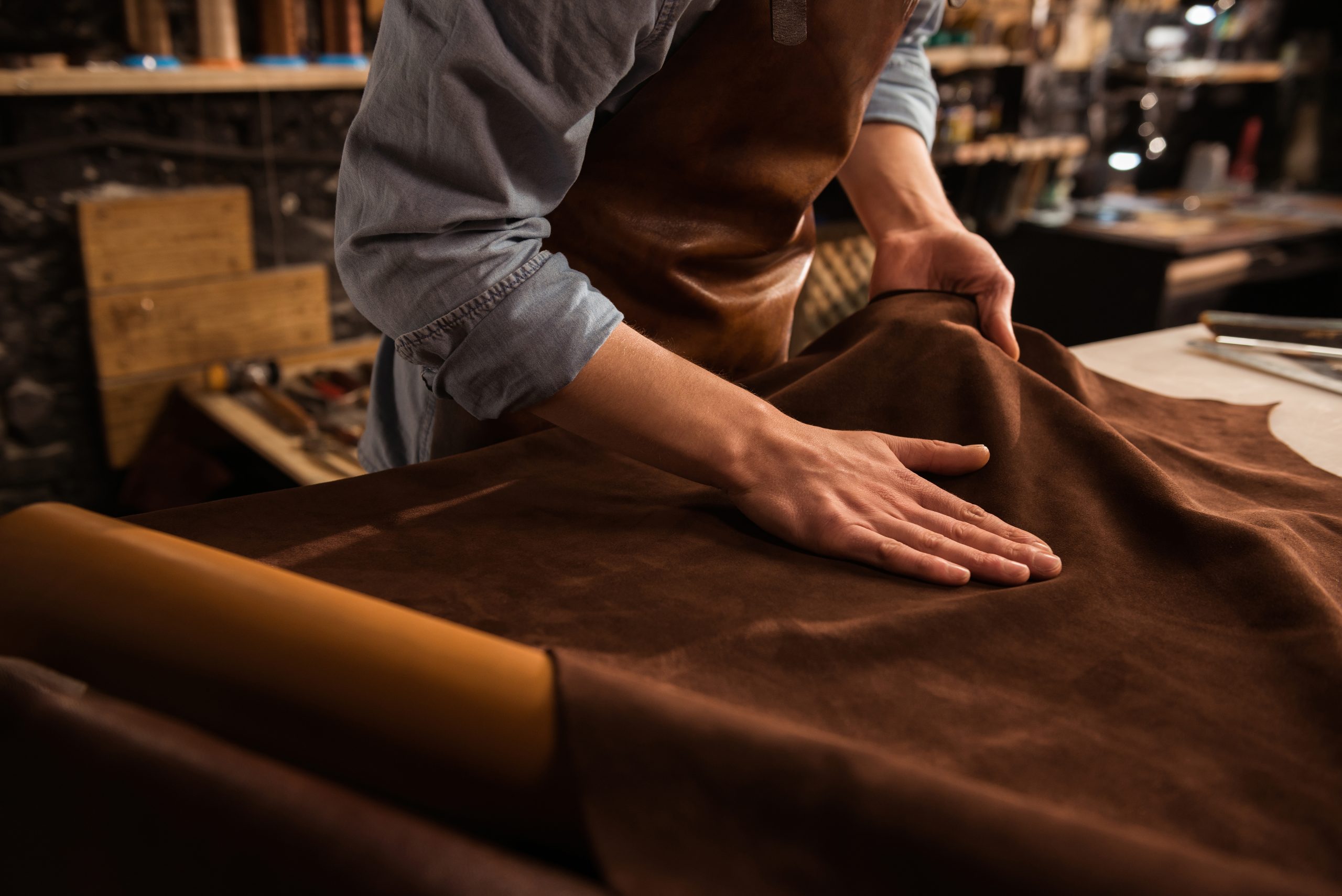
Belli articulated the philosophy driving this initiative with striking clarity: “With Kering Academy for Excellence we do not simply want to pass on techniques inherited from the past, but to transform traditional crafts into dynamic, contemporary professions that are strongly future-oriented. To respond to this change, we must combine the precious ‘intelligence of the hands’ with critical thinking, creativity and technological innovation.”
This vision matters enormously for the leather industry. For decades, the sector has grappled with an aging workforce, declining interest among younger generations, and the perception that artisanal careers offer limited prospects. Kering’s approach — reframing craftsmanship as a technology-infused, intellectually stimulating profession — could help reverse these trends and attract new talent to leather working.
The Think Tank Dimension
Beyond the education network, Kering has launched an advisory think tank to guide the Academy’s future development. Chaired by Belli and drawing together representatives from luxury, education, and culture sectors — including heavyweight institutions like Altagamma, the Politecnico di Milano, and the City of Milan — this body ensures the initiative remains responsive to evolving industry needs.
The think tank structure is particularly significant for the leather sector. It creates a formal channel through which industry concerns — from sustainability certification requirements to emerging material technologies — can influence curriculum design and training priorities.
What This Means for the Leather Industry
Kering’s investment sends several important signals. First, it demonstrates that major luxury groups view artisanal talent as a genuine competitive advantage rather than a cost center. Second, by integrating AI and new materials into traditional craft training, Kering is effectively predicting that tomorrow’s leather artisans will need a hybrid skill set — combining manual dexterity with digital literacy and material science knowledge.
For leather suppliers and tanneries, this evolution presents both opportunities and challenges. The opportunity lies in potentially accessing a better-trained, more technically sophisticated workforce. The challenge involves adapting processes and materials to meet the expectations of artisans trained in cutting-edge techniques.
A Long Game Worth Playing
The Kering Academy for Excellence, launched in April, represents a generational bet on the enduring value of human craftsmanship in an increasingly automated world. For an industry that has built its reputation on the irreplaceable touch of skilled hands, this initiative offers both validation and a roadmap for navigating the decades ahead.
Source: World Footwear — “Kering expands Academy for Excellence with education partnerships” (July 15, 2026)

中文