






Why Leather is the Ultimate Counter-Culture Statement in Our Dematerialised World
In an era of digital music, virtual meetings, cryptocurrency, and AI-generated art, the physical world often feels like an afterthought. We are told that the future is intangible—streamed, cloud-based, algorithmic. Yet, in this dematerialised landscape, an unlikely form of resistance is emerging. It is not digital, decentralised, or virtual. It is leather.
The Material That Refuses to Be Standardised
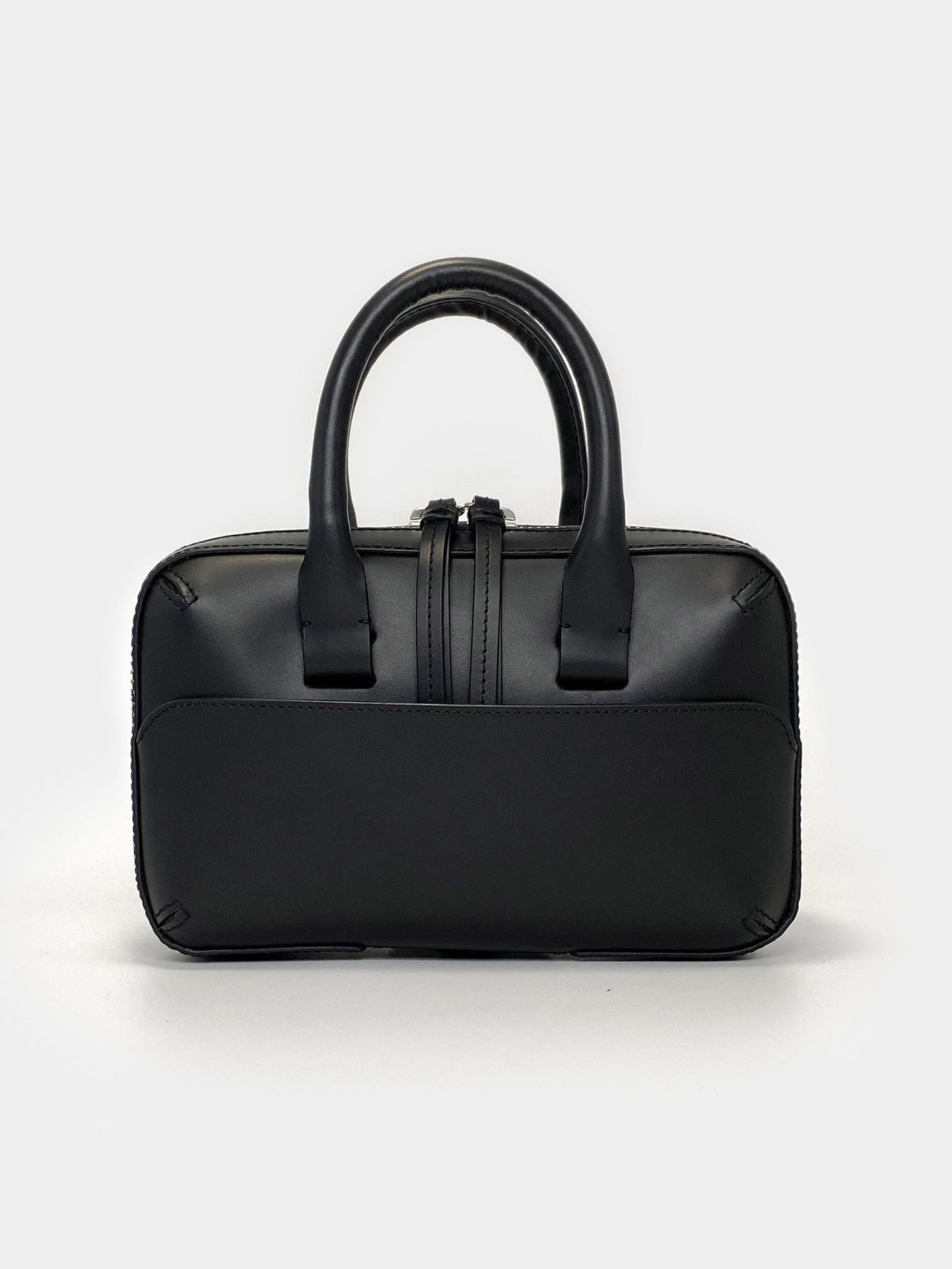
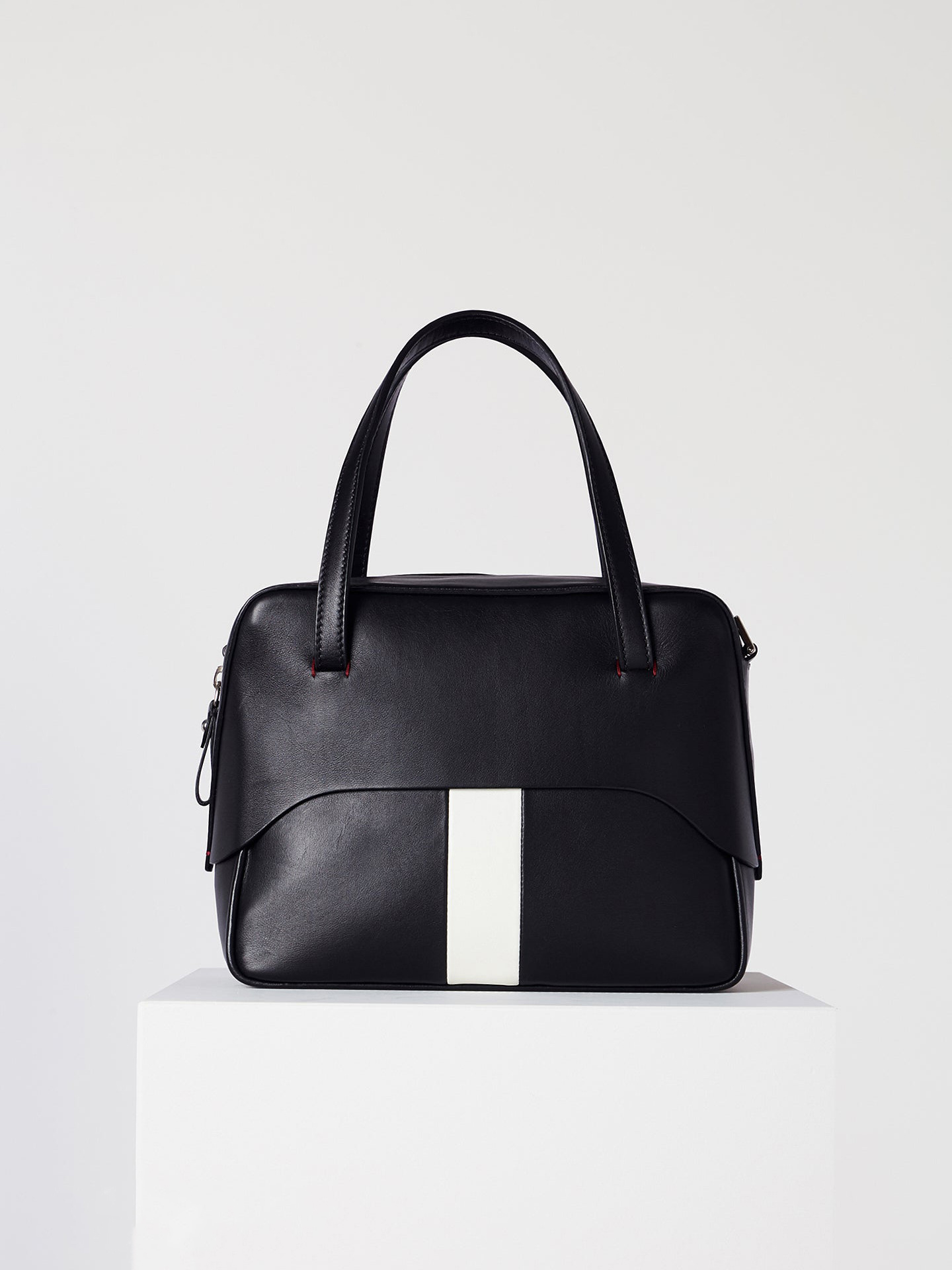
Leather is, and always has been, an anchor material for a large economic and social network of suppliers and product makers. Unlike many industrial materials and all of its substitutes, leather carries visible traces of its origins. Think of the grain appearance, growth marks, scars and blemishes, smell and patina.
What comes across in the micro-tanners conference that Mike Redwood recently attended is that leather and leather articles tell a story before and after manufacture. Beautifully and stubbornly, leather refuses complete standardisation. This is unusual in a world seeking uniformity and scalability. By contrast, a sheet of plastic is processed to be identical to every other sheet of plastic. No stories, no memories, no friends and communities; a short-lived production that becomes dirty and ugly in use, cannot be repaired and is soon thrown away and replaced.
The Hidden Materiality of the Digital World
Although sometimes a controversial term, dematerialisation remains a logical way to describe a modern world in which human experience migrates into digital, algorithmic, screen-mediated and virtual forms. Physical objects and tactile experiences are often sidelined in favour of convenience, speed and scalability.
In this context, materiality—the tangible, sensory and imperfect nature of physical things—becomes a form of resistance. Dematerialised culture is moving the material basis of experience underground. It is to be found increasingly in server cities, undersea cables and rare-earth-mined products that we never see or touch. The “dematerialised world” is, in this reading, a world of enormous consumption, and of hidden and alienated materiality. To hold up leather as something irreducibly physical is to make visible what the digital economy wants to render invisible.
Leather as a Challenge to Dematerialisation
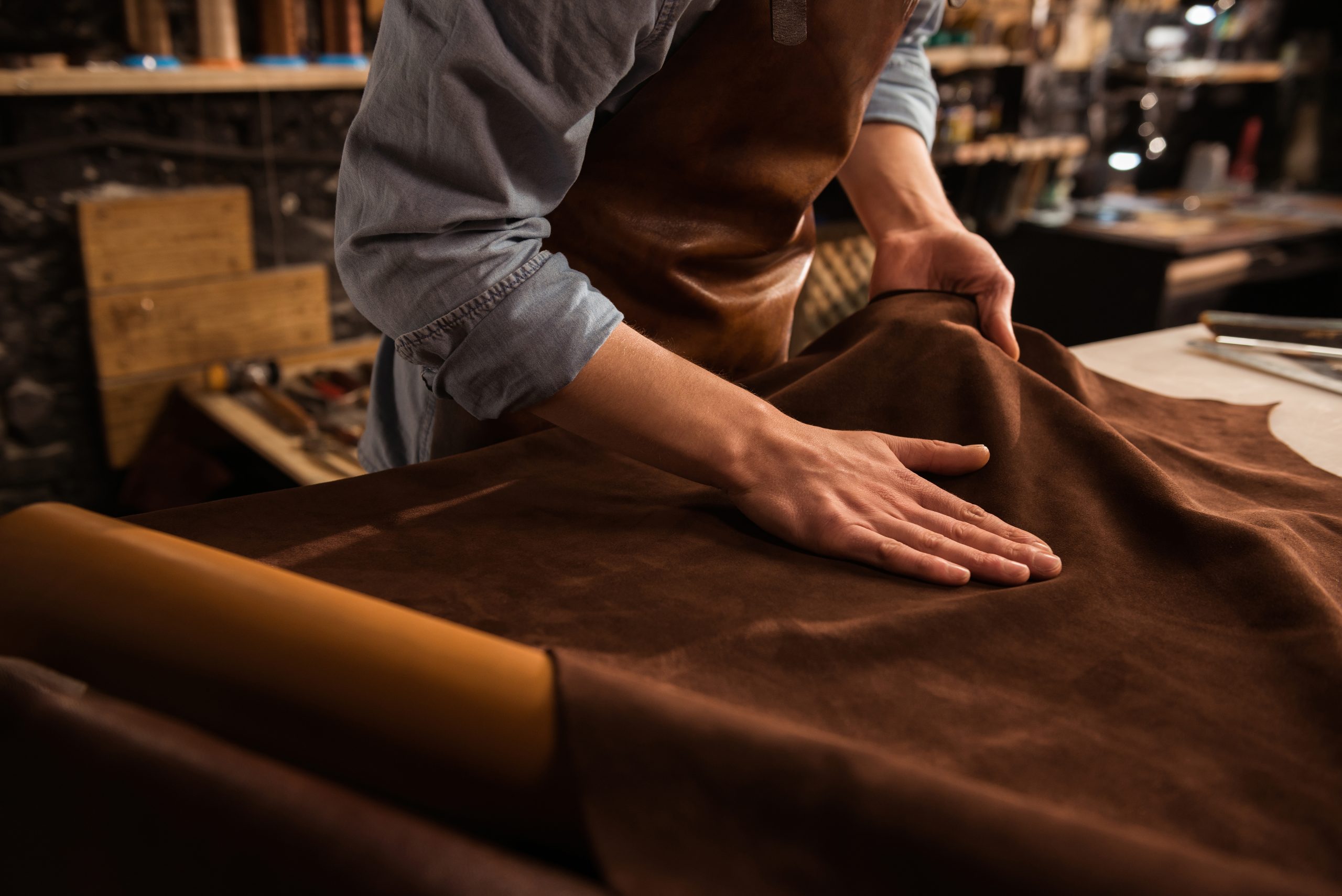
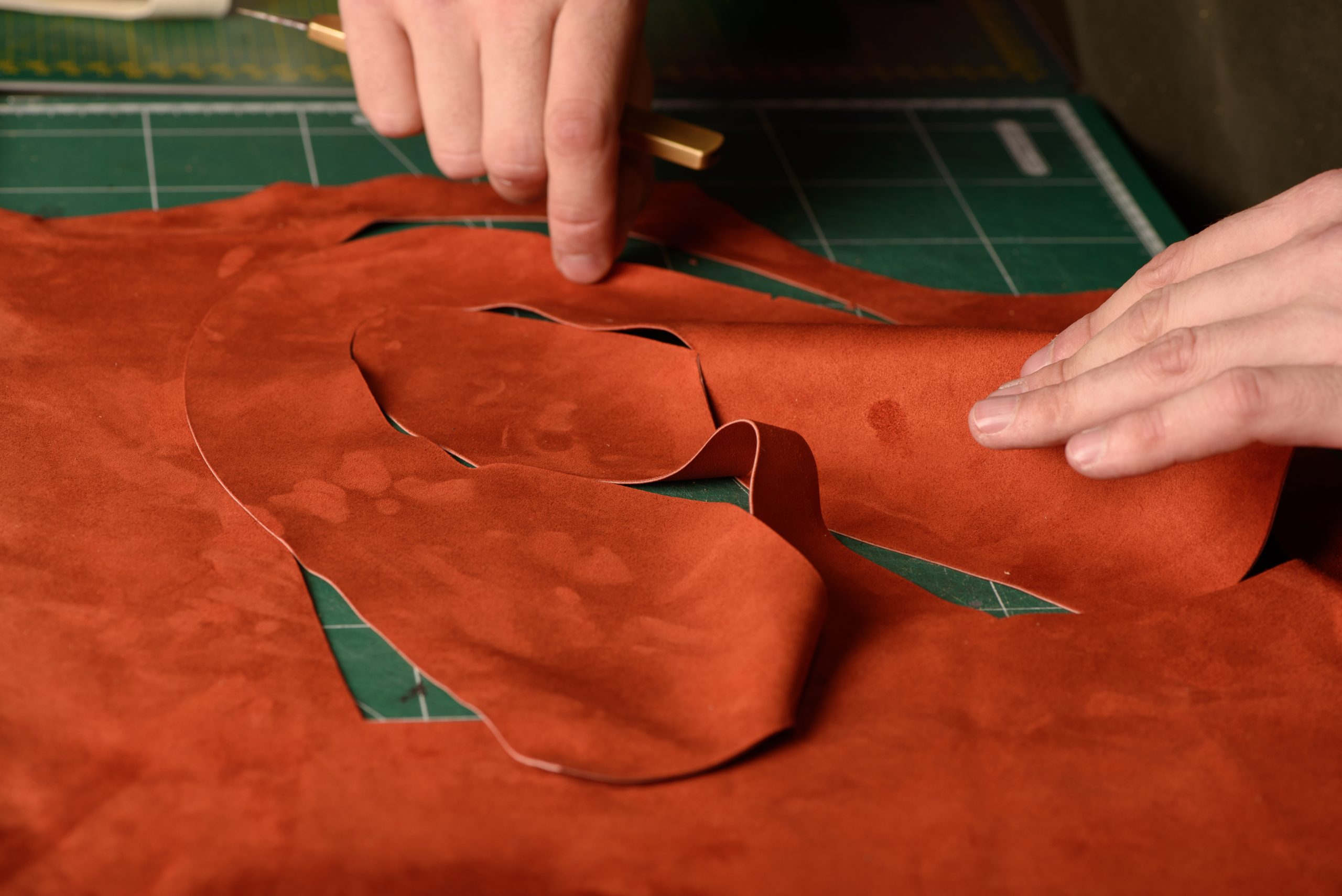
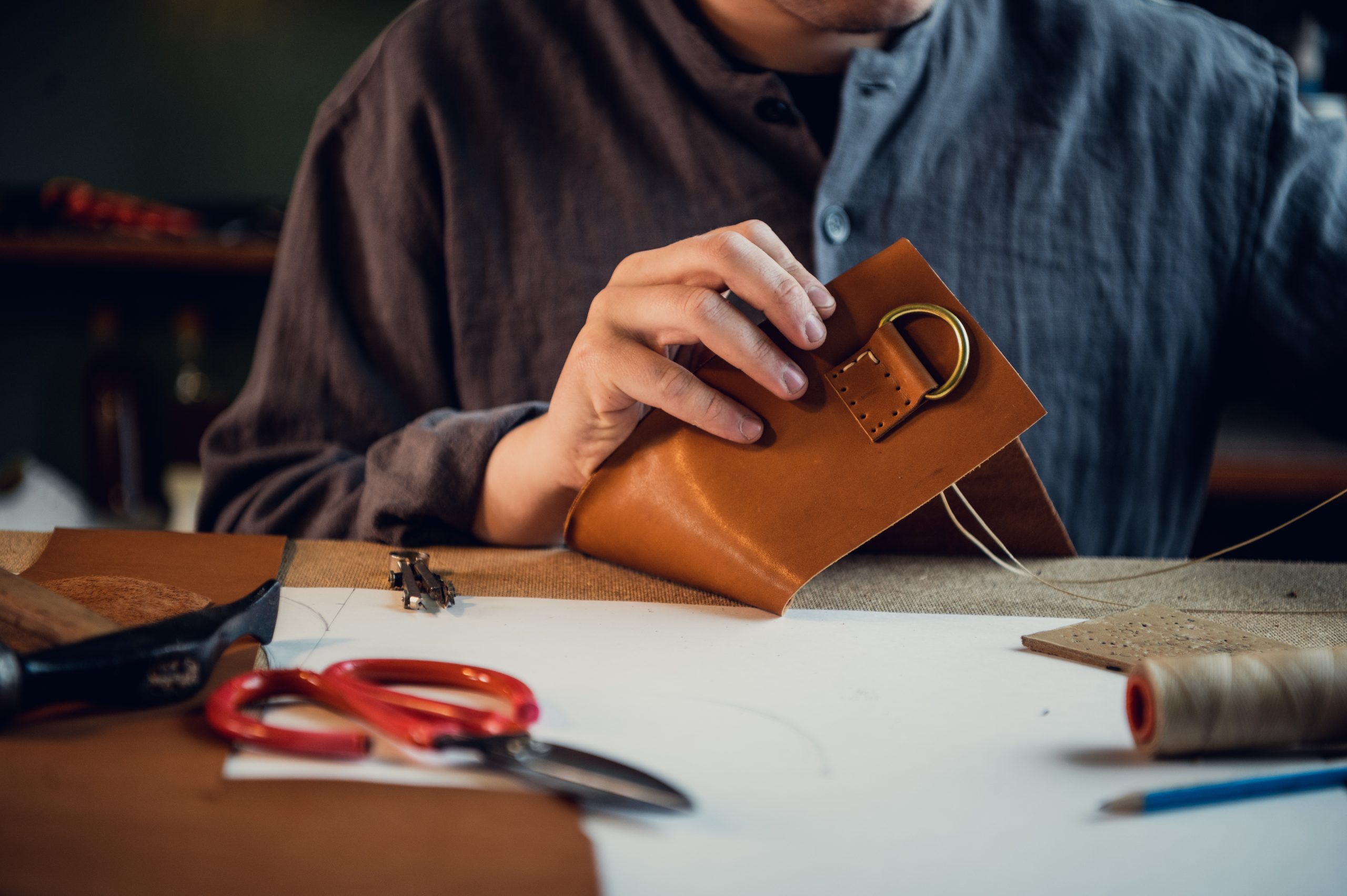
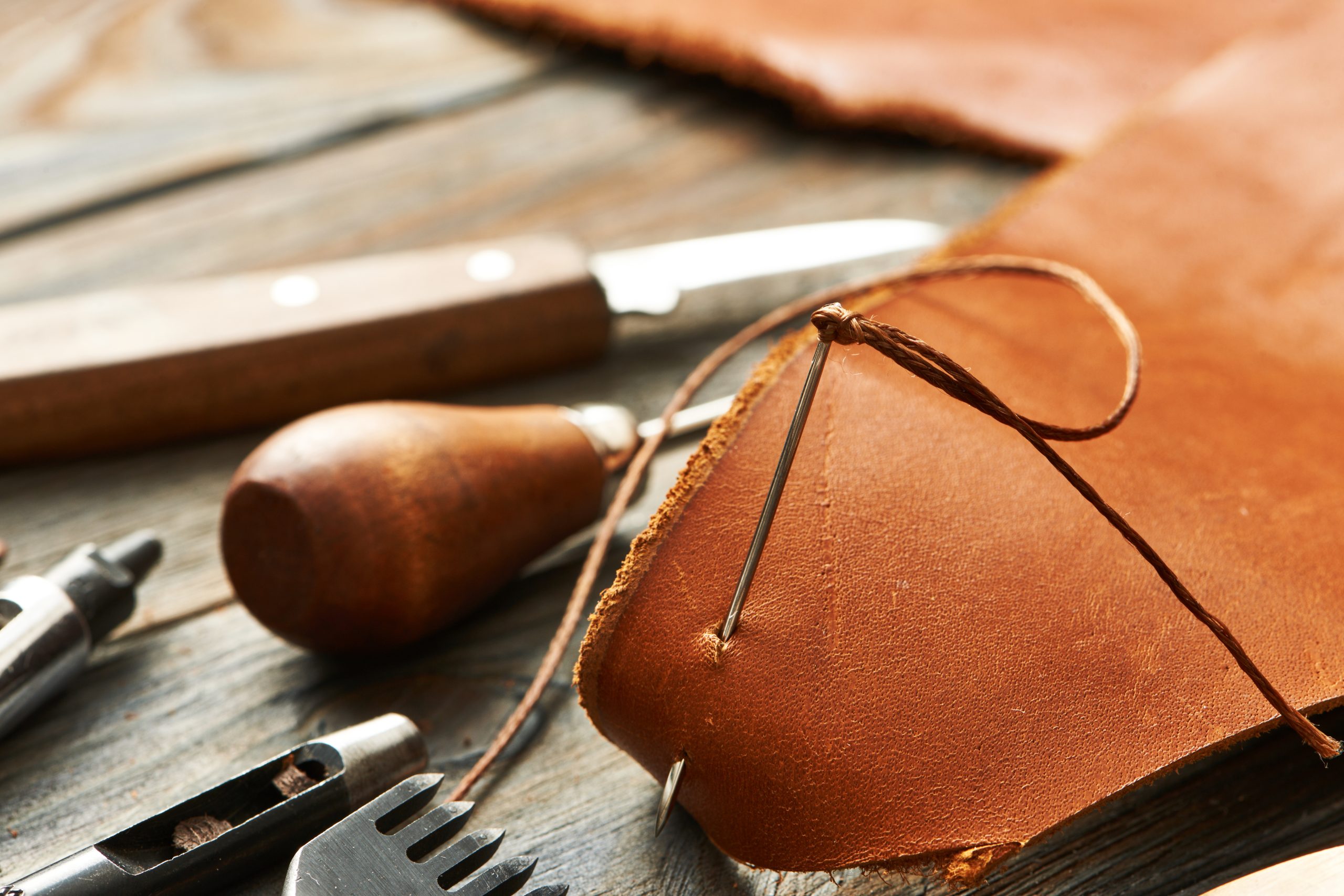
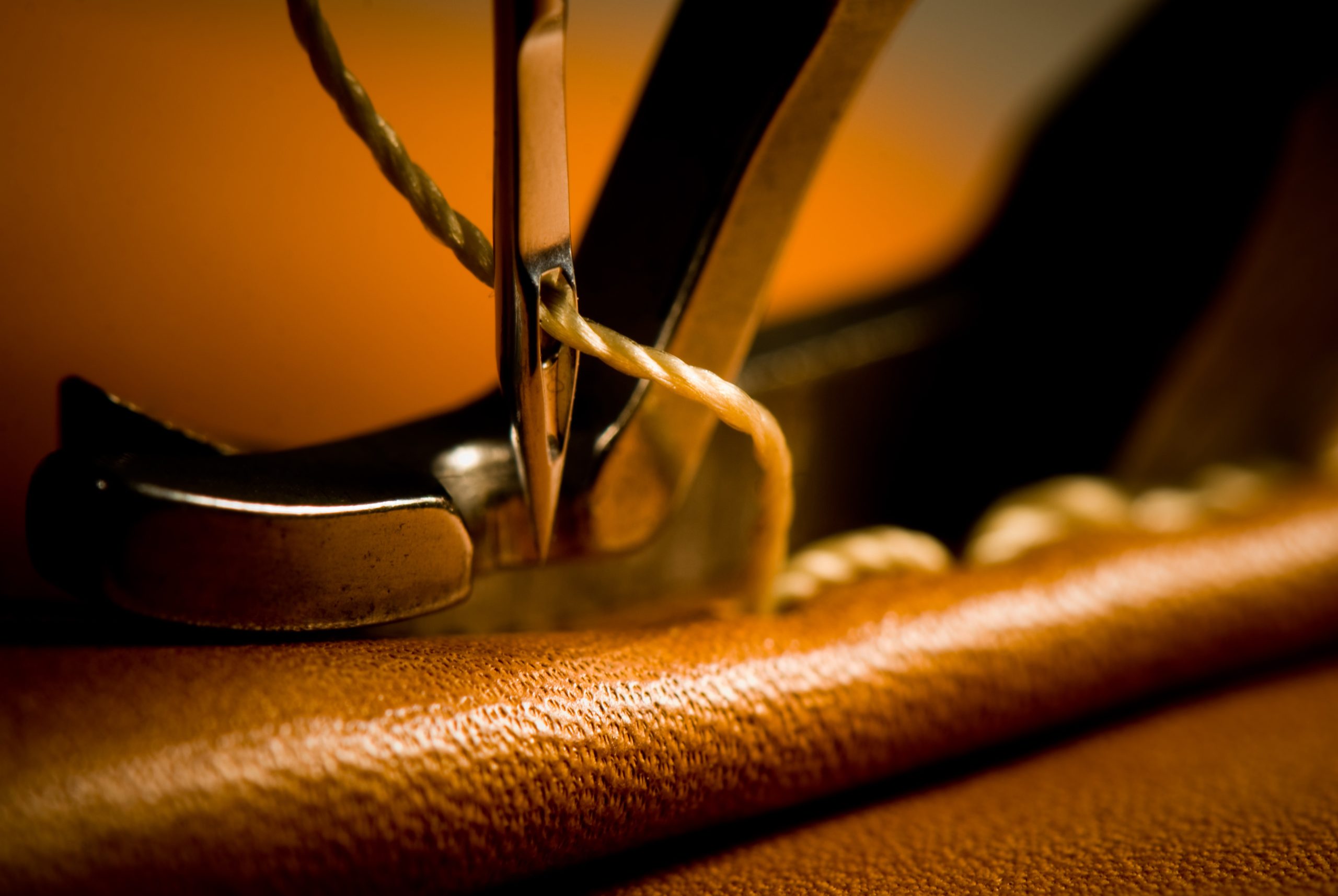
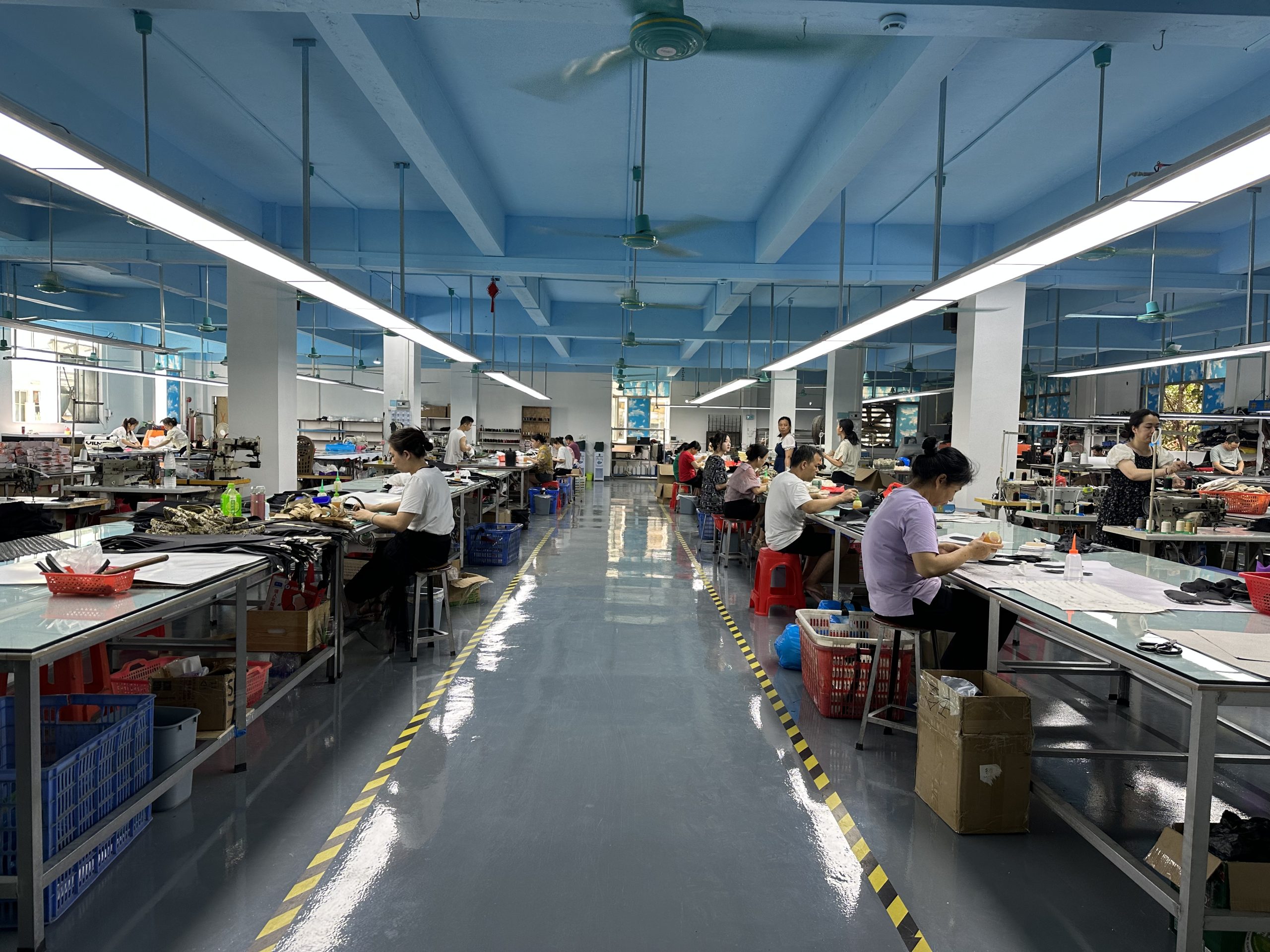
Leather stands at the intersection of several forms of material reality. It reminds us that products ultimately come from living systems by connecting consumers to landscapes, seasons, animal husbandry and food production. To get into the hands of consumers, leather requires skilled intervention in multiple ways including tanning, grading, clicking, stitching, polishing and repair.
Transforming something dirty and bloody into an item of lasting beauty, or as Japanese culture suggests something “unclean” to something lasting and important, is psychologically uplifting. The tacit knowledge embedded in all the communities involved is impossible to digitise.
Patina: Visible History
When we talk glibly about patina, we should recognise this is essentially visible history. Good leather records time. Many modern products are designed not to show age whereas leather usually gains character through age. There is an even stronger reading here of material reality and that is that as society increasingly values things that are virtual, scalable and detached from place, then materials that retain memory, locality and history become culturally significant.
Leather can be understood not merely as a material but as a reminder that objects have histories, that making matters and that value can emerge through care rather than novelty.
A Vote Against Ephemerality
In a culture obsessed with speed, scale and acceleration, materials that reward slowness, maintenance and long-term relationships become counter-cultural. We are reminded that humans are embodied in such materials and that bigger economies depend on such ecosystems.
A leather object well-made and well-maintained resists the disposability that digital capitalism requires—the planned obsolescence, the algorithmic drive toward perpetual consumption and replacement. The International Council of Tanners has framed this explicitly as leather’s contribution to “slow fashion” and circular durability. Choosing leather of quality is, in this sense, a material vote against ephemerality.
The Radical Nature of Materiality
The materiality of leather isn’t just about the object itself—it’s about the people, traditions and economies it supports. In a globalised, virtual economy, this local, tangible connection is radical. To emphasise materiality is to push back against the ephemeral, disposable and often alienating aspects of digital culture. It’s a call to revalue.
In an increasingly dematerialised economy, leather’s significance lies not only in what it is made from, but in what it remembers: landscape, animal life, craft skill, use, repair and time itself.
Source: International Leather Maker (June 23, 2026)

中文