
 中文
中文








Robots on the Line: How a Century-Old Portuguese Shoemaker Is Automating the Future of Footwear
A century-old Portuguese shoemaker is automating its line with FAIST robotics, freeing workers for higher-value tasks an...
Learn more →
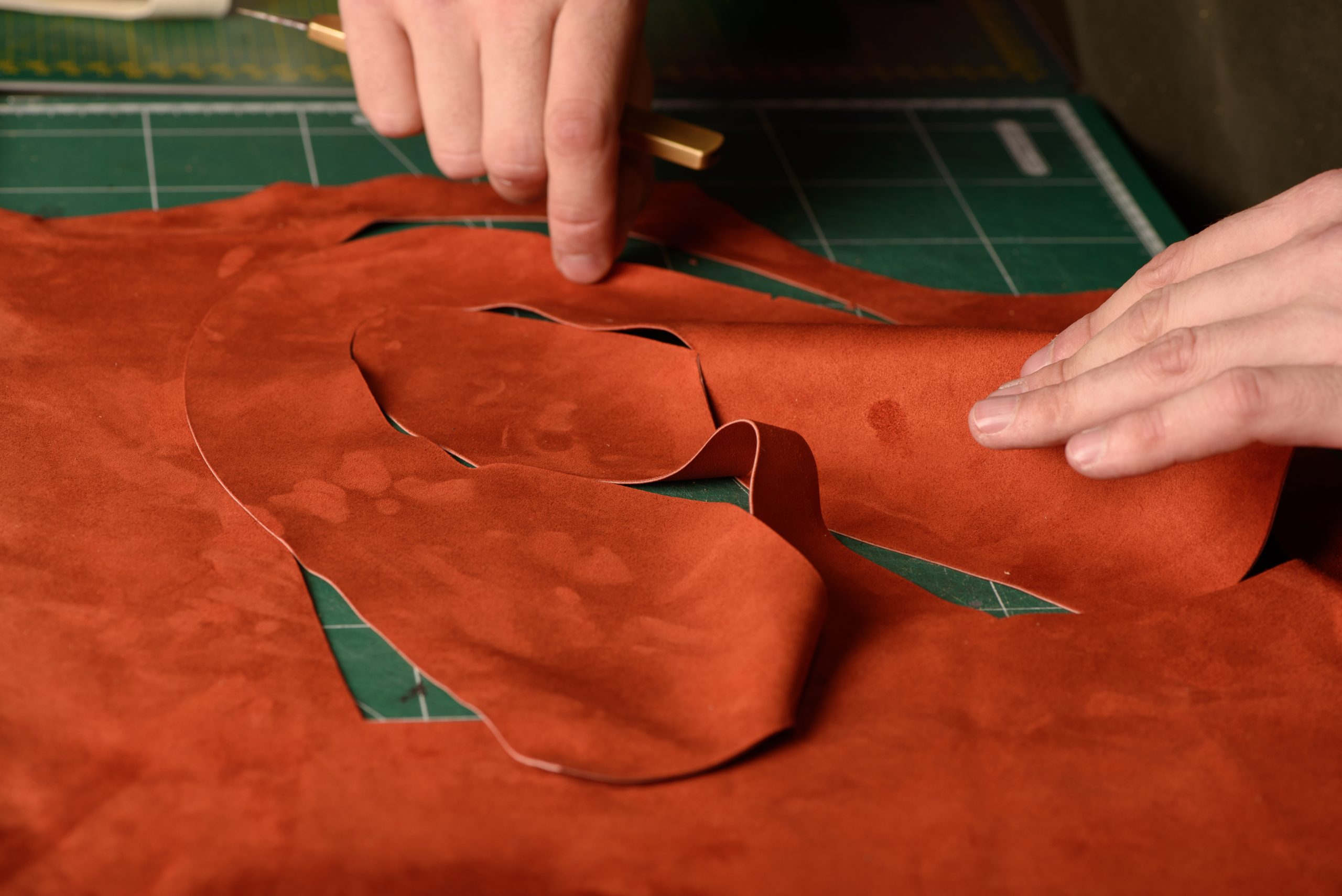
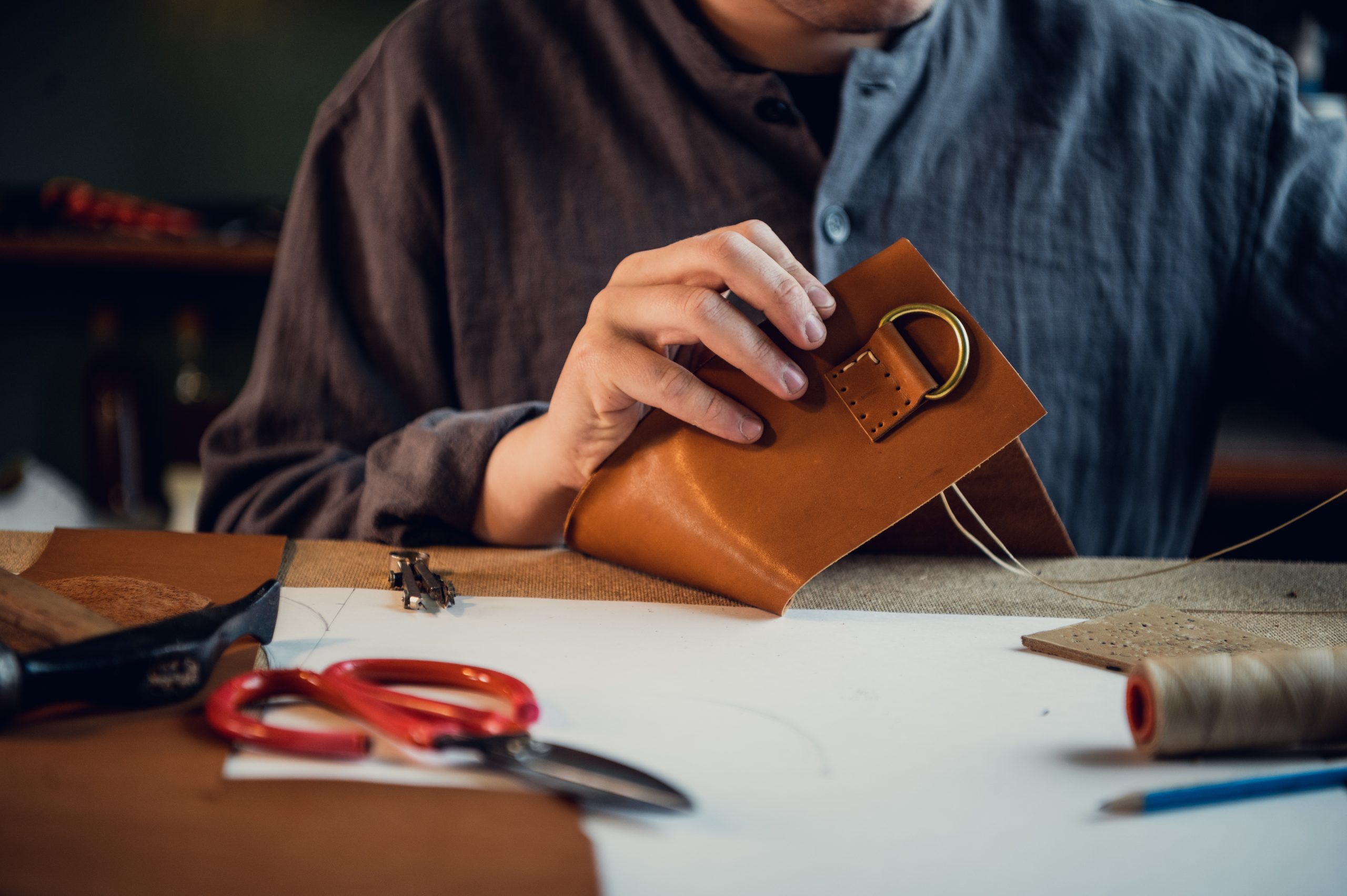


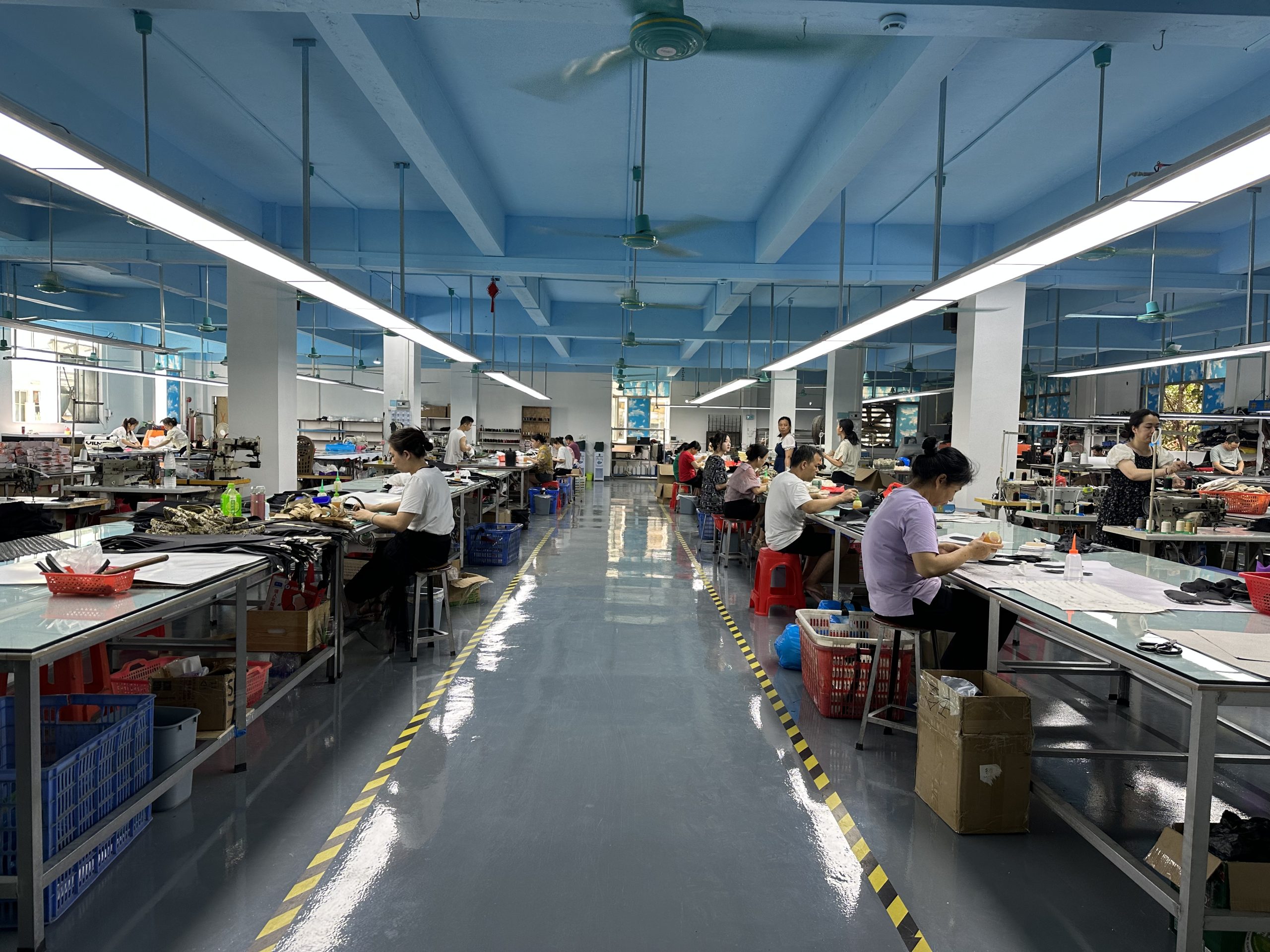
2006: Guangzhou was officially established, initiating cooperation with brands such as VASTO and Dissana.
2012: Production expanded to 3 production lines, connecting with domestic first- and second-tier brands, and obtained ISO9000 certification.
2018: Production base was reorganized, a dust-free workshop was built, and designer brands such as LOUIS QUATORZE were partnered with, achieving an annual output value of 20 million.
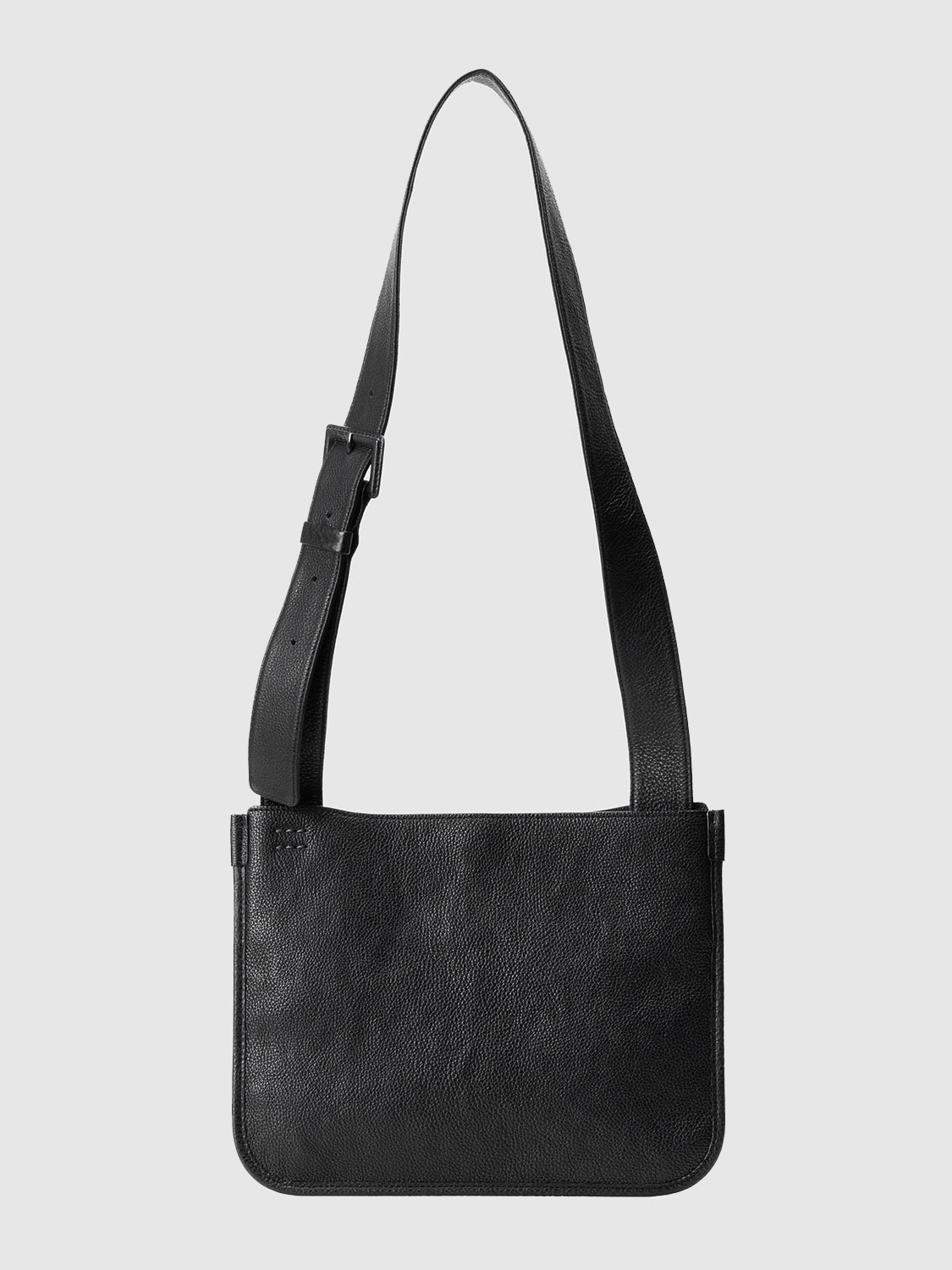
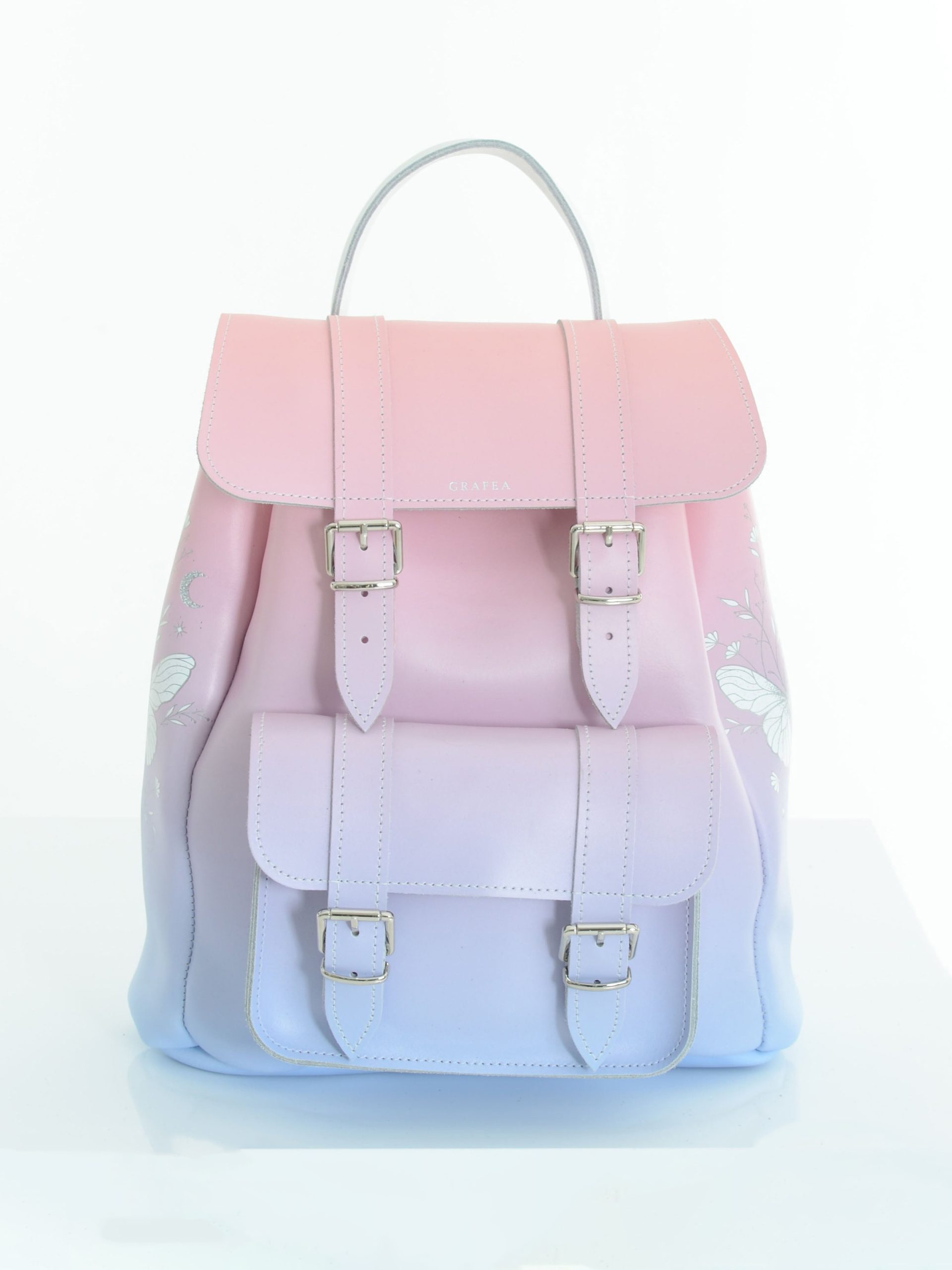
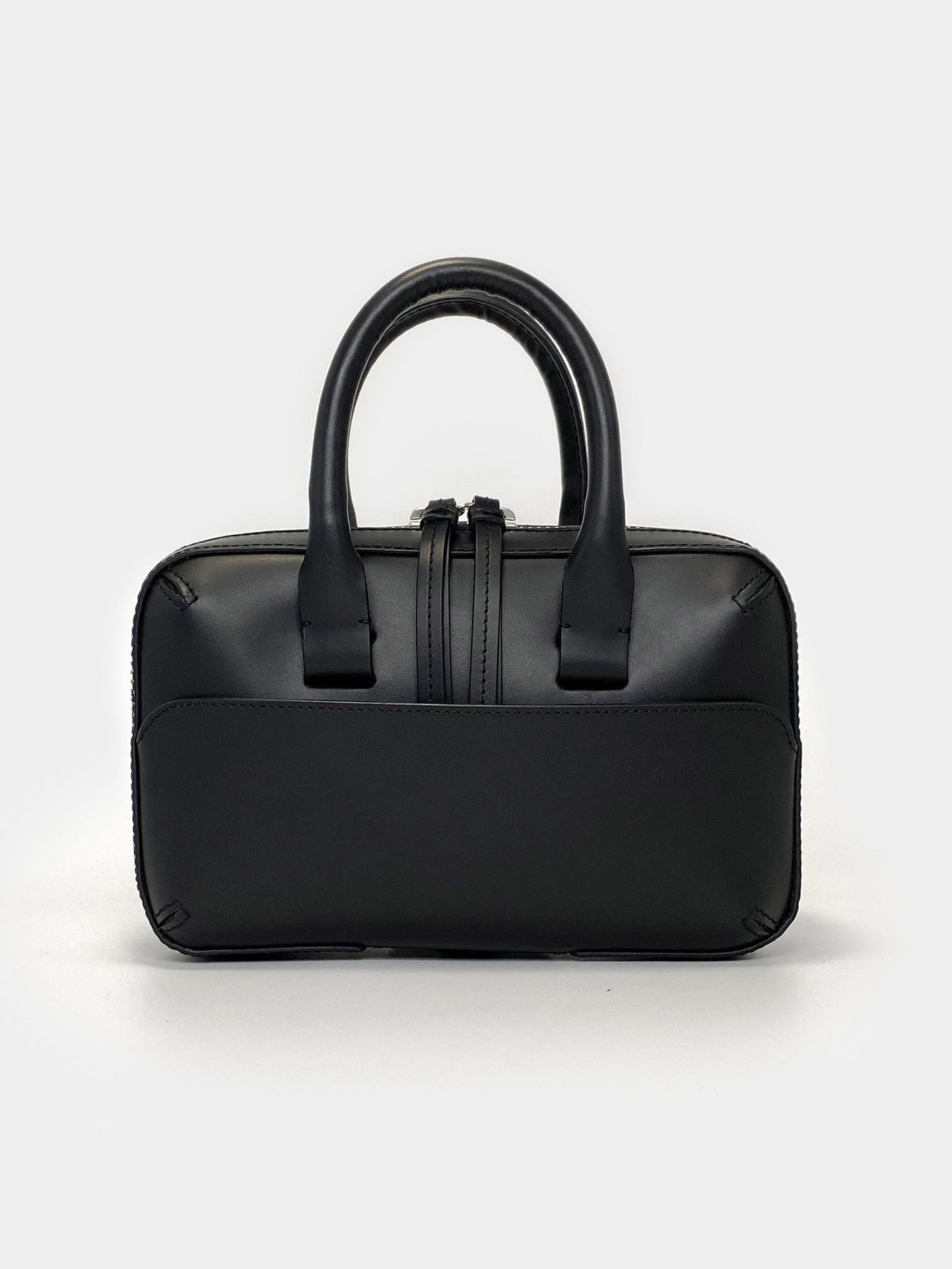
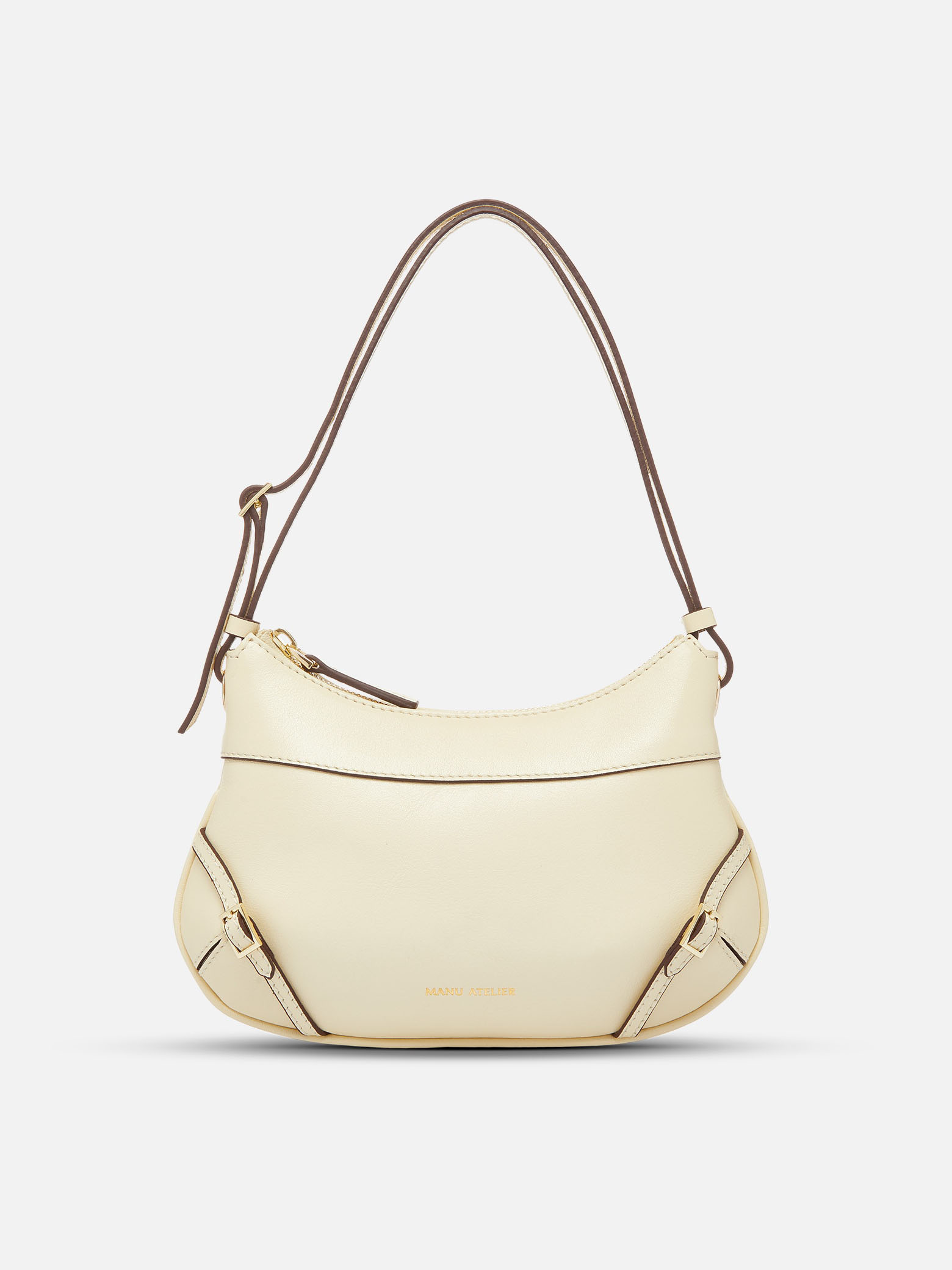
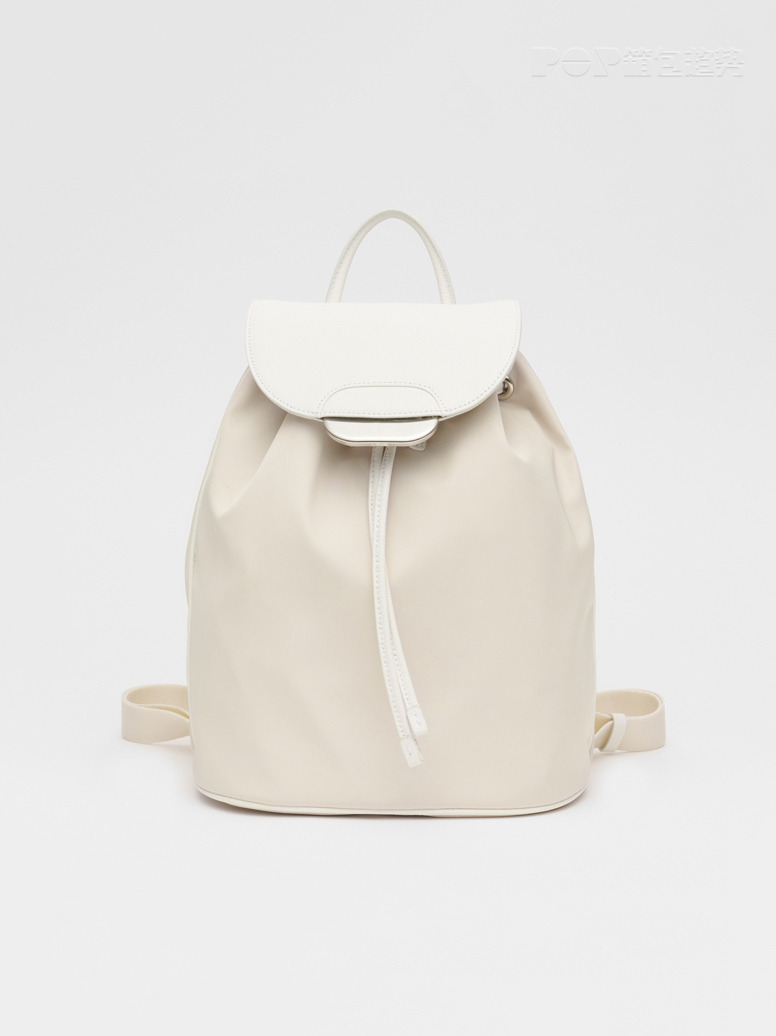
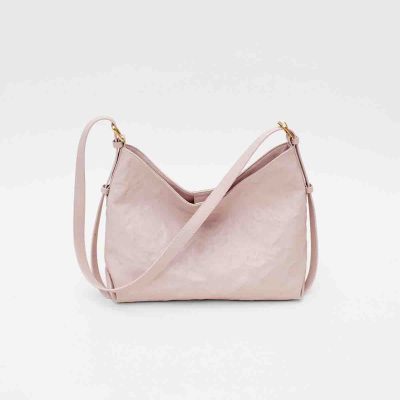
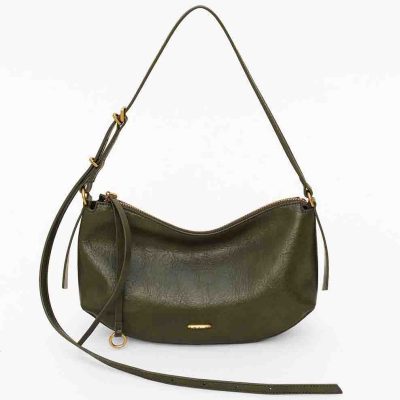
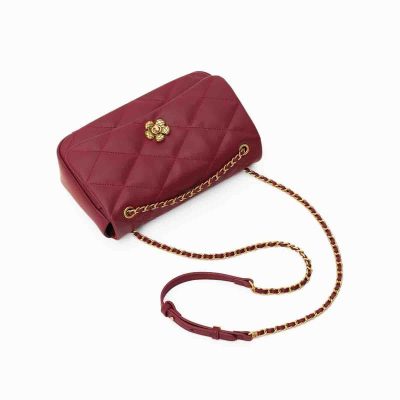
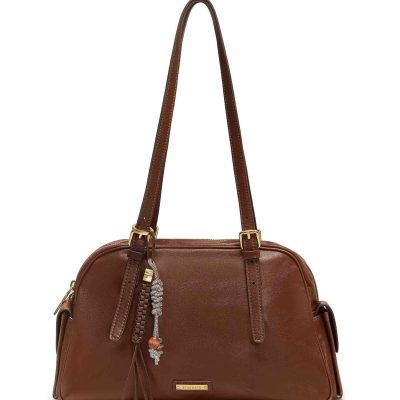
2022: The "2+1" model was implemented, strategically focusing on women's leather goods, and undertaking research, development, and processing for brands such as Red Valley and Goldlion.
2024: Comprehensive implementation of refined management, optimization of full-process quality control, deep cultivation of high cost-effective products, and long-term win-win cooperation
Forging quality with our original aspiration, never compromising on the slightest standard







A century-old Portuguese shoemaker is automating its line with FAIST robotics, freeing workers for higher-value tasks an...
Learn more →
US footwear inflation hit a four-year high of 5.2% in May 2026 while sales stalled, as tariff-driven price hikes meet ca...
Learn more →
CHIC Autumn 2026 drew 61,824 trade visitors and 738 exhibitors to Shanghai, with buyers from 17 countries. Explore why C...
Learn more →
Ghana's leather and footwear manufacturers are urging Parliament to cut raw-material tariffs and curb Chinese imports as...
Learn more →
Kenya hands over the first Leather Industrial Park warehouse to Realeather in a $4M deal with Jashon International, boos...
Learn more →
Bangladesh targets $5B in leather and footwear exports by 2030, but fixing the Savar tannery effluent plant and winning ...
Learn more →
European footwear confederation CEC admits Trade Partners Sweden and CAST, widening its network as the sector faces cost...
Learn more →
Lems Shoes launches ZenSpeed+ road running collection with a natural foot-shaped last, returning to its founder's runnin...
Learn more →