 中文
中文




Birkenstock and Cole Bennett Unveil a Wooly Boston Clog for the Icon’s 50th
Birkenstock and Cole Bennett launch a wooly limited-edition Boston Clog with a moon buckle for the style's 50th annivers...
Learn more →
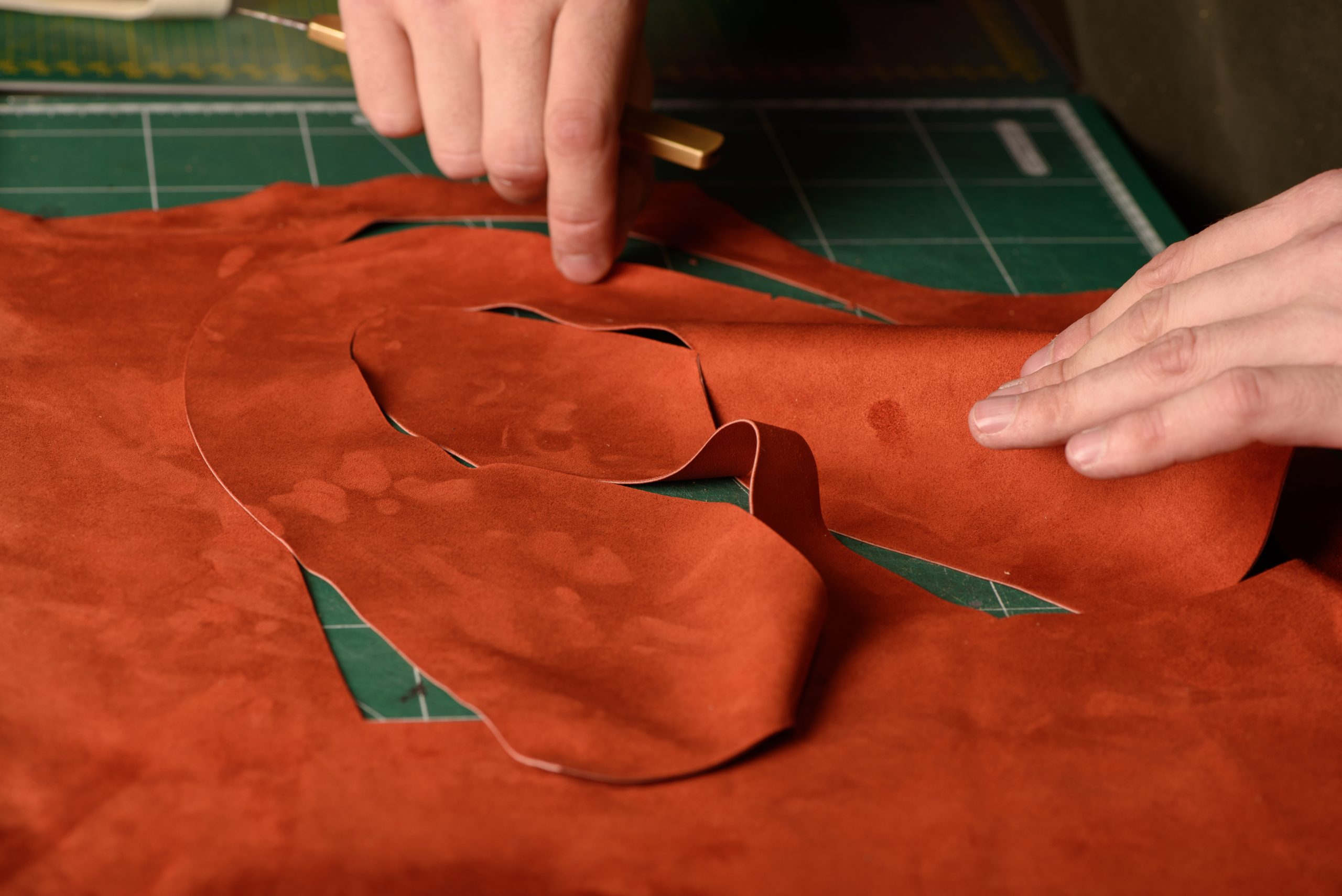



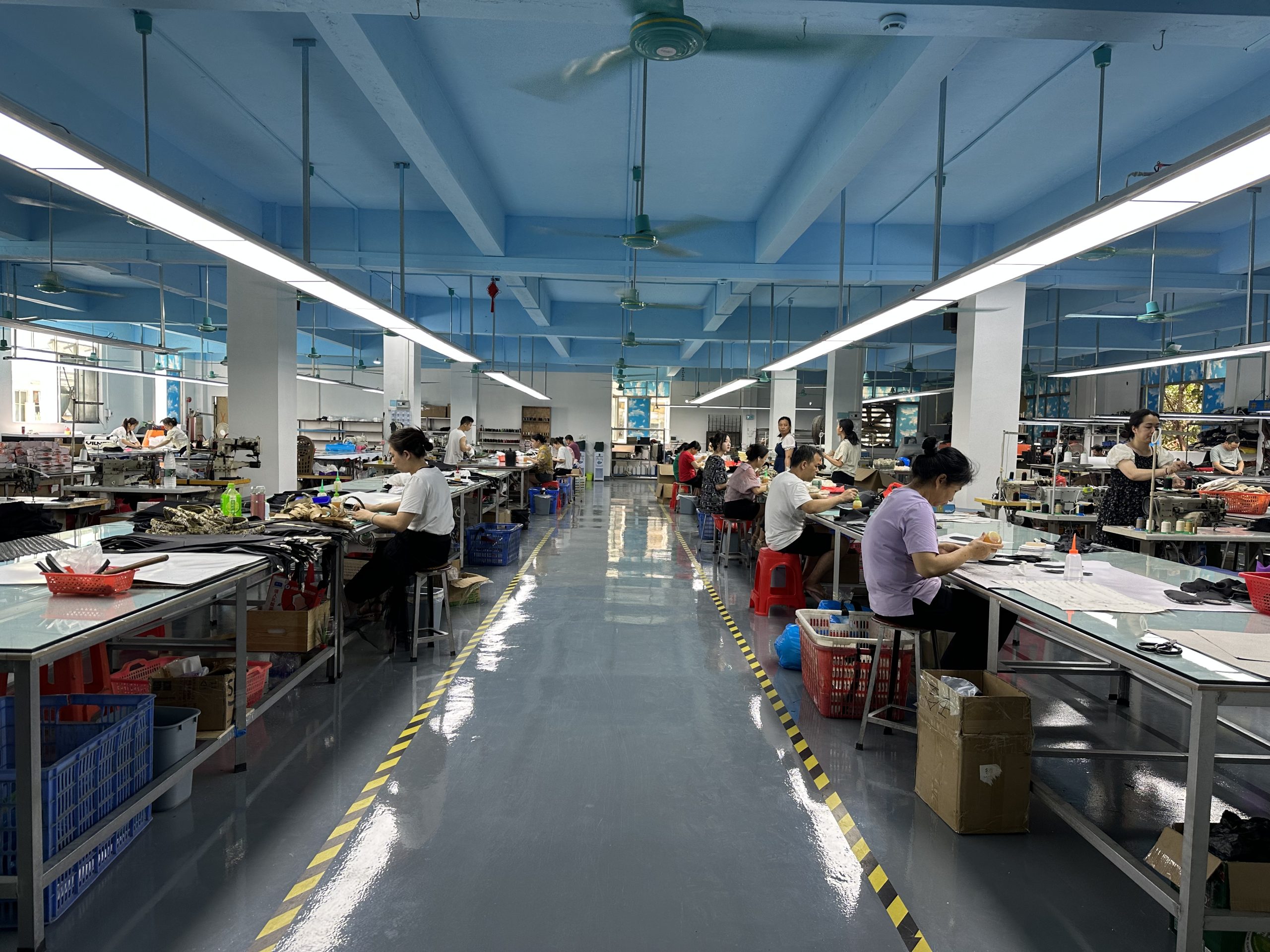
2006: Guangzhou was officially established, initiating cooperation with brands such as VASTO and Dissana.
2012: Production expanded to 3 production lines, connecting with domestic first- and second-tier brands, and obtained ISO9000 certification.
2018: Production base was reorganized, a dust-free workshop was built, and designer brands such as LOUIS QUATORZE were partnered with, achieving an annual output value of 20 million.
2022: The "2+1" model was implemented, strategically focusing on women's leather goods, and undertaking research, development, and processing for brands such as Red Valley and Goldlion.
2024: Comprehensive implementation of refined management, optimization of full-process quality control, deep cultivation of high cost-effective products, and long-term win-win cooperation
Forging quality with our original aspiration, never compromising on the slightest standard






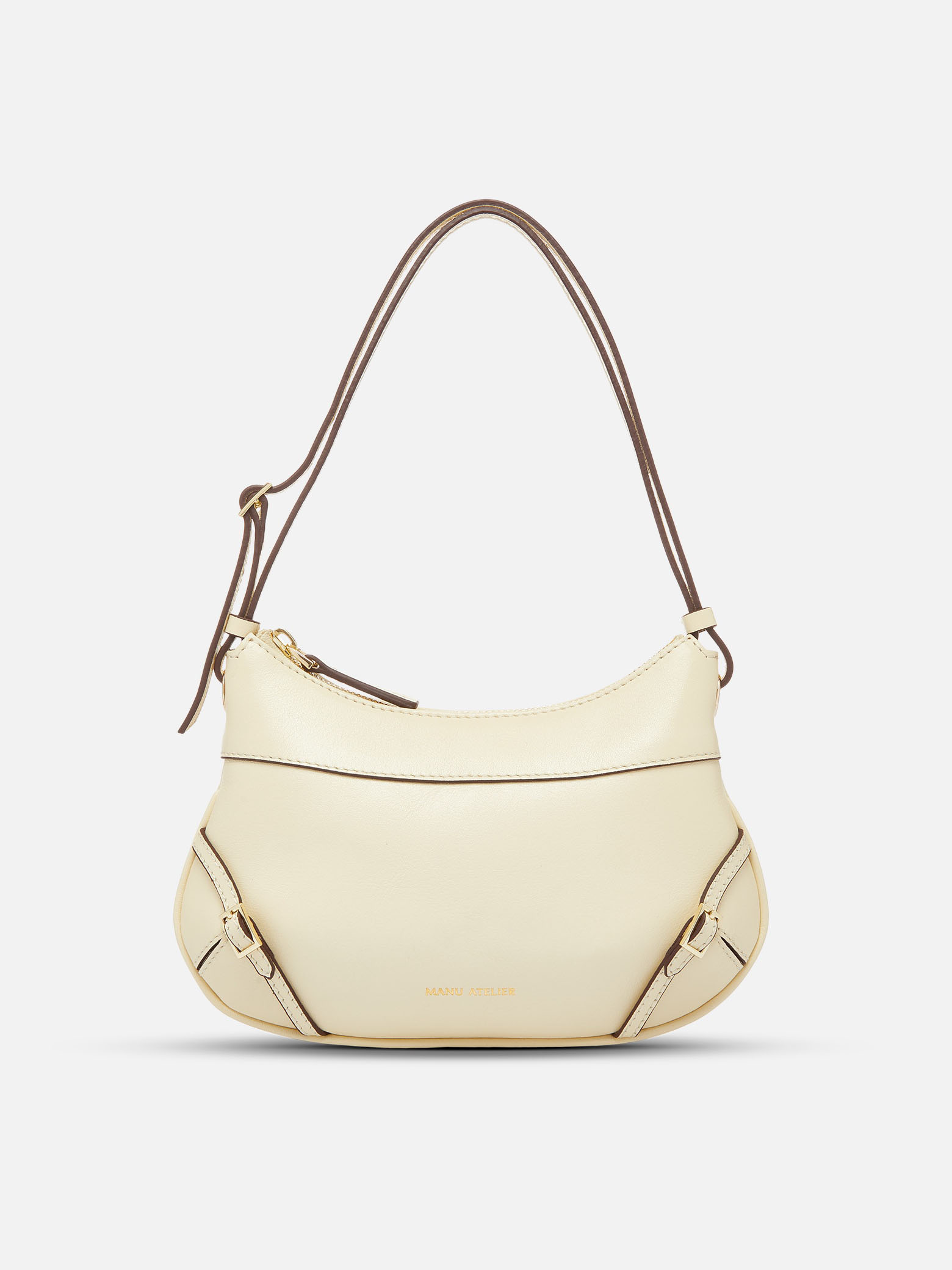

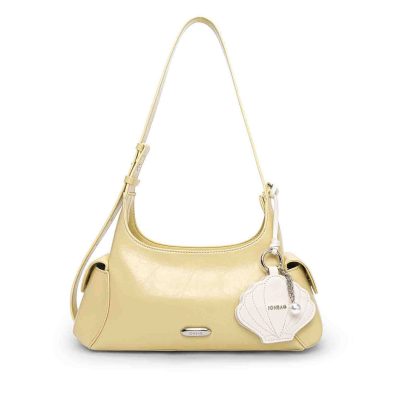


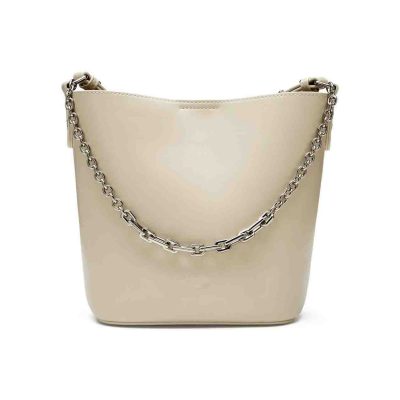


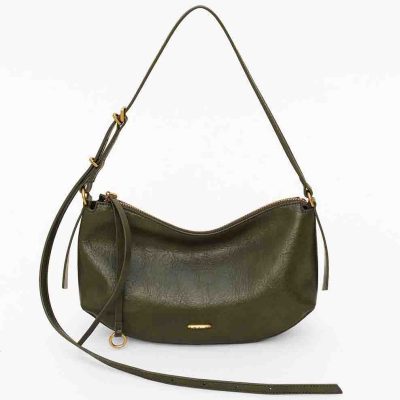

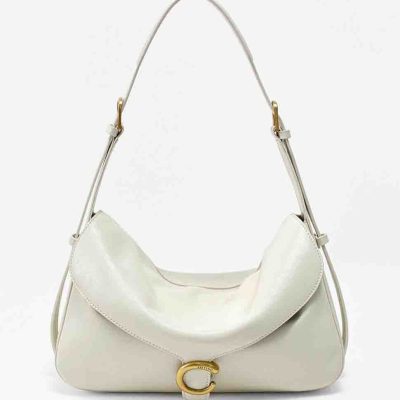
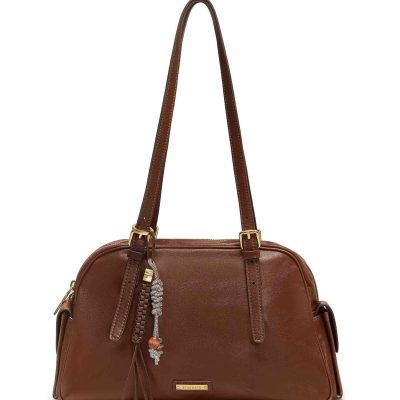
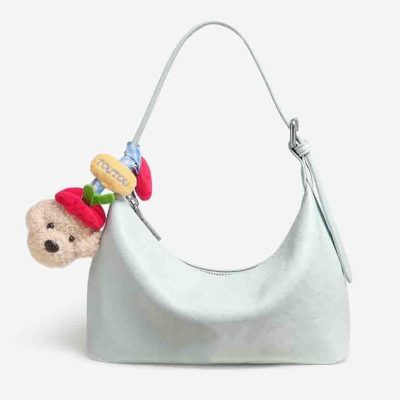
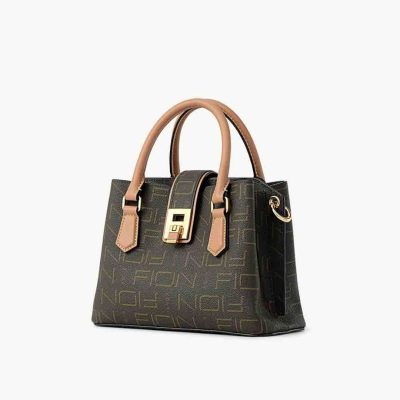

Lady Gaga stars as a FamilyMart clerk in custom white Thom Solo Opera Platforms for the convenience chain's 45th anniver...
Learn more →
Spin360's LCA Simulator lets tanneries model recipes operation-by-operation to compare carbon, water, cost and leather q...
Learn more →
Henkel completed its €2.1 billion acquisition of specialty coatings leader Stahl on Oct. 1, adding roughly €1 billion in...
Learn more →
Europe's footwear and leather goods sectors slid across most major markets in the first half of 2026 as Italy and German...
Learn more →
UITIC 2027 Congress lands in Jakarta Aug. 2-4 under 'Engineering the Future of Footwear,' focusing on AI, sustainable ma...
Learn more →
Spain's footwear bodies FICE and AEC welcomed a ministry pledge to draft an action plan after Minister Hereu's Elche-Eld...
Learn more →
World Footwear and APICCAPS published a practical guide to the EU-Mercosur trade deal, mapping tariff cuts, rules of ori...
Learn more →