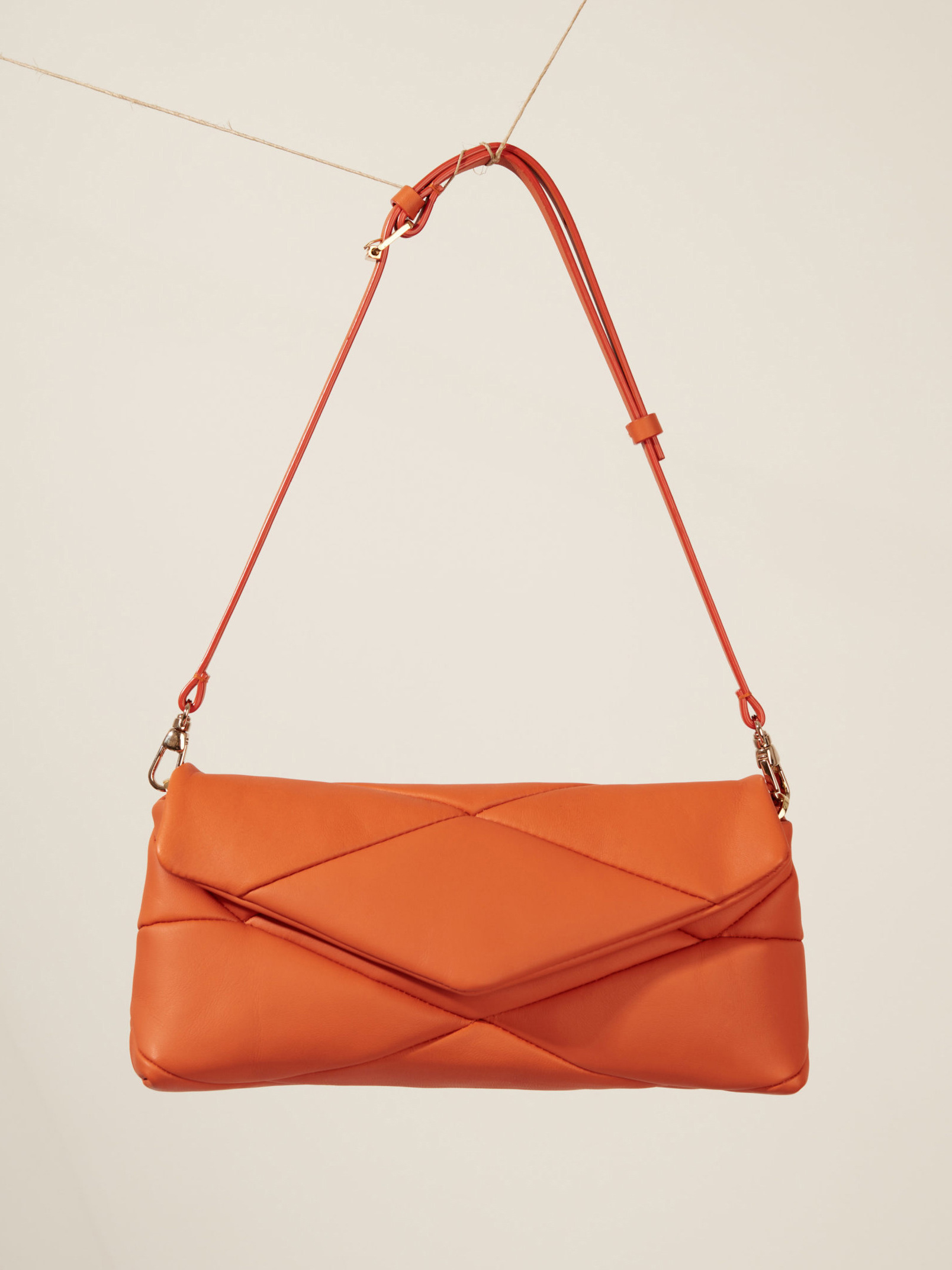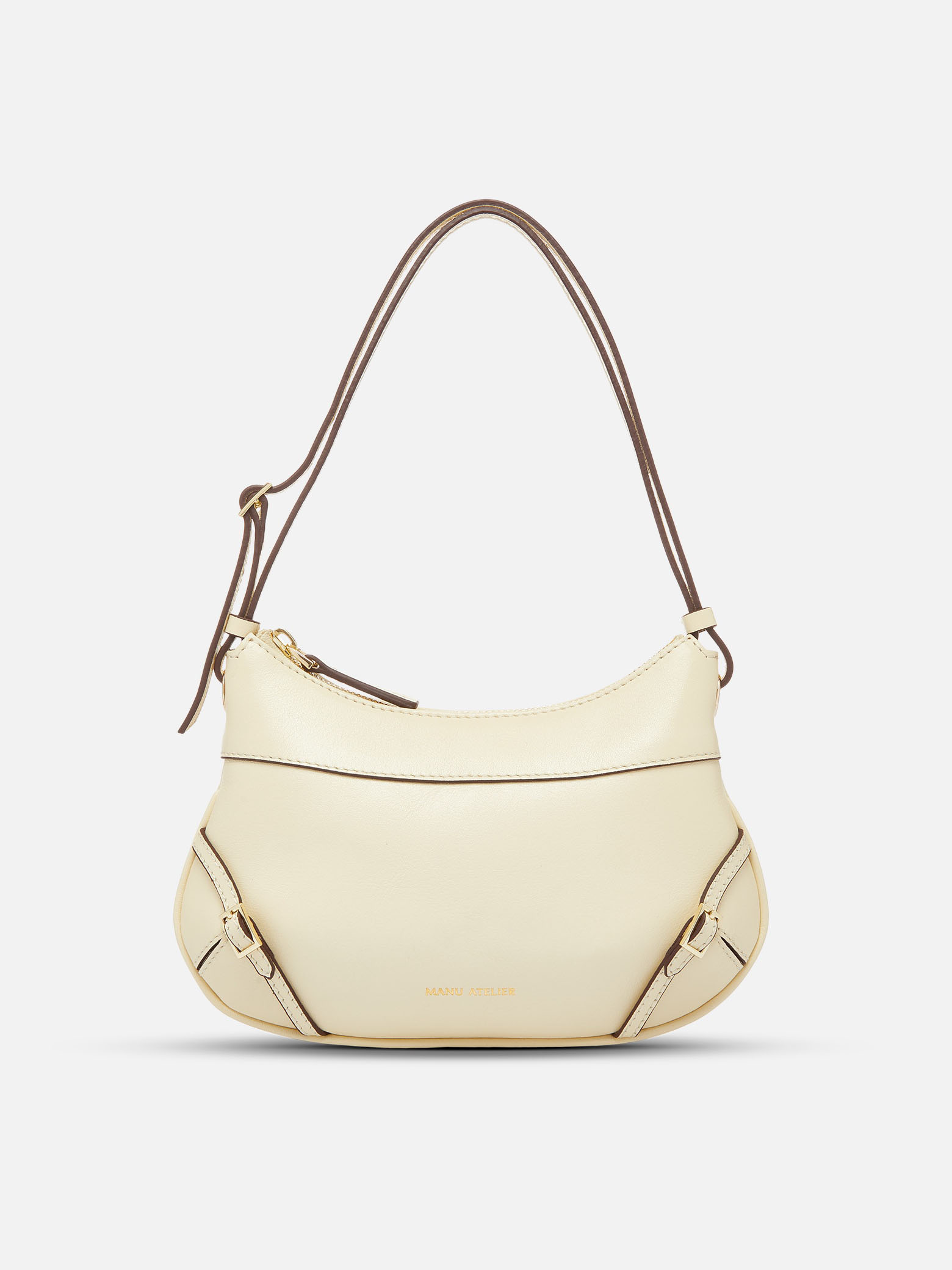



Seven Quarters of Decline, Then This: LVMH’s Leather Goods Division Finally Turns
One percent. After seven consecutive quarters of shrinking sales, LVMH’s Fashion & Leather Goods division grew by exactly one percent in organic terms in the second quarter of 2026.
It is not a number that would normally warrant attention. In this case, it is the most closely watched percentage point in the luxury industry — because Fashion & Leather Goods is LVMH’s largest division, LVMH is the sector’s bellwether, and everyone from tanners in Tuscany to hardware suppliers in Guangdong has been waiting for the direction of travel to change.
It just did.
The Headline Numbers
LVMH reported first-half revenue of €38.6 billion, up 2% organically. Reported revenue actually declined 3%, thanks to unfavourable currency movements — a reminder that in a business earning across dozens of currencies, the euro’s strength can erase real growth on paper.
More importantly, the momentum accelerated within the half. Q1 organic growth came in at 1%; Q2 came in at 3%. That trajectory matters more than the absolute figure.
Profitability held up impressively given the top-line pressure. Profit from recurring operations reached €8.7 billion, preserving an operating margin of 22.5% — a number most consumer goods companies would consider fantasy. Group share of net profit stayed stable at €5.7 billion.
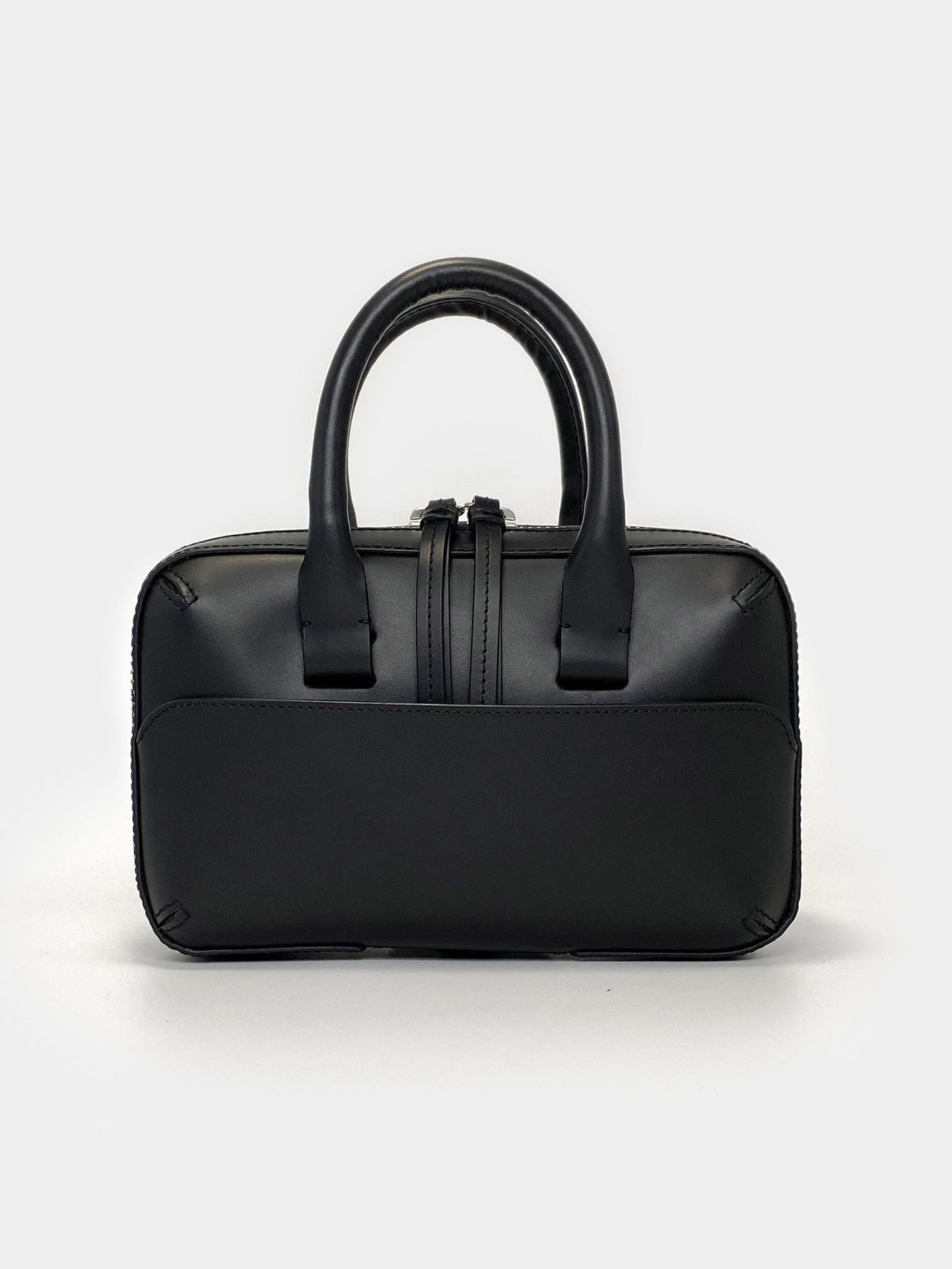
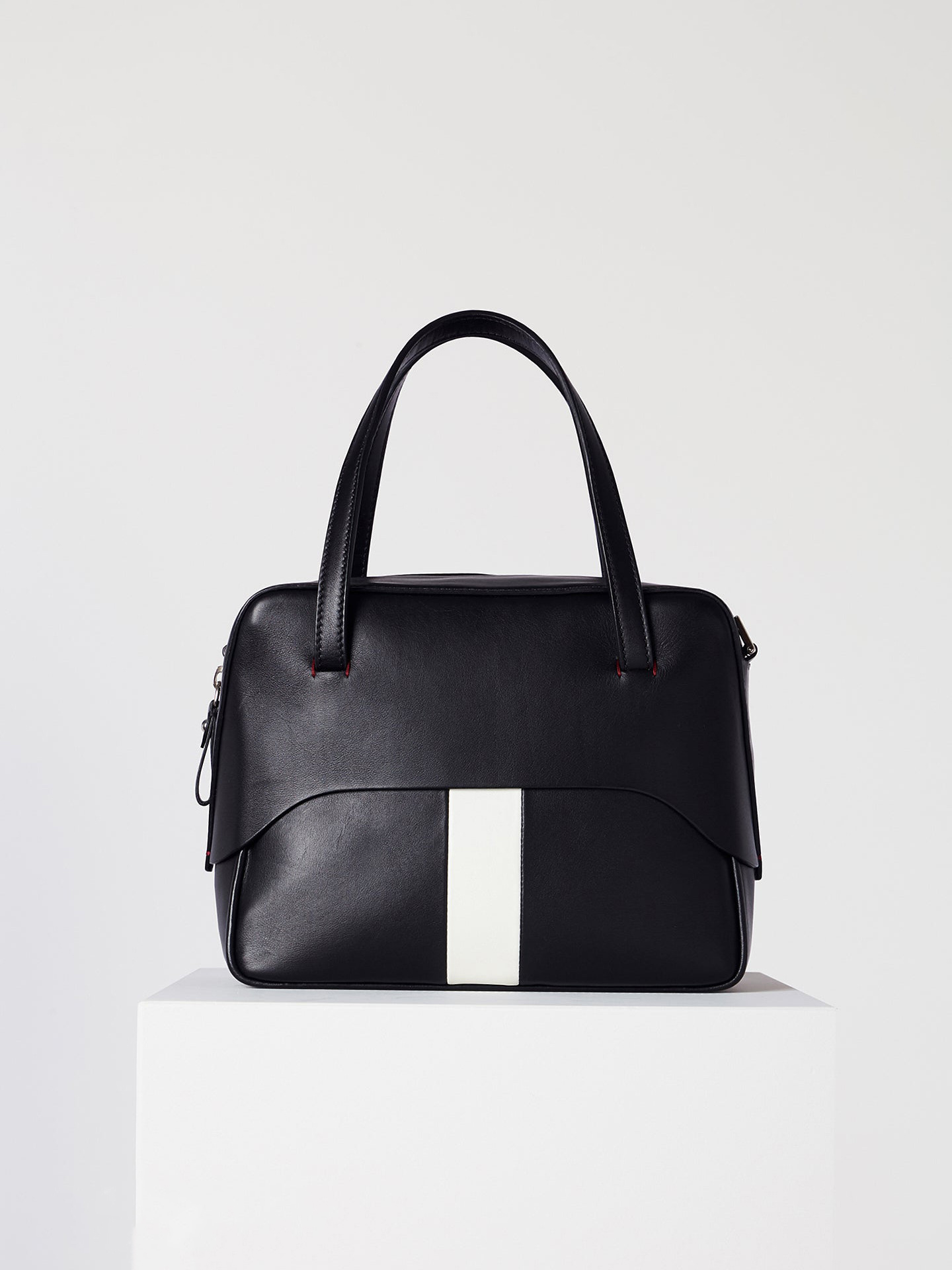
For Fashion & Leather Goods specifically: roughly €8.9 billion in Q2 revenue, up 1% organically. The recovery was carried by Louis Vuitton and Dior, supported by continued resilience in the United States and improving demand across Asia excluding Japan.
Why the Leather Supply Chain Should Care
There is a temptation to read luxury results as a story about handbag prices and Chinese tourists. For anyone working in leather, the implications run deeper.
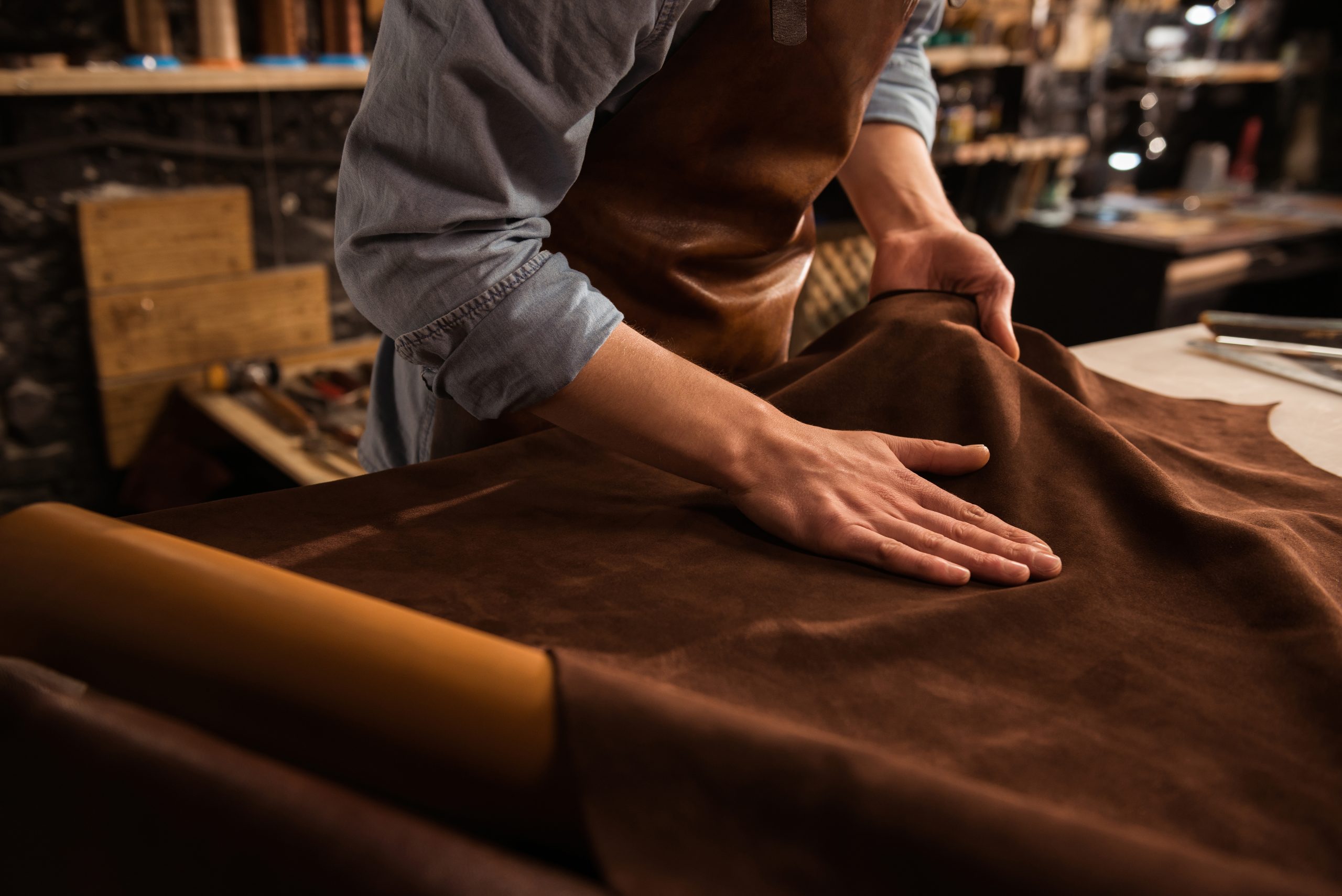
LVMH’s Fashion & Leather Goods division is one of the largest single consumers of premium calf, lamb and exotic leathers on earth. The group has spent years vertically integrating — acquiring tanneries, crocodile farms and leather goods workshops to lock in supply of the highest grades. When that division contracts for seven straight quarters, the effects ripple all the way back to hide selection at the abattoir.
Order books at premium European tanneries have been noticeably softer through 2025 and early 2026. Volumes of top-grade calf have been under pressure. A return to growth at the demand end does not fix that overnight, but it changes the planning assumption from “how long does this last” to “when do we restock.”
Watches & Jewellery Steals the Show
Curiously, the strongest performer was not fashion at all. Watches & Jewellery grew 11% organically in Q2 — a striking result in a category that has faced its own headwinds and that competes directly for the same discretionary wallet.
Regionally, LVMH described accelerating demand in the U.S. through the first half, continued improvement in Asia excluding Japan, and resilience in Europe despite what the group diplomatically called geopolitical and economic uncertainty.
The American strength is notable. Much of the luxury slowdown narrative over the past two years has centred on Chinese consumption, with the assumption that recovery would have to come from Asia. Instead, the U.S. has been doing the heavy lifting while Asia stabilises. That is a different recovery shape than most forecasters modelled.
Arnault’s Framing
Chairman and CEO Bernard Arnault attributed the performance to the strength of the group’s brands and the durability of its long-term strategy, reiterating a focus on innovation, craftsmanship and desirability while navigating an uncertain global environment.
It is boilerplate, but the emphasis on craftsmanship is not accidental. LVMH’s entire defence against the luxury downturn has been to refuse the obvious lever — discounting — and instead lean harder into product quality, heritage narrative and controlled distribution. Competitors who chased volume with entry-price offerings have generally fared worse.
Is One Percent a Turning Point?
Honest answer: it is too early to declare one, and anyone selling certainty is selling something.
A single percentage point of organic growth in one quarter could be a genuine inflection or a favourable comparison base. Seven quarters of decline creates easy comps. The Q1-to-Q2 acceleration is more persuasive than the headline number itself, and the fact that it came alongside a maintained 22.5% margin suggests the growth was not bought with promotions.
What we can say with confidence is this: the direction has changed for the first time in nearly two years, and it changed at the single most important account in the premium leather supply chain. For tanneries, component makers and workshops that have spent 2025 managing decline, that is worth more than the arithmetic suggests.
The luxury cycle has not turned yet. But it has stopped falling.
Source: International Leather Maker

中文