 中文
中文

Ariat Donates $100,000 to Wounded Warrior Project, Extending a Decade of Support
Ariat has donated $100,000 to the Wounded Warrior Project in a new campaign that extends the western footwear brand a de...
Learn more →
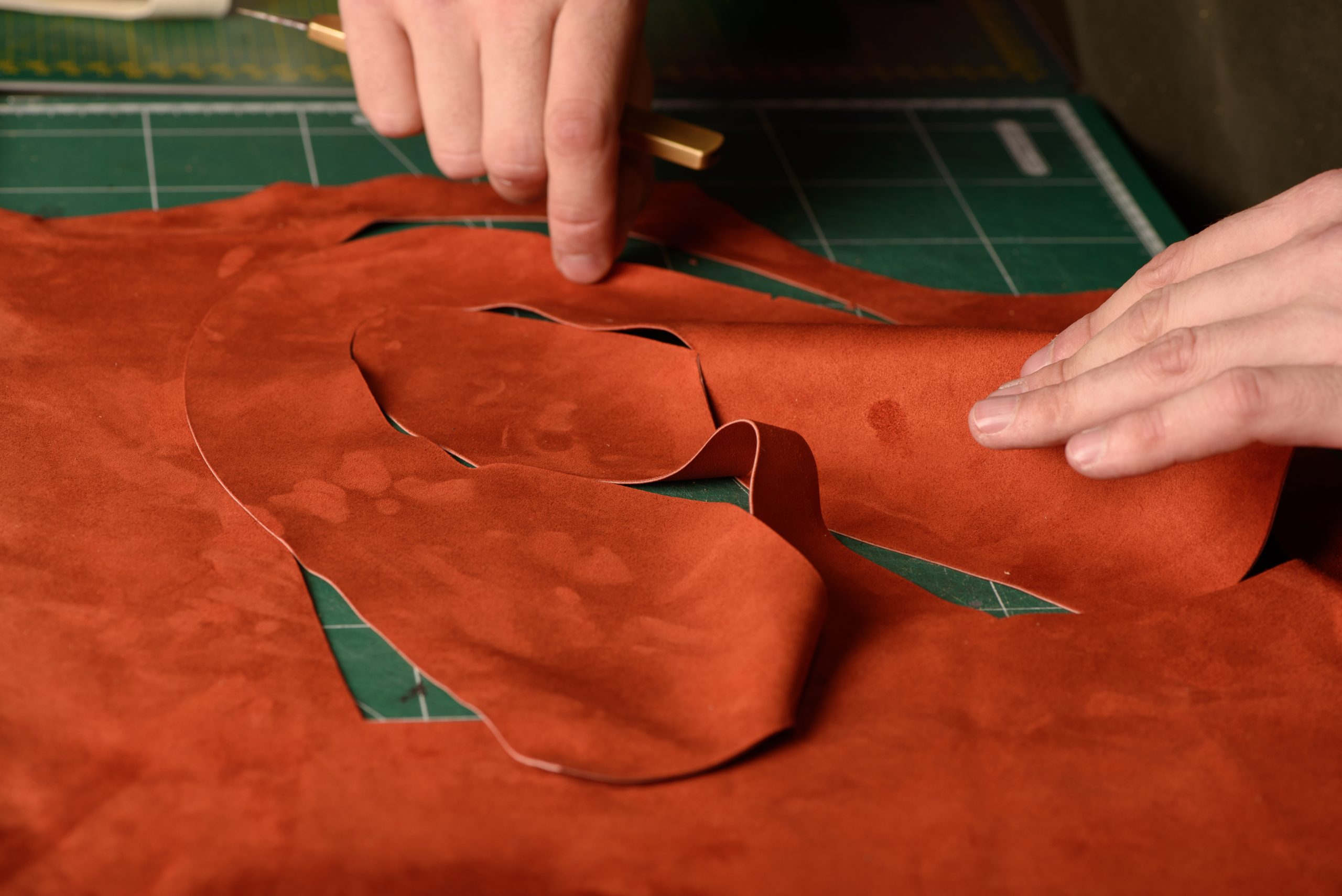
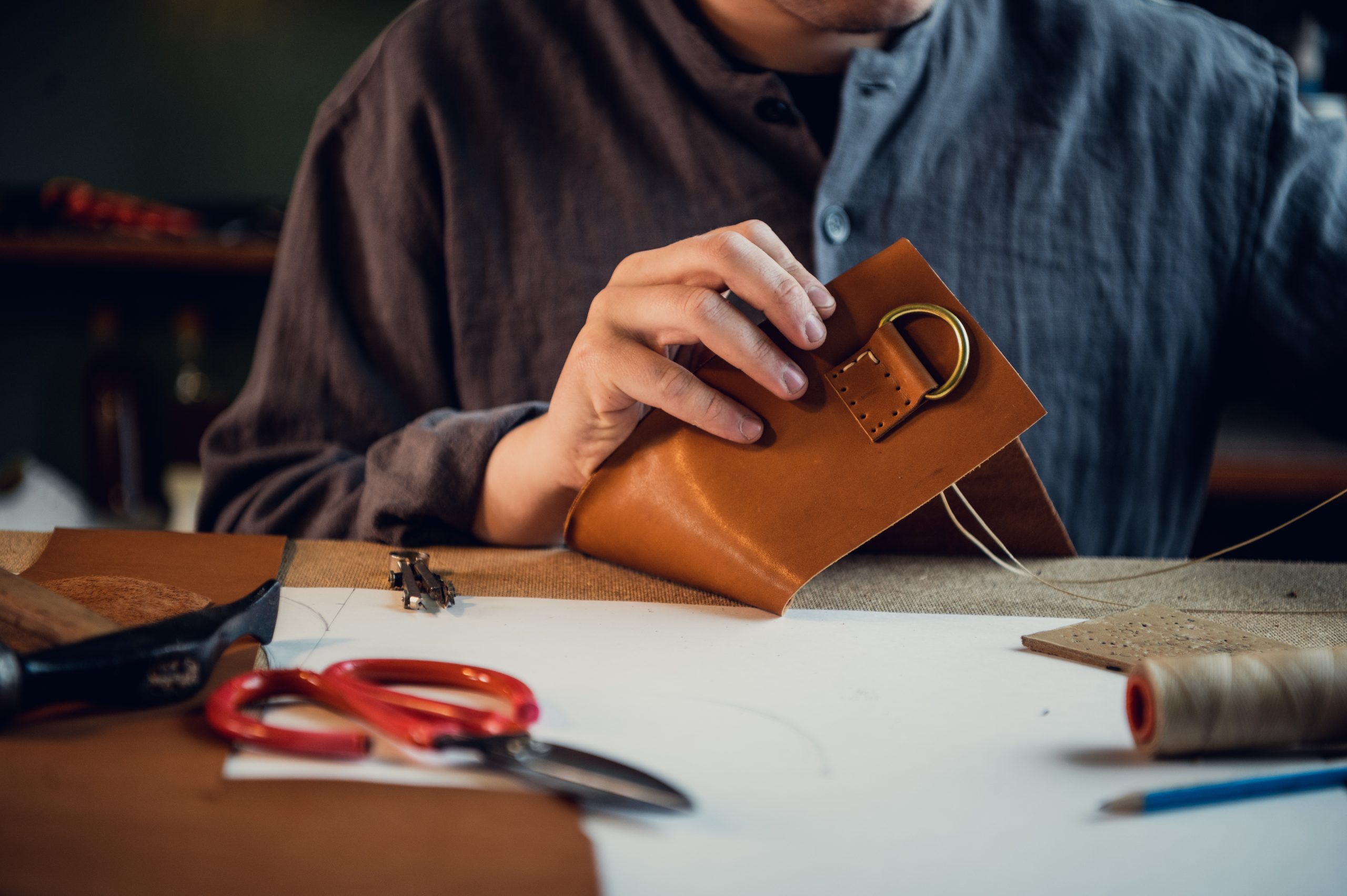
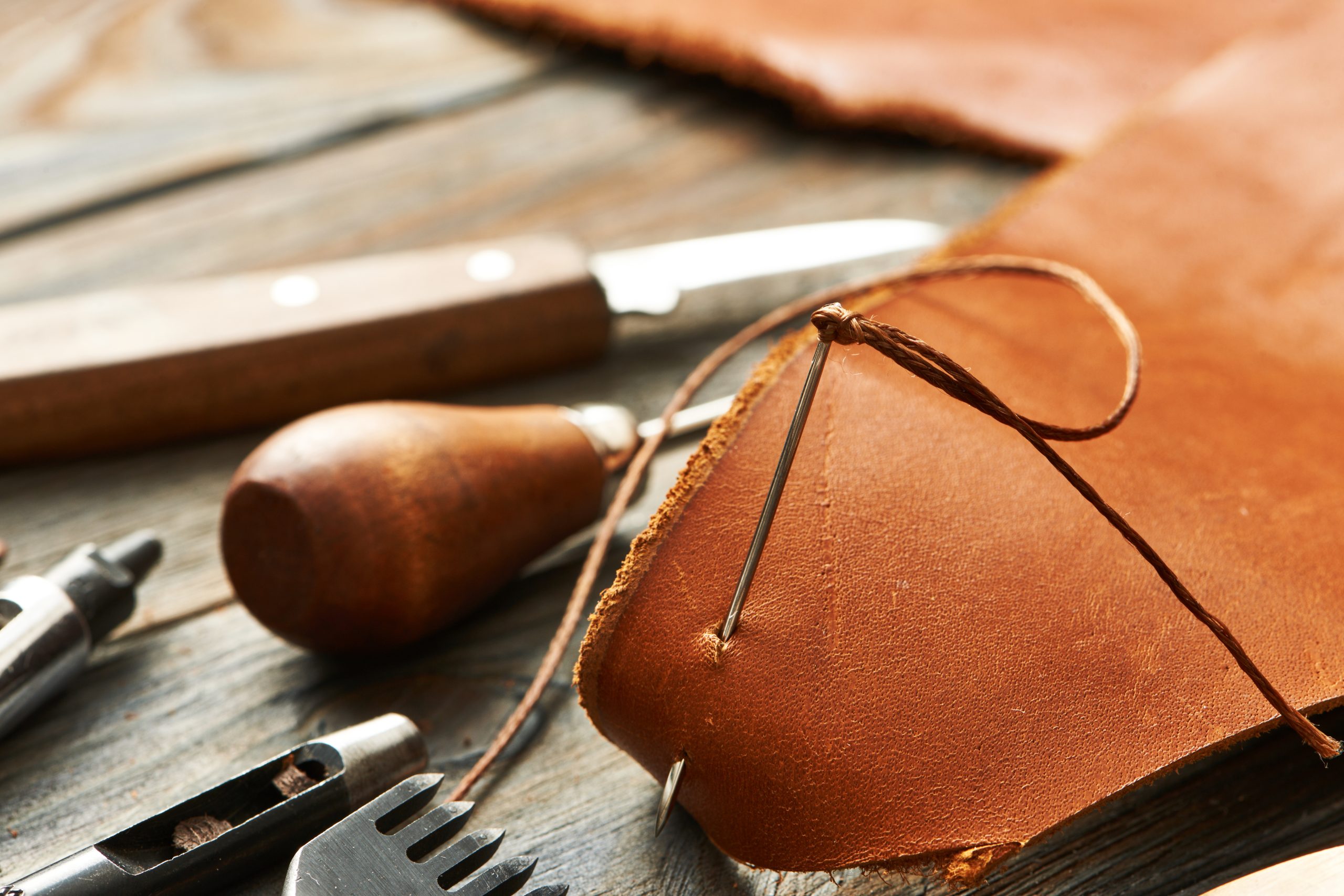
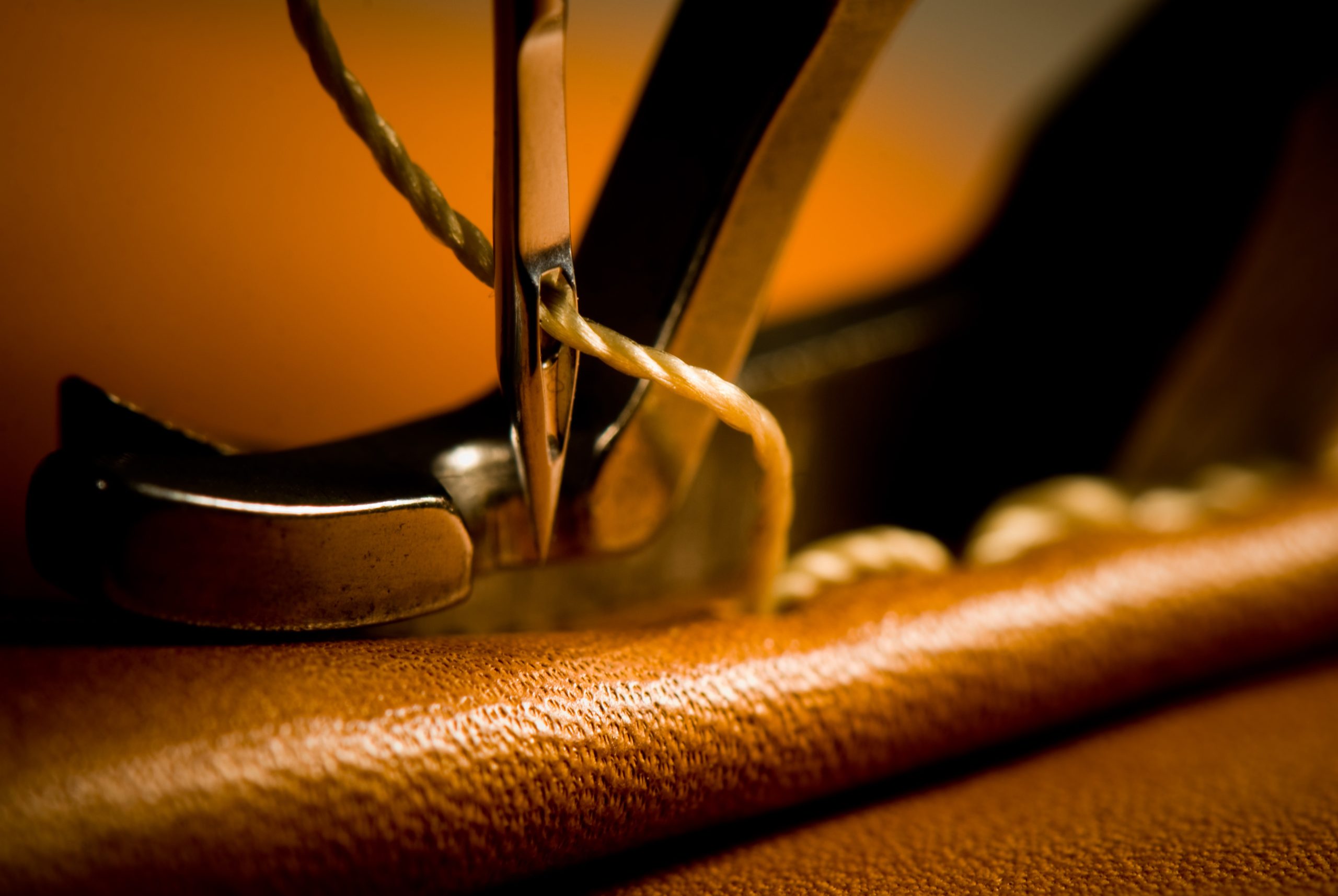
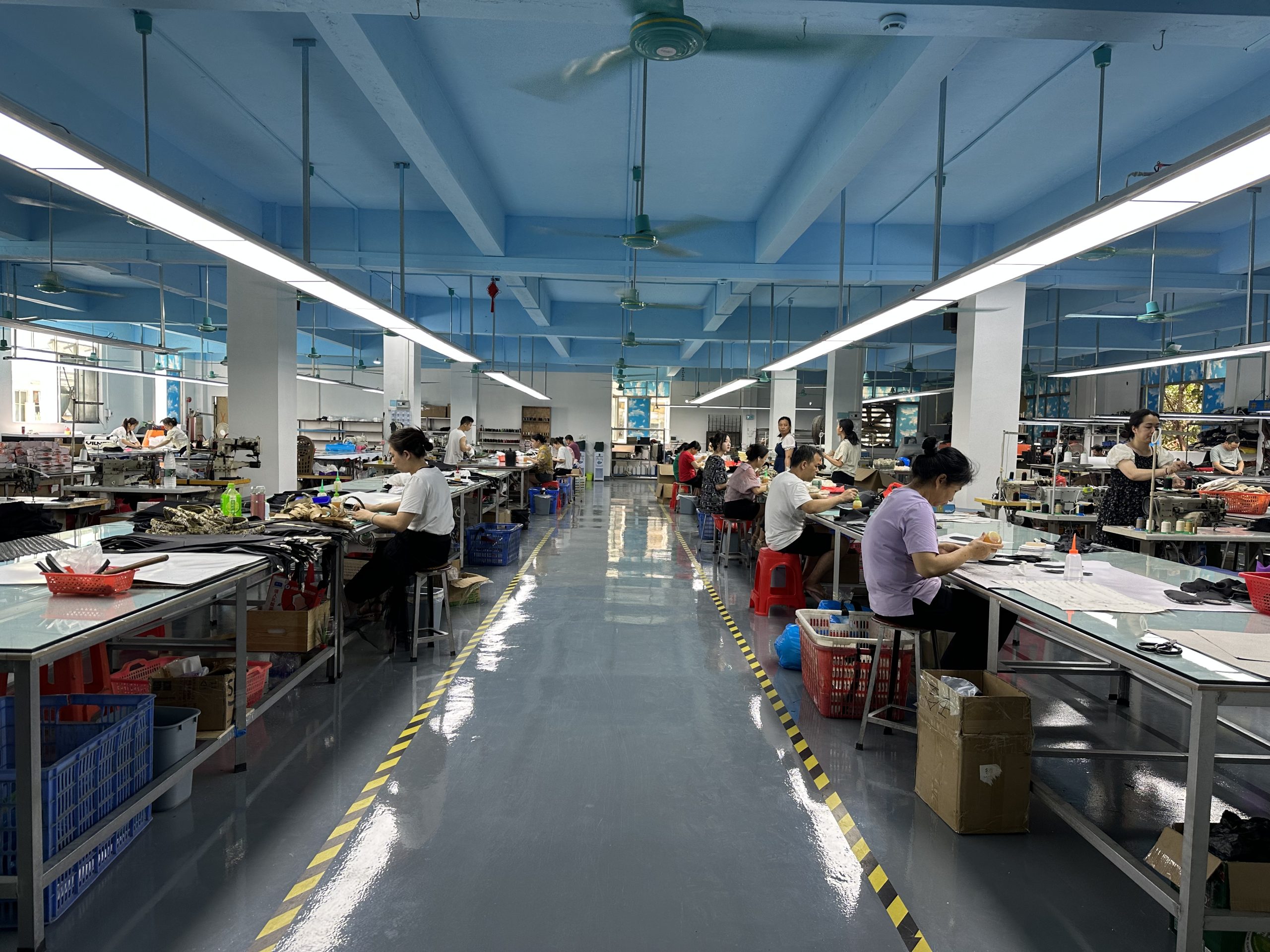
2006: Guangzhou was officially established, initiating cooperation with brands such as VASTO and Dissana.
2012: Production expanded to 3 production lines, connecting with domestic first- and second-tier brands, and obtained ISO9000 certification.
2018: Production base was reorganized, a dust-free workshop was built, and designer brands such as LOUIS QUATORZE were partnered with, achieving an annual output value of 20 million.
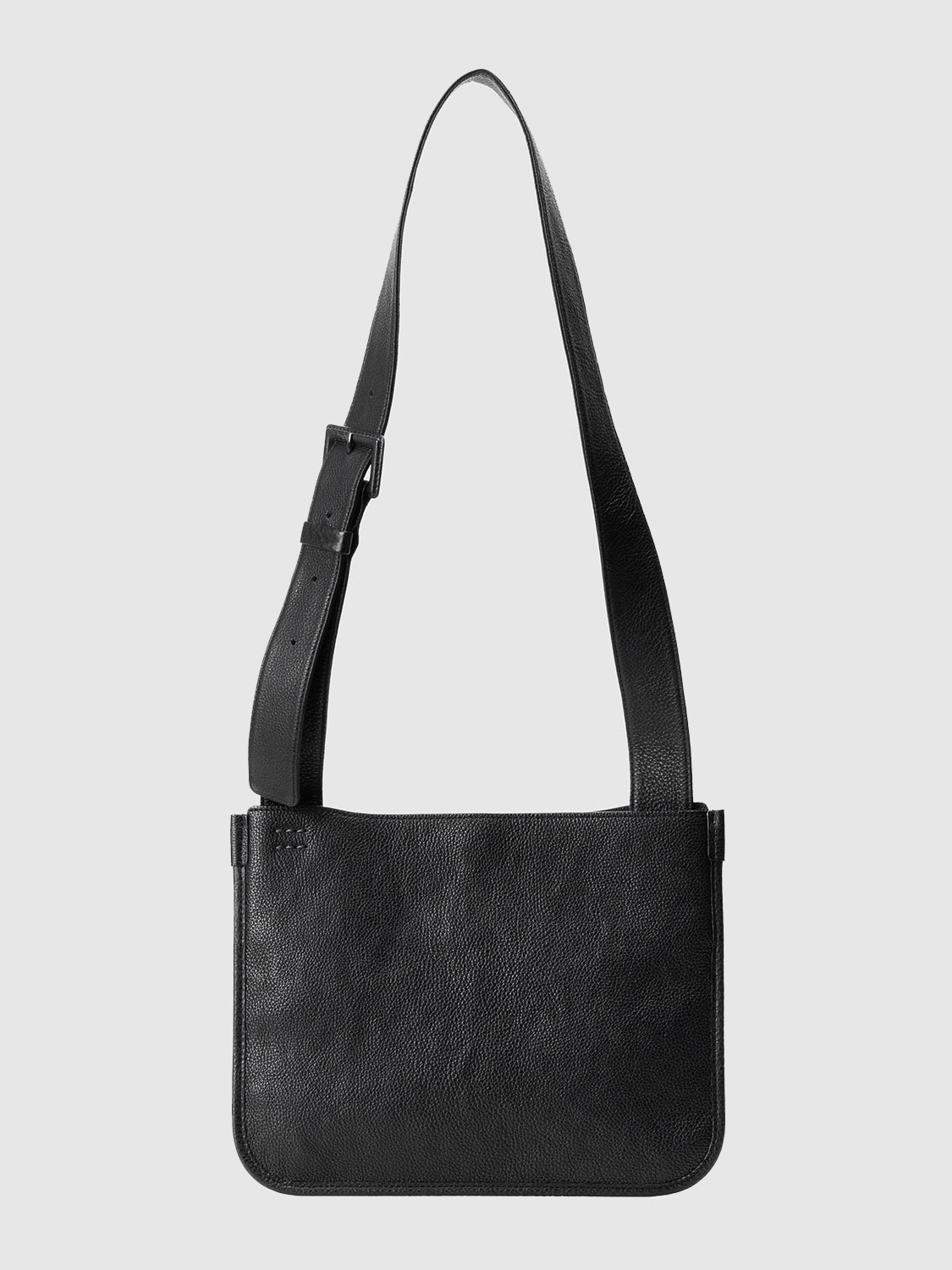
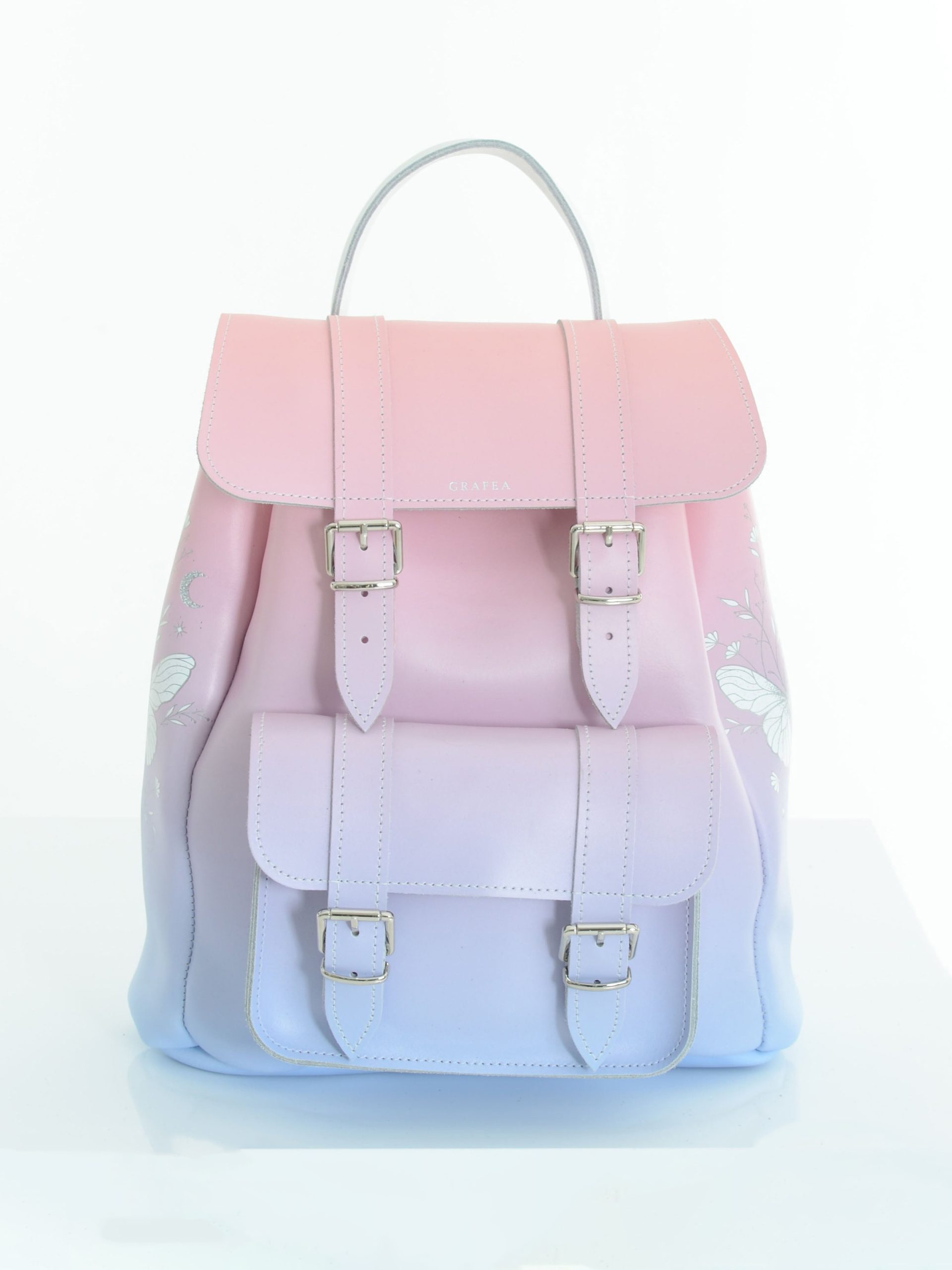
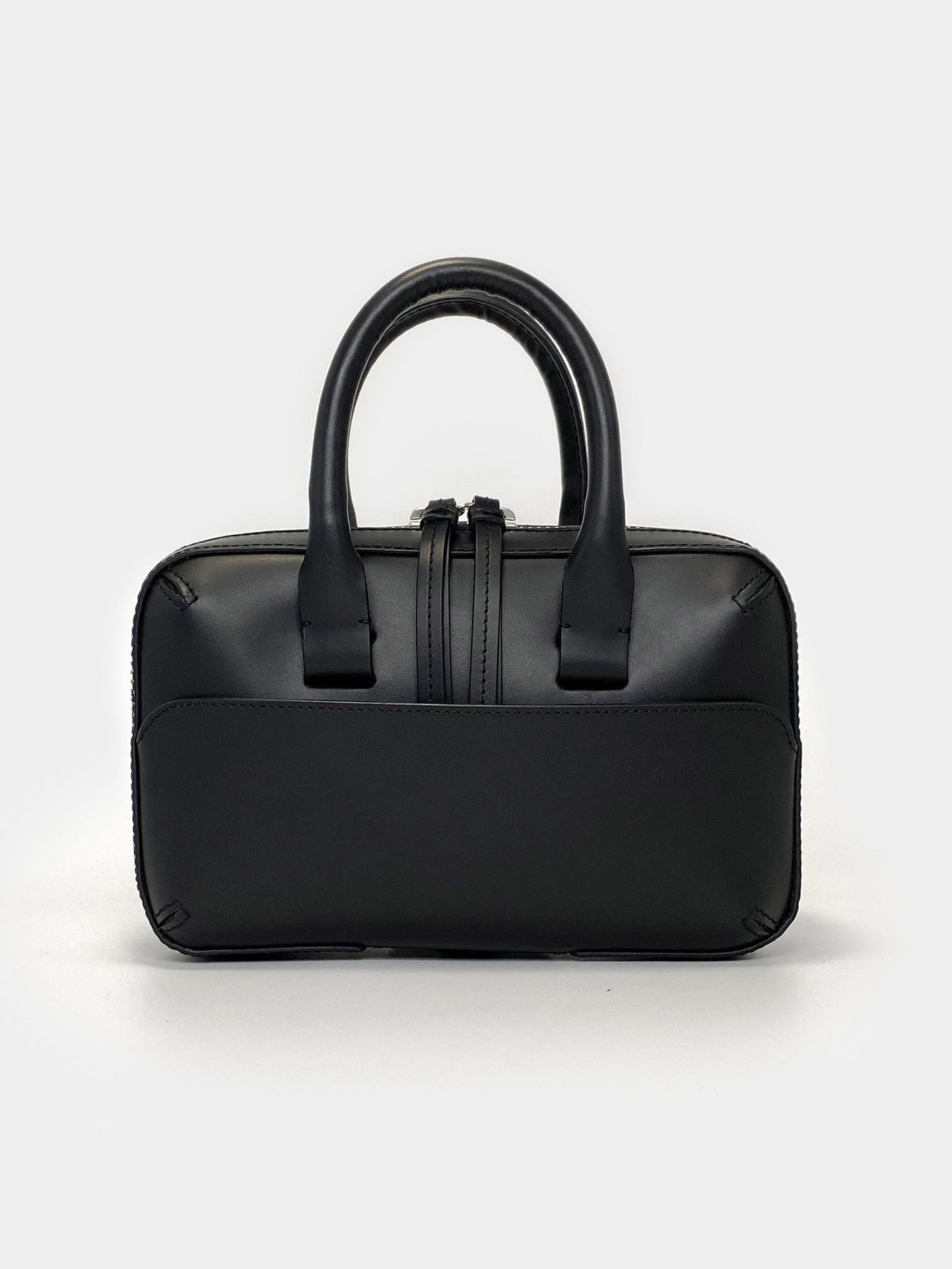
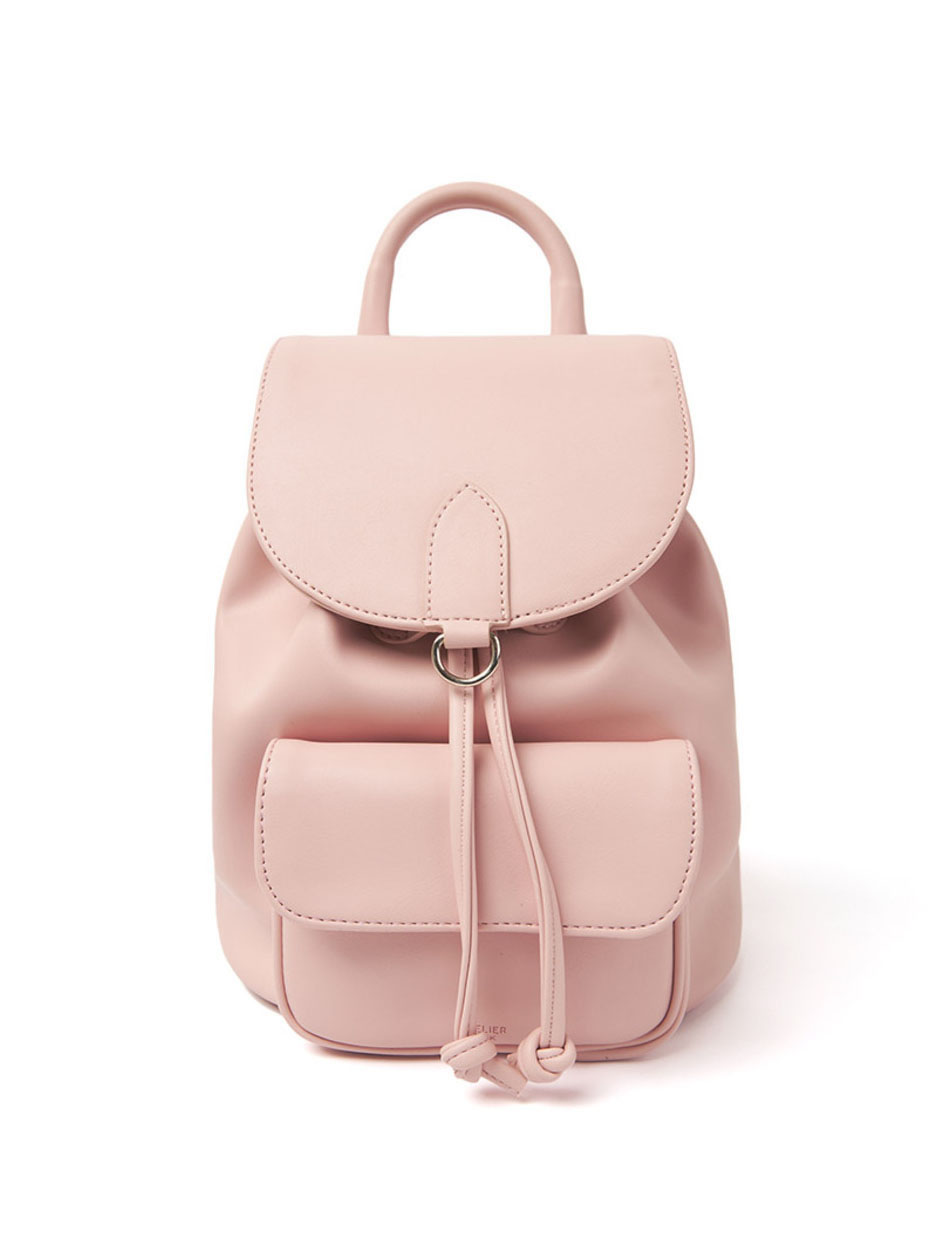
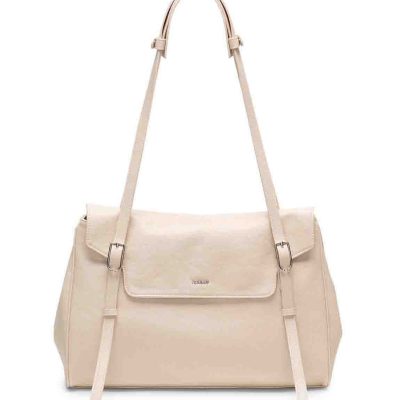
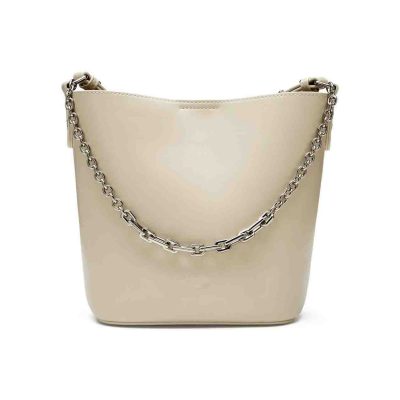
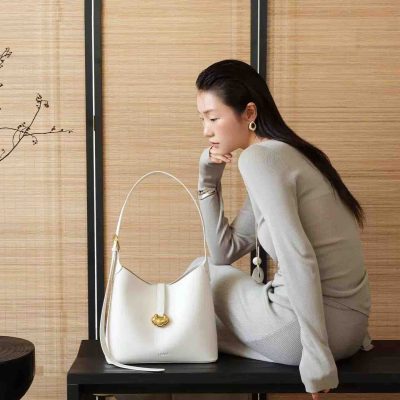
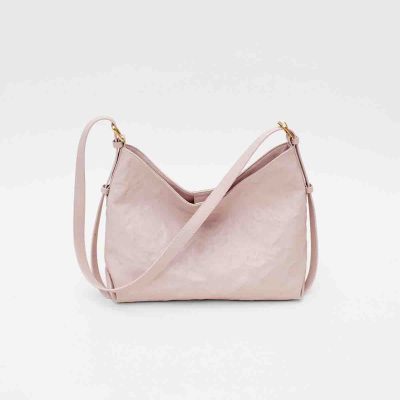
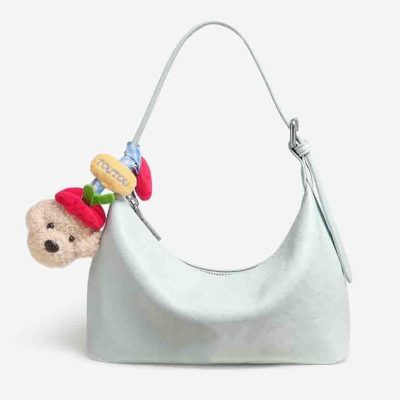
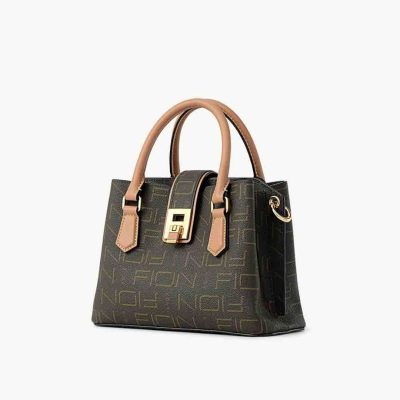
2022: The "2+1" model was implemented, strategically focusing on women's leather goods, and undertaking research, development, and processing for brands such as Red Valley and Goldlion.
2024: Comprehensive implementation of refined management, optimization of full-process quality control, deep cultivation of high cost-effective products, and long-term win-win cooperation
Forging quality with our original aspiration, never compromising on the slightest standard
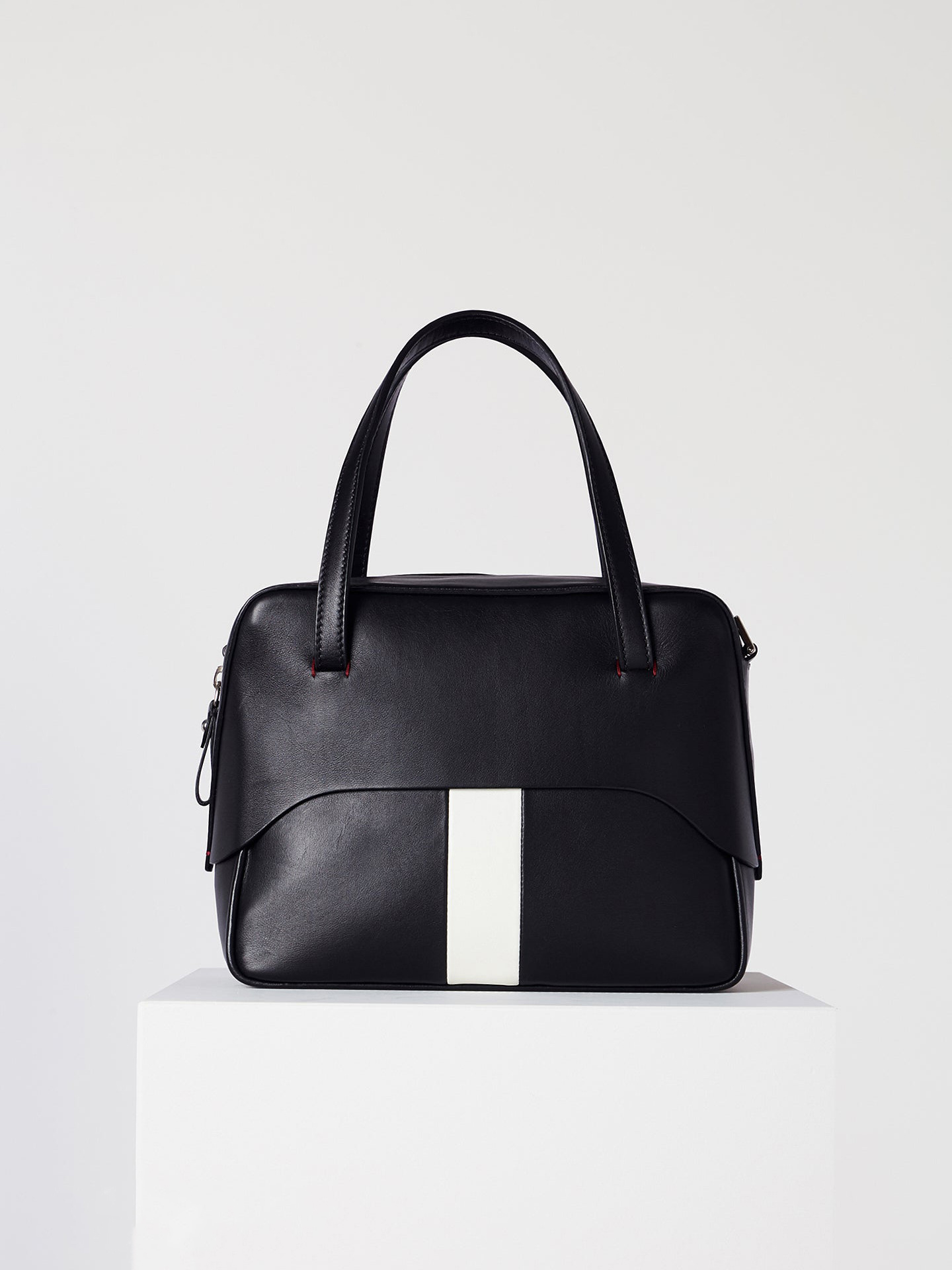
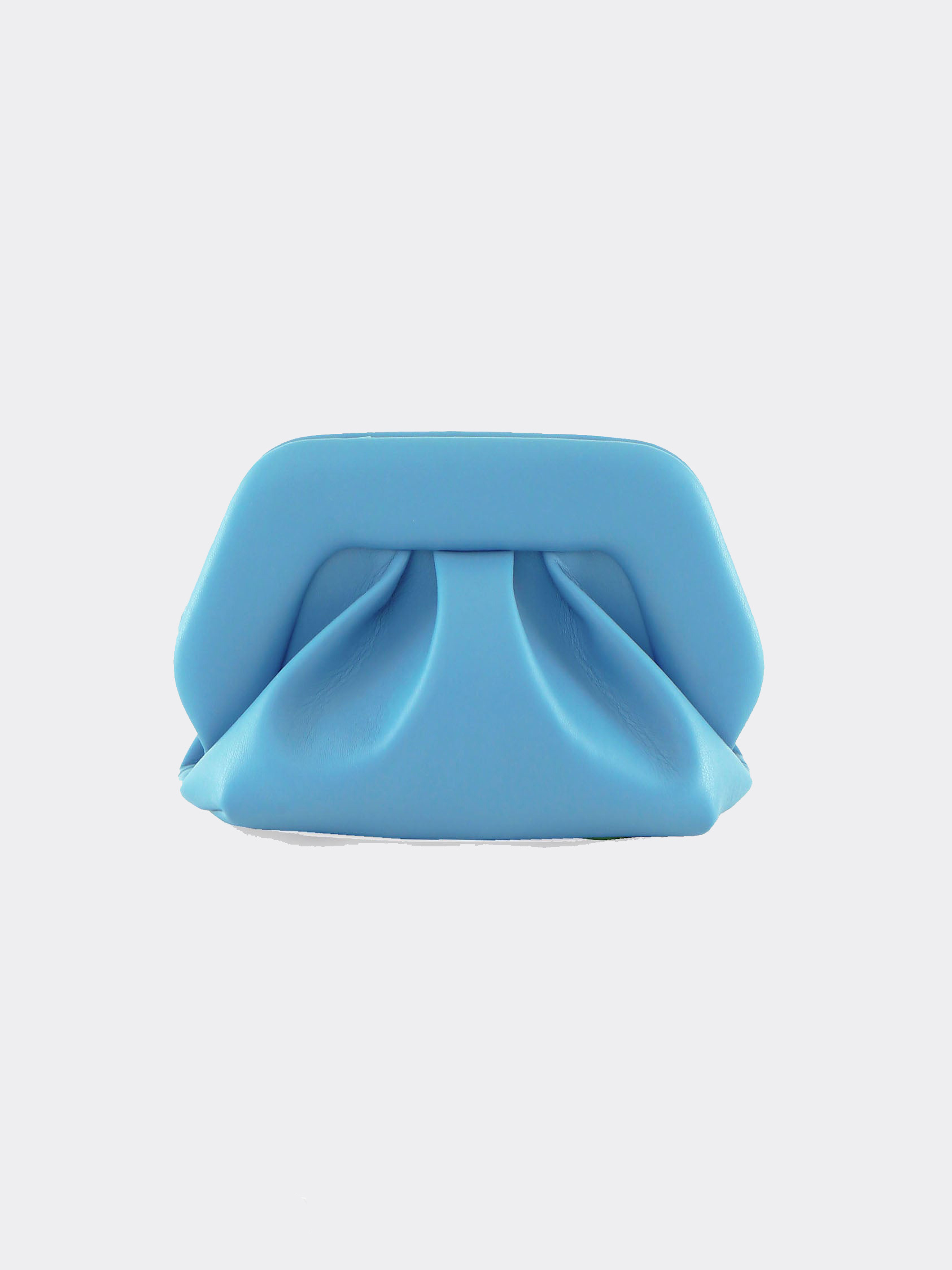
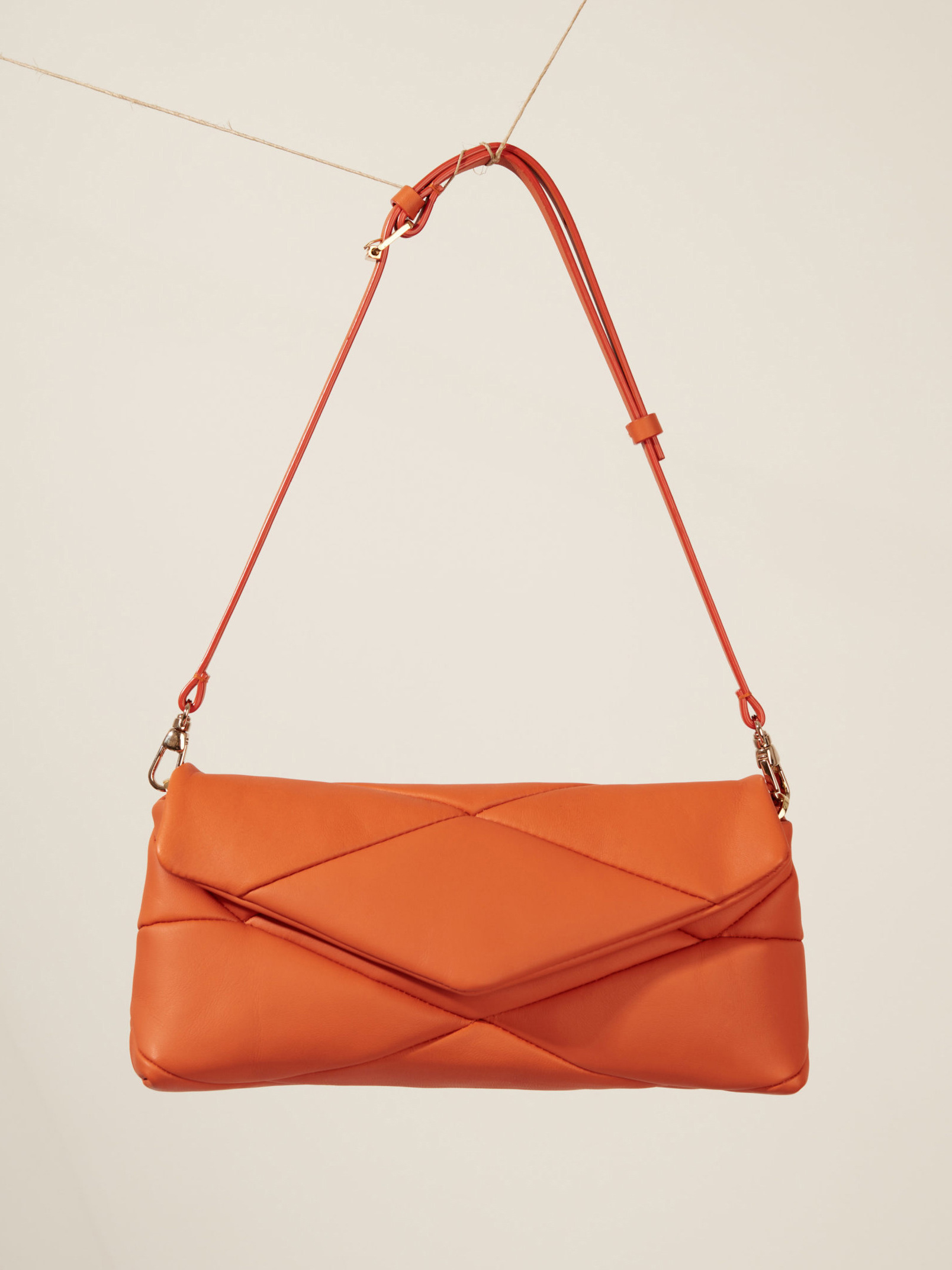
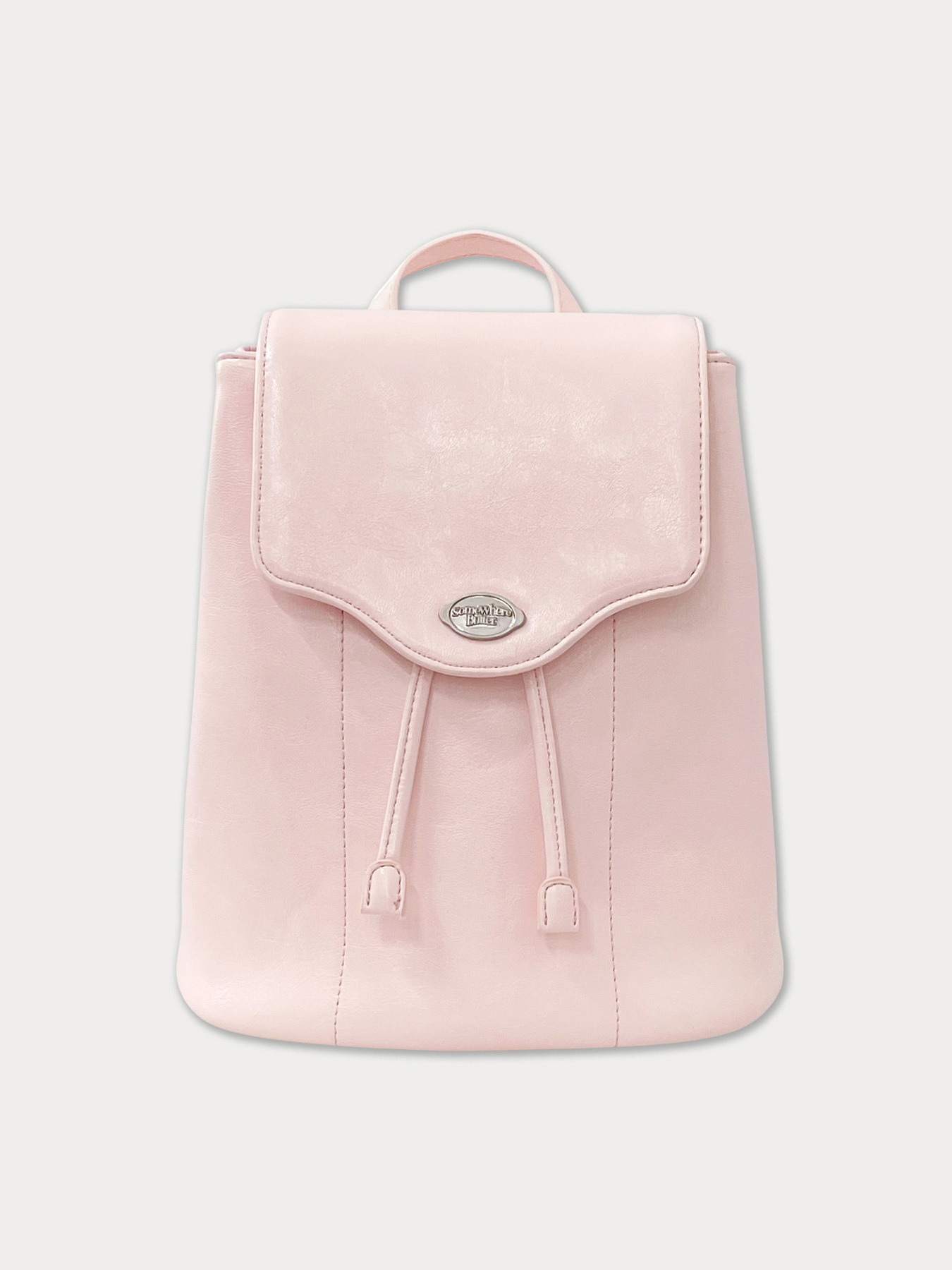
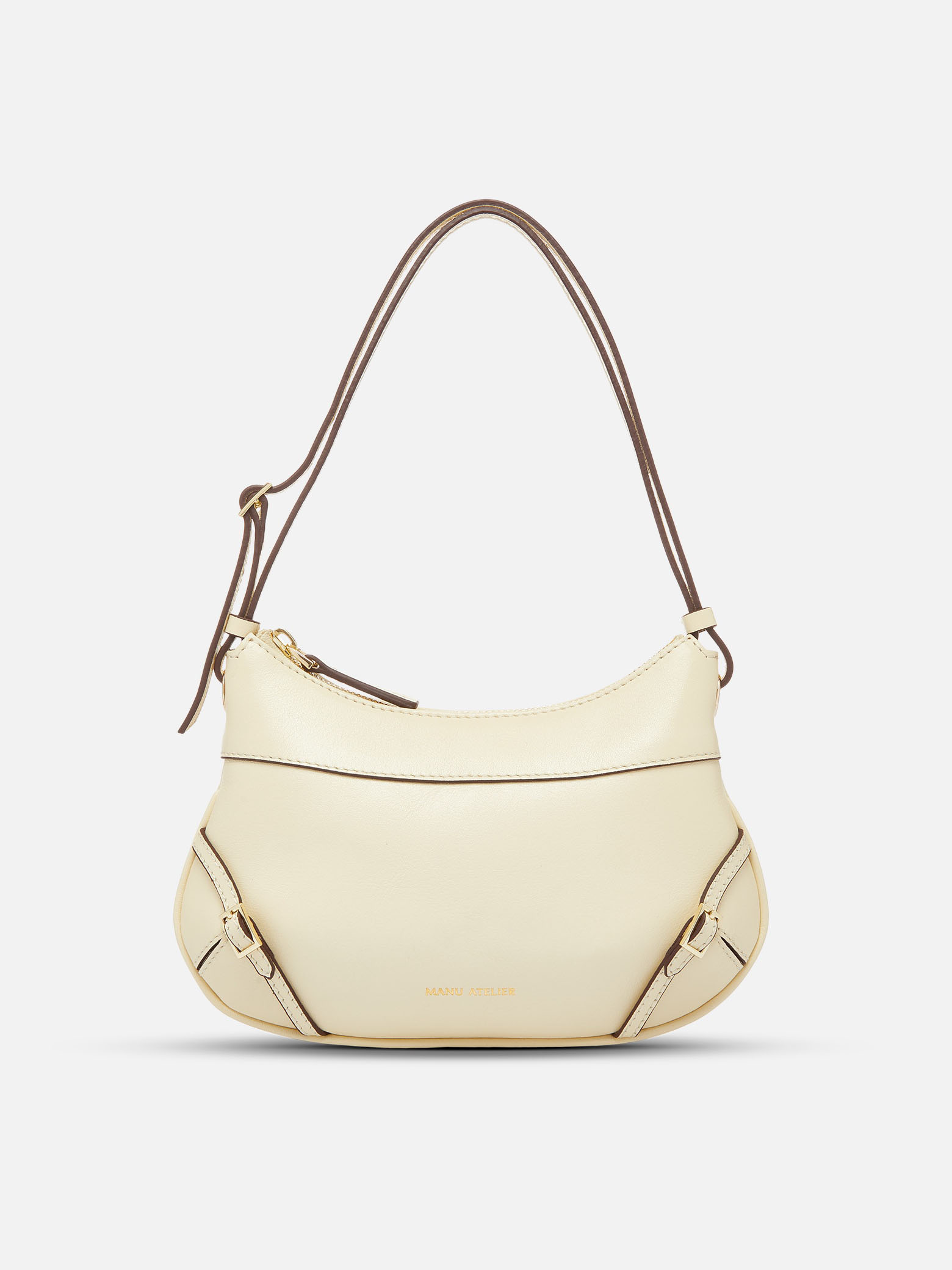
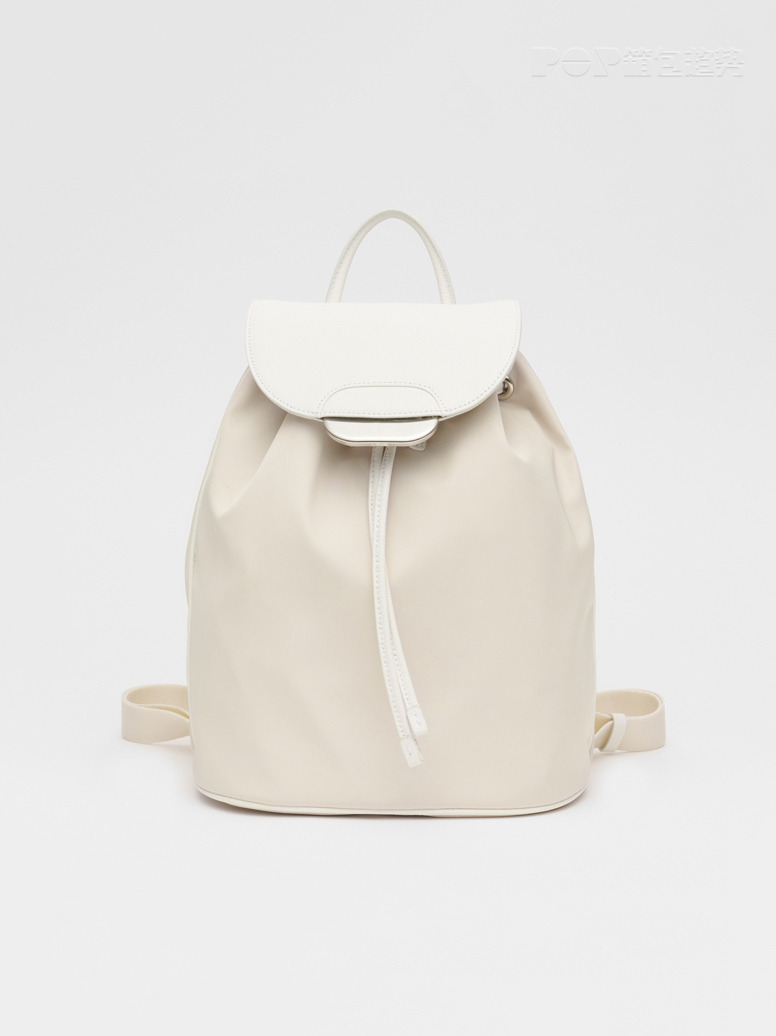
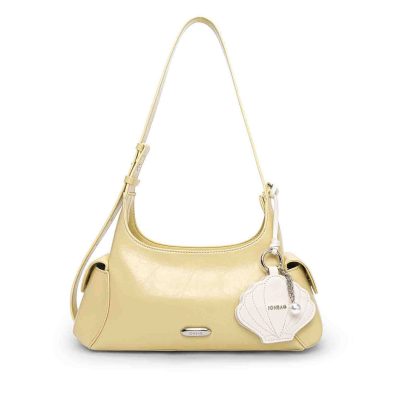
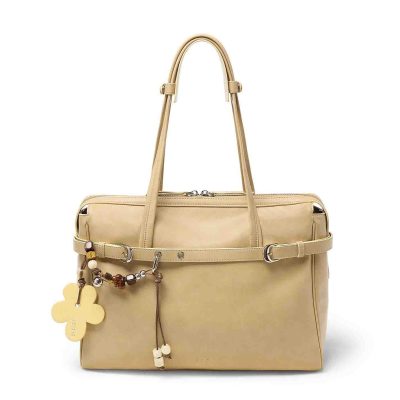
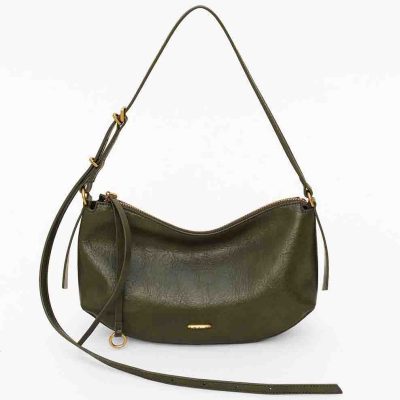
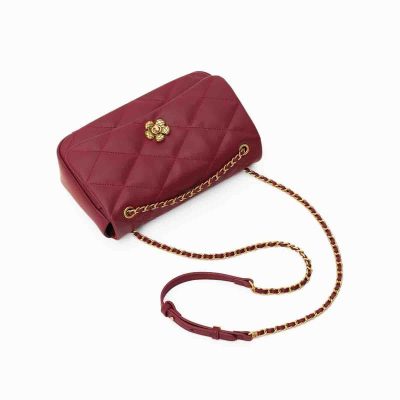
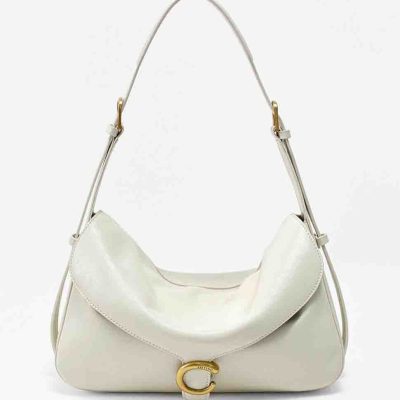
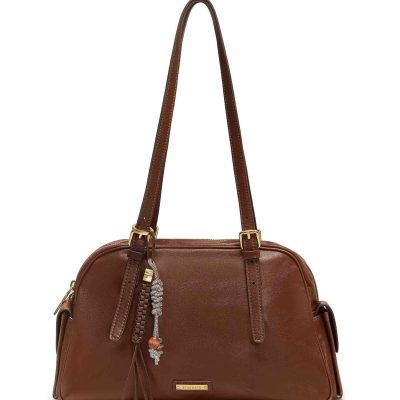

Pakistan footwear exports fell 1.2% to $33.2 million in July-August 2026, but leather footwear volume rose by 8% as the ...
Learn more →
Pakistan Tanners Association has elected Muhammad Azam of Royal Leather Industries as Chairman for 2026-2028, with a new...
Learn more →
Frasers Group has acquired an 8.8% stake in Under Armour, about 16.6 million shares, betting on turnaround of the Americ...
Learn more →
Germany footwear market faces a third year of falling revenue in 2026 as shoppers embrace versatile sneakers, even as sp...
Learn more →
Golden Goose names ex-Burberry executive Giorgio Belloli as Chief Consumer Officer to lead its shift from product brand ...
Learn more →