






Current Path:Home » Industry news » The text

Puma’s #KnowYourStuff: Navigating the Leather vs. Vegan Leather Debate With Radical Transparency

Puma’s #KnowYourStuff: Navigating the Leather vs. Vegan Leather Debate With Radical Transparency

Few topics in the fashion and footwear industries generate as much heated discussion as the leather versus vegan leather debate. It is a subject laden with environmental claims, animal welfare concerns, regulatory scrutiny, and competing definitions of sustainability. Into this complex terrain, Puma has stepped with an unusual move: a seven-episode educational YouTube series called #KnowYourStuff, created in collaboration with Aishwarya Sharma, Puma’s “Voices” ambassador and a Global Goals Ambassador.

Transparency as a Strategy

The #KnowYourStuff series is, in Puma’s words, an attempt to “foster a more informed and balanced conversation about sustainable clothing and footwear choices.” The company acknowledges that the leather topic is “embedded with sensitive themes” and has approached the subject with notable transparency.

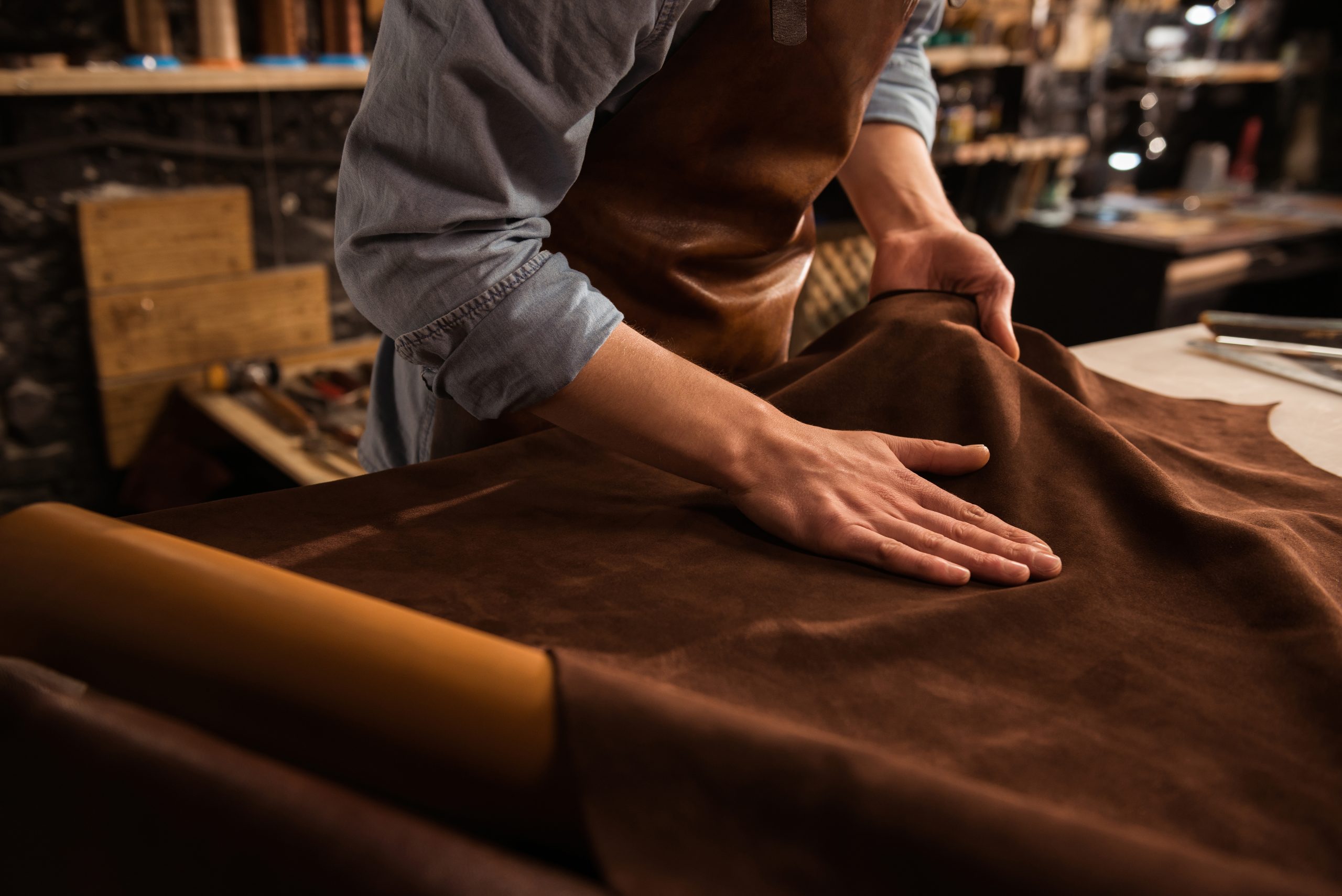
Sharma’s journey takes viewers from the Puma Archive to behind-the-scenes leather processing in Thailand, where she witnesses leather tanning first-hand. Along the way, she interviews Puma stakeholders, PETA representatives, and industry experts, navigating perspectives on animal welfare, the beef industry byproduct argument, cattle farming, deforestation concerns, tanning processes, material innovations, and industry challenges.

The Numbers Behind Puma’s Leather Use

For a company that has “a long history with leather, dating back to the 1950s,” the current numbers are striking: leather accounts for only approximately 4% of Puma’s footwear materials. This relatively low proportion reflects both material innovation (Puma uses substantial volumes of synthetic and textile uppers) and a deliberate material strategy.

Puma’s 10For25 targets include sourcing 100% leather from certified sources. The company works with third parties such as the Leather Working Group to ensure all leather is sourced from certified tanneries. Puma also consults animal protection organisations on a regular basis to review its animal welfare policy and actions.

Why This Series Matters

Puma’s decision to address the leather vs. vegan leather debate so openly is noteworthy for several reasons:

First, it acknowledges complexity. Many brands either avoid the topic entirely or take a simplistic pro-/anti-leather stance. Puma’s series engages with nuance—acknowledging that both leather and its alternatives have environmental and ethical trade-offs.

Second, it brings in critical voices. By including PETA perspectives alongside industry stakeholders, Puma signals willingness to engage with critics—a rarity in corporate sustainability communications.

Third, it targets the next generation. Sharma’s role as a “Voice of a Re:Generation” reflects Puma’s recognition that younger consumers are driving demand for transparency and sustainability. Educating this demographic, rather than simply marketing to them, is a longer-term brand strategy.

The Broader Industry Context

Puma is not alone in grappling with material sustainability. Every major footwear and fashion brand is navigating the same tensions: consumer demand for ethical products, regulatory pressure on environmental claims, innovation in alternative materials, and the realities of global supply chains.

What distinguishes Puma’s approach is the format. A seven-episode YouTube series is a significant investment in education-over-marketing. It also reflects confidence: Puma is willing to show leather processing, discuss deforestation concerns, and engage with PETA—all on the record.

Leather’s Byproduct Argument

One of the series’ key themes is the characterization of leather as a byproduct of the beef industry. This is a central argument in leather’s sustainability narrative: if cattle are raised primarily for meat, leather uses a material that would otherwise be waste.

However, the series also appears to address counterarguments—including concerns about cattle farming’s environmental impact, deforestation (particularly in the Amazon), and animal welfare. By including these perspectives, Puma avoids presenting a one-sided narrative.

What Viewers Learn

Without having viewed all seven episodes, the series’ structure suggests it covers:

  • The leather tanning process and environmental safeguards
  • Alternative materials and their environmental profiles
  • Animal welfare considerations
  • Industry challenges and innovations
  • How consumers can make informed material choices

Implications for the Leather Industry

Puma’s #KnowYourStuff series is part of a broader trend: major brands voluntarily increasing transparency about their material sourcing. For tanneries and leather suppliers, this trend has clear implications. Brands that educate their consumers about leather will increasingly demand verifiable sustainability credentials from their suppliers.

The Leather Working Group certification that Puma requires is becoming a de facto standard for accessing major brand supply chains. Tanneries without credible certification will find themselves excluded from mainstream footwear and fashion supply chains.

A Step Toward Informed Choice

Ultimately, Puma’s #KnowYourStuff series is not about convincing viewers that leather is good or bad. It is about providing information that allows consumers to make informed choices—a positioning that reflects a maturing approach to sustainability communication.

In an industry often criticized for greenwashing, Puma’s willingness to engage with complexity, include critical voices, and invest in consumer education is commendable. Whether it shifts consumer perceptions remains to be seen—but it undoubtedly raises the bar for transparency in the footwear and fashion industries.

Source: Leather International – Puma explores leather vs vegan leather debate in new YouTube series (October 16, 2024)

未经允许不得转载:Galan Leather- Guangzhou Galan Leather Co., Ltd » Puma’s #KnowYourStuff: Navigating the Leather vs. Vegan Leather Debate With Radical Transparency
Share to
Prev page
Next page

相关推荐

Contact Us
+86 177 0401 1789
Beijing time, Monday to Friday, 8:00 am to 11:00 pm
contact-img