







Red Wing Shoe Company Diverts 1.87 Million Pounds of Leather Waste in Circular Economy Breakthrough
In an industry often criticized for its environmental footprint, a family-owned American footwear manufacturer has quietly achieved a milestone that deserves wider attention. Since September 2025, Red Wing Shoe Company has diverted 1.87 million pounds of leather waste from landfill across its facilities in Red Wing, Minnesota—a figure that translates to approximately 850 metric tons of material that would otherwise have decomposed in a dump.
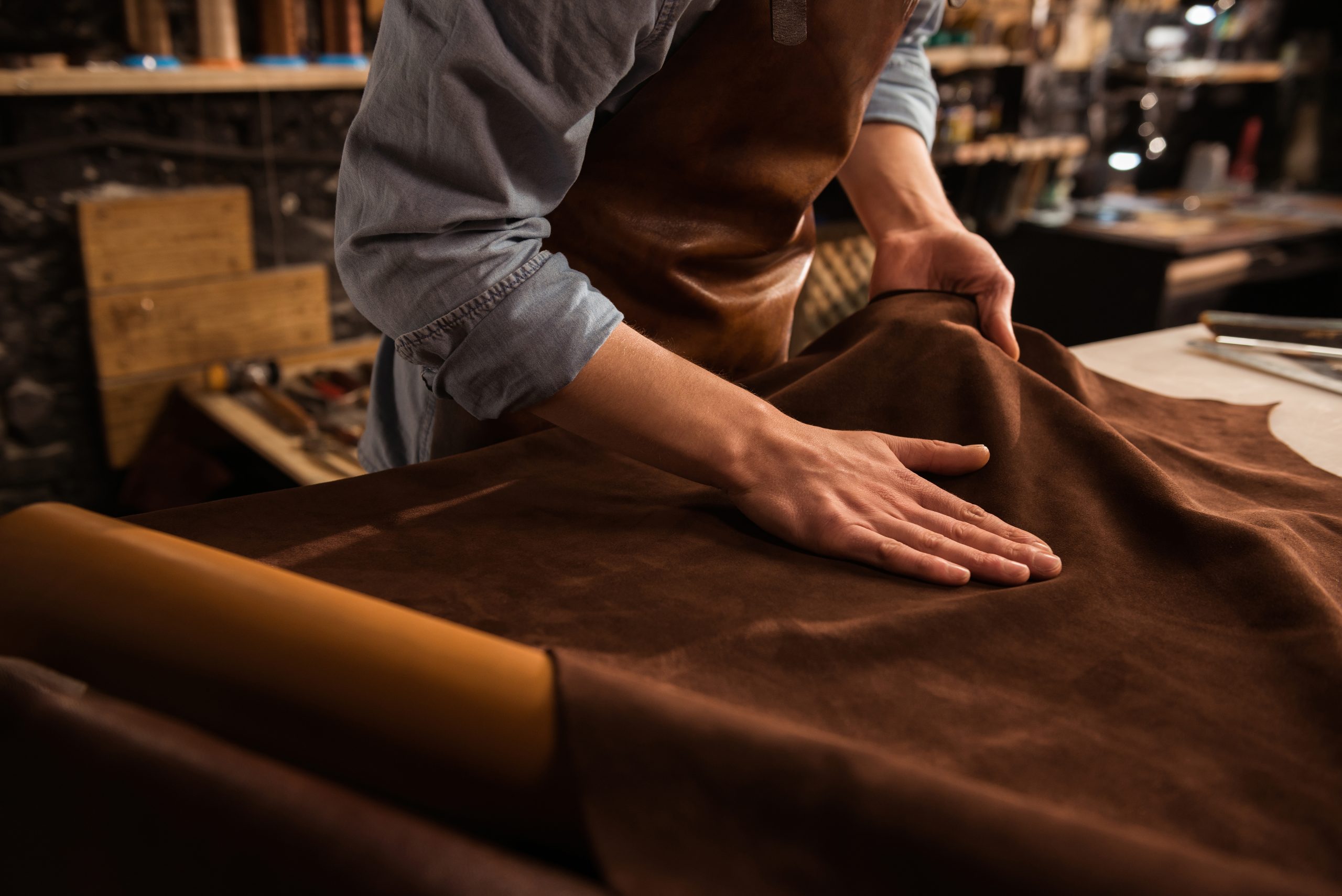
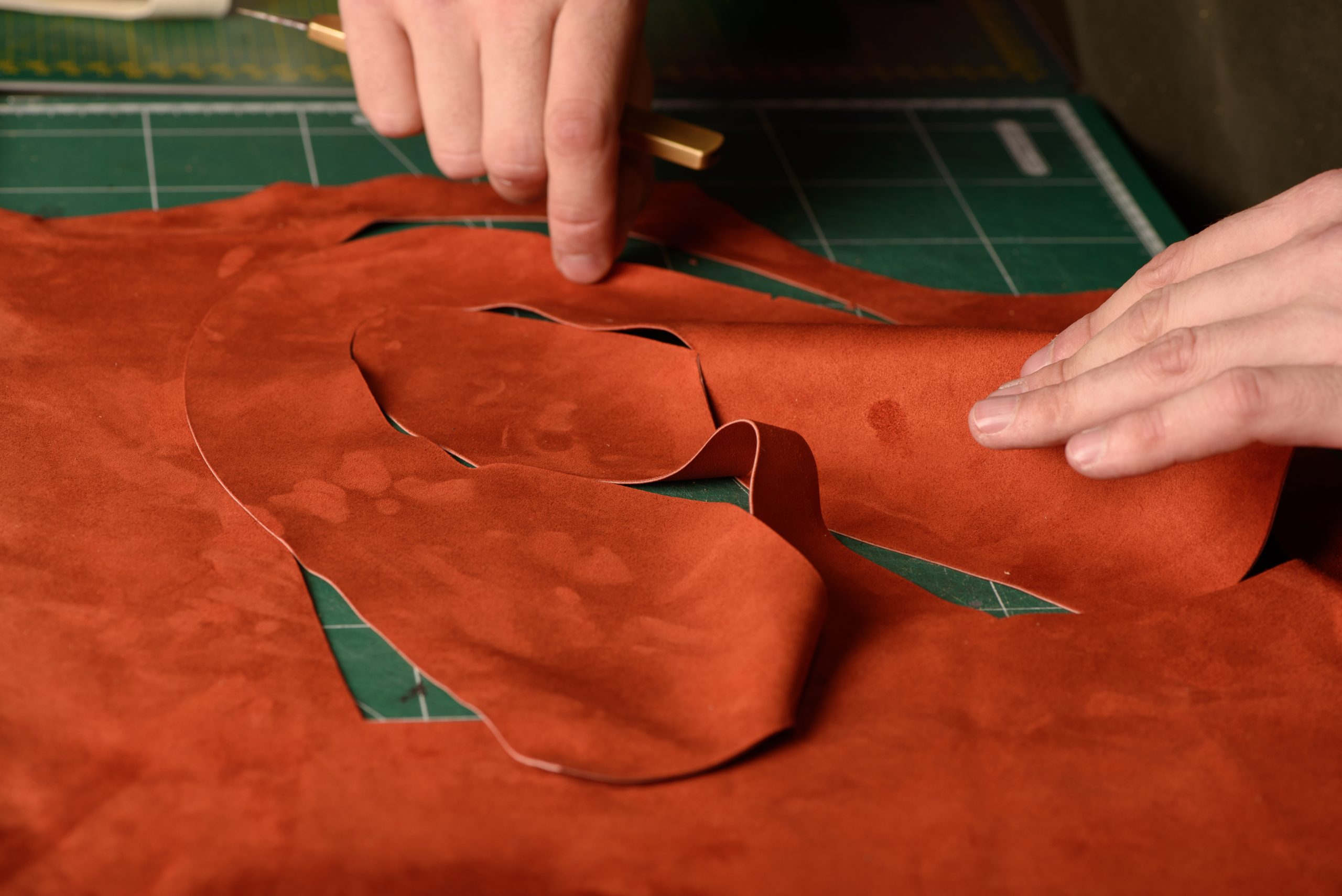
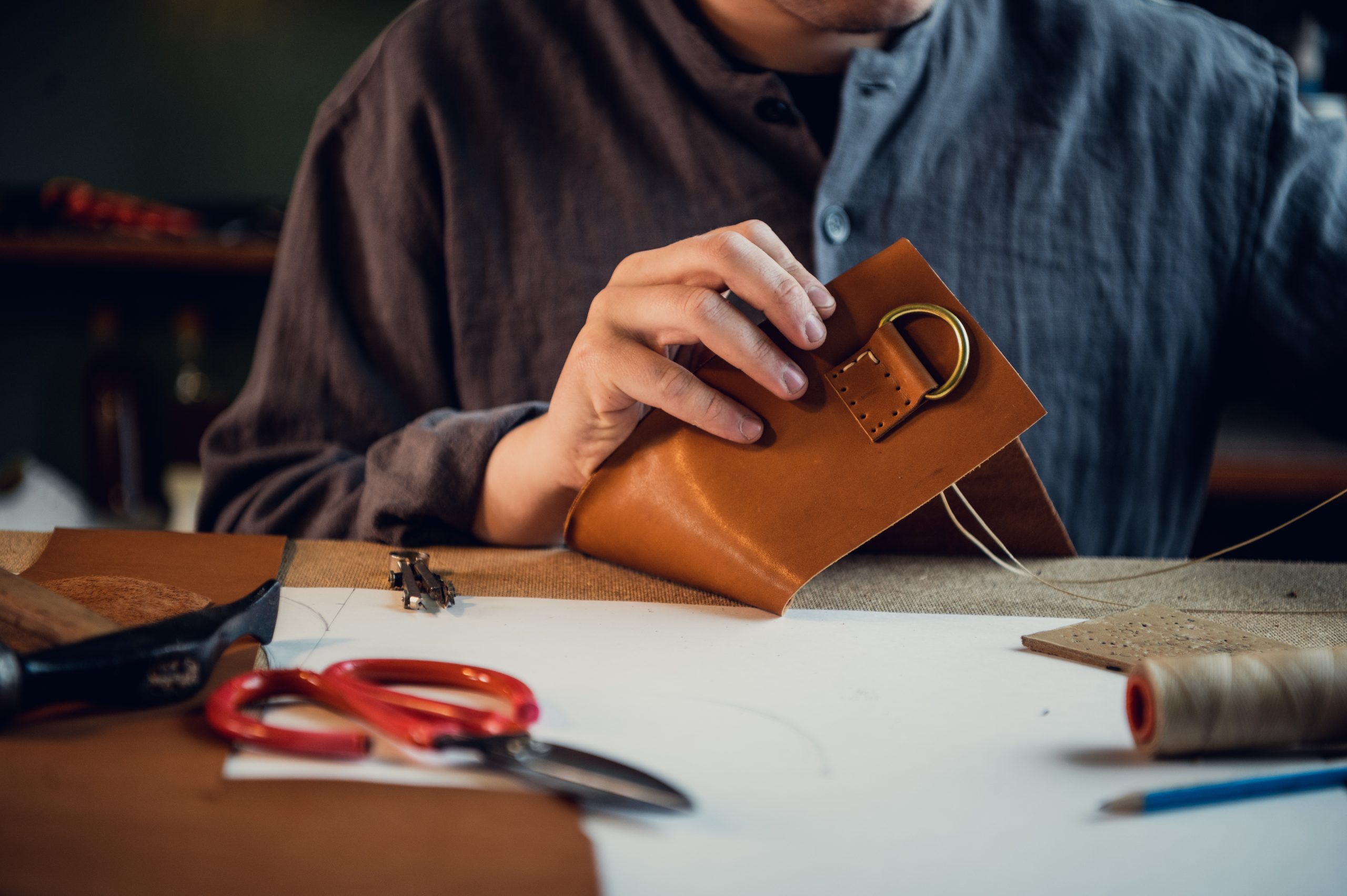
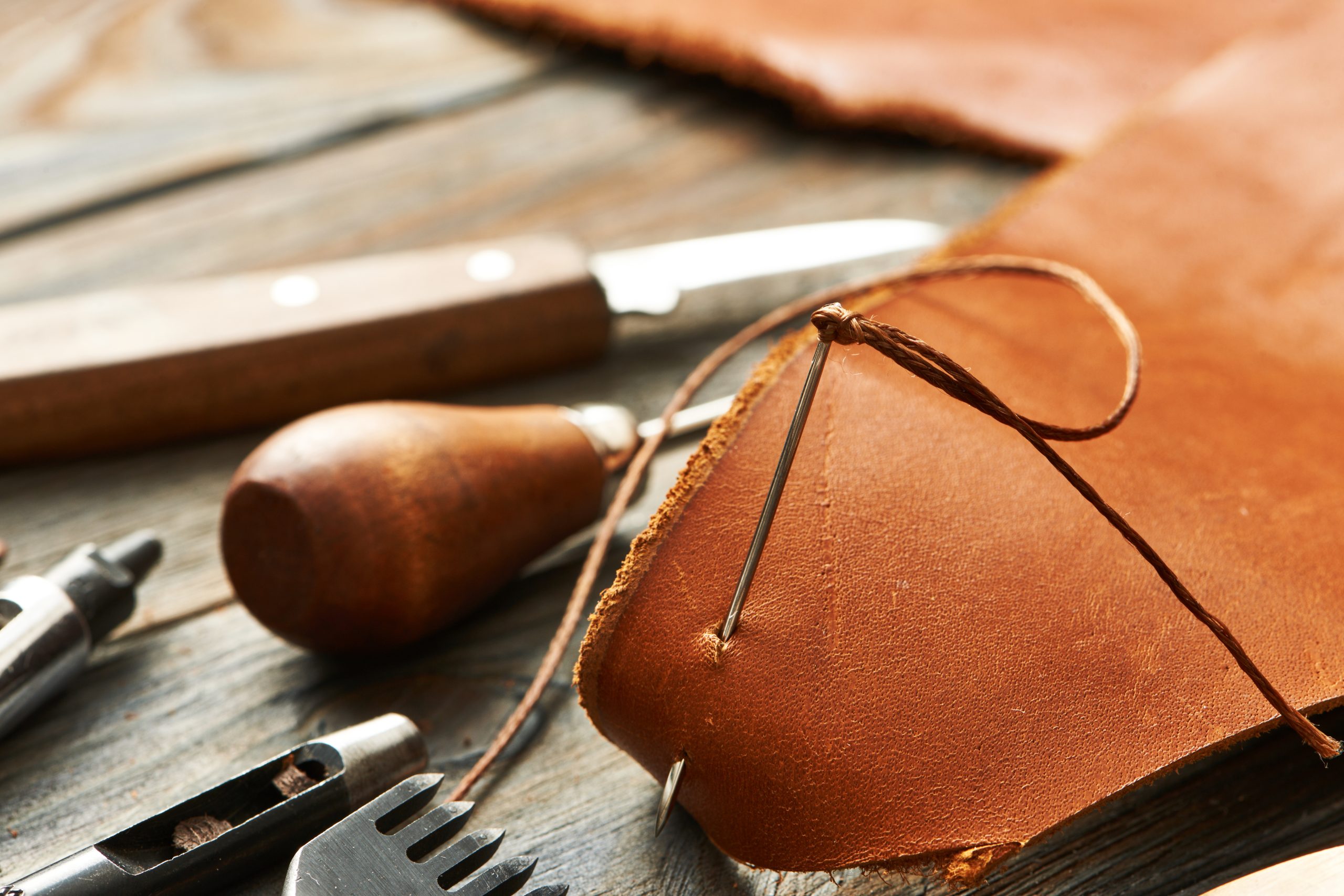
The achievement is not the product of a single innovation but rather a systematic rethinking of what happens to leather offcuts, trimmings, and end-of-roll remnants that are an inevitable byproduct of shoemaking. For Red Wing, a company that has been manufacturing boots in the same Minnesota town since 1905, the waste management program represents a shift from disposal to circularity.
The mechanics of the program are straightforward but effective. One hundred percent of the leather waste generated at Red Wing’s Minnesota facilities is now sent to Matter Systems, a company that converts leather waste into biochar—a stable, carbon-rich material that can improve soil health and support long-term carbon storage. Biochar is produced through pyrolysis, a process that heats organic material in the absence of oxygen. The result is a charcoal-like substance that, when added to soil, can enhance water retention, nutrient availability, and microbial activity while sequestering carbon for centuries.
For a tannery or shoe factory, leather waste has traditionally been a disposal cost. Offcuts from cutting room floors, rejected skins, and trimmings from shoe uppers all accumulate rapidly in a high-volume manufacturing environment. Sending that material to landfill is the path of least resistance, but it is also a wasted opportunity—both economically and environmentally. Leather is protein-rich organic material; when it decomposes in a landfill, it produces methane, a greenhouse gas with roughly 28 times the warming potential of carbon dioxide over a 100-year timeframe.
Red Wing’s approach reframes the problem. By partnering with Matter Systems, the company is not merely “disposing of” waste; it is feeding a process that creates a useful output. Biochar has applications in agriculture, horticulture, and even construction materials. It is, in the truest sense, a circular economy solution: a “waste” stream becomes an input for another industry.
The initiative sits within Red Wing’s broader Corporate Social Responsibility framework and involves teams across Manufacturing, Supply Chain, and S.B. Foot Tanning Company, the company’s adjacent tannery that has been producing leather in Minnesota since 1872. That cross-functional involvement matters. Circular economy programs often fail when they are siloed within a sustainability office; Red Wing appears to have recognized that waste management is a manufacturing challenge, a supply chain challenge, and a corporate responsibility challenge all at once.
There is also a longer-term strategic implication. As regulatory frameworks around waste and circularity tighten—particularly in markets where Red Wing exports its products—having a demonstrable, quantifiable waste diversion program is not just good citizenship; it is risk management. The ability to show that 1.87 million pounds of material have been diverted from landfill is the kind of data point that will matter in an era of mandatory sustainability reporting.
Red Wing remains a fourth-generation family business, a rarity in an industry where private equity and public markets have reshaped many legacy brands. That ownership structure may help explain the patient, long-term orientation that circular economy work requires. Biochar partnerships do not pay back in a single quarter. They are measured in years and, ideally, in the health of the soils where the biochar ultimately ends up.
The 1.87 million pounds figure is not a final destination. It is a milestone. As Red Wing continues to refine its cutting efficiency, explore additional outlets for leather waste, and potentially expand the program to other facilities, the cumulative impact will grow. For an industry that sometimes struggles to articulate its environmental progress in concrete terms, Red Wing has provided a number worth talking about.
Source: Leather News – Red Wing Shoe Company Diverts 1.87 Million Pounds of Leather Waste from Landfill

中文