









Tyson’s Beef Losses Just Got Worse — And the Hide Market Should Be Paying Attention
Tyson Foods had a good quarter almost everywhere except the one place that matters most to the leather industry.
The US protein giant reported stronger third-quarter results for fiscal 2026, powered by chicken and prepared foods. Yet the beef division deteriorated badly enough that management widened its full-year loss forecast for the segment. For tanneries, hide traders and anyone whose raw material begins its life in a US feedlot, that revision is the most important number in the release.
The Headline Numbers
For the nine months ending 27 June 2026, sales rose 3.1% year-on-year to $41.8 billion, with adjusted operating income of $1.7 billion. Third-quarter sales came in at $13.86 billion, broadly flat against the prior year, while adjusted earnings per share improved to $0.99 from $0.91.
That is a respectable performance from a diversified protein business navigating a volatile market. President and CEO Donnie King pointed to disciplined execution and the resilience of the portfolio, and the chicken and prepared foods segments justify that framing.
Beef does not.
A Loss Forecast That Keeps Widening
Tyson now expects its beef segment to post an adjusted operating loss of $500 million to $650 million for fiscal 2026. The previous guidance was a loss of $350 million to $500 million. In other words, the company has moved the bottom of its expected loss range down by $150 million within a single quarter.
Total adjusted operating income for the full year is now guided to $2.1 billion to $2.3 billion — meaning the beef division is effectively erasing more than a fifth of what the rest of the business earns.
The cause is not a demand problem. It is a supply problem, and a structural one.
Tight Cattle Supply Is the Root Cause
US cattle supplies remain historically tight. Years of drought-driven herd liquidation, followed by high interest rates that made rebuilding expensive, have left packers competing for a shrinking pool of animals. Livestock costs have risen sharply, and while beef prices have also increased, they have not risen fast enough to protect packer margins.
The consequence shows up starkly in one figure: beef sales volumes fell 16% during the quarter.
That is a very large decline, and it is the number the leather sector should sit with for a moment.
Why This Travels Straight into the Leather Supply Chain
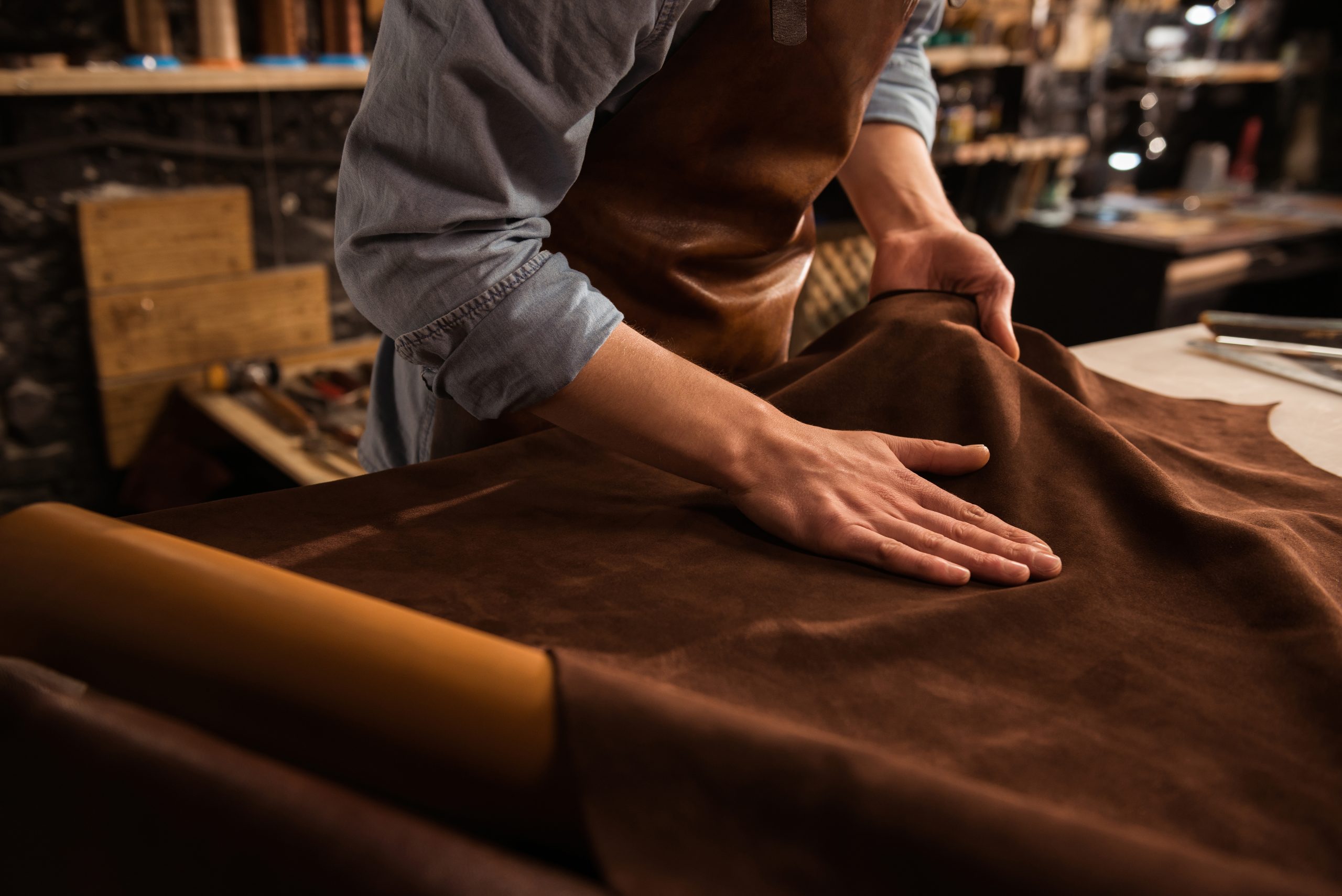
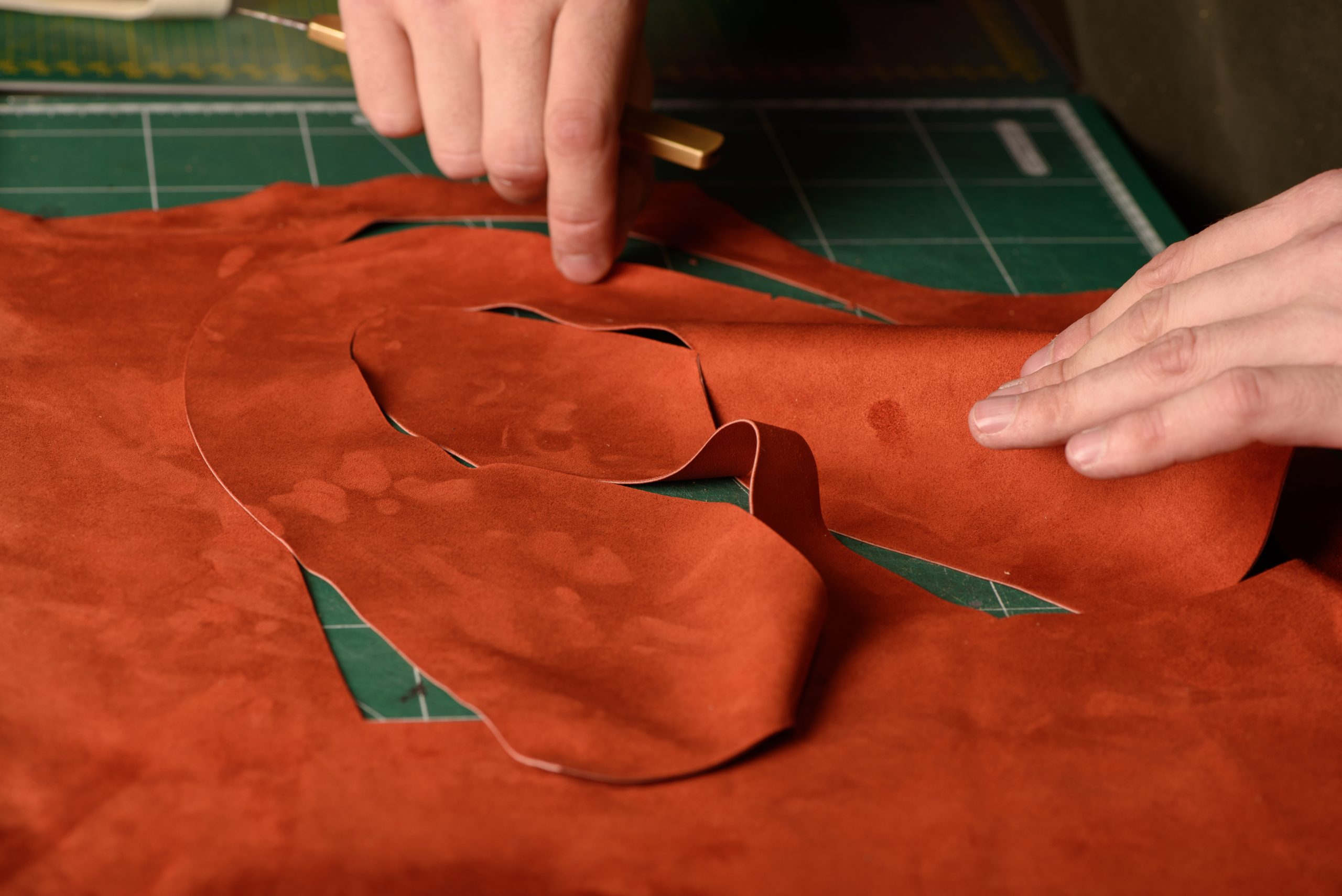
Hides are a by-product. No packer kills cattle to produce leather; hides come off the line because animals are being processed for meat. Which means hide availability is entirely hostage to slaughter volumes — and slaughter volumes are falling.
A 16% drop in beef volumes at the largest US processor is not an abstraction. It translates directly into fewer US hides reaching the market, and US hides occupy a specific and hard-to-replace position in global leather: large, consistently graded, and favoured by automotive and premium upholstery buyers who need surface area and uniformity.
When that supply tightens, three things typically follow. Hide prices firm even in the absence of strong leather demand. Buyers who need volume and consistency start looking at alternative origins — South America, Europe, Australia — and pay up for them. And tanneries running on thin margins find their raw material line item moving against them regardless of what their customers are willing to pay.
The Uncomfortable Asymmetry
Here is the part that makes this cycle different from a straightforward shortage. Higher hide prices driven by scarcity are not the same as higher hide prices driven by demand. In a demand-led market, tanneries can pass costs downstream because their customers are buying more. In a supply-led squeeze, they often cannot, because the finished-leather market is soft at the same time that raw material is expensive.
That is roughly where the industry sits now. Luxury leather goods demand has been uneven. Footwear production was broadly flat in 2025. Automotive interiors face ongoing substitution pressure. Meanwhile the raw material gets scarcer.
What to Watch Next
Herd rebuilding is slow by biology, not by choice. Retaining heifers to grow the breeding herd means withholding them from slaughter, which tightens supply further before it loosens. Any genuine recovery in US cattle numbers is a multi-year process, and the earliest stages of it make the hide shortage worse, not better.
For buyers, that argues for locking in supply relationships rather than shopping spot. For tanneries, it argues for being ruthless about yield, since every point of waste on an expensive hide costs more than it did two years ago. And for anyone modelling raw material budgets into 2027, Tyson’s widened loss guidance is a fairly loud signal that the squeeze has not peaked.
The meat business will eventually work through this. The leather business has to live with the consequences in the meantime.
Source: International Leather Maker
TL;DR
Tyson’s Beef Losses Just Got Worse — And the Hide Market Should Be Paying Attention Tyson Foods had a good quarter almost everywhere except the one place that matters most to the leather industry.…
Frequently Asked Questions
2?
Tyson’s Beef Losses Just Got Worse — And the Hide Market Should Be Paying Attention Tyson Foods had a good quarter almost everywhere except the one place that matters most to the leather industry.
2?
Tyson’s Beef Losses Just Got Worse — And the Hide Market Should Be Paying Attention Tyson Foods had a good quarter almost everywhere except the one place that matters most to the leather industry.
2?
Tyson’s Beef Losses Just Got Worse — And the Hide Market Should Be Paying Attention Tyson Foods had a good quarter almost everywhere except the one place that matters most to the leather industry.
2?
Tyson’s Beef Losses Just Got Worse — And the Hide Market Should Be Paying Attention Tyson Foods had a good quarter almost everywhere except the one place that matters most to the leather industry.
Key Takeaways
Tyson’s Beef Losses Just Got Worse — And the Hide Market Should Be Paying Attention Tyson Foods had a good quarter almost everywhere except the one place that matters most to the leather industry. The implications extend across the leather, tannery, and footwear value chain—signals that buyers, suppliers, and investors should track closely.
Related Articles
- What should I do if the coating on the second-layer leather falls off? The peeling of the second-layer leather is not your fault; it’s just that it has a naturally short lifespan
- Mushroom Leather Just Leveled Up — and Hermès Is Already Paying Attention
- Zara’s Parent Company Just Posted Monster Numbers — and Leather Is All Over the Collection

中文