



Current Path:Home » Industry news » The text

VIRAL: The Portuguese Brand Turning Deadstock Leather into Anti-Code Fashion — and Why It Matters

VIRAL: The Portuguese Brand Turning Deadstock Leather into Anti-Code Fashion — and Why It Matters

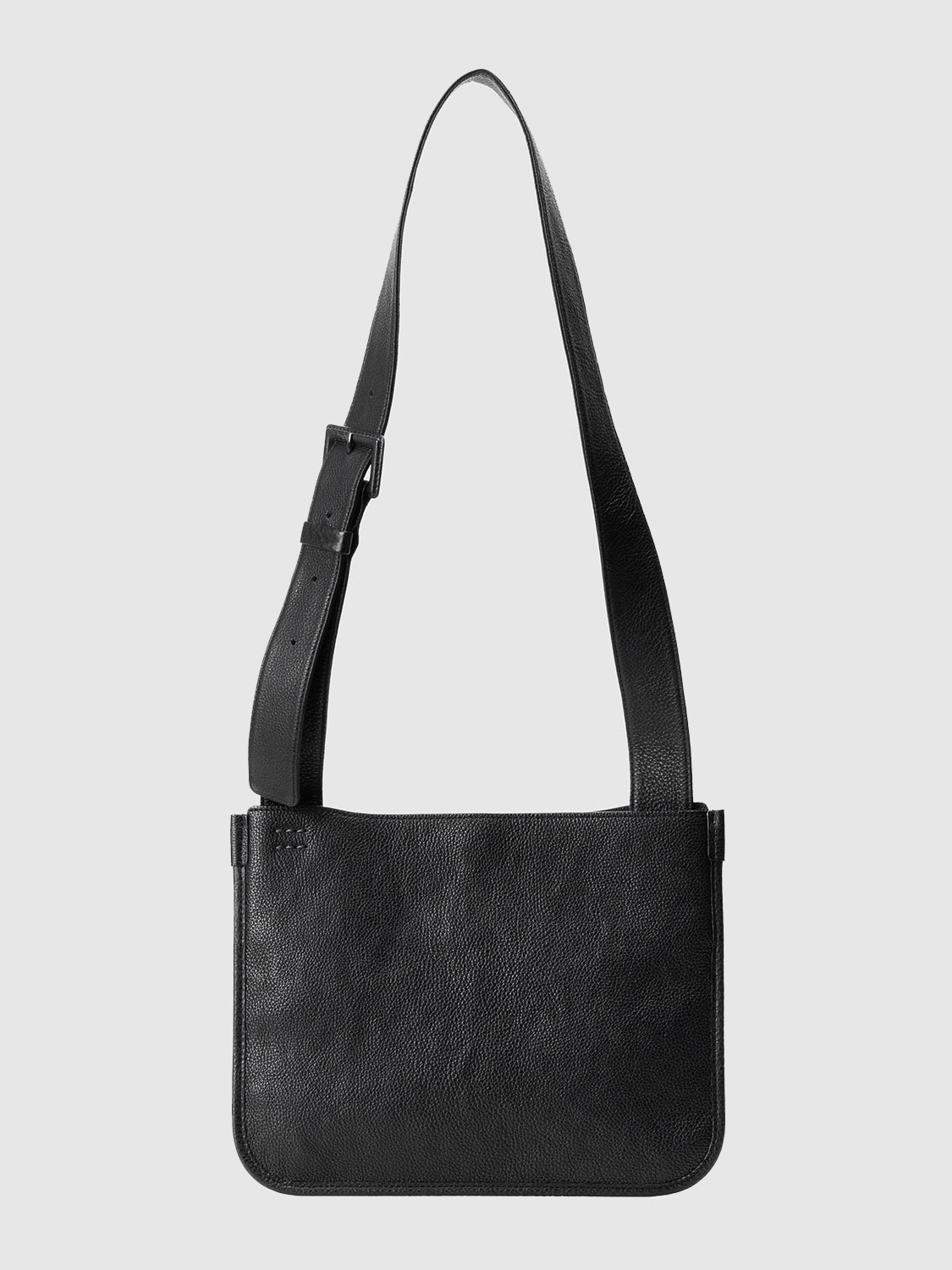
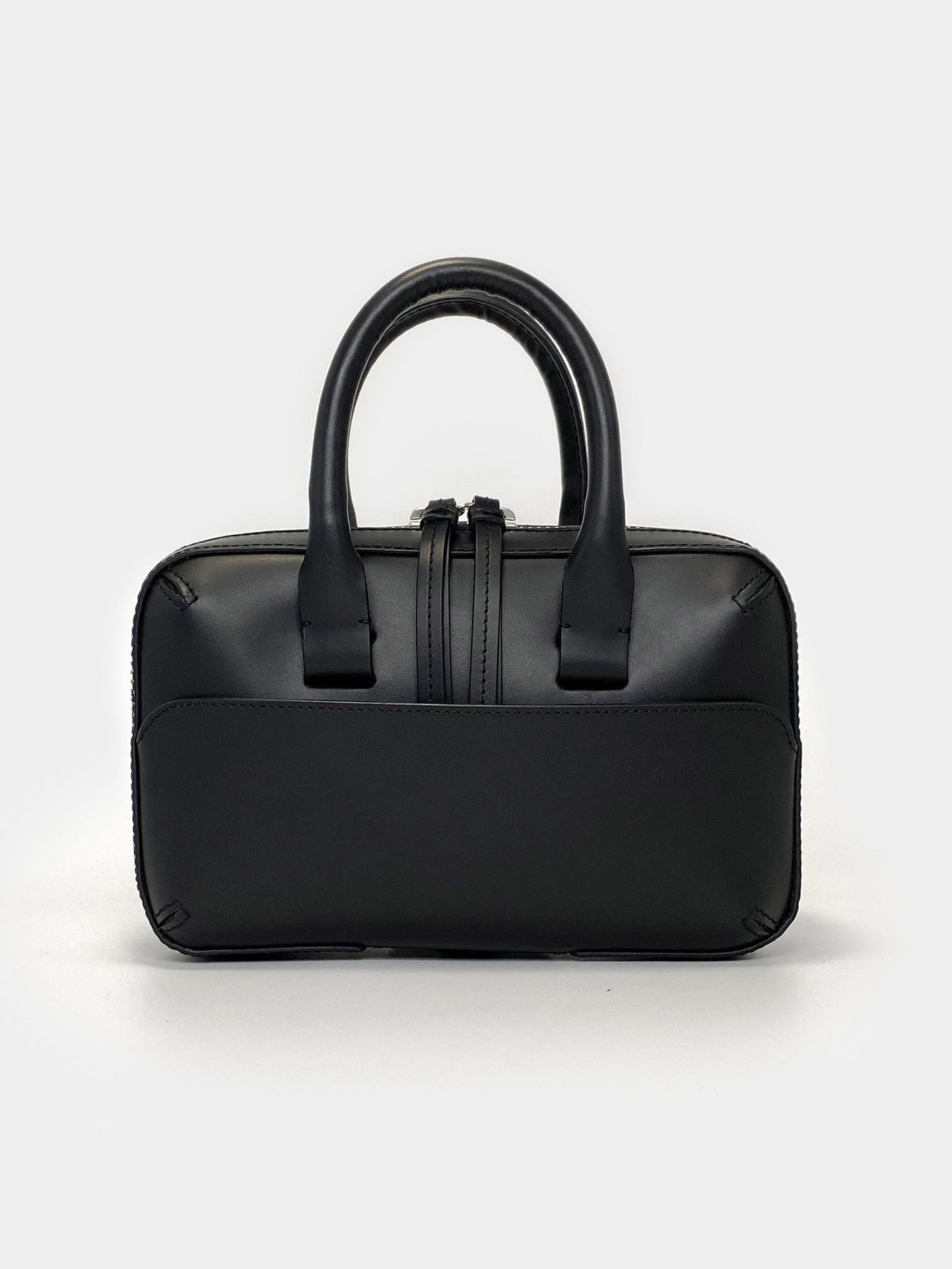
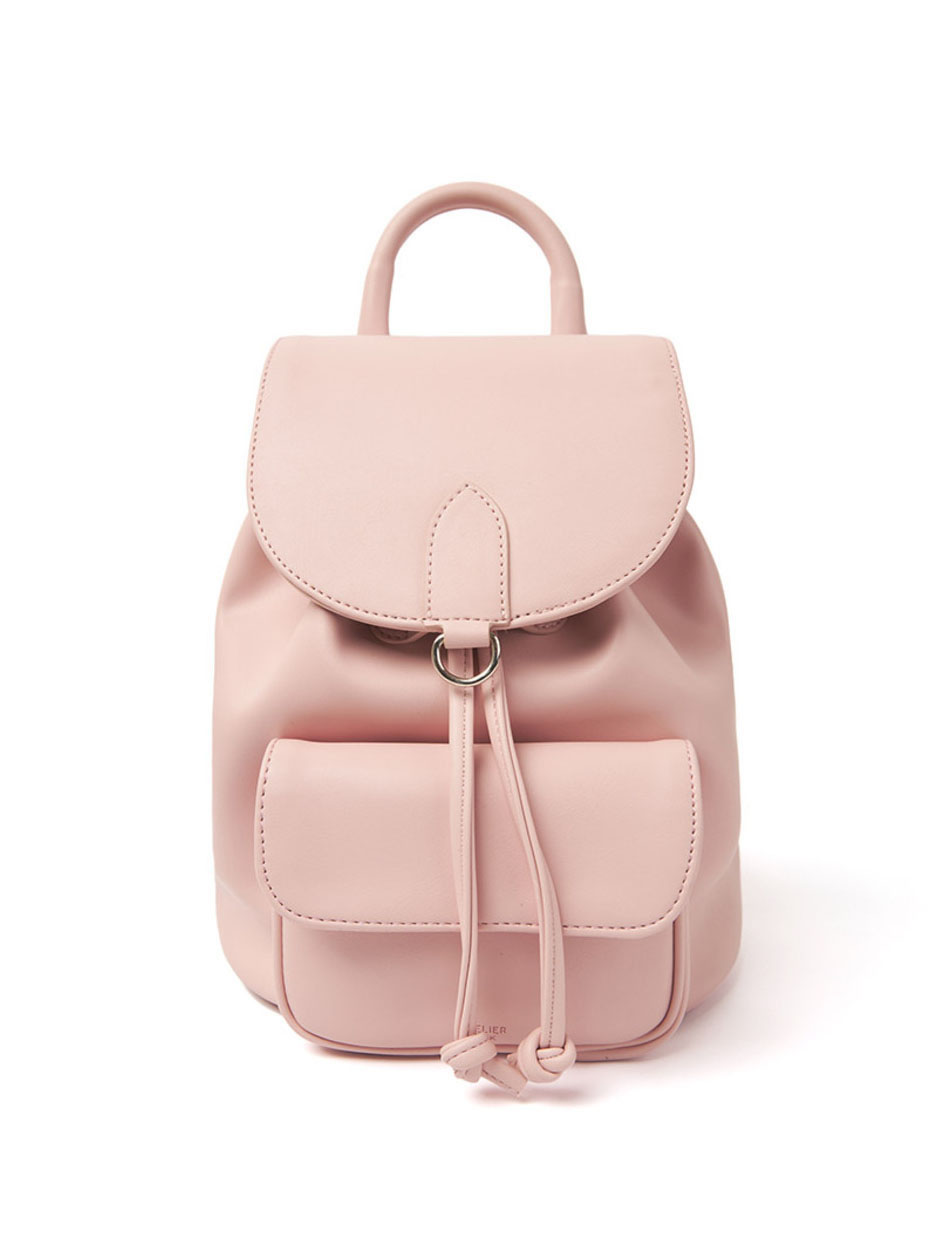
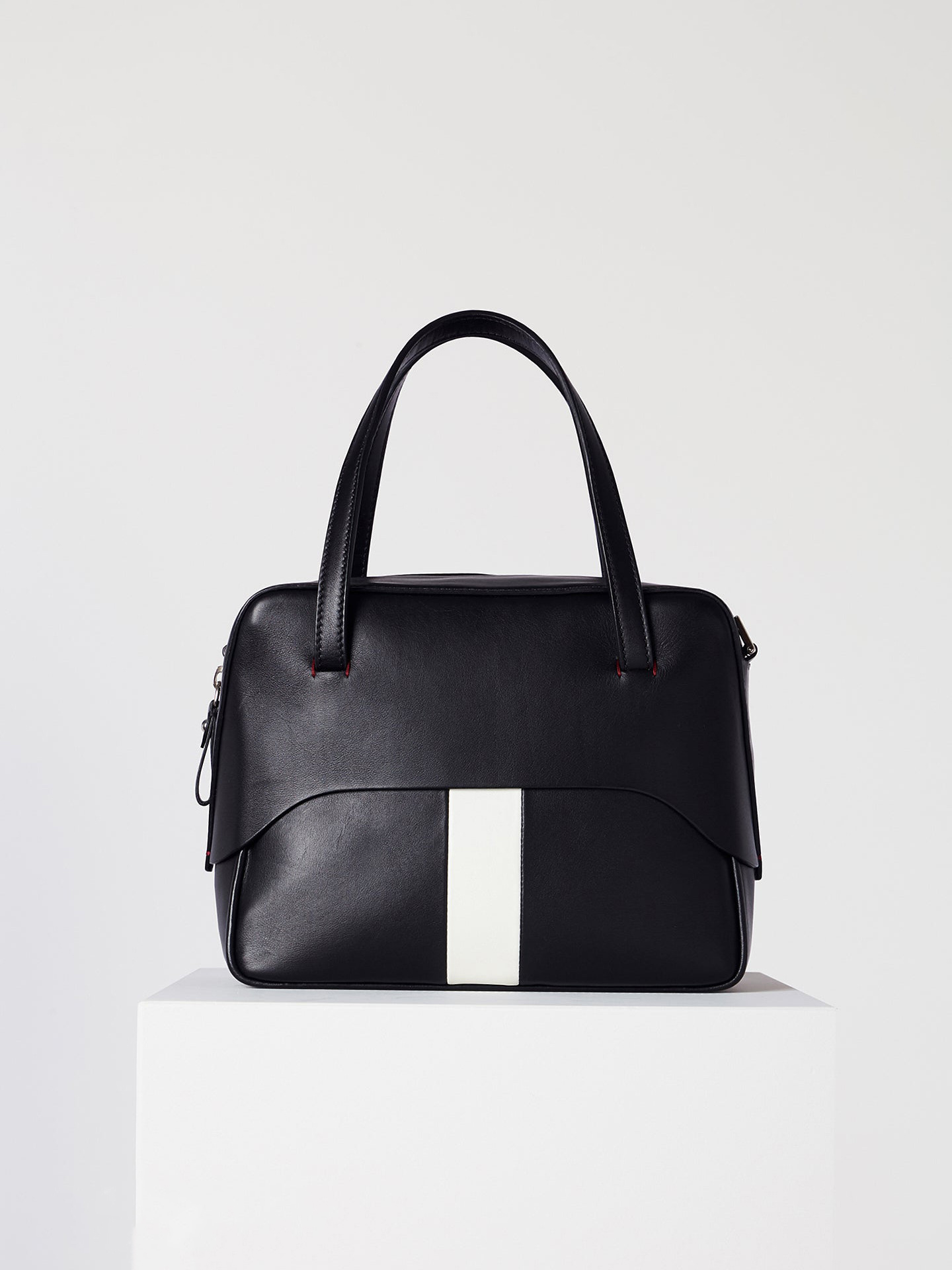
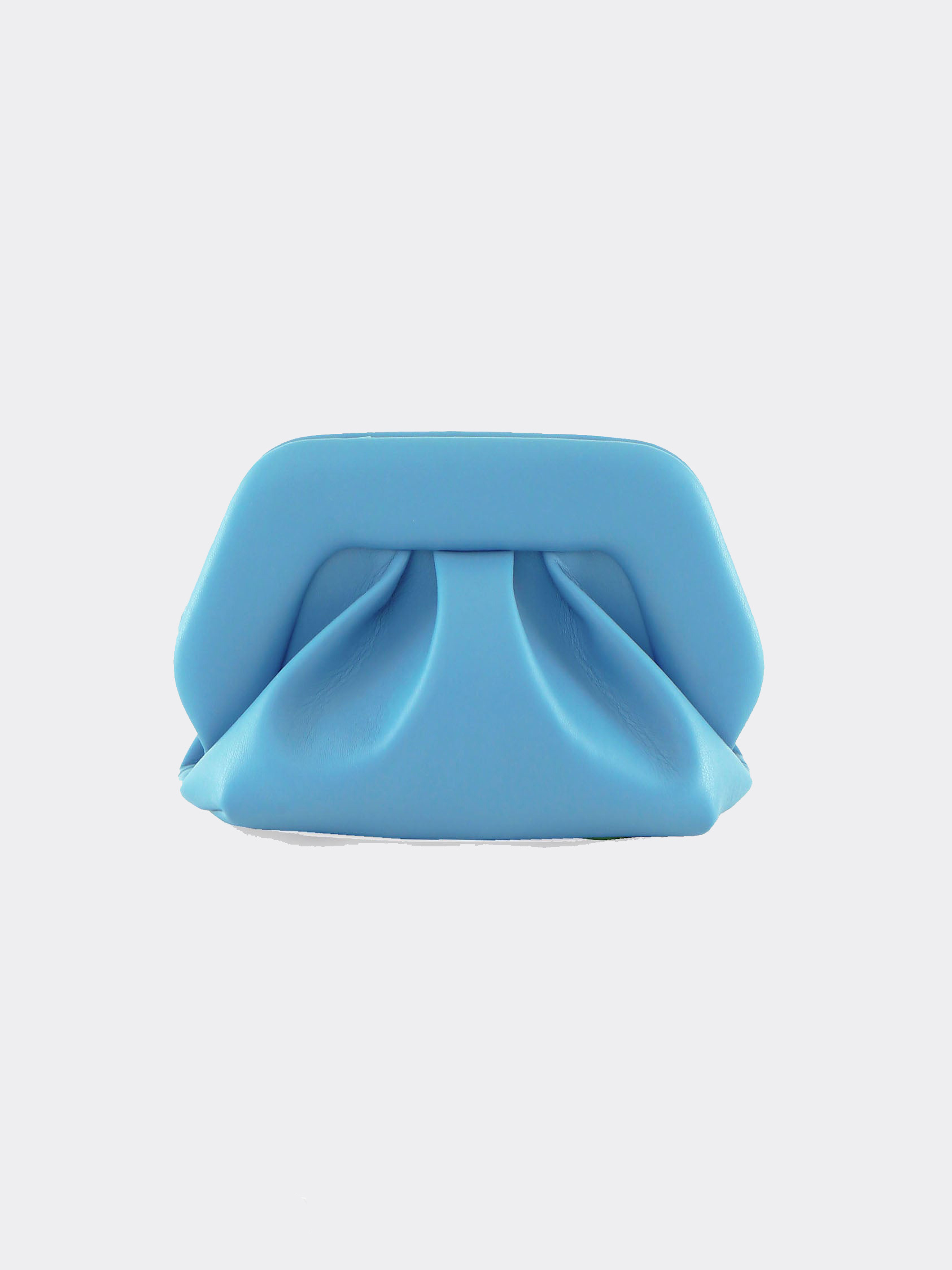
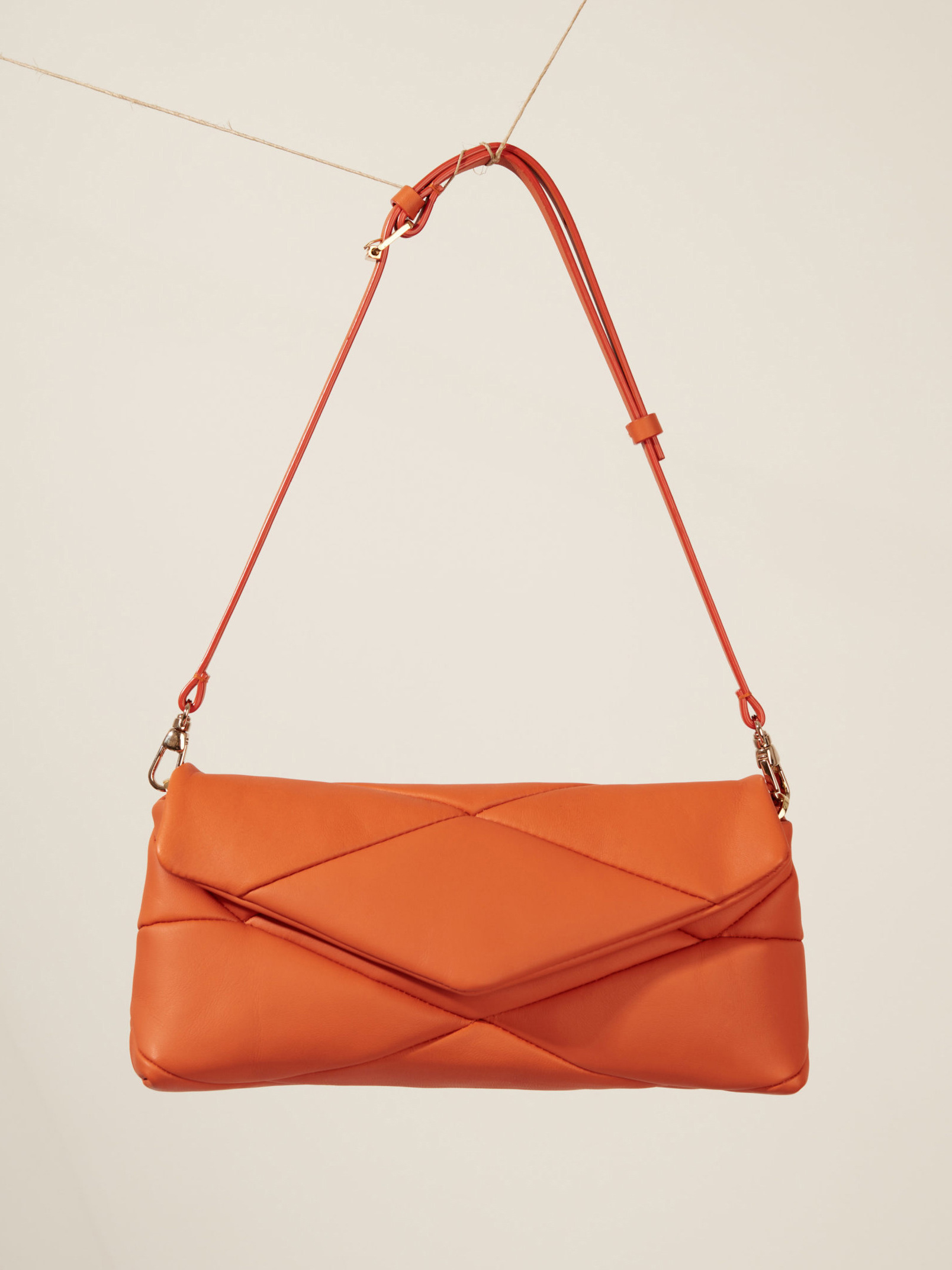
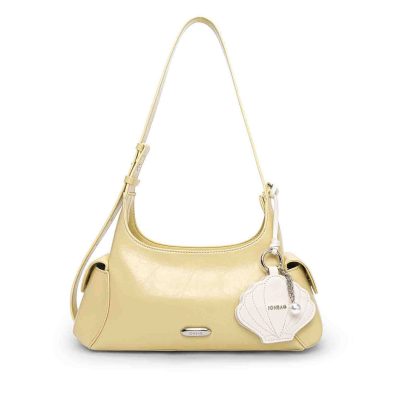
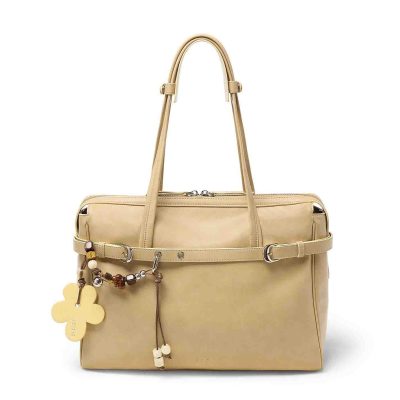
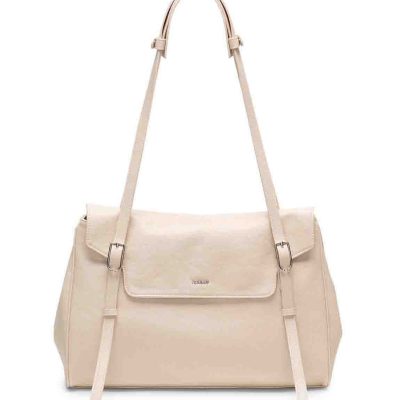
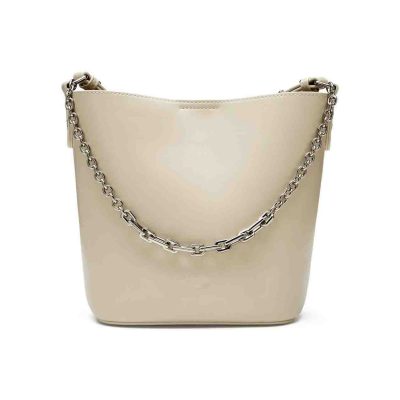
In an industry saturated with logo-driven luxury and trend-chasing mass production, VIRAL offers a deliberately different proposition. Founded by Dalida de Freitas Durrier, this Portuguese handbag brand uses exclusively upcycled leather — deadstock material from surplus production — to create contemporary designs that reject conventional fashion codes. It is not just a brand; it is an argument about what leather goods should be.

The Philosophy: Anti-Code

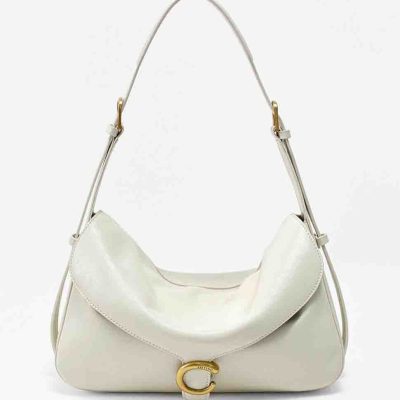
Durrier defines VIRAL’s philosophy as “Anti-Code” — a deliberate rejection of the logo-billboard approach that dominates contemporary accessories. “We do not follow fleeting trends or create products designed to act as billboards for logos,” she explains. “Instead, we develop bold, geometric and timeless designs for people who prefer expressing their own identity rather than wearing someone else’s.”

This is more than aesthetic preference. It is a structural critique of how the leather goods market has evolved — toward brand identification as the primary consumer motivation, with material quality and design originality relegated to supporting roles. VIRAL reverses that hierarchy: material and form take precedence over brand signalling.

The Material: Deadstock as Strategy

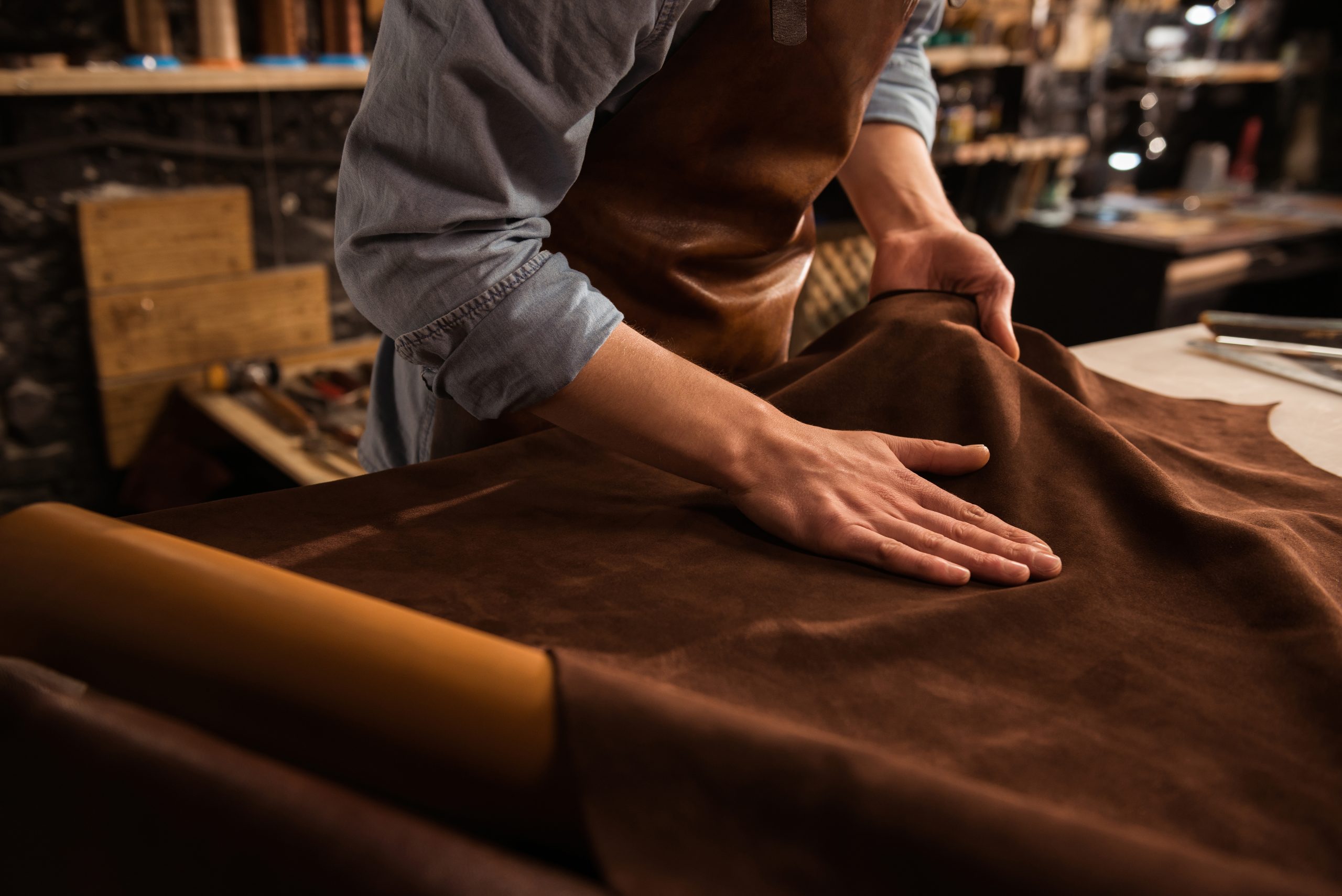
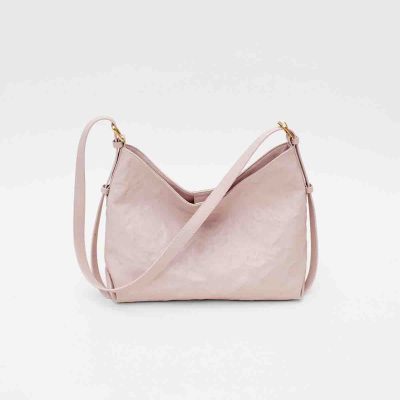
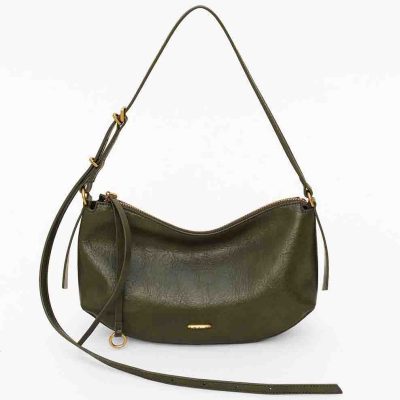
VIRAL’s exclusive use of deadstock leather is both an ethical commitment and a creative framework. Every hide has unique characteristics — varying textures, tones and surface patterns that evolve with use. This variability, which mass production treats as a defect, becomes VIRAL’s design strength. Each piece is genuinely one-of-a-kind because the material itself is irreproducible.

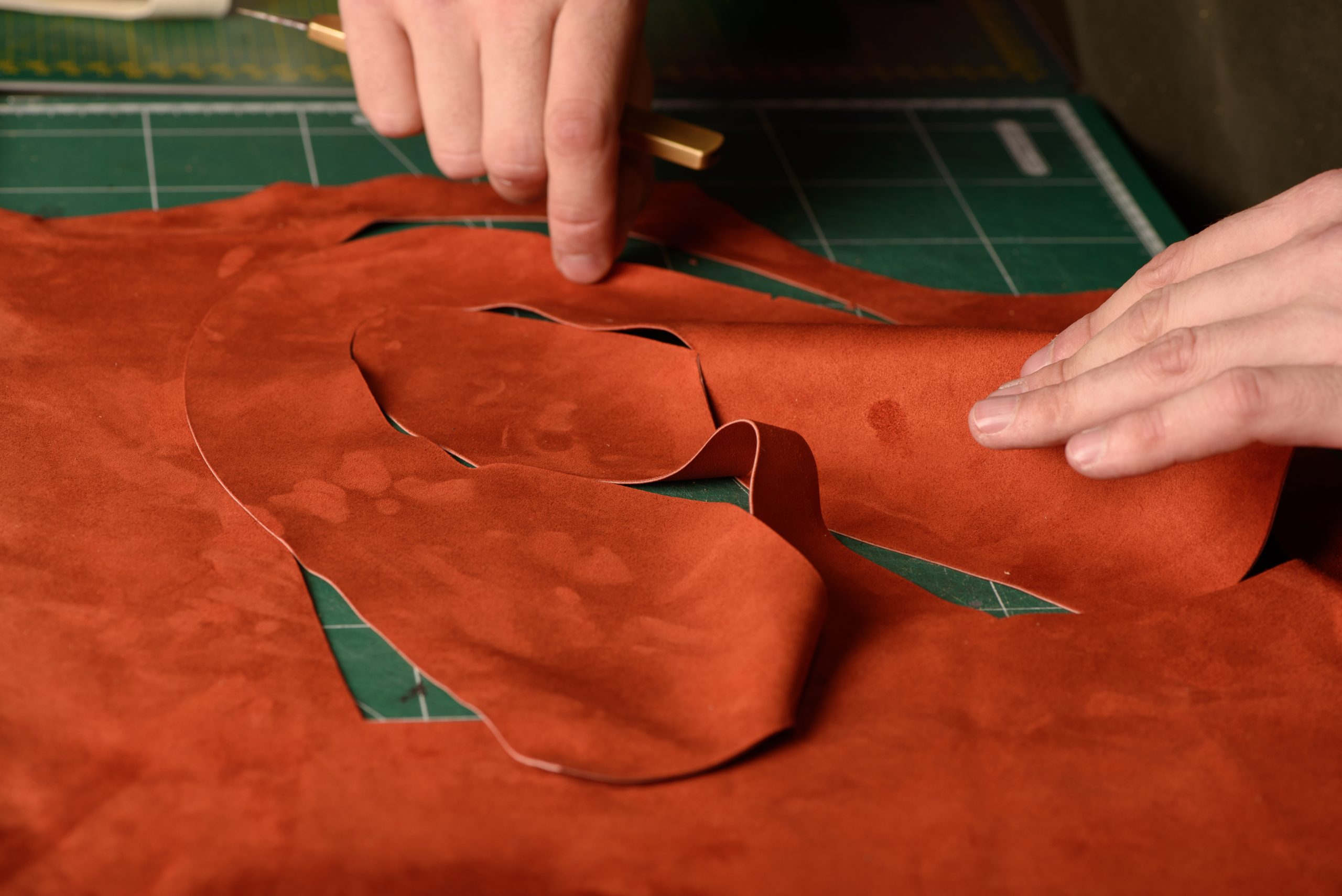
The upcycling approach also addresses a systemic industry problem. Leather surplus — material produced but not consumed by primary orders — accumulates across the supply chain. Traditionally, this surplus is either stored indefinitely, sold at steep discounts to lower-tier producers or eventually discarded. VIRAL transforms it into premium product, capturing value that the conventional supply chain leaves unrealised.

But the model carries operational complexity. Deadstock availability is inherently unpredictable. When a particular material runs out, there is no straightforward replacement — Durrier must redesign the collection around whatever new surplus material becomes available. “What could be seen as a logistical limitation has become one of our greatest strengths: every piece is genuinely exclusive,” she notes. The constraint becomes the differentiator.

Manufacturing in Portugal

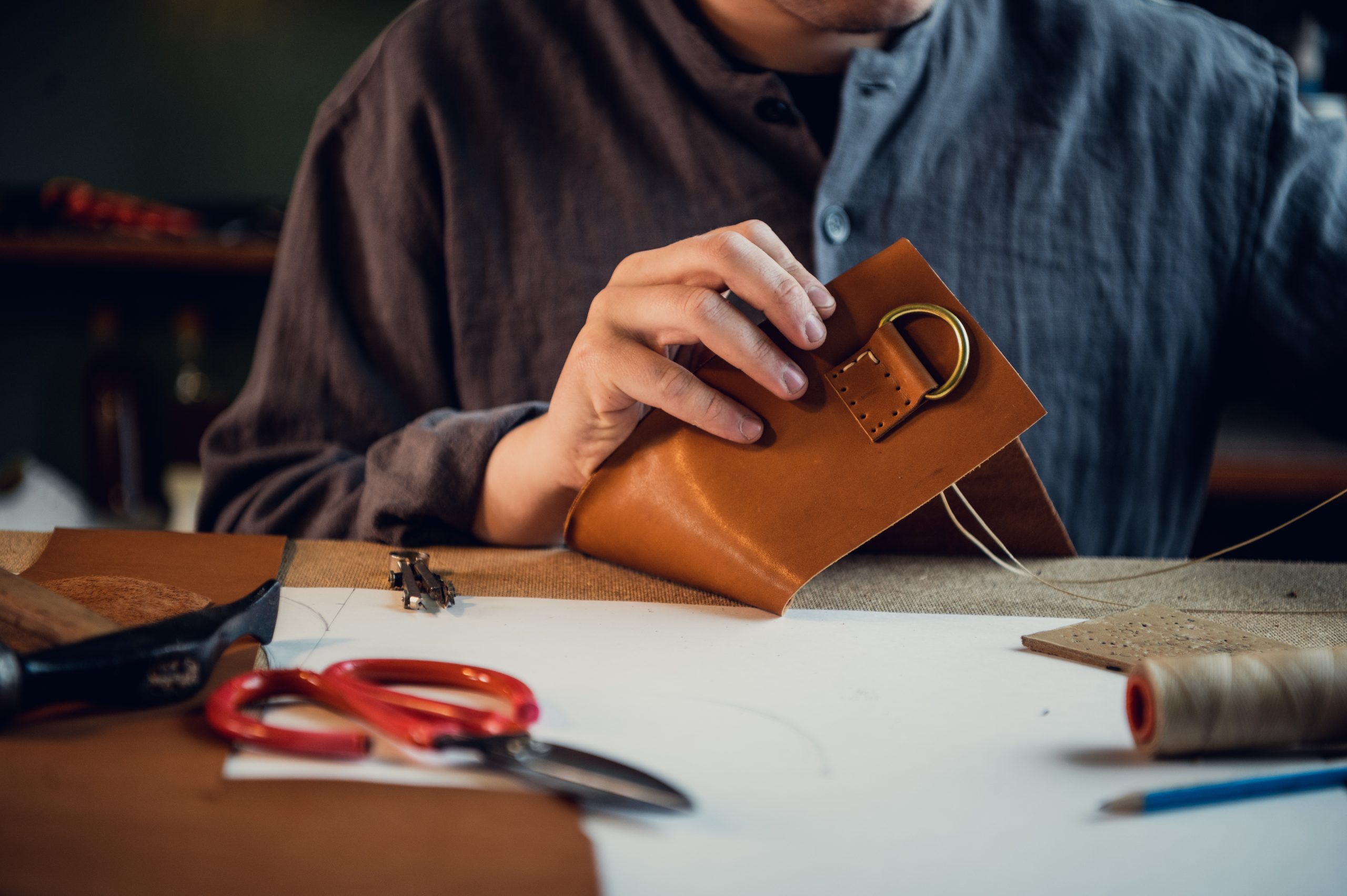
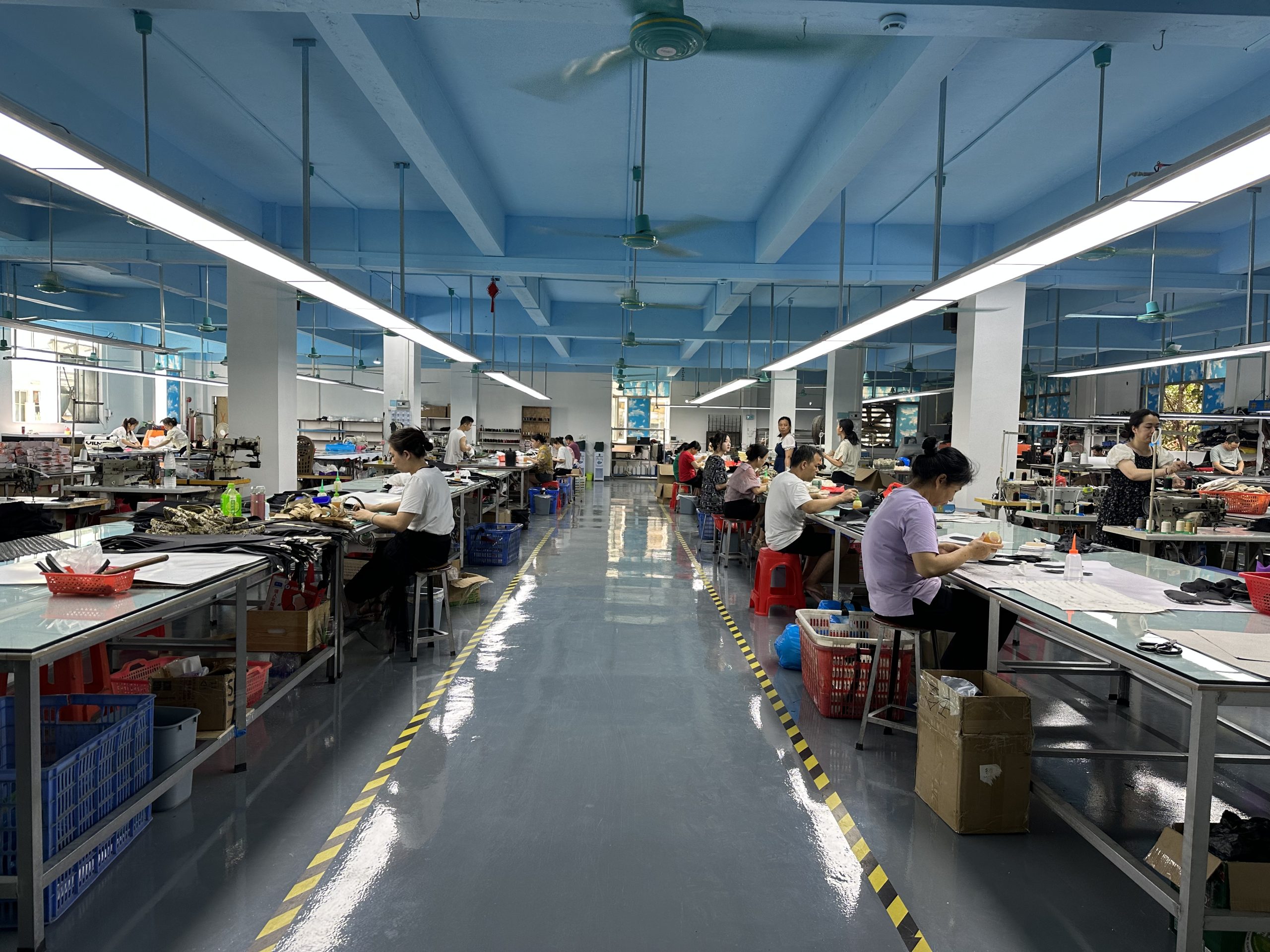
Durrier’s decision to manufacture in Portugal was unwavering despite significant early challenges. Portuguese factories — renowned for their craftsmanship — were initially reluctant to engage with a small-scale, conceptually complex project. “Finding partners who genuinely valued the project was not easy,” Durrier recalls, “but I never questioned my decision to manufacture in Portugal because of its exceptional craftsmanship.”

The persistence paid off. VIRAL now works with Portuguese manufacturers who understand both the technical demands of its designs and the creative logic of its material strategy. The partnership validates a broader truth about European manufacturing: the best factories are not just production facilities; they are creative collaborators whose craftsmanship enables design ambition that offshore mass production cannot match.

The Visibility Challenge

In a market dominated by established brands and relentless digital noise, emerging labels face an acute visibility problem. Durrier acknowledges this directly: “Reaching the right audience requires continuous effort. The challenge is to grow without compromising the identity and values that define VIRAL.”

This tension — between growth ambition and identity preservation — is the defining strategic challenge for any brand built on differentiation rather than scale. VIRAL’s Anti-Code philosophy attracts a specific consumer profile: confident, design-literate, suspicious of mainstream branding. That profile exists across global markets, but it is dispersed and difficult to reach through conventional marketing channels that are optimised for mass appeal.

What VIRAL Represents for the Industry

VIRAL is not going to reshape the leather goods market. Its scale is small, its distribution is limited and its operational model is inherently constrained by deadstock variability. But it represents something important: proof that leather’s value can be realised through creativity and circularity rather than brand power and production scale.

The upcycled leather model — turning surplus material into premium product — is viable not just as an ethical gesture but as a commercial strategy. It requires design skill, manufacturing partnerships and a brand narrative that makes material uniqueness a selling point rather than a limitation. VIRAL demonstrates that these conditions can be met.

For the broader leather industry, the lesson is clear: the surplus material that accumulates in supply chains is not waste. It is untapped value. The brands and manufacturers that learn to capture it — through design, storytelling and circular production models — will find both commercial opportunity and sustainability credibility. VIRAL is doing it on a small scale. The principle scales.

Source: World Footwear

未经允许不得转载:Galan Leather- Guangzhou Galan Leather Co., Ltd » VIRAL: The Portuguese Brand Turning Deadstock Leather into Anti-Code Fashion — and Why It Matters
Share to
Prev page
Next page

相关推荐

Contact Us
+86 177 0401 1789
Beijing time, Monday to Friday, 8:00 am to 11:00 pm
contact-img