







title: “Walsall Leather Museum Saved as Council Reverses Relocation” seo_description: “Walsall Council has voted to keep Walsall Leather Museum in its historic home, ending two-year relocation fight and protecting UK leather heritage. Analysis.” seo_tags: [“Walsall Leather Museum”, “UK leather heritage”, “Walsall Council”, “leather museum”, “craft preservation”, “saddlery”, “industrial heritage”] seo_slug: “walsall-leather-museum-saved-council-reversal” source: “https://internationalleathermaker.com” original_url: “https://internationalleathermaker.com/a-timeline-of-walsall-council-leather-museum-victory/”
Walsall Leather Museum Saved as Council Reverses Relocation
After nearly two years of contention that galvanised Britain’s leather community, Walsall Council has voted to keep the Walsall Leather Museum in its historic home, reversing controversial relocation plans that had threatened to scatter one of the country’s most important collections of leathercraft and saddlery heritage.
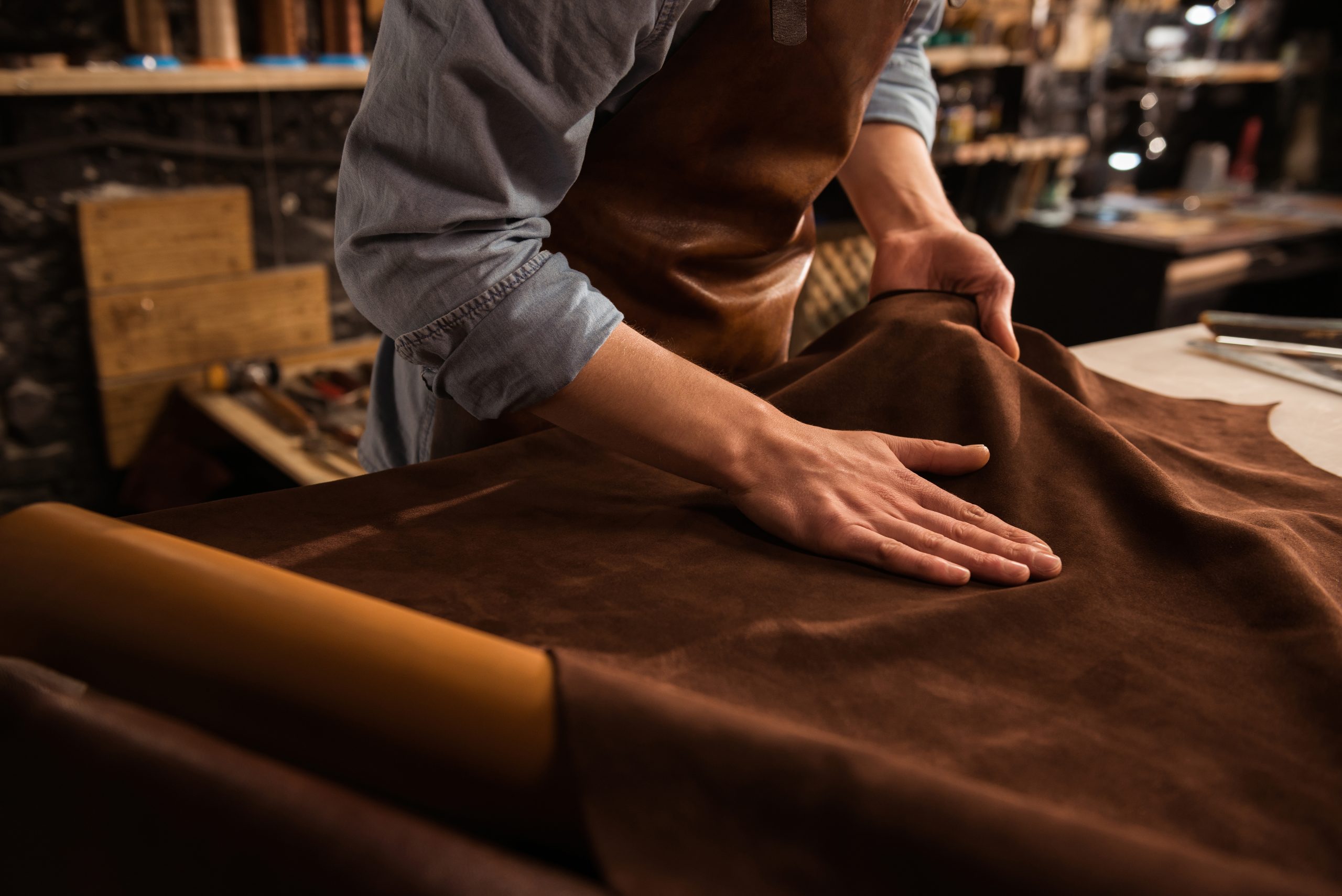
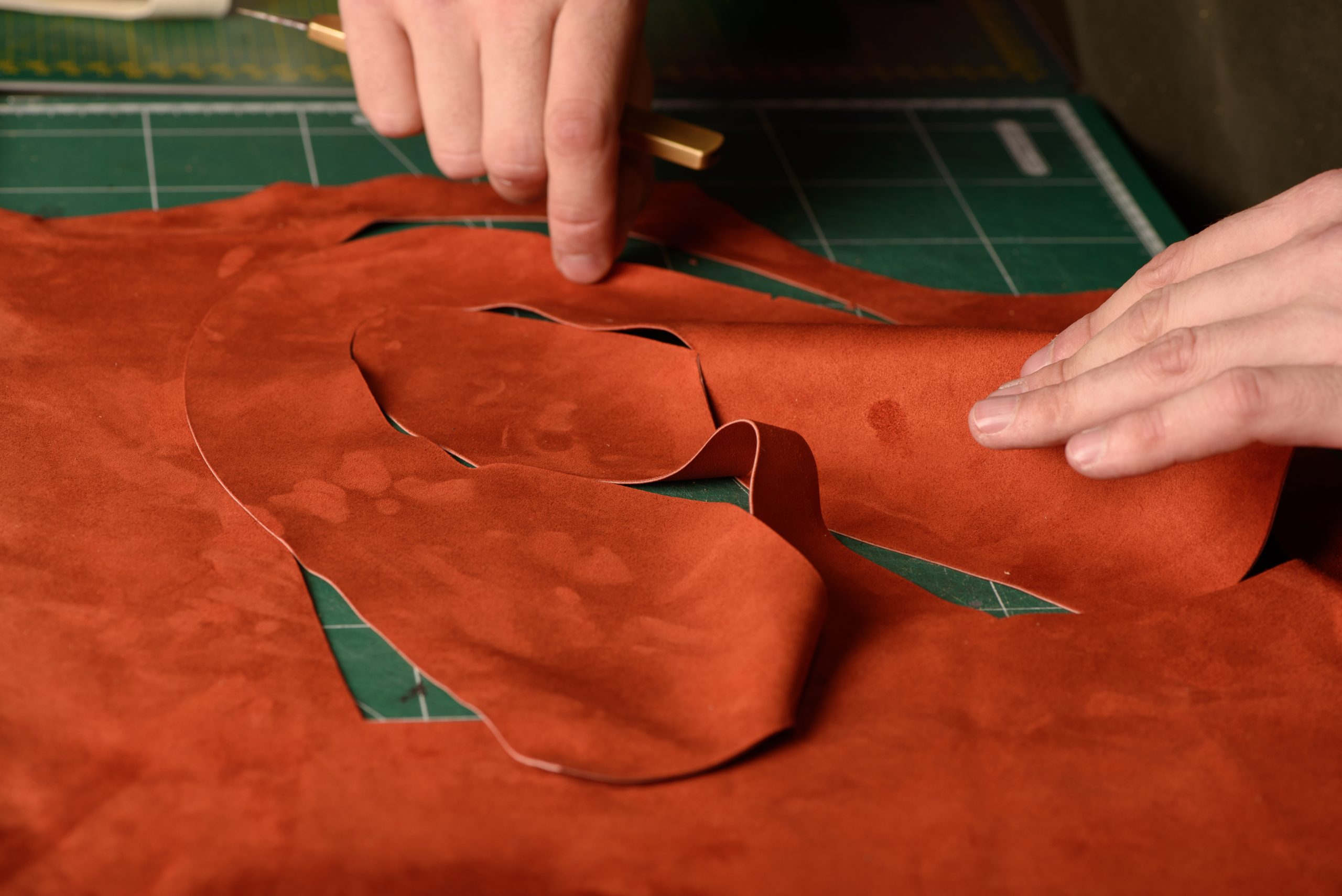
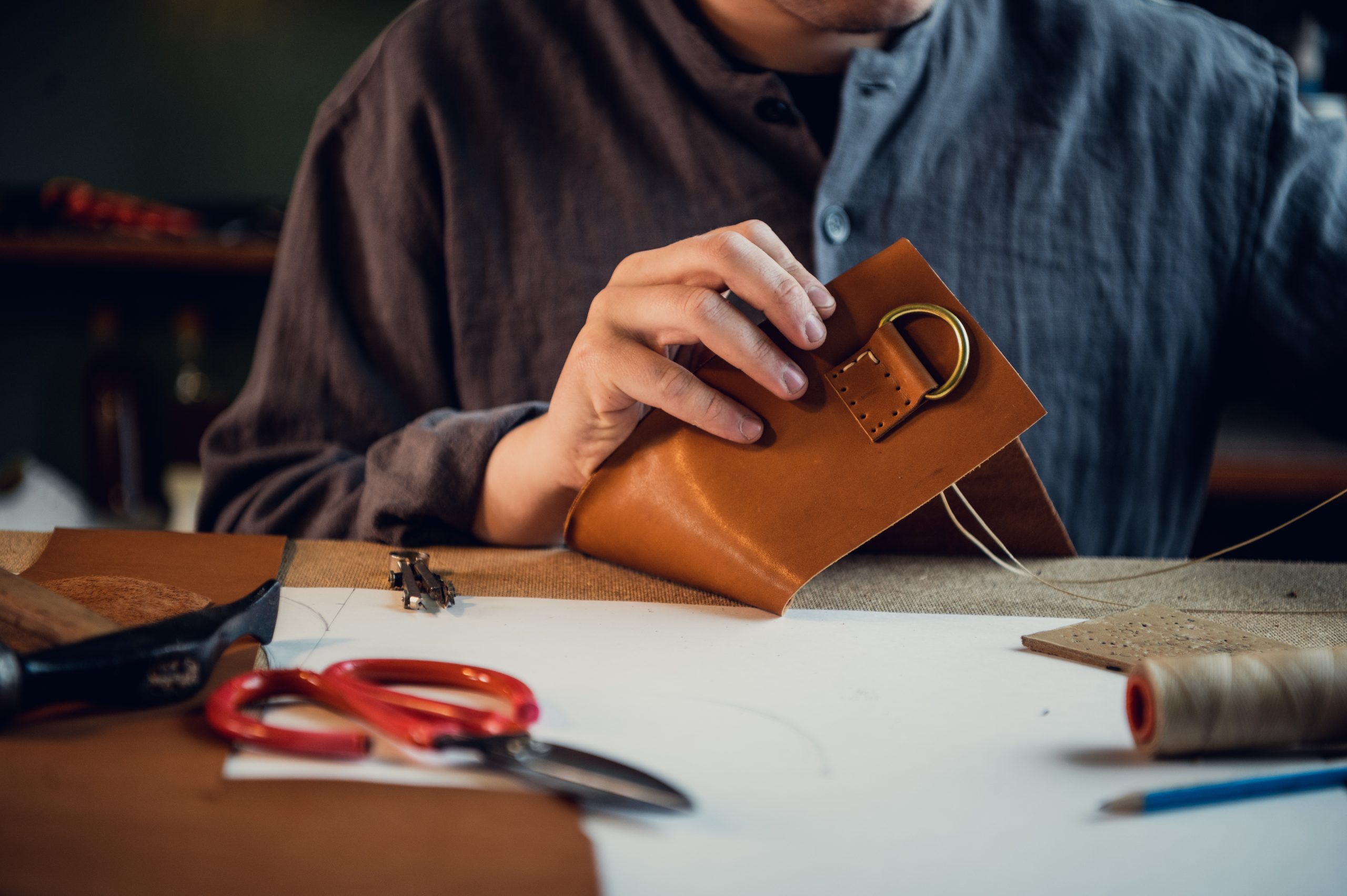
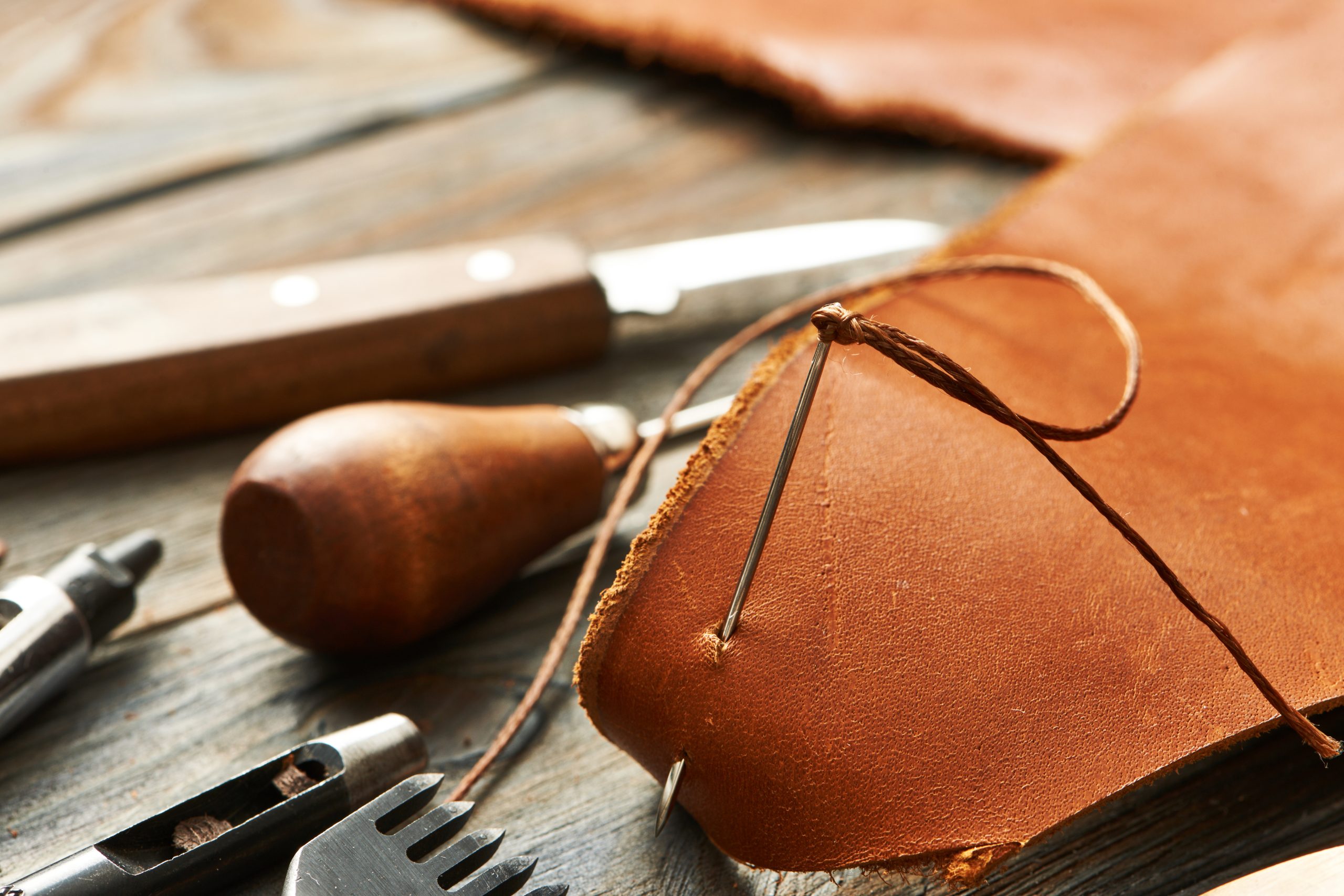
The decision is more than a local planning row resolved. It is a rare victory for industrial heritage at a time when the institutions that preserve traditional crafts — leather among them — are chronically under pressure. Walsall’s identity is bound up with leather: for generations the town was the saddle and harness capital of the world, supplying the British military, the riding trade and households across the globe. The museum is the physical memory of that industry, housing tools, finished goods, machinery and the tacit knowledge of a craft that machines have not fully replaced.
Why the Fight Mattered
Relocation plans, first floated almost two years ago, argued for moving the collection to a cheaper or more “multi-use” site. To the council’s accountants, that may have looked like efficiency. To the leather trade, it looked like erasure — the dispersal of a coherent story into a corner of a generic civic building, where the soul of the collection is lost even if the objects survive.
The campaign that followed drew together tanners, saddlers, heritage bodies and local residents in an unusually unified defence of a specific place. It is a reminder that heritage is locational: a museum divorced from the town that made it is a different, weaker thing. The vote to keep the museum in its historic home honours that intuition.
A Sector That Needs Its Story
The leather industry has spent the past decade on the defensive, answering questions about environmental impact and animal agriculture while its own rich craft narrative gets crowded out. Institutions like the Walsall Leather Museum do quiet, essential work in telling the other half of the story: the skill of the currier, the artistry of the saddler, the engineering of the tannery. They are also recruitment tools — the places where the next generation first imagines a career in leather.
That makes the council’s reversal more than symbolic. It preserves a site where schoolchildren, apprentices and the merely curious can encounter the material culture of leather directly, rather than through a screen. In an era when Britain has also been closing leather colleges and letting training infrastructure decay, every retained institution of memory and teaching counts double.
The Takeaway
The Walsall outcome should embolden other heritage campaigns and caution other councils tempted to treat specialist museums as line items to be optimised away. Communities that make things — and the towns built around those makers — deserve to keep the artefacts that explain who they are.
For the global leather sector, the lesson travels: defending heritage is not nostalgia. It is brand-building, workforce development and cultural defence rolled into one. Walsall kept its museum. The leather world should take heart — and take note.
Source: International Leather Maker

中文