








title: “When Pop Stars Choose Portuguese Craftsmanship: Zara Larsson’s Boots and What They Signal About European Leather” original_url: “https://www.worldfootwear.com/news/zara-larsson-wears-boots-crafted-in-portugal-by-pc-footwear/11653.html” source: “World Footwear” publish_date: “2026-07-22” seo_description: “Swedish pop star Zara Larsson wears bespoke boots crafted by Portuguese manufacturer PC Footwear, showcasing Portugal’s growing reputation for premium footwear craftsmanship and international design partnerships.” seo_tags: [“PC Footwear”, “Portuguese footwear”, “Zara Larsson boots”, “bespoke footwear”, “European craftsmanship”, “Portugal leather industry”, “custom footwear manufacturing”] seo_slug: “zara-larsson-boots-portuguese-craftsmanship-pc-footwear”
When Pop Stars Choose Portuguese Craftsmanship: Zara Larsson’s Boots and What They Signal About European Leather
When an internationally acclaimed pop star chooses a Portuguese manufacturer to create her bespoke boots, it’s not just a celebrity styling decision — it’s a market signal. Zara Larsson, the Swedish singer known for hits like “Lush Life,” “Symphony,” and “Never Forget You,” commissioned a collection of custom boots from PC Footwear, a company based in Portugal that has been steadily building a reputation as one of Europe’s most capable premium footwear manufacturers.
The boots were designed and handcrafted exclusively for the artist in Portugal. PC Footwear CEO Alberto Ribeiro called it “an immense source of pride to see a creation developed by our team chosen by an artist with Zara Larsson’s international profile,” adding that the project “reflects the dedication, talent, and attention to detail that we put into every product we develop.”
Why This Matters for the Leather Supply Chain
Projects like this don’t happen by accident. When a global artist — someone with access to every luxury brand and every fashion house on the planet — chooses a Portuguese manufacturer, the decision reflects specific capabilities: design interpretation, material sourcing, production precision, and delivery reliability.
All of those capabilities depend on leather. The quality of the hides, the consistency of the finishing, the range of textures and colors available — these are the foundations on which bespoke footwear is built. PC Footwear’s ability to deliver for Zara Larsson means their leather supply chain is functioning at a level that meets the highest international standards.
That’s significant because Portugal’s leather supply chain isn’t as widely recognized as Italy’s or France’s. Portuguese tanneries and manufacturers have historically operated below the radar, supplying other brands rather than building their own international profiles. Projects like this change the narrative.
Portugal’s Quiet Power in European Footwear
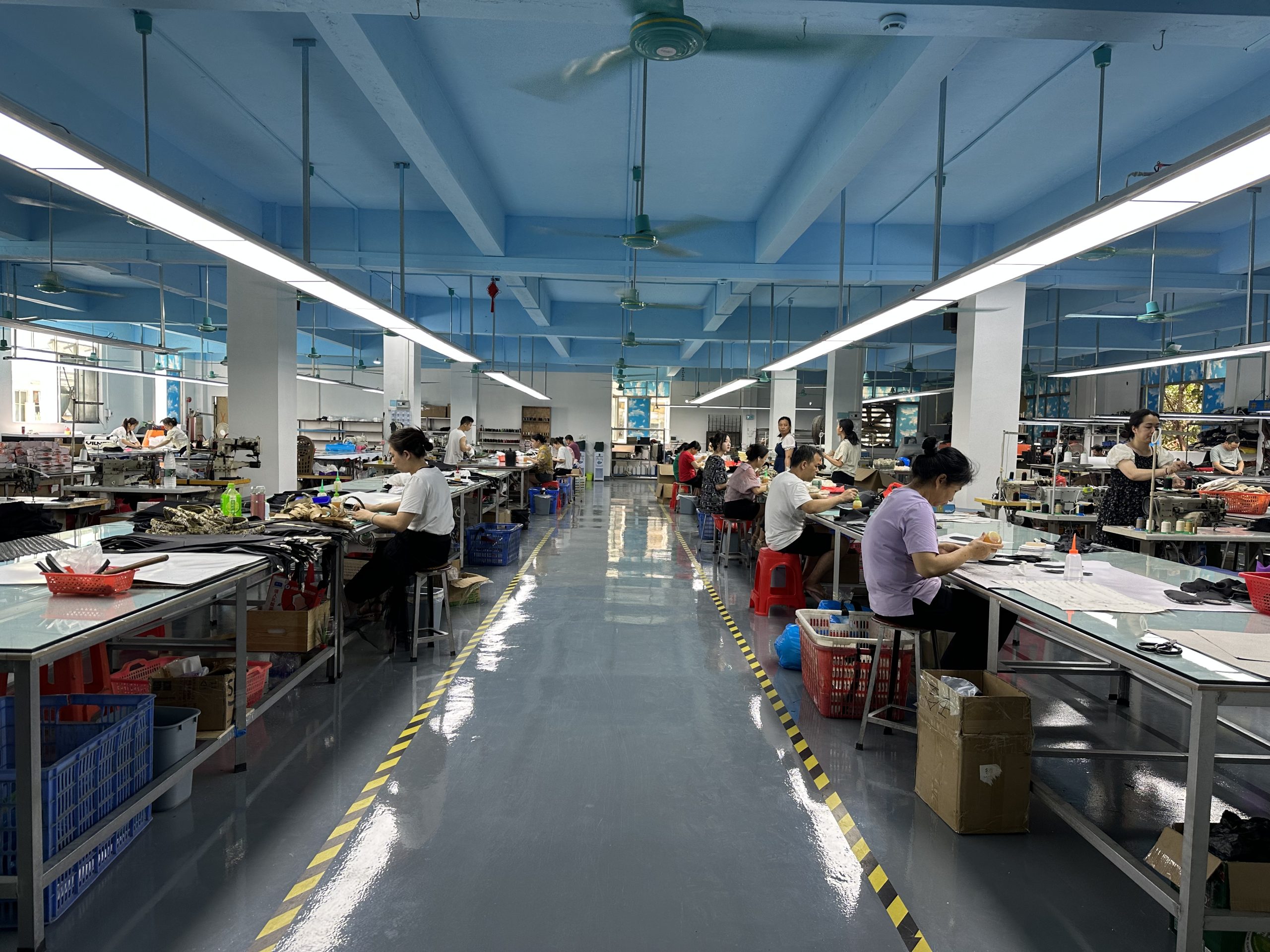
Portugal is Europe’s hidden footwear powerhouse. The country produces over 80 million pairs of shoes annually, with exports exceeding €2 billion. The footwear cluster in the Norte region — particularly around Porto — combines skilled labor, competitive costs, and increasingly sophisticated design capability.
What Portugal has done particularly well in recent years is bridge the gap between manufacturing competence and creative ambition. Companies like PC Footwear aren’t just making shoes to spec — they’re collaborating on design, interpreting creative vision, and delivering finished products that compete with the best from Italy and Spain.
The Zara Larsson project exemplifies this shift. It’s not a bulk manufacturing order — it’s a creative partnership that requires the manufacturer to operate at the intersection of craft, design, and project management. Portuguese companies are increasingly capable of operating at that intersection, and the market is starting to notice.
The International Visibility Effect
When a pop star with millions of social media followers wears boots made in Portugal, the visibility effect is immediate and global. Larsson’s platform amplifies Portuguese craftsmanship to an audience that would never encounter it through traditional trade channels.
For the leather industry, this kind of visibility is valuable because it connects manufacturing capability to cultural relevance. Consumers who see Zara Larsson wearing Portuguese boots aren’t just seeing a product — they’re seeing a narrative about European craftsmanship, about the places where quality leather goods are still made by hand, about the supply chains that produce the materials they eventually wear.
That narrative matters in a market where “alternative materials” and fast fashion compete for consumer attention. Every high-profile project that showcases genuine leather craftsmanship — particularly from countries that consumers might not associate with luxury manufacturing — strengthens the industry’s cultural position.
What PC Footwear’s Success Means for the Sector
PC Footwear described this collaboration as “another milestone” in its journey, strengthening its position as a strategic partner for international brands, designers, and artists seeking premium footwear solutions. That positioning — strategic partner, not just manufacturer — is exactly where the most capable Portuguese companies want to be.
For the leather supply chain that supports them, the message is clear: quality materials, reliable supply, and flexible response capabilities are the prerequisites for participating in these high-profile projects. Portuguese footwear manufacturers are raising their ambitions, and the leather industry needs to raise its capabilities to match.
Source: World Footwear

中文