 中文
中文



Kering Stumbles Into Q3 as Gucci’s Slide Masks a Quiet Reset of Luxury’s Leather Empire
Kering's Q3 2026 revenue held flat at €3.35bn, but Gucci's 6% slide and 105 store closures reveal a luxury leather group...
Learn more →
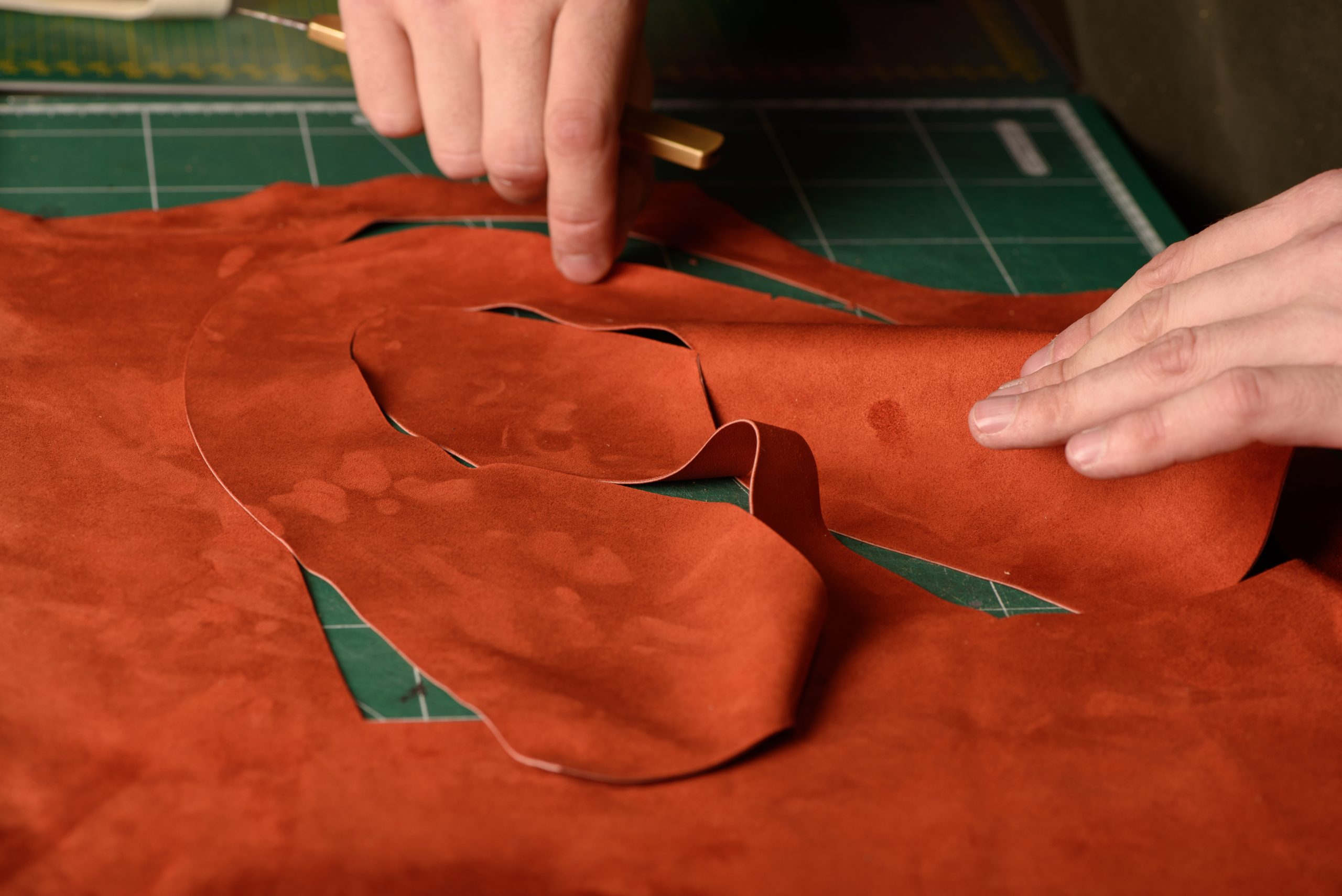
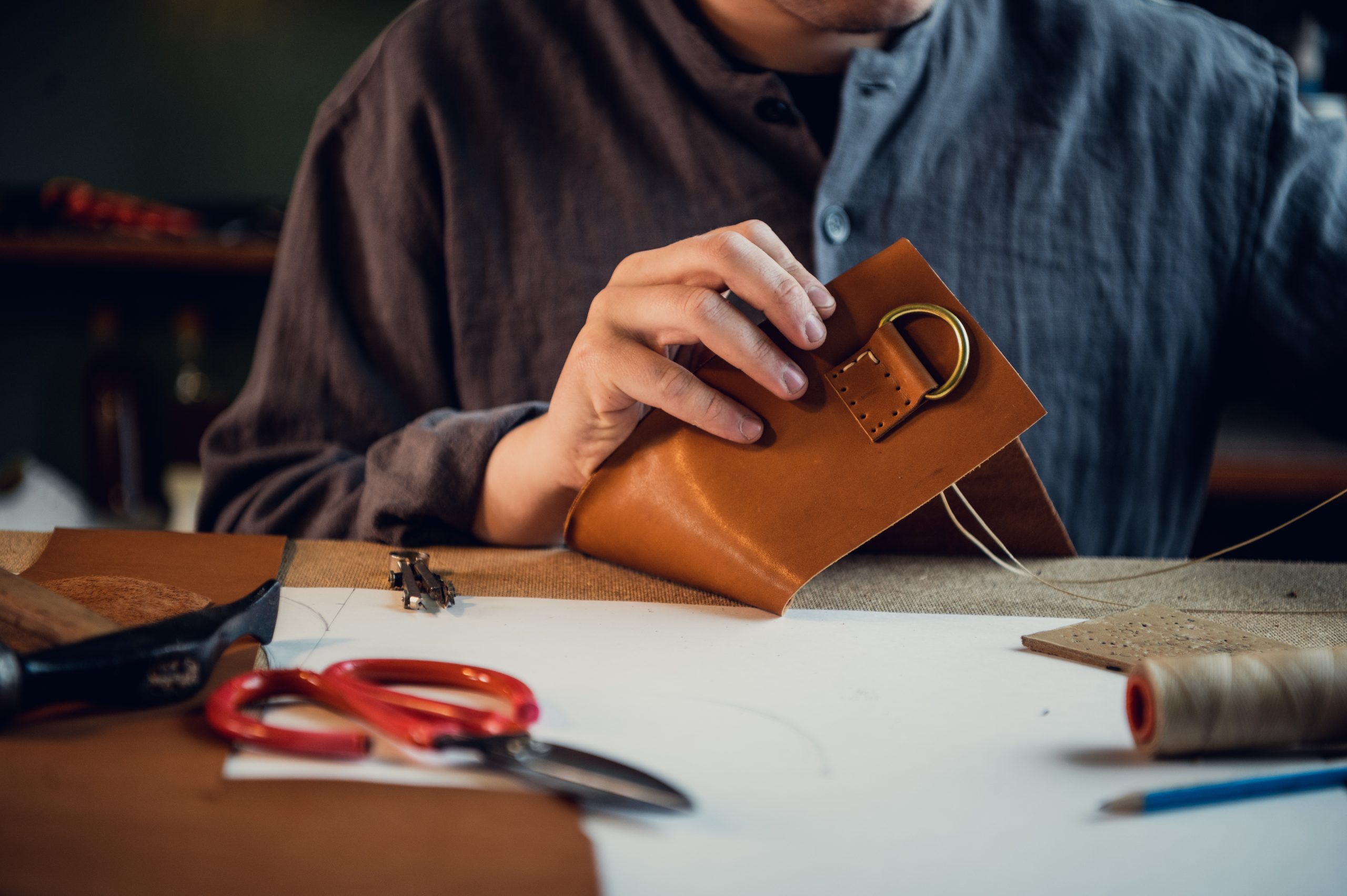
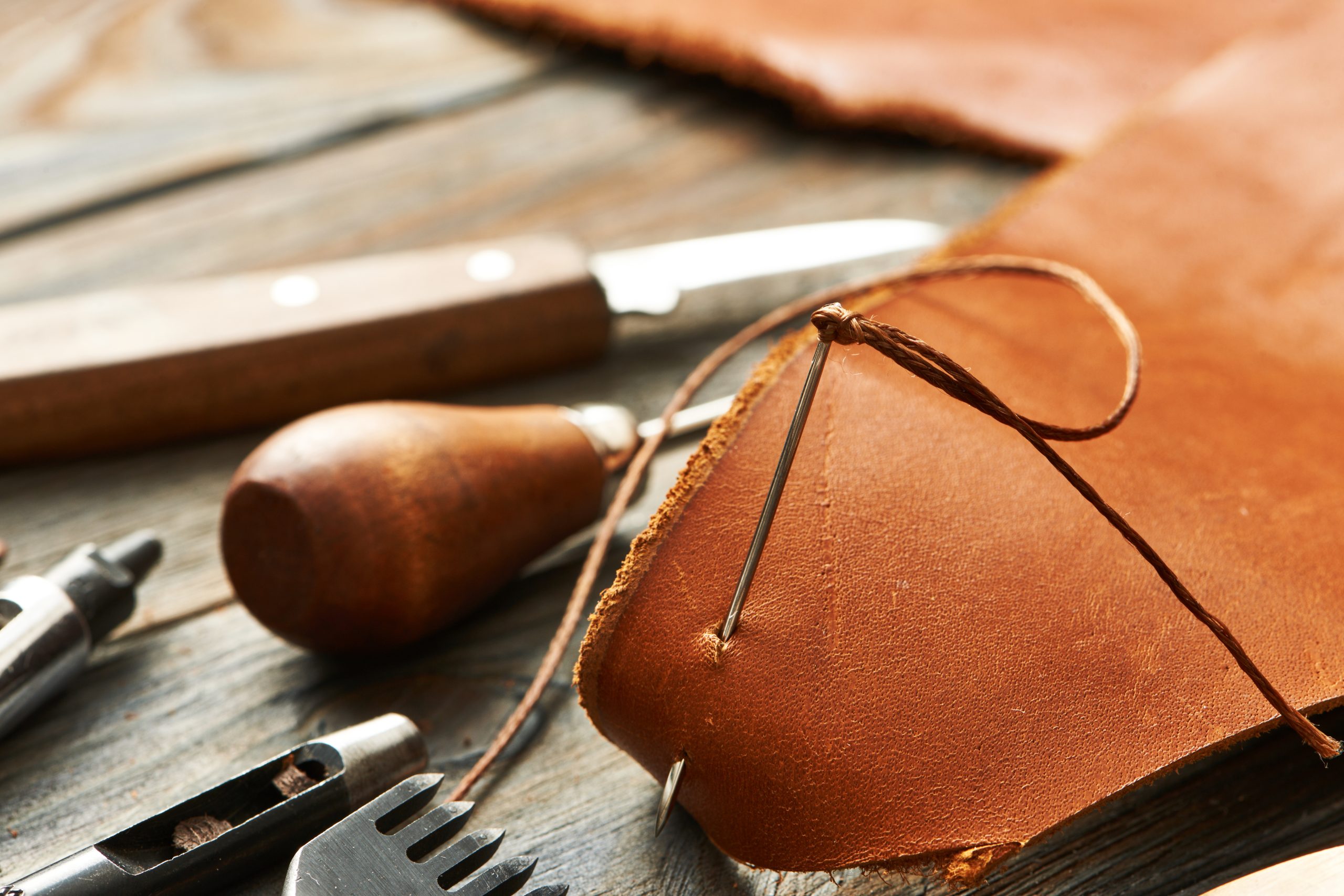
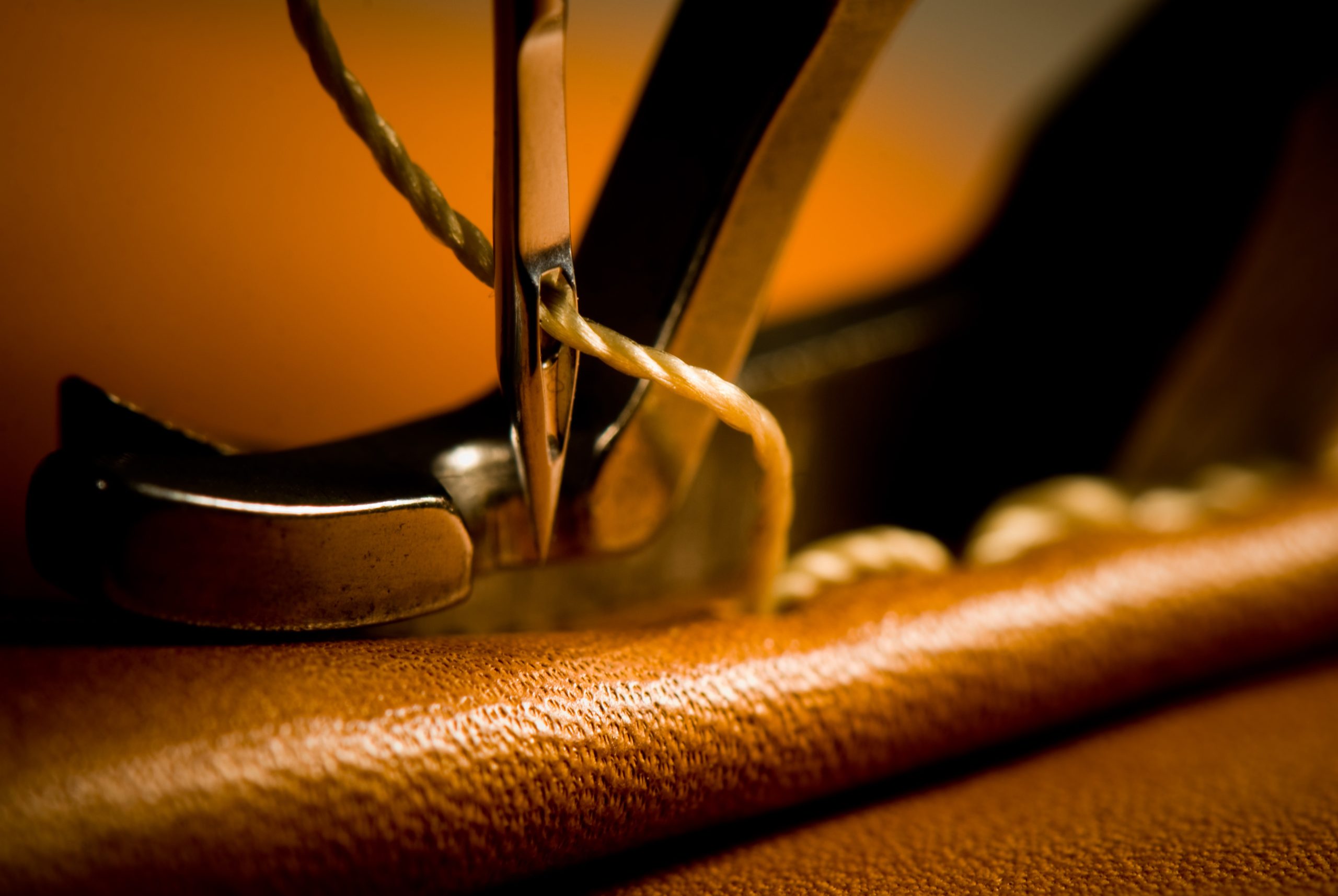
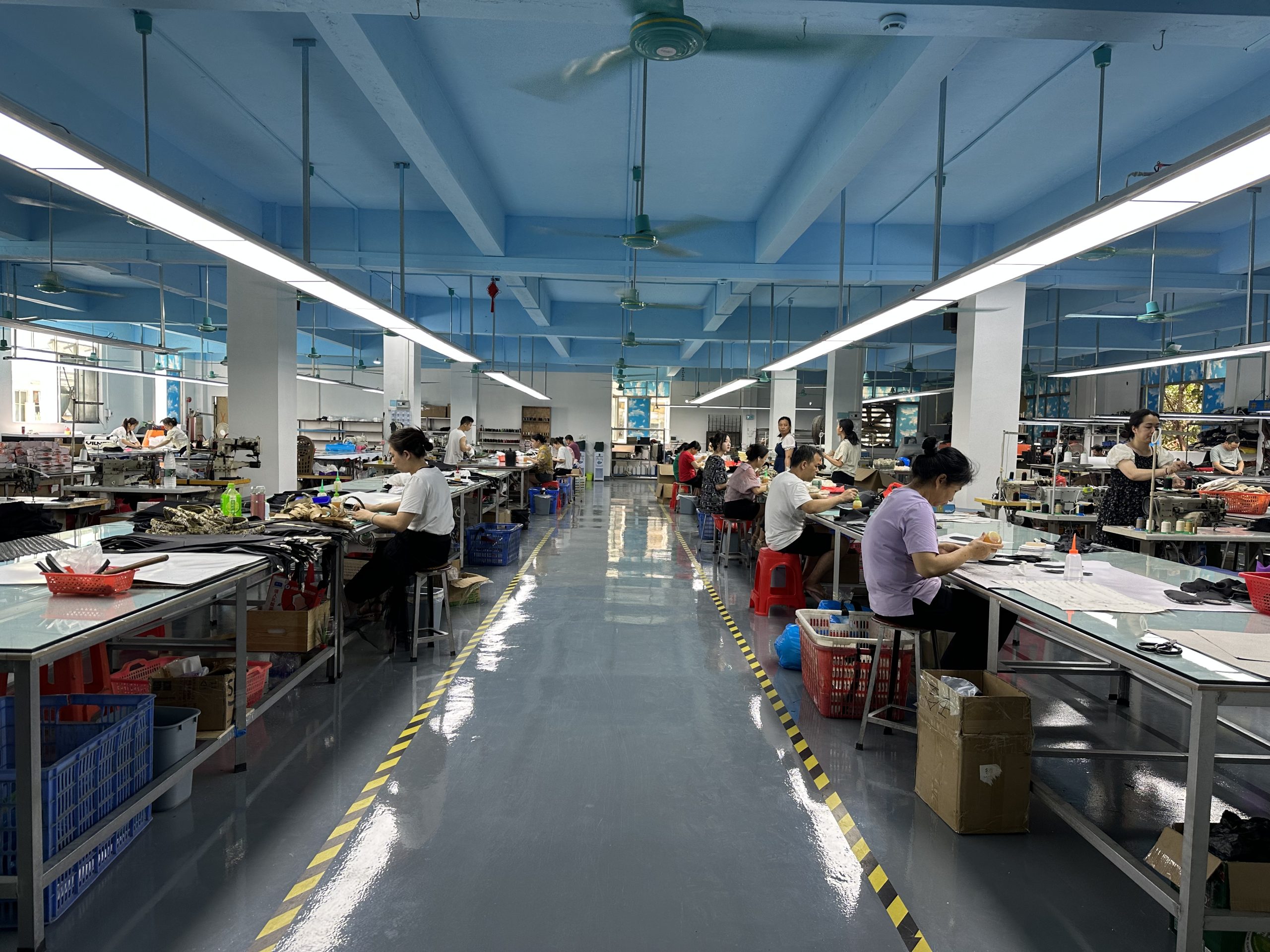
2006: Guangzhou was officially established, initiating cooperation with brands such as VASTO and Dissana.
2012: Production expanded to 3 production lines, connecting with domestic first- and second-tier brands, and obtained ISO9000 certification.
2018: Production base was reorganized, a dust-free workshop was built, and designer brands such as LOUIS QUATORZE were partnered with, achieving an annual output value of 20 million.
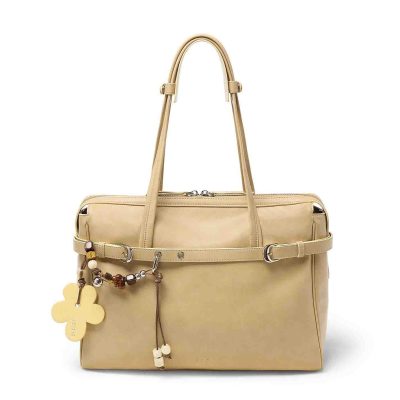
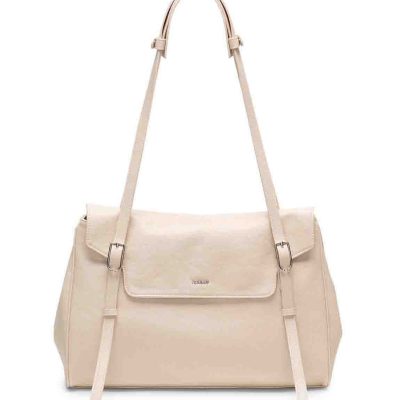
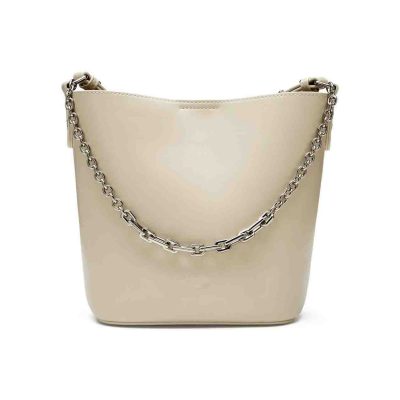
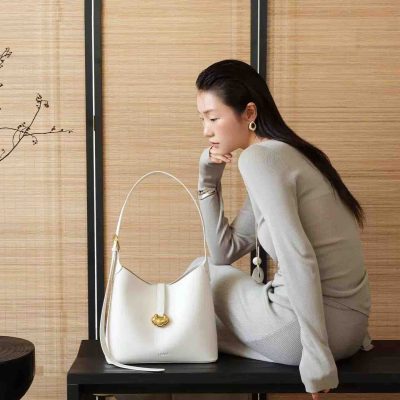
2022: The "2+1" model was implemented, strategically focusing on women's leather goods, and undertaking research, development, and processing for brands such as Red Valley and Goldlion.
2024: Comprehensive implementation of refined management, optimization of full-process quality control, deep cultivation of high cost-effective products, and long-term win-win cooperation
Forging quality with our original aspiration, never compromising on the slightest standard
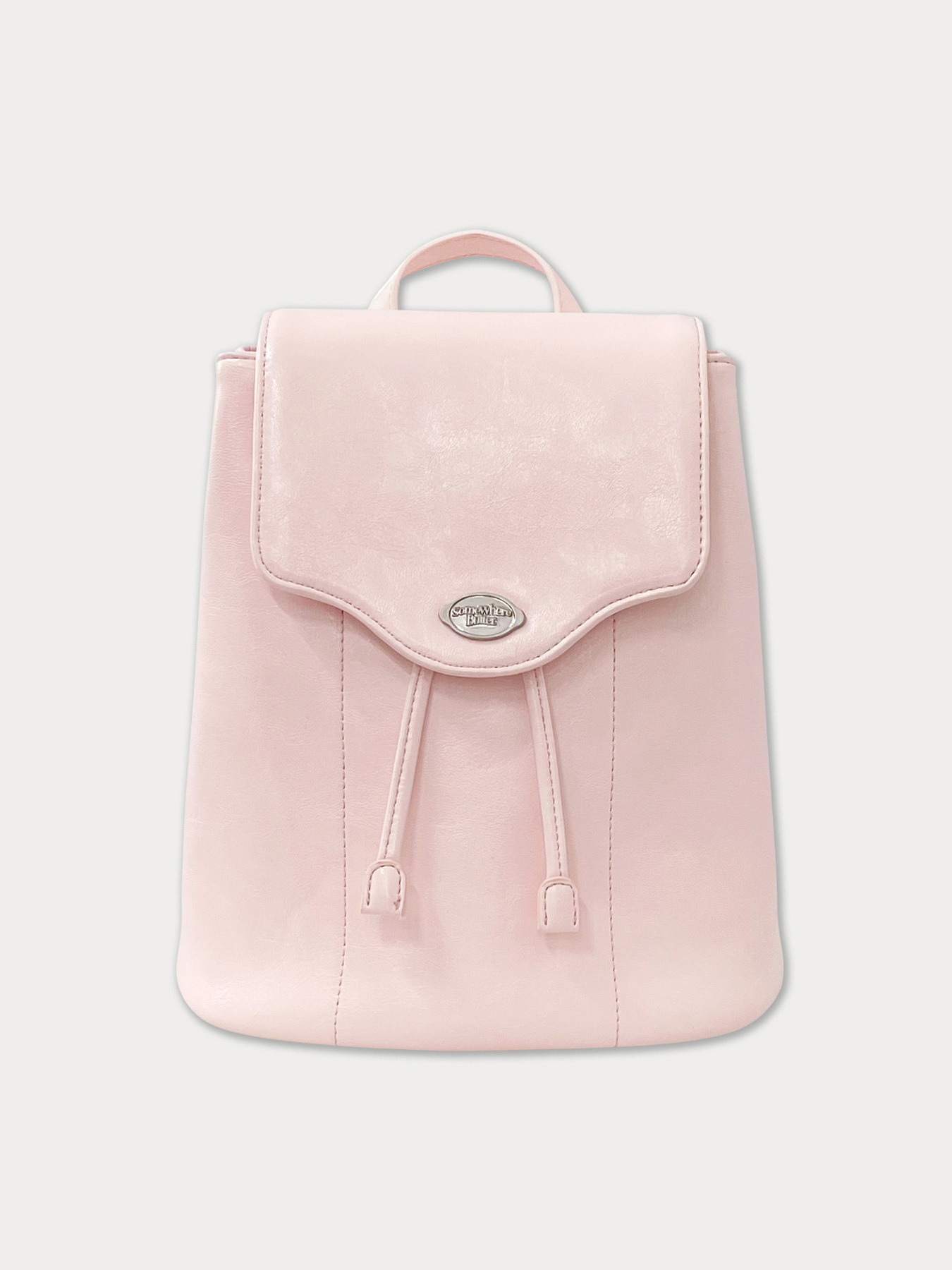
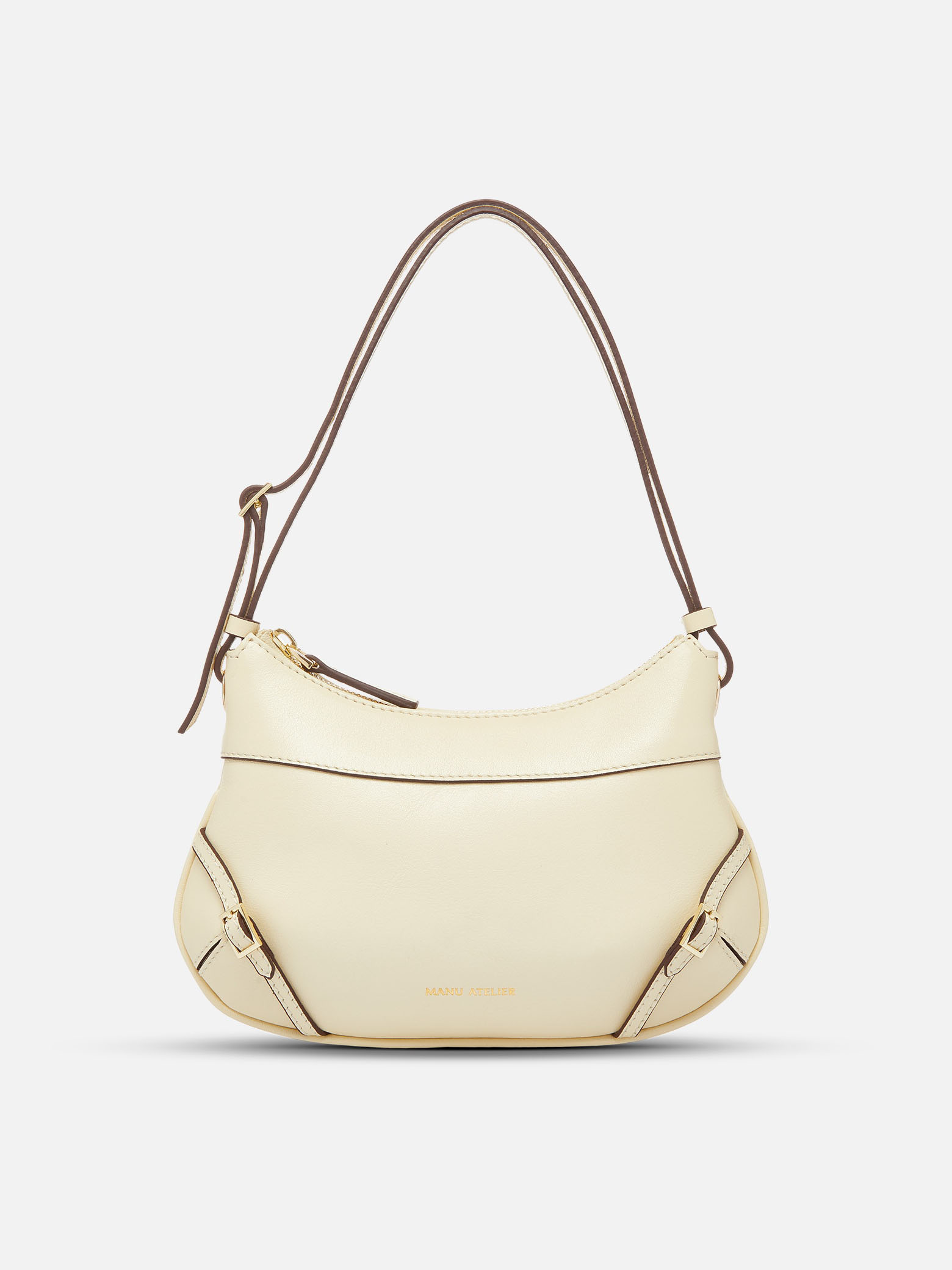
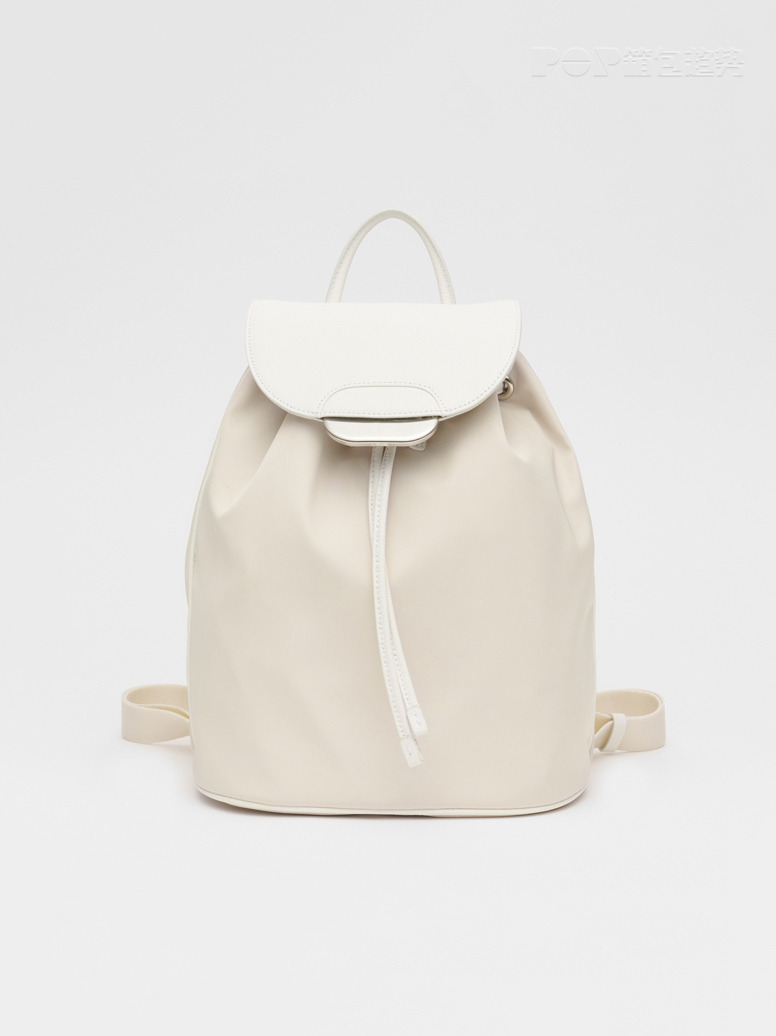
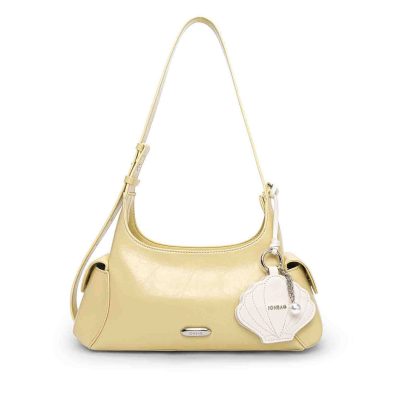
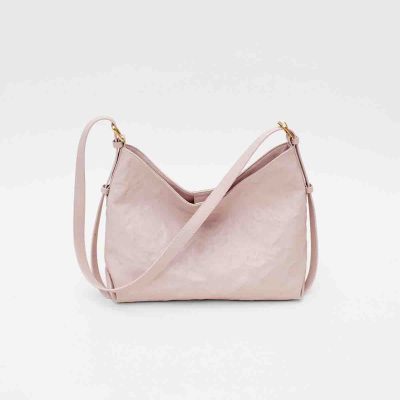
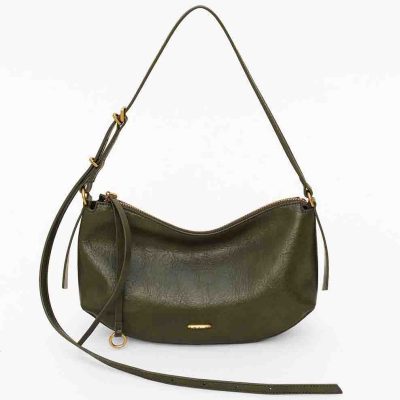
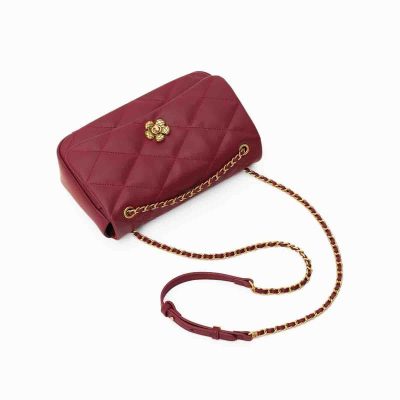
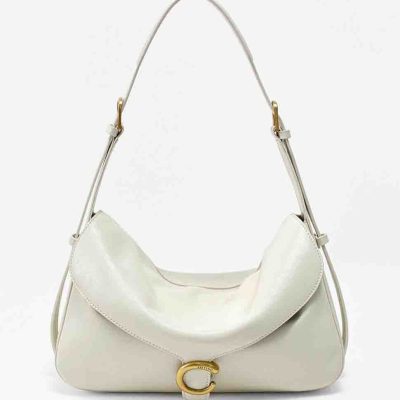
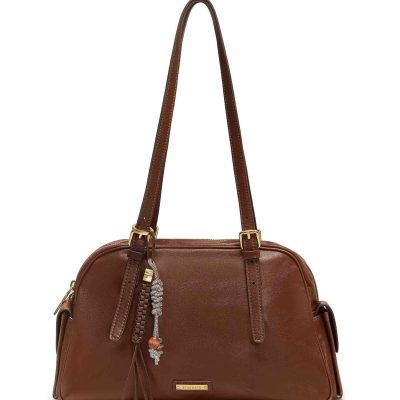
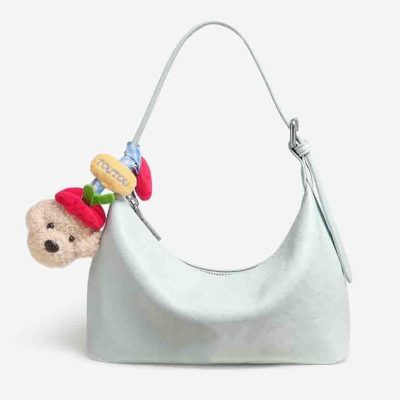
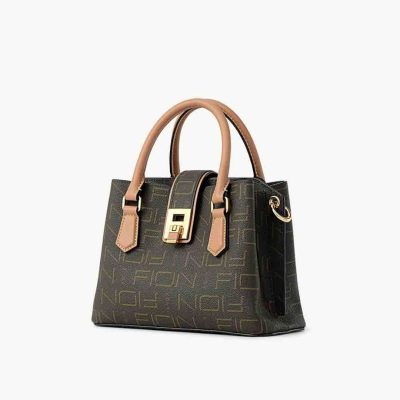

Kering's Q3 2026 revenue held flat at €3.35bn, but Gucci's 6% slide and 105 store closures reveal a luxury leather group...
Learn more →
Zalando appoints Tom Christenson as SVP to drive B2B growth, unifying its ZEOS, Tradebyte and SCAYLE units into the oper...
Learn more →
The European Footwear Confederation backs an EU PFAS ban but demands clear liability rules, warning a blunt restriction ...
Learn more →
UK retail sales growth eased to 1.3% in September as clothing and footwear posted a weak month; the BRC urges Budget sup...
Learn more →
APICCAPS launches "Kindness," a new campaign reframing Portuguese footwear around empathy, durability and responsible cr...
Learn more →
Stella International posted 2.2% Q3 revenue growth to $412.9M, ASP up 6% offsetting lower volumes, with 20M pairs of Vie...
Learn more →
Thirteen leather bodies ICT and COTANCE urge COP31 to recognise leather as circular bio-based material backing durable a...
Learn more →
The 15th World Footwear Business Conditions Survey is open for 2026, inviting industry experts to share outlook on deman...
Learn more →