 中文
中文Japanese Households Spend Less on Footwear, More on Bags, 2025 Survey Shows
A long-running Japanese government survey has produced a telling split in how households allocate spending on personal goods. According to data from the Ministry of Internal Affairs and Communications’ Household Survey, the share of total consumer expenditure devoted to footwear dipped in 2025, while spending on bags edged upward — a small but suggestive shift in discretionary priorities.
The Household Survey is one of Japan’s most authoritative consumer datasets. Each year it tracks roughly 8,000 households selected by statistical sampling, recording income, expenditure, savings, and debt across 501 individual spending items. That breadth makes it a reliable barometer of where money actually goes, even when the movements are incremental.
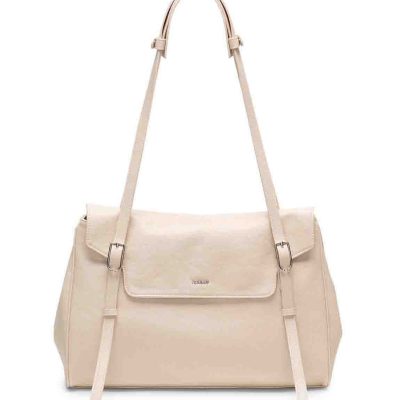
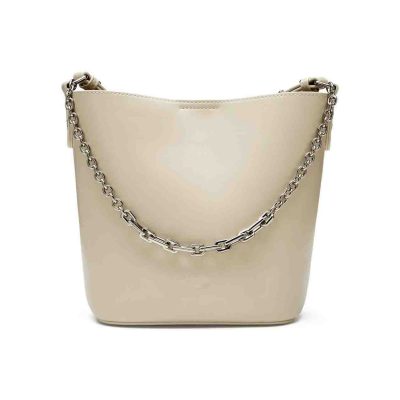
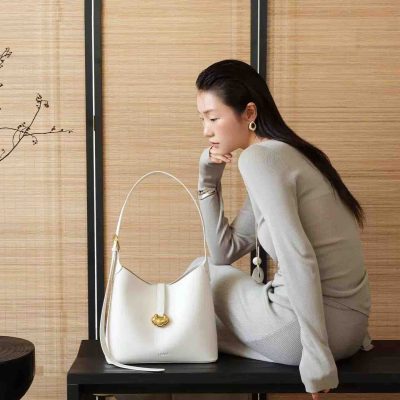
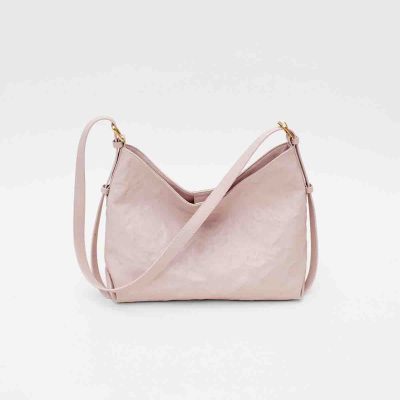
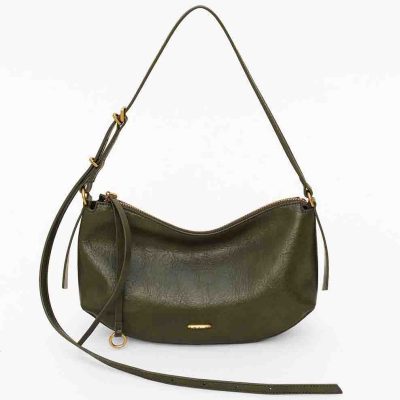
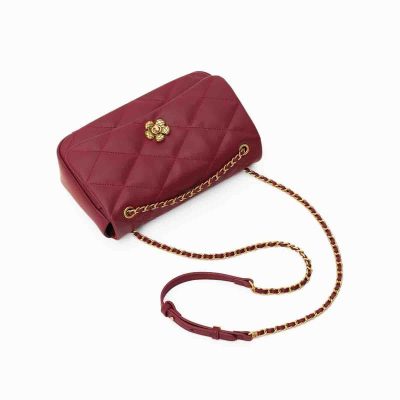
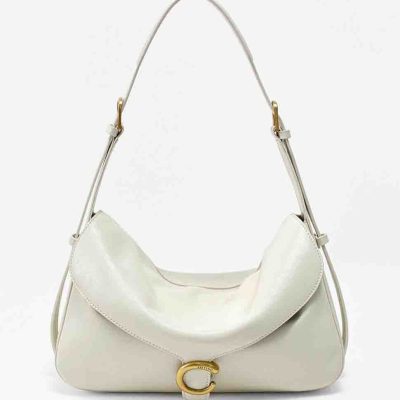
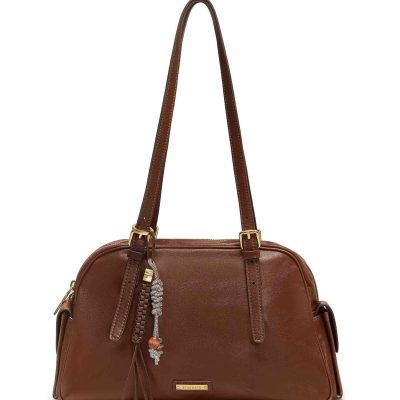
For footwear, the trend had been gently positive since 2022. But in 2025 the category’s share of total consumption expenditure reversed course, falling to 0.44%. Bags moved the other way: after holding at 0.26% in both 2023 and 2024, the category rose to 0.28% in 2025. Neither movement is dramatic in isolation, but together they sketch a pattern worth noting for anyone supplying the Japanese market.
Several forces could be at play. Footwear is among the most deflation-sensitive categories in apparel; with abundant low-price imports and frequent discounting, consumers can meet basic needs without increasing spend. Bags, by contrast, often function as longer-lived, more expressive purchases — items consumers may trade up on even when they trim elsewhere. The divergence hints that Japanese shoppers are becoming more selective, favouring durable or status-bearing accessories over replenishable footwear.
For domestic tanners, manufacturers, and retailers, the signal is mixed. A softening in footwear’s expenditure share pressures volume and pricing in a market already known for intense competition and value orientation. Yet the resilience of bag spending offers a counterweight, particularly for leather goods producers whose materials command premium positioning. Japan remains a sophisticated, quality-conscious market where well-made leather bags continue to justify investment.
The data also arrives against a broader backdrop of cautious Japanese consumer sentiment. With an ageing population and modest wage growth in many sectors, households have grown deliberate about discretionary outlays. Categories that can demonstrate lasting value — through craftsmanship, repairability, or brand equity — are better insulated than those perceived as easily substituted.
Industry associations such as JLIA, which track these figures closely, use them to inform members about structural demand shifts. For exporters targeting Japan, the takeaway is nuanced: footwear volume may be flattish to soft, but the leather goods segment retains pricing power. Brands that lead with quality, provenance, and durability — rather than pure price — are best positioned to capture the share of wallet that Japanese consumers are still willing to commit.
Source: JLIA — Japan Leather and Leather Goods Industries Association (jlia.or.jp), August 25, 2026.