 中文
中文Kenya Hands First Leather Industrial Park Warehouse to Realeather in $4M Deal
Kenya’s ambition to become a serious player in leather manufacturing moved this month from policy decks to the factory floor. On September 4, the government formally handed over the first warehouse at the Kenya Leather Industrial Park (KLIP) in Kinanie to Realeather Limited, a private investor that has committed $4 million to the facility together with Hong Kong–based Jashon International Group. It is the first private investment inside the park, and officials are betting it will pull more manufacturers into a sector long constrained by raw-material shortages and under-developed processing capacity.
The commissioning ceremony was led by Dr. Juma Mukhwana, Principal Secretary for the State Department for Industry, who urged Realeather to begin operations immediately. His urgency is telling. Kenya slaughters large numbers of cattle but exports much of its hide as semi-finished or crust leather, capturing only a fraction of the value that finished consumer goods would deliver. A functioning tannery-to-product pipeline inside KLIP is exactly the infrastructure the country needs to keep more of that value at home.
What Realeather will make
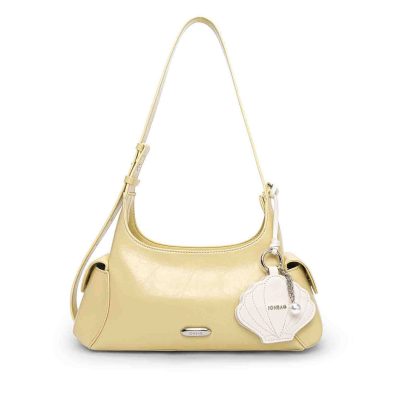
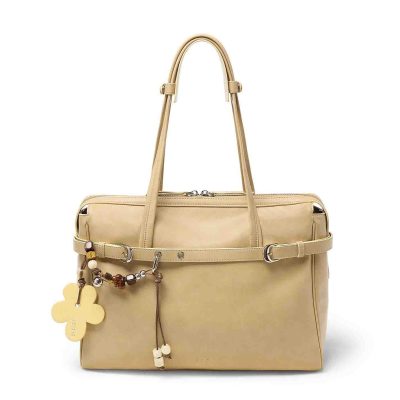
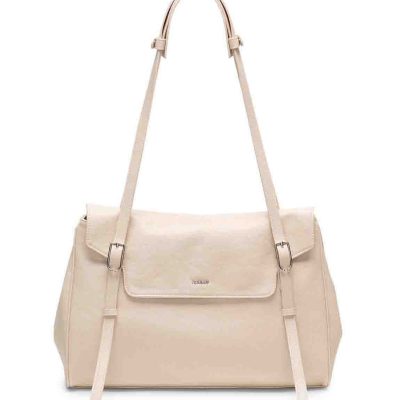
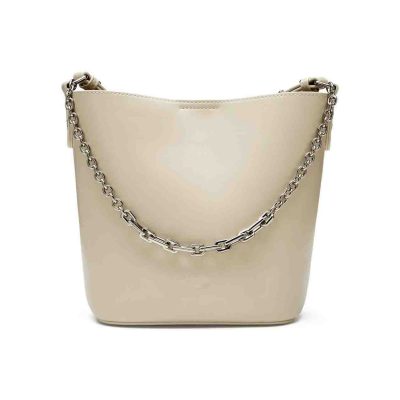
Realeather’s plant will produce suede leather, shoes, leather gloves and accessories for both the Kenyan market and export destinations. The company chose Kinanie for its available space, business environment and supportive government investment policies. Initial employment is pegged at 200 workers, with the workforce expected to scale beyond 500 as production ramps up — a meaningful jobs injection for a region where youth unemployment remains a persistent challenge.
Mukhwana used the occasion to push the Kenya Leather Development Council (KLDC) to design investor-friendly policies that attract additional tenants and expand leather output for Kenya, the wider East African Community and international buyers. KLDC chief executive Jimmy Odhiambo framed the investment as a multiplier: stronger local manufacturing, lower import spend, more jobs and healthier growth across the national leather industry.
The partnership with Jashon International Group is worth noting. A Hong Kong–based manufacturing and sourcing partner brings not only capital but also the production know-how and export-channel relationships that Kenyan leather firms have often lacked. For a first anchor tenant, that combination of money and market access is precisely what turns a warehouse into a viable business rather than a showpiece.
Building an ecosystem, not just a factory
A single warehouse is only the beginning. The government is simultaneously developing shared infrastructure inside the park: an administration block that will house the Kenya Bureau of Standards, the Kenya Revenue Authority, the Export Processing Zones Authority, banks and restaurants. A police station, laboratory, power substation and effluent treatment plant are also in the pipeline. For leather, the effluent treatment plant is especially significant — environmental compliance has historically been the make-or-break issue for tanneries in the region, and centralized treatment lowers the barrier for smaller entrants.
Why it matters
Kenya has repeatedly stated its intention to move up the leather value chain, but intentions have often outrun execution. Handing over a ready warehouse to a funded operator shortens the gap between policy and production. If Realeather meets its hiring and output targets, KLIP becomes a more credible destination for the next wave of investors — and a template for how African leather hubs can convert livestock wealth into manufactured goods rather than raw exports.
The broader lesson is regional. East Africa produces hides in abundance but has historically leaked value to overseas processors. Park-based clustering, with shared compliance and logistics, is one of the more plausible routes to reversing that flow. Realeather’s $4 million is a small number in global terms, but as the first private anchor in KLIP, its symbolism may matter more than its size.
There are, of course, risks. Power reliability, the pace of shared-infrastructure delivery and the ability to source consistent, quality hides locally will all test the model. Yet the direction is clear: Kenya wants its leather to be worn, not just shipped.
Source: Leather News (leathernews.org)