 中文
中文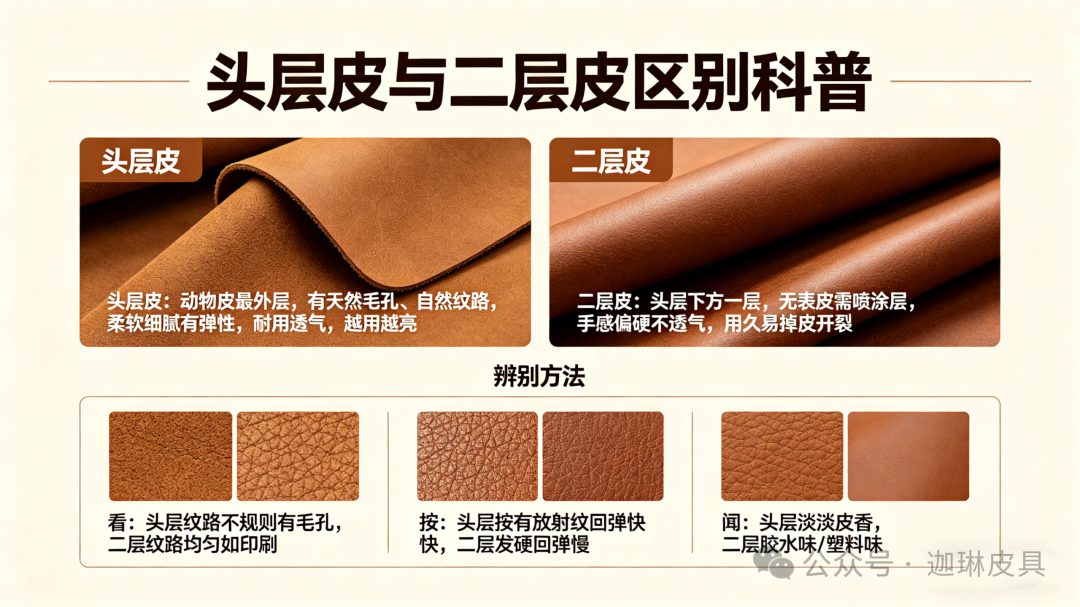
PART 01
PART 02
PART 03
-
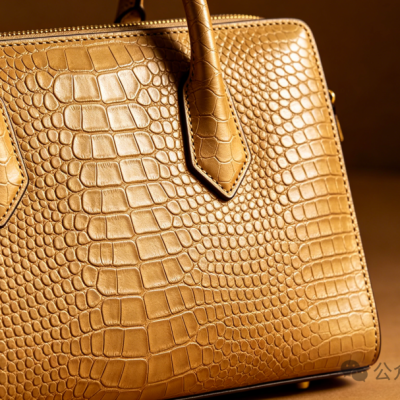
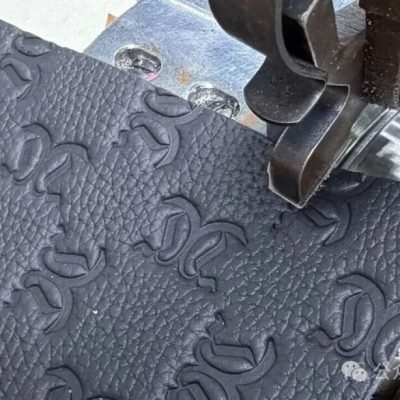
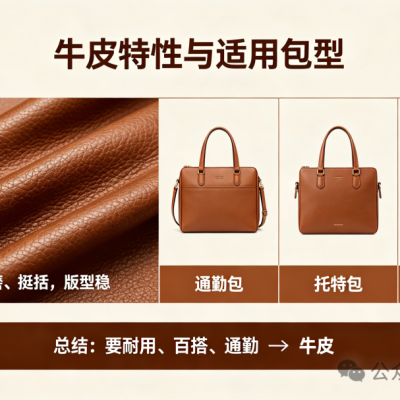
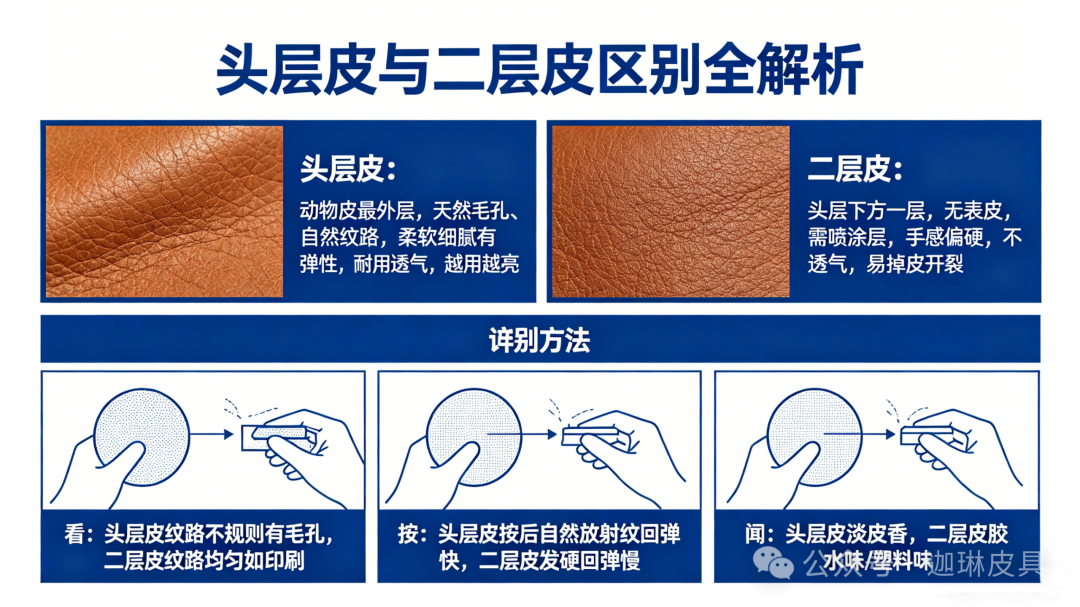
First, look. First-layer leather has irregular patterns and pores; second-layer leather has uniform patterns, like printing. -
Second, press. First-layer leather has natural radial lines and rebounds quickly; second-layer leather is hard and rebounds slowly. -
Third, smell. First-layer leather has a faint leather fragrance; second-layer leather has a gluey or plastic smell. 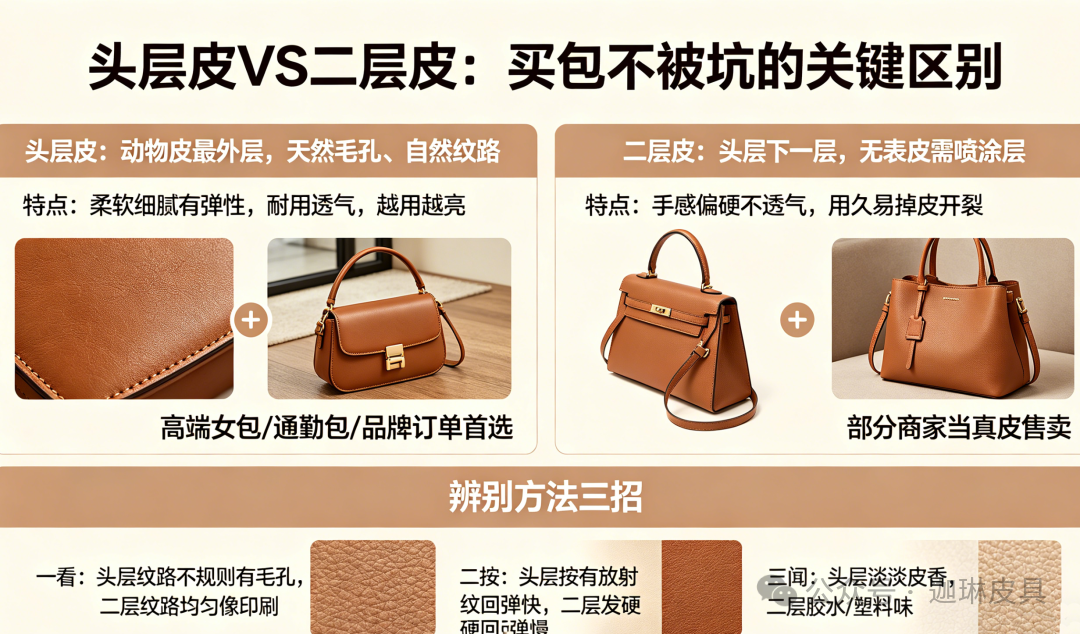
TL;DR
Hello everyone, I am the former factory manager of Galan Leather Goods. I have been making bags for 20 years, and the question I get asked most often is: What is the difference between first-layer…
Frequently Asked Questions
What is the key development covered in this article?
Hello everyone, I am the former factory manager of Galan Leather Goods.
Why does this matter for the leather and footwear industry?
Why is the price difference several times?
What should buyers, suppliers, and investors watch next?
Follow me, and in the next installment, I’ll continue to teach you valuable insights on leather goods, helping you avoid detours and pitfalls.
Key Takeaways
Hello everyone, I am the former factory manager of Galan Leather Goods. The implications extend across the leather, tannery, and footwear value chain—signals that buyers, suppliers, and investors should track closely.
Related Articles
- Why does first-layer leather look better with use? An old factory director explains the characteristics of leather materials
- Is a leather factory also engaging in “OEM”? What is Primeasia aiming for by expanding production at Ecco’s Indonesian factory?
- Why do some genuine leather bags only sell for a few hundred yuan? The factory director reveals the truth: what you think of as “genuine leather” may be a scam