 中文
中文Zara’s Parent Company Just Posted Monster Numbers — and Leather Is All Over the Collection
Inditex doesn’t do drama. The Spanish giant behind Zara, Massimo Dutti, Pull&Bear, and Bershka just dropped its Q1 2026 results, and they’re characteristically boring — if by “boring” you mean “generating €8.7 billion in sales over three months.”
That’s up 5.8% from last year. In constant currency, sales rose 8.8%. For a company that moves as fast as Inditex does — new designs hitting stores every few weeks, supply chains optimized to within an inch of their lives — 8.8% constant currency growth is the kind of “boring” that competitors would kill for.
The Margin Machine Keeps Humming
Let’s talk about what makes Inditex genuinely impressive: they make money on what they sell. Gross profit hit €5.35 billion at a 61.2% margin. That’s not a typo. Six out of every ten euros they bring in stays as gross profit.
For perspective, most fashion retailers would throw a party if they hit 50%. Inditex is doing 61.2% while selling clothes at prices that regular people can actually afford. The secret, if you can call it that, is vertical integration — owning more of the supply chain means capturing more of the value.
Operating expenses rose 6.4%, which the company described as “continued tight cost control.” When your costs grow slightly slower than your sales, margins expand. It’s arithmetic, not magic.
The Profit Numbers That Matter
EBITDA: €2.6 billion, up 7.3%. EBIT: €1.8 billion, up 7%. Profit before tax: €1.76 billion, up 5.5%. Net income: €1.4 billion, up 5.4%.
These are the numbers of a company that’s not just growing — it’s growing profitably. The kind of growth that shareholders actually want, not the “we grew revenue but lost more money” kind that makes investors nervous.
Leather’s Quiet Comeback at Inditex
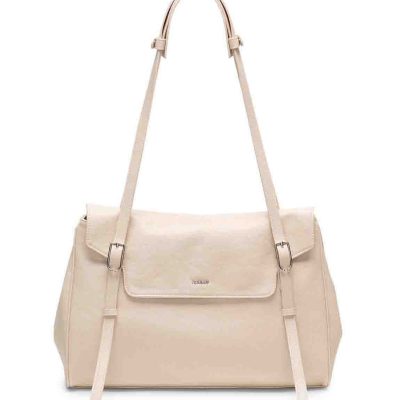
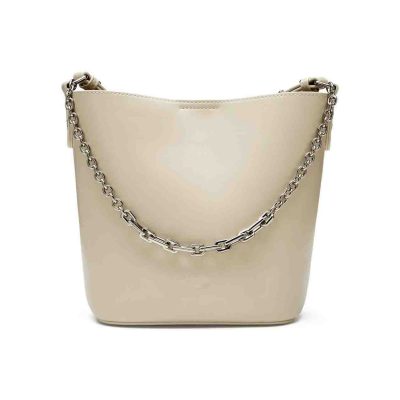
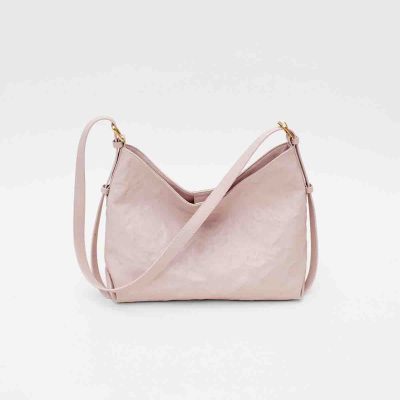
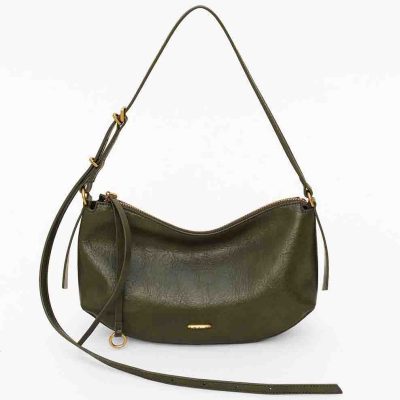
Here’s what’s relevant for the leather industry: Inditex’s Spring/Summer 2026 collections have featured leather prominently. Zara’s leather jackets, Massimo Dutti’s leather accessories, Bershka’s leather details — walk into any Inditex store right now and you’ll see leather working hard across price points and product categories.
For the global leather supply chain, Inditex’s volume matters enormously. When Zara decides to feature leather in a seasonal collection, tanneries feel it. When they shift toward alternatives, tanneries feel that too. Right now, the signals are positive.
The Cash Pile and What It Means
Inditex ended the quarter with €10.8 billion in net cash. That’s not a debt-fueled growth story — it’s a company sitting on more cash than most countries’ GDP who is still finding ways to grow.
They’re planning to spend about €2.3 billion on capital expenditure in 2026, focused on store optimization, technology integration, and online platforms. They’re also leaning into AI across their operations — not as a headline-grabbing gimmick but as a practical tool for teams and customer experience.
The store count stood at 5,456 at the end of April, with ongoing refurbishments, relocations, and new openings across 44 markets. Expected annual gross retail space growth: about 5%.
The Momentum Continues
Perhaps the most encouraging signal: store and online sales between May 1 and June 1 jumped 11.5% in constant currency compared to the same period last year. Some of that might be calendar effects, but even adjusting for timing, the trajectory is clearly upward.
For an industry that’s been navigating cautious consumers and unpredictable markets, Inditex’s results are a reminder of something simple: when you execute well, make products people want, and manage your business with discipline, growth follows.
The leather industry should be paying attention. When the world’s biggest fast-fashion retailer leans into leather, it moves the whole market.
Source: International Leather Maker — “Inditex posts strong start to 2026,” June 2026
TL;DR
Zara’s Parent Company Just Posted Monster Numbers — and Leather Is All Over the Collection Inditex doesn’t do drama. The Spanish giant behind Zara, Massimo Dutti, Pull&Bear, and Bershka just dropped…
Frequently Asked Questions
What is the key development covered in this article?
Zara’s Parent Company Just Posted Monster Numbers — and Leather Is All Over the Collection Inditex doesn’t do drama.
Why does this matter for the leather and footwear industry?
In constant currency, sales rose 8.8%.
What should buyers, suppliers, and investors watch next?
Source: International Leather Maker — “Inditex posts strong start to 2026,” June 2026
Key Takeaways
Zara’s Parent Company Just Posted Monster Numbers — and Leather Is All Over the Collection Inditex doesn’t do drama. The implications extend across the leather, tannery, and footwear value chain—signals that buyers, suppliers, and investors should track closely.
Related Articles
- The country has taken action! The new national standard for leather and fur products has been released, and it’s related to every leather garment you wear
- Hermès opens a new factory, and all the leather craftsmen in France are flocking there? It takes 20 hours to make a Kelly bag
- What should I do if the coating on the second-layer leather falls off? The peeling of the second-layer leather is not your fault; it’s just that it has a naturally short lifespan