 中文
中文title: “Sabyasachi to Enter Footwear and Small Leather Goods in 2027 as Indian Luxury Brands Diversify” seo_description: “Sabyasachi, the Indian luxury house, is preparing to launch its first footwear and small leather goods line in 2027, joining a wave of Indian designers expanding into leather categories.” seo_tags: [“Sabyasachi”, “Indian luxury”, “footwear”, “small leather goods”, “Aditya Birla Fashion”, “Mukesh Ambani”] seo_slug: “sabyasachi-footwear-small-leather-goods-2027” source_url: “https://leathernews.org/sabyasachi-to-enter-footwear-and-small-leather-goods/”
Sabyasachi to Enter Footwear and Small Leather Goods in 2027 as Indian Luxury Brands Diversify
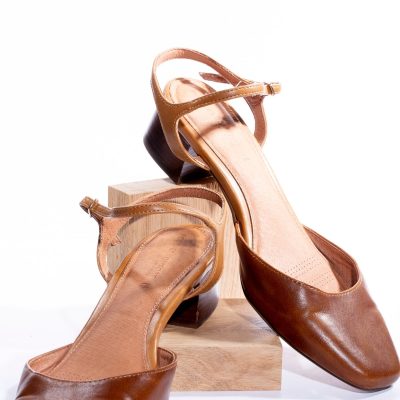
Sabyasachi Mukherjee, the Indian designer whose Kolkata-based house has become a byword for the country’s contemporary luxury aesthetic, is preparing to launch the brand’s first dedicated footwear and small leather goods collection in 2027. The move, confirmed in an internal communication to the brand’s licensing and manufacturing partners, is the most significant category expansion the house has undertaken in its 25-year history and a clear signal that Indian luxury is moving decisively into the leather categories that have long been dominated by European houses.
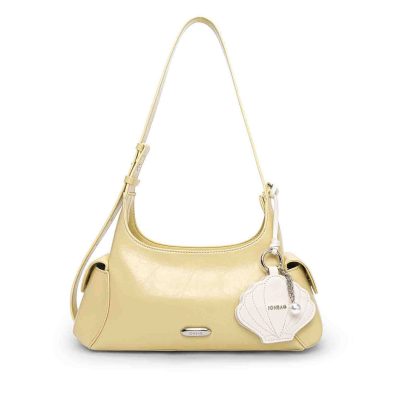
The collection, which is being developed in close collaboration with the brand’s owner, Aditya Birla Fashion and Retail Limited, will include men’s and women’s formal and casual footwear, a small leather goods line encompassing wallets, card holders, belts and small bags, and a limited set of travel accessories. Pricing is expected to be positioned in line with the brand’s existing accessories, which already sit at the upper end of the Indian luxury market and are increasingly exported to the brand’s growing network of international stores.
For Sabyasachi, the move is a long time coming. The house has been one of the most influential voices in Indian fashion since the early 2000s, and its bridal and couture business has been both commercially successful and culturally defining. The accessories business, which has been built over the past decade, has focused primarily on handbags and jewellery. Footwear and small leather goods have been, by Mukherjee’s own admission, the obvious missing pieces. The decision to develop them now, rather than five years ago, has been driven by a combination of manufacturing readiness and a more confident reading of where the Indian luxury consumer is heading.
That consumer, in turn, is part of a broader story that has been gathering pace over the past three years. Indian luxury, long treated as a niche by the global houses, is now being courted seriously. The opening of flagship stores by Louis Vuitton, Dior, Gucci and Bottega Veneta in Mumbai and New Delhi, the rapid expansion of luxury hotels, and the rise of a new generation of ultra-high-net-worth Indian consumers have all combined to make India one of the most-watched growth markets for personal luxury goods in the world. Indian designers have responded. Anita Dongre has built a global ready-to-wear business, Manish Malhotra has expanded into menswear, and now Sabyasachi is adding footwear and small leather goods.
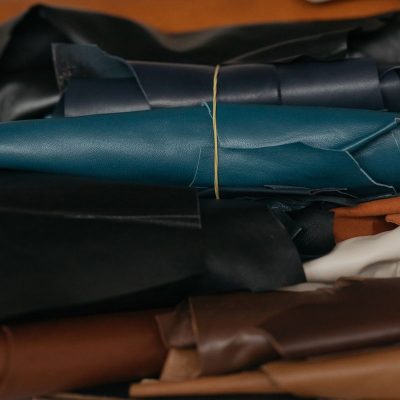
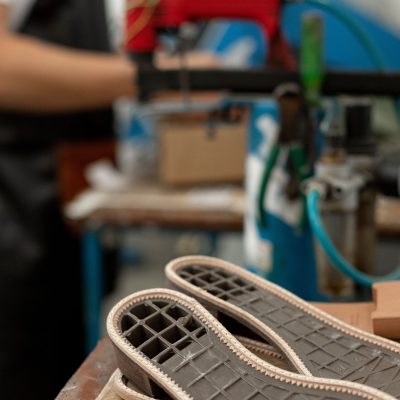
The manufacturing side of the story is more delicate. India has long had a strong tanning and leather working tradition, particularly in Kanpur, Chennai and the wider Tamil Nadu cluster, but the country has historically been better known as a supplier of finished leather and leather goods to European brands than as a producer of branded Indian leather products. Sabyasachi’s decision to develop its footwear and small leather goods in India, with manufacturing partners that the brand is known to have been working with for the past eighteen months, is therefore a quietly significant vote of confidence in the domestic supply chain.
The brand is also understood to be in advanced discussions with a small number of European tanneries for the supply of higher-end leathers, including the exotic and printed leathers that have become a signature of the Sabyasachi aesthetic. The intent, as one person familiar with the development process described it, is to combine European leather quality with Indian craftsmanship, embroidery and hand-finishing, producing a product that is genuinely differentiated from both the European houses and the rapidly growing crop of homegrown Indian competitors.
For the broader leather industry, the Sabyasachi move is the latest in a series of signals that the Indian market is no longer simply a sourcing destination. It is becoming a brand destination in its own right. The implication for tanneries, component suppliers and manufacturing partners is significant. As Indian brands grow, they will increasingly compete for the same European raw materials, the same Italian hardware, the same Spanish soles that the global luxury houses use. The supply chain will need to adjust.
The 2027 launch will be supported by a dedicated retail rollout, including a new flagship in Mumbai and the addition of dedicated footwear and small leather goods zones in the brand’s existing stores in New Delhi, Kolkata, Hyderabad and Bengaluru. International distribution will follow, with a particular focus on the Middle East, the United Kingdom and the United States, all of which have substantial South Asian diaspora communities that have historically been among the most loyal Sabyasachi customers. If the launch is executed well, Sabyasachi’s footwear and small leather goods business has the potential to become one of the most successful Indian-origin luxury category launches in recent memory.
Source: Leather News (leathernews.org), reporting on Sabyasachi’s confirmed 2027 footwear and small leather goods launch.