 中文
中文US Luxury Spending Falls for Third Straight Month as Wealthy Shoppers Pull Back
The American luxury shopper, long treated as the industry’s safety net, is finally showing signs of strain. According to Citi credit card data reported by Reuters, spending on luxury brands in the United States fell 6% year-on-year in September — the third consecutive monthly decline after drops of 4% in both July and August. For a sector that has leaned heavily on affluent US consumers to offset weaker demand in China and Europe, the trend is a warning light that can no longer be ignored.
The slowdown arrives at an awkward moment. Luxury houses are already grappling with a prolonged soft patch in China, where economic uncertainty and a property-sector malaise have dented the confidence of even top-tier buyers. Layered on top is geopolitical tension tied to the war in Iran, which has added a fresh layer of caution to cross-border sentiment. Against that backdrop, the US had been the one bright spot — until now.
Citi’s analysts were careful to note that not all luxury is suffering equally. “Brands with greater exposure to higher-end consumers should remain relatively resilient, supported by equity-market wealth effects,” the bank said, pointing to the cushion provided by stock-market gains among the very wealthy. In other words, the ultra-rich are still spending; it is the merely affluent — the aspirational middle of the luxury pyramid — who are pulling back first.
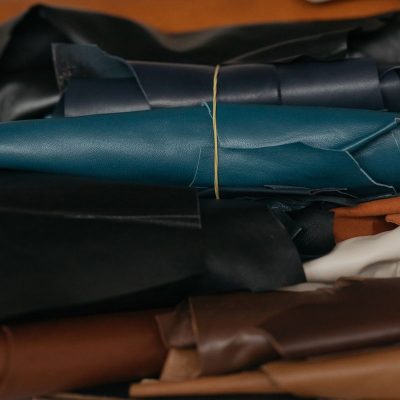
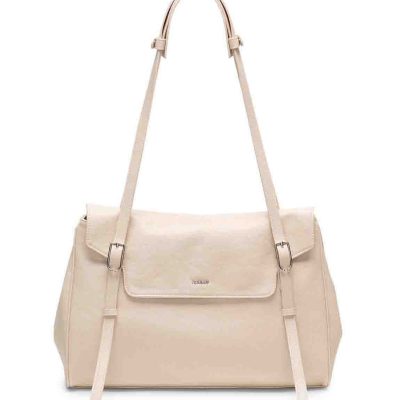
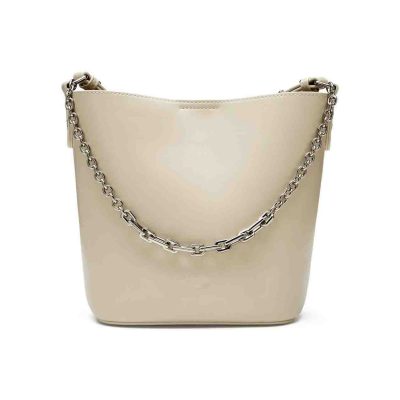
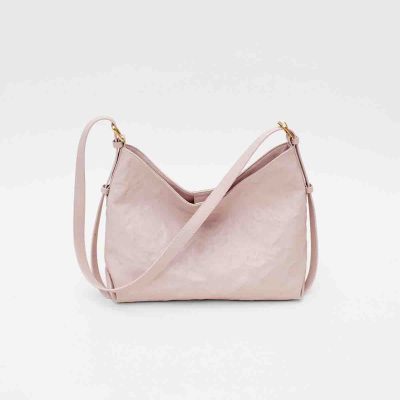
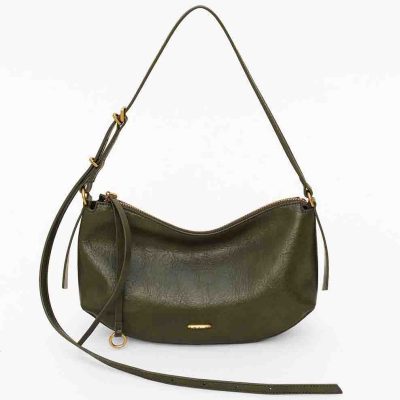
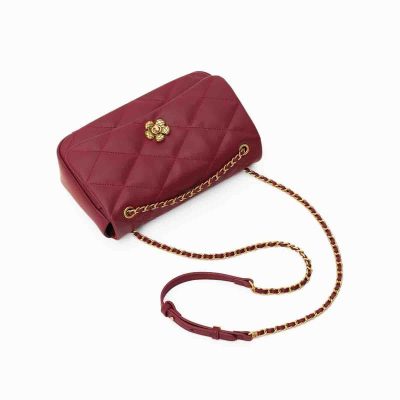
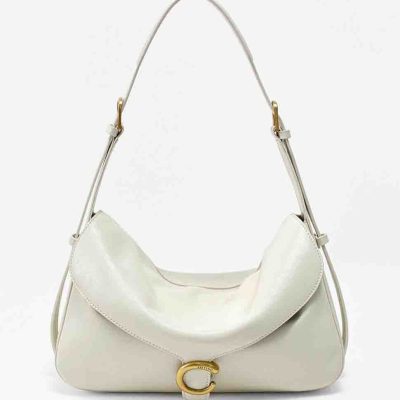
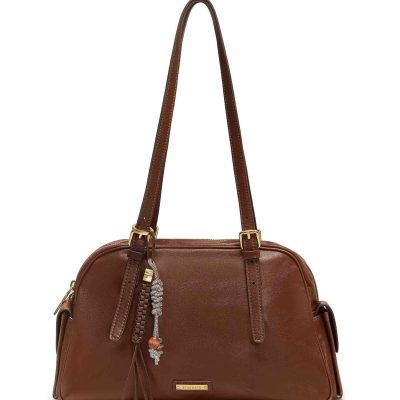
The data also reveals a fascinating split within the category. Spending on leather goods and ready-to-wear actually rose month-on-month in September, even as watches and luxury jewellery continued to slide. That nuance matters: it suggests shoppers are still willing to invest in pieces they can wear and use — a handbag, a pair of well-made shoes — while deferring harder, more conspicuous purchases like timepieces. For leather goods makers, the relative resilience is a small but meaningful vote of confidence.
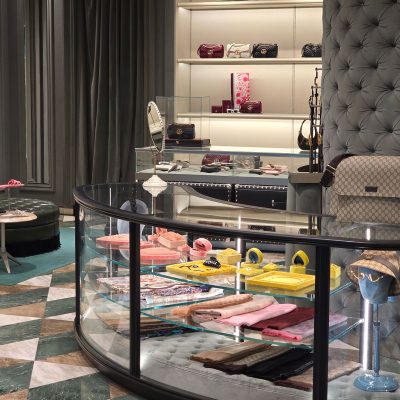
Several companies stand out as particularly exposed to the US market. Citi named Tapestry, LVMH and Ferragamo among those most sensitive to American demand. Tapestry, whose Coach and Kate Spade brands draw heavily on US mall traffic, is especially vulnerable to any dip in domestic sentiment. LVMH’s Fashion & Leather Goods division, the group’s largest, has already flagged weakening Chinese demand; a softer US would remove another pillar of support.
The broader economic picture helps explain the hesitation. Consumer confidence, as measured by the Conference Board and the University of Michigan, has been sliding, with surveys pointing to mounting anxiety ahead of November’s midterm elections. Rising Treasury yields and mortgage rates are squeezing household budgets, and analysts at Morgan Stanley have explicitly warned that weaker US demand could derail the luxury sector’s hoped-for recovery.
What comes next is the key question for executives plotting 2027 strategies. If the slowdown is a function of election-year jitters and rate uncertainty, it may prove temporary. If it reflects a deeper fatigue among aspirational buyers who have absorbed years of price increases, the implications are more serious. Citi noted that brands selling apparel, shoes and leather goods have continued to raise prices — a strategy that works only as long as customers are willing to follow.
For now, the message from the data is unambiguous: the American luxury consumer is no longer bulletproof. The brands that thrive through this stretch will be those that protect their core clients, resist the temptation to over-price, and remember that leather goods and ready-to-wear — the categories still showing life — are won on desirability, not just prestige.
Source: World Footwear / Reuters (Citi credit card data), October 16, 2026.