 中文
中文Halloween Spending to Hit Record $13.5 Billion as Shoppers Hunt Value
American consumers are once again proving that a grim news cycle is no match for a good costume. According to the National Retail Federation (NRF), spending on Halloween in the United States is expected to reach 13.5 billion US dollars in 2026, edging past last year’s record of 13.1 billion and confirming the holiday’s steady climb into a major retail event. The findings come from the NRF’s annual Halloween survey, conducted by Prosper Insights & Analytics among 7,889 consumers between September 1 and September 9.
The headline number hides a more nuanced story about how people are spending. Some 74% of consumers plan to celebrate Halloween this year, up from 73% in 2025 and well above the 68% recorded in 2019, before the pandemic disrupted everything. Participation is broadening, not narrowing — a sign that Halloween has cemented its place as a mainstream, all-ages occasion rather than a niche party holiday.
Yet the average spend per person is only inching up. Shoppers expect to lay out 115.14 US dollars this Halloween, a hair above last year’s 114.45. The flatness is the interesting part: after years of inflation-driven increases, consumers are still willing to open their wallets, but they are doing so with discipline. “Consumers continue to make Halloween a spending priority, but they are also approaching the season with affordability in mind,” said NRF Vice President of Industry and Consumer Insights Allison Zeller.
The survey bears that out. Nearly a third of respondents — 31% — said they will compare prices if costs run higher than expected, while 26% plan to hunt for coupons or sales. A further 34% intend to seek out items that can be reused in future years or repurposed for other occasions. In other words, the Halloween shopper of 2026 is a value-seeker who still wants to have fun, just more cleverly.
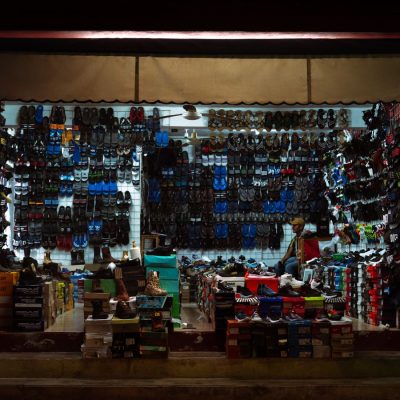
For footwear and accessories brands, the holiday represents a seasonal but meaningful sales window. Costume footwear — themed boots, character slippers, novelty sneakers — sees a sharp spike in demand each October, and the reuse-and-repurpose mentality creates opportunities for durable, versatile pieces that outlast a single night. Retailers that merchandise Halloween as part of a broader autumn assortment, rather than a discrete costume aisle, are best positioned to capture the cautious-but-committed buyer.
The durability of Halloween spending also says something about consumer psychology. In uncertain times, small, contained indulgences — a costume, a porch full of pumpkins, a themed pair of shoes — offer a sense of agency and joy that bigger purchases no longer do. The NRF’s two-decade tracking of the holiday shows a remarkably consistent willingness to celebrate, even when the macro backdrop is rocky.
For 2026, the record forecast is less a story of splurging than of steadiness: more people celebrating, similar amounts spent, and a sharper eye for value. That combination — high participation, flat per-capita spend, strategic shopping — is precisely the profile retailers should plan inventory and promotions around as the season peaks.
Source: World Footwear / National Retail Federation, October 14, 2026.