 中文
中文Today, as a factory director with 20 years of experience in leather goods, I will explain everything to you in one go. So that you won’t be confused when choosing bags in the future.
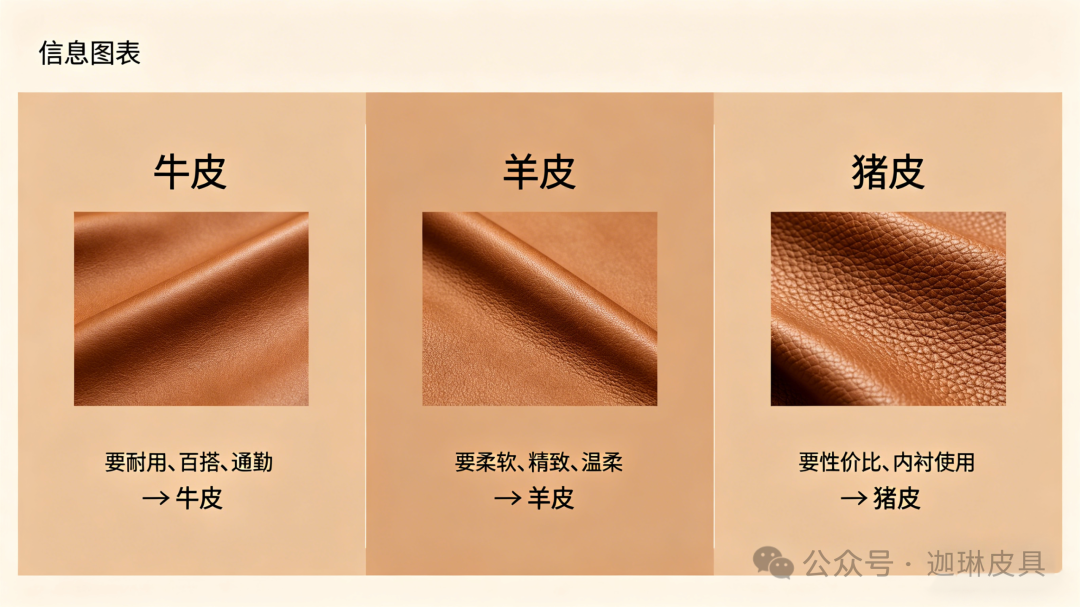
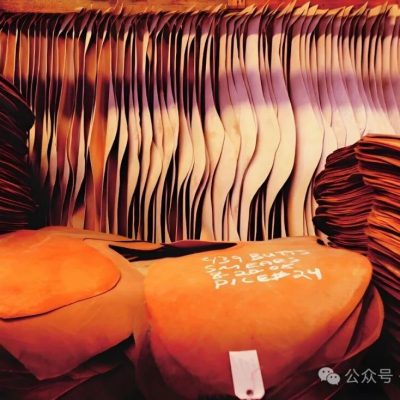
Let’s talk about cowhide first. It is currently the most mainstream and versatile leather material on the market, without a doubt.
There are three advantages:
Durable: The fibrous tissue of cowhide is tight and has high tensile strength. If you carry a cowhide bag normally, it will last for five to eight years without any problem.
Upright and firm: Bags made of cowhide have a stable shape and do not collapse. Especially for commuter bags, tote bags, and business bags, what is needed is that “standing firm” feeling.
Durable: It can withstand daily bumps and scrapes, unlike some delicate leather materials that leave marks with just a scratch of a fingernail.
There are also disadvantages: Compared to sheepskin, cowhide feels a bit “harder” to the touch. Of course, good cowhide can also be made very soft after being processed with techniques such as softening and oil waxing.
In a nutshell: For durability, versatility, and commuting, choose cowhide. This is also the main leather material our factory has been using for 20 years.

Sheepskin is a leather material that many women fall in love with at first sight.
Advantages:
Softness: The softness of sheepskin is unmatched by cowhide. It feels as delicate and smooth as baby skin.
Light: For the same area of leather, sheepskin is significantly lighter than cowhide. The bag made from it won’t weigh on your shoulders when carried.
Good hand feel: The feeling of “not wanting to put it down once it’s in your hand” can only be provided by sheepskin.
The shortcomings are also quite evident:
Not wear-resistant: The surface of sheepskin is easily scratched. Nails, keys, zippers… just a casual rub can leave a mark.
Durability: After five years of use, cowhide may still look like new, while sheepskin may already be “scratched and scuffed”.
Afraid of water: Water stains are easily left on sheepskin when it gets wet, which is troublesome to deal with.
In a nutshell: For softness, delicacy, and gentleness, choose sheepskin. However, it is suitable for styles such as clutch bags, small satchels, and evening bags that are “occasionally carried and carefully used”. Daily commuting with daily carrying is not recommended.

Pigskin has always had a relatively low profile in the leather goods industry.
Advantages:
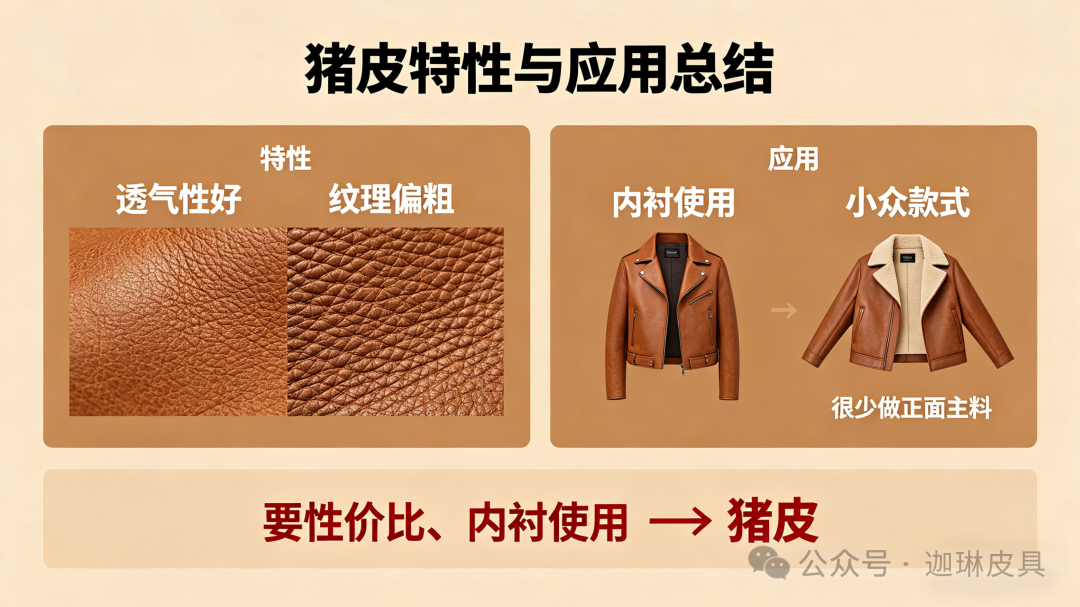
Good breathability: Pigskin has large and permeable pores, making it the most breathable of the three types of leather.
High cost-effectiveness: Pigskin is cheaper than cowhide and sheepskin.
Disadvantages:
Coarse texture: The pores of pigskin are clearly arranged. When used as the main ingredient for the front side, many people find it “unappealing”.
Moderate strength: weaker than cowhide, stronger than sheepskin, but neither superior nor inferior.
In a nutshell: Pigskin is rarely used alone to make bag lining, but it is an excellent lining material. Many high-end bags use pigskin for their lining and compartments – it is breathable, absorbs sweat, and does not damage the items inside the bag.
|
|
|
|
|
|---|---|---|---|
|
|
|
|
|
|
|
|
|
|
|
|
|
|
|
.