 中文
中文Many people are curious: What is vegetable-tanned leather? Why do connoisseurs love it?
Today, I will thoroughly explain this vintage leather “ceiling” to you.
What is vegetable-tanned leather? The most traditional leather craft, vegetable-tanned leather, is fully known as “vegetable-tanned leather”.
It is genuine leather processed with tanning agents extracted from plants (such as bark, fruits, and leaves), containing no heavy metals or chemicals. It is environmentally friendly, healthy, and natural.
This is the oldest leather craftsmanship of mankind, a time-honored skill passed down for centuries.
Compared to the commonly seen chrome-tanned leather (chemically tanned) on the market, vegetable-tanned leather retains the most original characteristics of leather. It’s not perfect, but it has warmth.
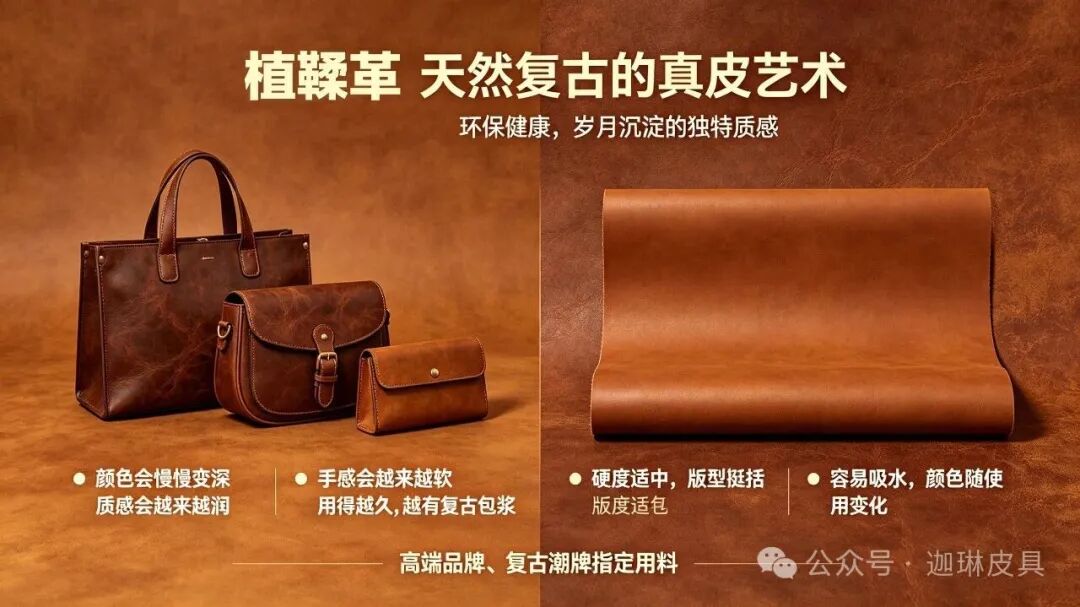
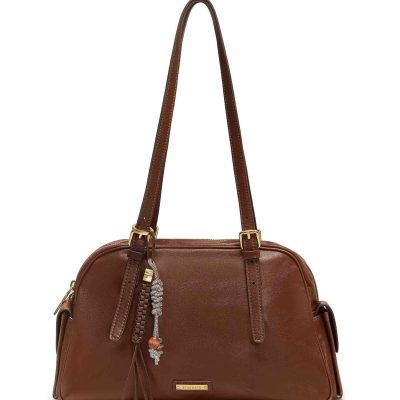
The color will gradually deepen: from a light primary color, it will slowly turn into dark brown or amber. This is not fading, but “aging”.
The texture will become smoother over time: it may feel slightly hard when first purchased, but as it is used for a longer period, oil will seep out, giving the surface a warm and lustrous finish.
The texture will become softer and softer: As you use it, the leather will gradually soften, fitting your body more and more snugly.
In the jargon, this is called “skin conditioning”.
Just like Zisha teapots and wooden bracelets, vegetable-tanned leather will develop a patina. The traces of your use, the sunshine it has been exposed to, and the fingerprints you have touched will all remain on it.
In the end, this bag will take on a unique appearance in the world – the appearance that belongs to you.
This is not an exaggeration. Many enthusiasts of vegetable-tanned leather use their bags for ten or eight years, and the color transforms from light beige to deep amber, with scratches and water stains becoming “marks of time”.
“It’s not old, it’s just well-used.”
What kind of bags is vegetable-tanned leather suitable for?
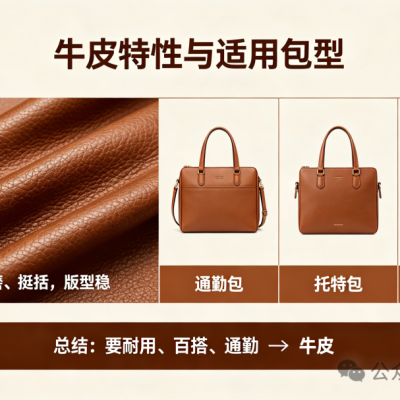
Vegetable-tanned leather boasts a moderate hardness and a crisp and structured shape, making it resistant to sagging. It is particularly suitable for crafting bag designs with a strong structural feel.
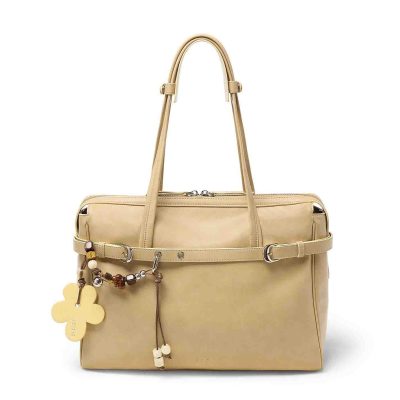
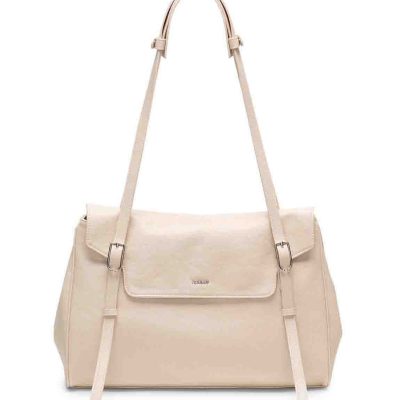
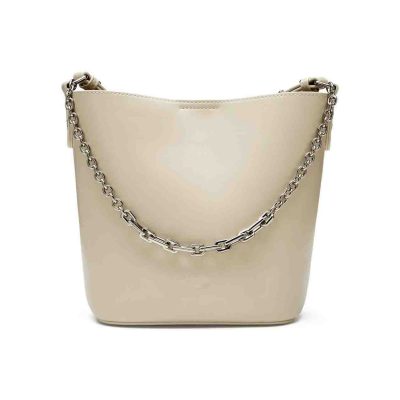
Vintage Tote Bag: The large-area body of the bag best showcases the color variation process of vegetable-tanned leather.
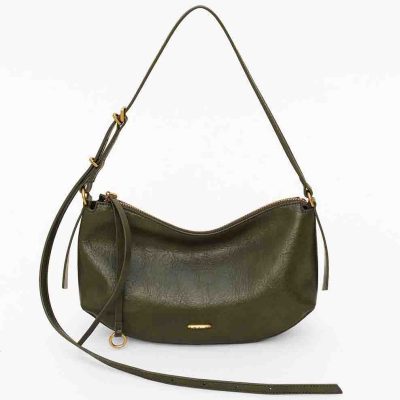
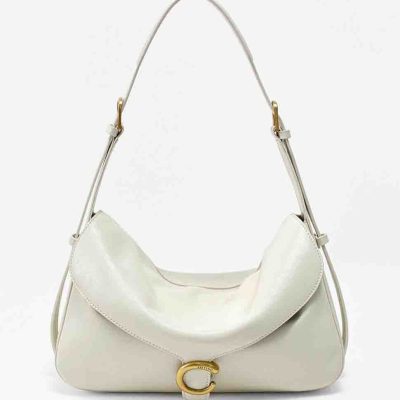
Saddlebag: The combination of a rounded curve and sturdy leather material brings out a full vintage feel.
Handbag/handmade custom bag: vegetable-tanned leather is easy to cut and edge, making it the first choice for handmade leather goods enthusiasts.
Many high-end brands and vintage fashion brands specify the use of vegetable-tanned leather due to its natural texture, which cannot be imitated by artificial leather materials.
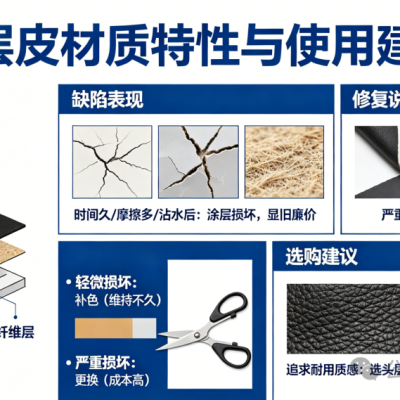
What are the “disadvantages” of vegetable-tanned leather? Precisely, they are its charm. Vegetable-tanned leather is not a “perfect” leather material. It has its own temperament.
Easy to absorb water: Water stains will remain after contact with water. However, once the stains dry, they will develop a unique “vintage feel”.
The color changes: it darkens after exposure to the sun and fades back when not exposed. This is not a quality issue, but a natural characteristic.
Just bought a hard one: it takes some time to “tame” it. But the process of softening it is fun in itself.
Many people who don’t understand consider this a “flaw”. But those who do understand know that this is precisely the charm of vegetable-tanned leather.
It is not a cold industrial product, but a leather material that is alive, breathes, and grows with you.
How to maintain it? It’s quite simple. Vegetable-tanned leather doesn’t require complicated maintenance.
Daily dust removal: Wipe with a dry soft cloth.
If it gets wet: blot it dry immediately and let it dry naturally in the shade. Do not use a hair dryer.
Regular oiling: Every six months or a year, apply a coat of specialized vegetable-tanned leather care oil. It will become increasingly nourished and moisturized.
Avoid exposure to direct sunlight: Prolonged exposure to direct sunlight can accelerate discoloration. If you don’t want it to change too quickly, avoid prolonged exposure to direct sunlight.
Vegetable-tanned leather is not the kind of leather that catches your eye at first glance.
When it’s new, it may appear a bit “plain” and “dull”.
But as long as you are willing to give it time, it will gradually turn into a color and texture that are uniquely yours.
It’s not just a cold leather material, but a companion that grows with you.
If you appreciate vintage, timeless, and soulful bags, vegetable-tanned leather will not disappoint you.