 中文
中文But the embarrassing part is that most of these skins were sold directly.
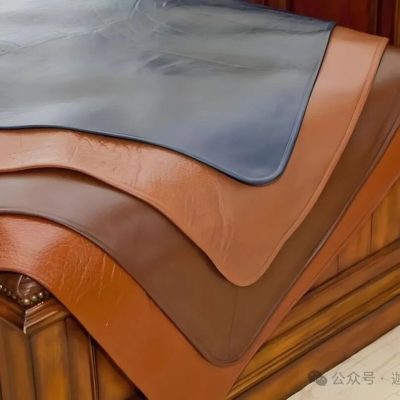
Instead of being sold to local factories for processing into leather bags, shoes, and car seats, they are exported in their raw form, whole and intact.
No money was earned, no employment was created, and instead, informal export channels were fostered.
Recently, Prime Minister Sinegal’s Sinegal pointed out this “scar” at a cabinet meeting: over 70% of the leather is exported in raw material form, with a local processing and transformation rate of less than 5%.
In plain English, it means: good things are sold at a low price.
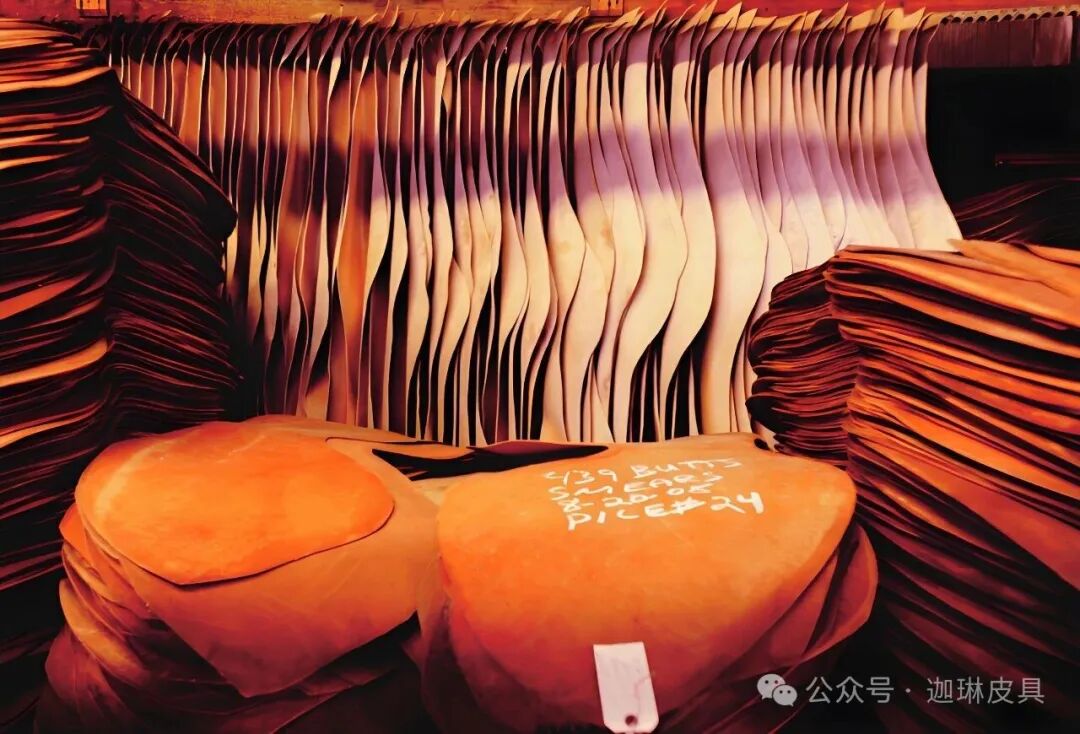
Logically speaking, this is an excellent foundation for the development of the leather industry. Leather can extend to more than a dozen industries, ranging from luggage and leather goods, automotive interiors to furniture manufacturing.
Song Ke did some calculations: if properly developed, this industry could create over 130,000 jobs, with annual turnover expected to exceed US$2.7 billion.
What does $2.7 billion signify? For a country like Senegal, it represents a “big-ticket” industry that can boost exports and create employment opportunities for a large number of young people.
But the reality is harsh.
In the industrial park in the capital Dakar, what the reporter saw was: a large number of animal skins were piled up in an extensive manner, and the processing links were stagnant.
It’s not that we don’t want to process, but we can’t.
02 The industrial chain is broken, where is the bottleneck?
Local practitioners have summarized several “bottlenecks”: the core factory has closed down. There is a core tanning enterprise in Senegal called Senta. Once it shuts down, the entire local processing chain is disrupted. No one is taking the leather, and no one is processing it. Practitioners can only sell the leather to other countries in West Africa. However, cross-border transportation costs are high, and profits are severely compressed.
Lacking technology, equipment, and funds, it’s not that easy to reopen a factory, even if one wishes to do so. Tanning requires specialized equipment, chemical materials, and skilled workers. Currently, Senegal faces a shortage of professional skills training, funding, and outdated equipment, making it difficult to restart the industry.
The market is narrow. There is no decent leather manufacturing industry in the local area. Even if you make leather, who will buy it? This is a “chicken or egg” problem – without processing capacity, downstream brands cannot be attracted; without downstream brands, the processed leather will not be wanted.
An industry practitioner who painstakingly exports 15 tons of leather every month said, “The transportation costs are so high that it’s hard to breathe. Not only is it impossible to expand our workforce, but we’re also saddled with debts.”.
03 How to break the deadlock? Practitioners offer “prescriptions” and local industry insiders’ suggestions are very pragmatic, with two core points: first, build up “processing capacity”. Either restart old factories like Senta, or build new leather processing bases. Keep the leather in the country first, and make the transition from “raw hide” to “finished leather” smooth.
Provide training to enable young people to learn “craftsmanship”. Selling raw materials does not require skills, but making finished products does. Sewing, design, cutting… These skills must be taught and learned by someone.
The government has already given out supportive signals, but practitioners are very honest: “We need the entire industry chain to make efforts, not just shout slogans.”
The story of Senegal sounds somewhat like the “resource curse” experienced by many African countries in recent years – despite possessing abundant resources, they fail to make any money.
But the leather industry has one advantage: it can upgrade step by step, from low to high.
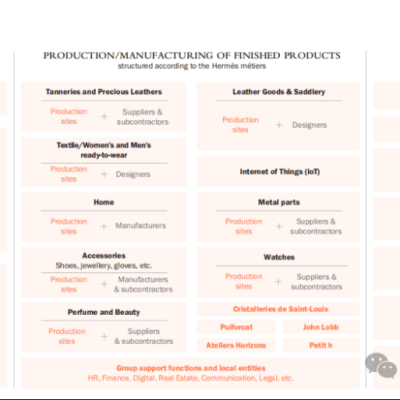
Don’t rush to produce Hermes products. First, turn raw hides into finished leather, and then turn the finished leather into simple bags and leather shoes. Step by step, job opportunities will emerge, and the industrial chain will be retained.
The government of Songke has recognized the potential of this industry, and it is moving in the right direction.
But what is most needed now is not a vision, but action – to restart factories, train workers, and attract investment.
Otherwise, those 70% of the skins will still be loaded onto vehicles one by one and shipped out of the country. What remains is only “what a pity”.