 中文
中文It’s not that no one is buying, it’s that they can’t be produced. A Kelly bag takes 15 to 20 hours to craft by hand. There are only a few dozen workshops in all of France, with 260 craftsmen in total. No matter how rich you are, you have to wait in line.
But strangely, while other luxury brands are cutting production capacity and closing factories, Hermes is desperately building factories. In April 2026, the 25th leather workshop was just put into production. By 2030, another 3 will be opened.
How exactly does it turn its supply chain into a competitive advantage? After reading these three key strategies, you will understand.
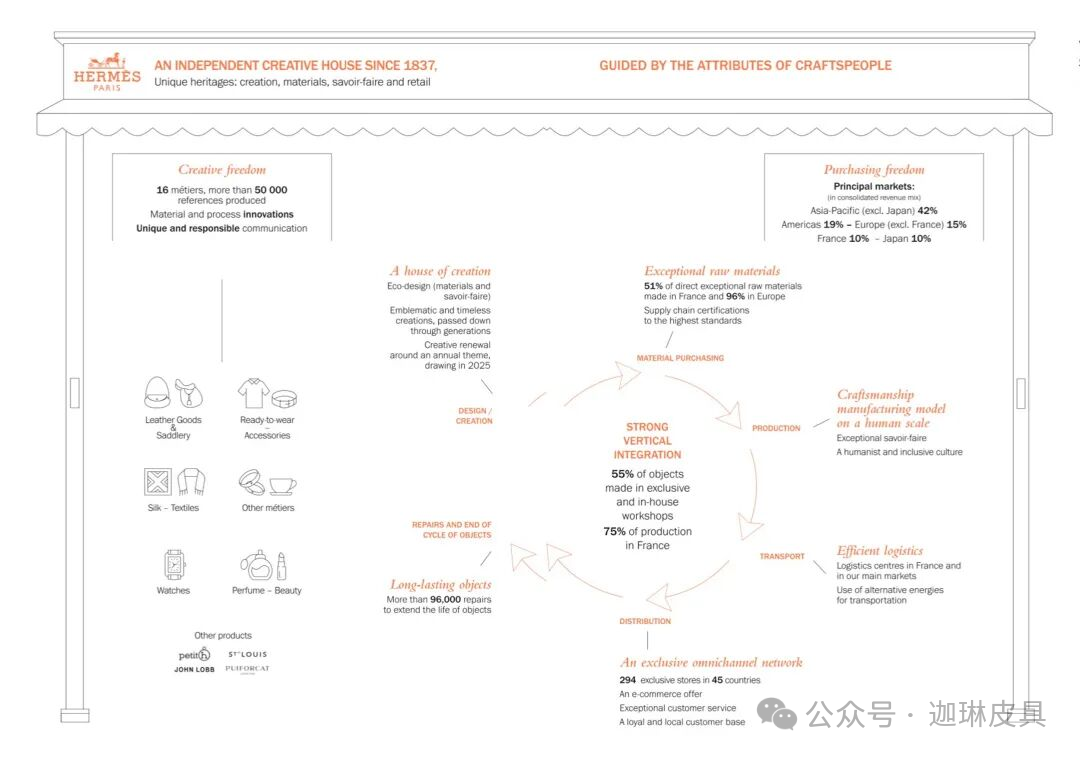
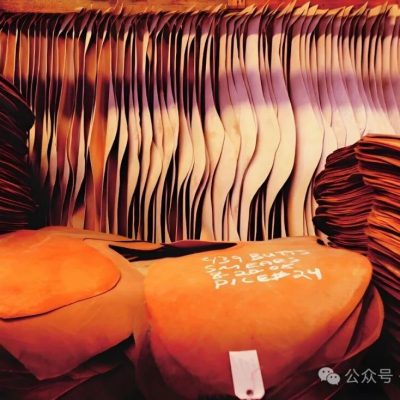
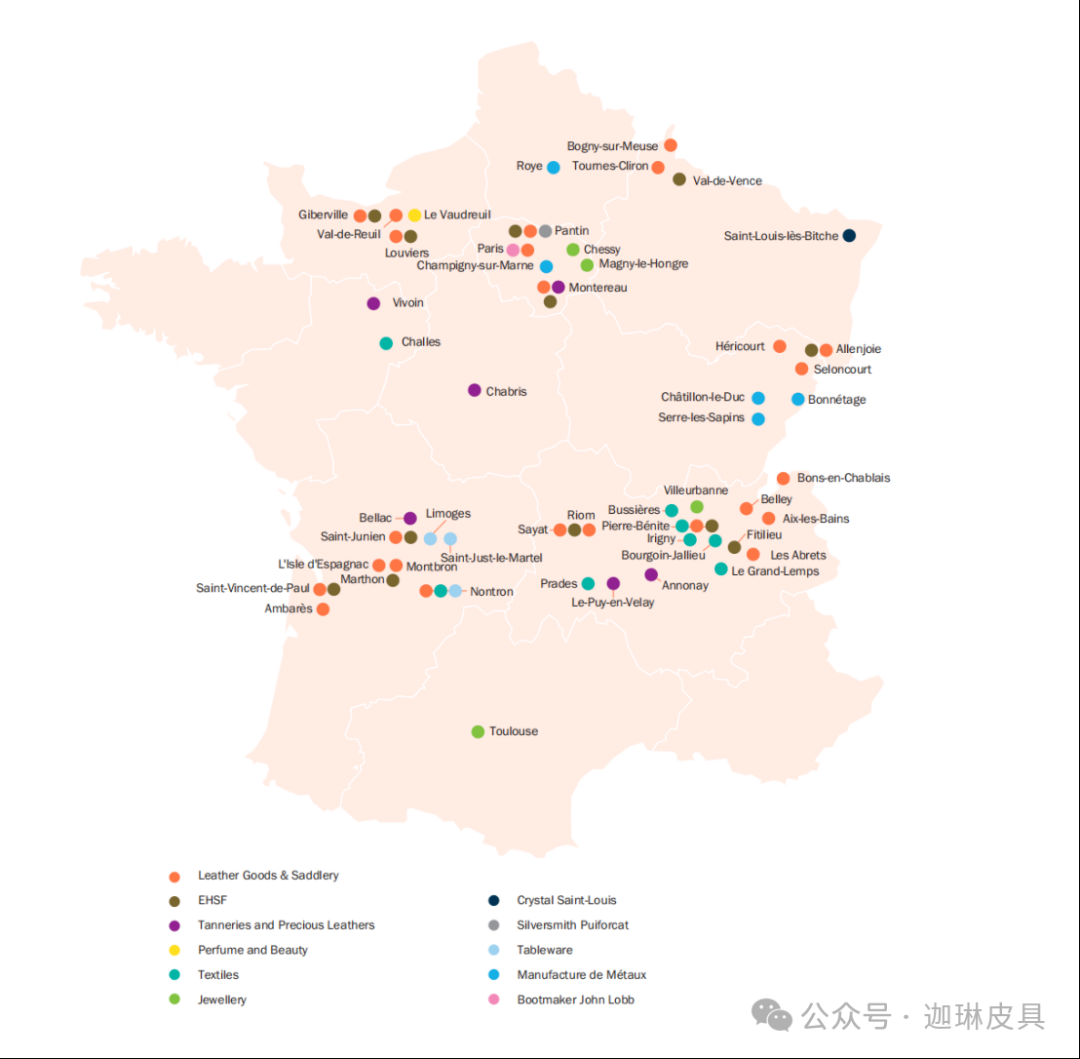
From building the factory to recruiting craftsmen to raising crocodiles, everything is done in-house. Out of 63 production bases in France, 28 are dedicated to leather goods alone. Each workshop can only accommodate 260 people, no more. Newcomers have to undergo 18 months of training before they can become regular employees, and they need to accumulate experience for another 5 years before they can independently make bags.
The CEO of Hermès has a famous quote from Versailles: “We have almost missed all technological revolutions.”
While others use machines, he insists on handmade craftsmanship; while others venture overseas to seek cheap labor, he remains loyal to France. This is not a quaint relic, but a strategy – machines can speed up production, but they cannot produce 15-hour stitches; outsourcing can save costs, but it cannot preserve the premium value of “French handmade”.
For example, the shoe-making workshops in Italy, the silk workshops in Lyon, and the small workshops for jewelry inlaying. Hermes does not hold a controlling stake, only investing 20% or 30%. The purpose is not to make money, but to “buy insurance” – to prevent the loss of craftsmen and the discontinuation of skills someday. In the words of the CEO: “If we lose an excellent inlaying craftsman, we may face the risk of losing that skill.”
This kind of equity participation doesn’t cost much, but it locks the key nodes into one’s own ecosystem.
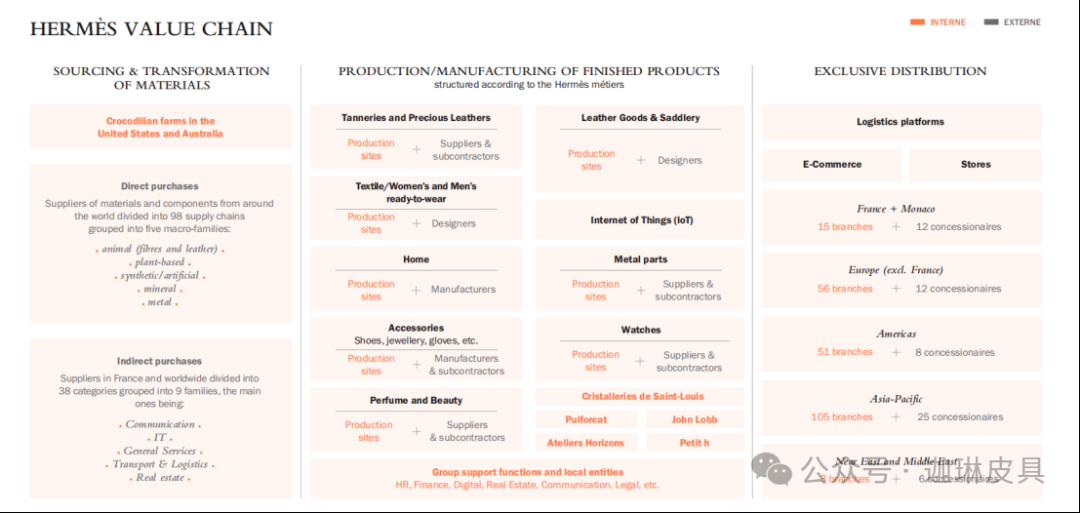
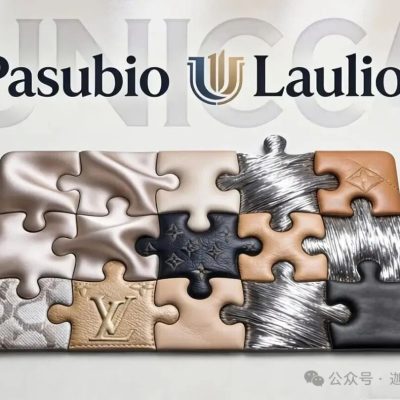
You don’t buy them to increase revenue, but to complete the last piece of the “lifestyle” puzzle – after buying an Hermès bag, you can also match it with shoes, use crystal glasses, and silver tableware. A complete “old money lifestyle” extends from leather goods to home furnishings.
Epilogue: Supply Chain is the True Luxury Goods. Many people ask, why is Hermès so expensive? The answer is not in the show window, but in the workshops in France, in the crocodile farms in Australia, and in those small family factories with a 20% stake.
While other brands are busy cutting costs, changing logos, and hiring popular artists, Hermès did one thing: keep everything under its control. It built its own workshops, took equity stakes in partners, and acquired famous workshops – heavy assets, long cycles, and not easy to please.
This is the moat that it cannot bypass or learn.