 中文
中文But after more than 20 years, this park has transformed from a “Hope Project” into a hot potato.
Now, the government wants to hand over management to the more professional Bangladesh Export Processing Zones Authority (BEPZA), only to find that no one dares to take it.
Because there are too many problems and the loopholes are too big.
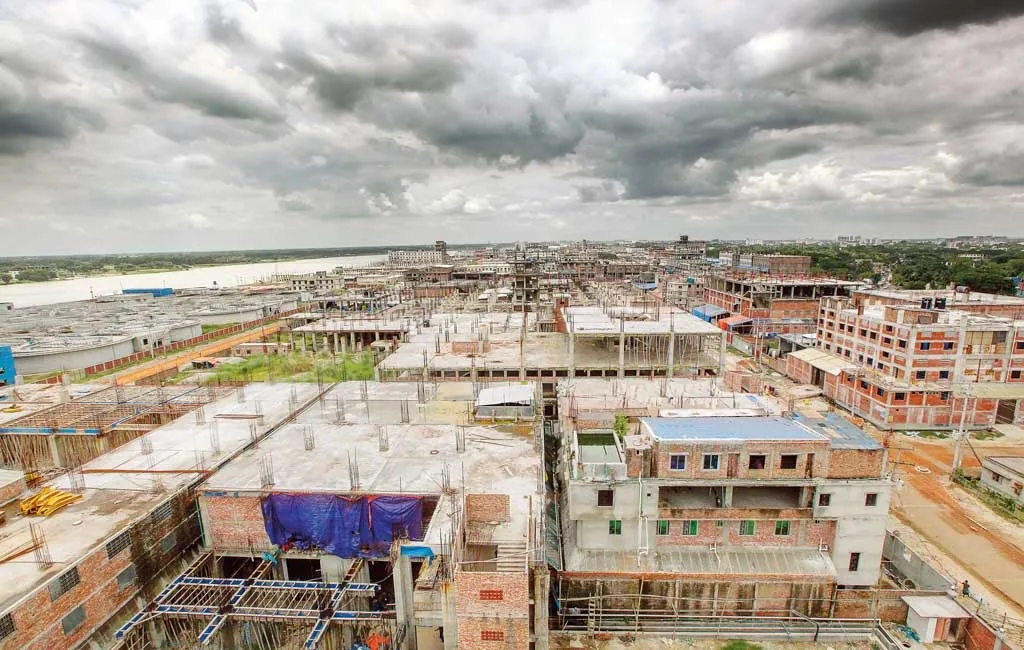
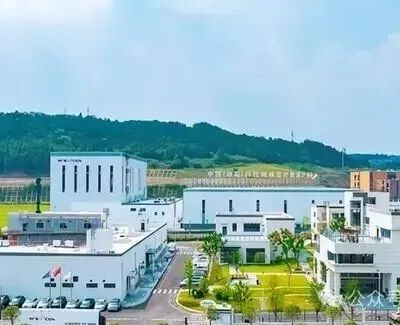
This factory serves as the “heart” of the entire industrial park. Without it, the tannery’s wastewater would have nowhere to go. However, the reality is that its daily treatment capacity is currently below 15,000 cubic meters, far below the design standard. Coupled with the chaotic management of solid waste, the industrial park has been in a “semi-paralyzed” state for a long time.
After taking over, the first thing BEPZA did was to upgrade and renovate the sewage plant. But where would the money come from? The answer was: increasing sewage charges.
Currently, the tannery pays a sewage treatment fee of 40-60 taka per cubic meter. BEPZA indicates that after taking over, the fee may rise to over 200 taka.
The cost has increased several times. The tannery owners were outraged: “With such high costs, we can’t make any money at all. It’s impossible to continue.”
With over 100 billion yuan in loans, the tannery’s attempt to “write off” the debts is even more challenging than dealing with sewage: money.
The report reveals a shocking figure: the total outstanding loans borne by the tanneries in the park amount to 100-150 billion taka (approximately 8-12 billion yuan).
How did these loans come about? In order to relocate from the old area to the industrial park, the tanneries borrowed heavily to build factories and purchase equipment. However, due to a series of issues such as environmental protection, management, and market, many factories failed to operate normally.
Since 2017, the loan interest has been accumulating. Now, the demands of the tannery bosses are: the government should provide “special loan restructuring concessions”, preferably waiving the interest or even part of the principal.
But the government is also in a difficult position: it is only right to pay back debts. Why should we make an exception for you?
Year 03 vs Year 30: Another easily overlooked yet highly fatal issue in the “legal deadlock” of leases is land leases.
Previously, the tannery had signed a 99-year lease with BSCIC. However, according to the management regulations of BEPZA, only a 30-year lease is provided.
The difference between the two is 69 years. This is not a matter of money, but rather a matter of the legality of the contract.
Tannery owners are concerned: after the management rights are handed over to BEPZA, will the original 99-year lease still count? If it does, how will the 30-year rule of BEPZA be coordinated? If it doesn’t, how will the assets of the tannery be valued?
This is a “legal deadlock” that remains unresolved for the time being.
04 Where to go for the Savar Park?
The issue with the Savar park is essentially a typical dilemma faced by developing countries: the planning is excellent, but the execution is terrible. There are too many debts in the early stages, and whoever takes over in the later stages will be in for a rough ride.
If the handover to BEPZA cannot be smoothly completed, the park will continue to drag its feet – with sewage being discharged as usual, solid waste being piled up haphazardly, and efficiency remaining low. It will also be difficult for Bangladesh’s leather industry to truly upgrade.
However, if the transfer is forced, the tanneries will face a triple blow of soaring wastewater treatment fees, unpayable loans, and questionable leases. A large number of factories may close down, leading to unemployment and social problems.
The chairman of BEPZA himself admitted, “The core obstacle is debt. The tannery has borrowed heavily but failed to achieve effective production.”
In a dilemma.
The problems with the Savar Industrial Park did not emerge overnight. It took 12 delays from the start of construction in 2003 to its completion in 2021. Such a “congenitally deficient” project is extremely costly to repair in the later stages.
Now, the government wants to “change hands” for survival, but the buyer, BEPZA, is no fool. The sewage plant needs to be renovated, debts need to be dealt with, and leases need to be straightened out… Each of these is a tough nut to crack.
The predicament of Savar is not just a problem for Bangladesh. It is a typical failure case in the process of “environmental protection upgrading” of the global leather industry.
I hope that this time, all parties can truly sit down, sort out the accounts, clarify responsibilities, and find the right path forward.
Otherwise, this park will continue to “wallow” in its current state.