 中文
中文title: “French Leather’s Paradox: Exports Dip 2.8% but Trade Surplus Actually Grows” source: https://leathernews.org/french-leather-industry-exports-fall-2-8-to-e6-13-billion-while-imports-decline-6-6-in-january-to-april-2026/ date: 2026-07-27
French Leather’s Paradox: Exports Dip 2.8% but Trade Surplus Actually Grows
France’s leather industry delivered a masterclass in the economics of trade balances during the first four months of 2026. Exports fell 2.8% to €6.13 billion. Imports fell faster, dropping 6.6% to €4.13 billion. The result? The trade surplus actually improved, climbing from €1.88 billion to €1.99 billion — a gain of €117 million, or 6.3%. Sometimes, declining less than your competitor is the winning strategy.
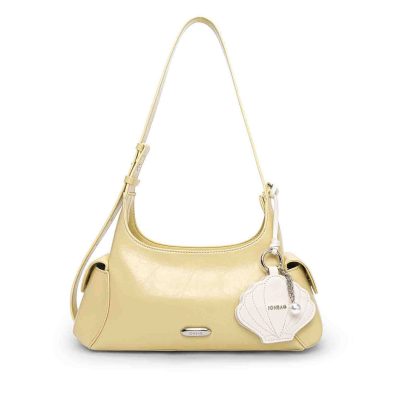
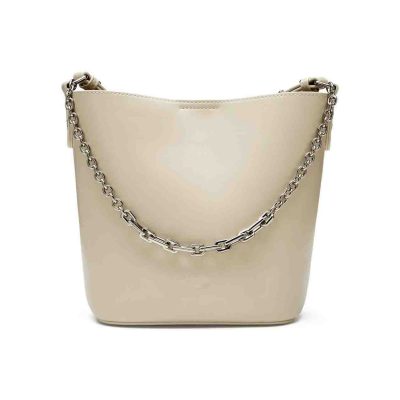
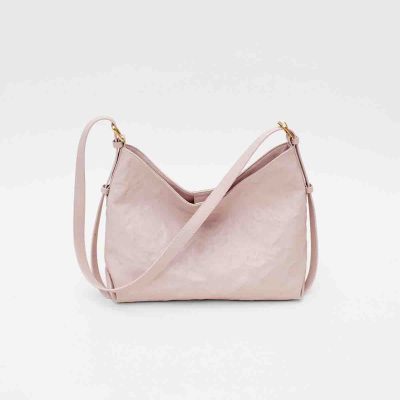
The data, released by Alliance France Cuir, reveals a sector navigating choppy waters with surprising resilience. Leather goods — handbags, small leather accessories, and travel items — remain France’s dominant export category at €4.25 billion, despite a 3% decline. Footwear, the second-largest category, slipped 2% to €1.73 billion. Raw hides and skins took the sharpest hit, falling 13% to €59.7 million.
But amid the declines, one category bucked the trend. Leather — the processed material itself, not finished goods — saw exports surge 12% to €83.8 million. It’s a small number in absolute terms, but the direction matters. French tanneries, it seems, are finding buyers even as finished-goods manufacturers face headwinds. This could reflect luxury brands’ continued appetite for high-quality European leather, or it could indicate that French tanneries are successfully pivoting toward export markets as domestic demand softens.
On the import side, the picture is more uniformly negative. Every major category declined, with raw hides and skins plunging 27% to €33.3 million — a signal that French tanneries are processing less, or sourcing differently. Footwear imports fell 8% to €2.49 billion, which at least partly reflects softer domestic consumer demand. Leather goods imports dropped 3% to €1.41 billion.
The April-only data offers a glimmer of optimism. Monthly exports declined just 0.7% year-on-year, a dramatic improvement over the Q1 trend. Leather again led the way with 13% growth. Leather goods eked out a 0.4% gain. The monthly trade surplus improved to €594 million, up from €563 million in April 2025. If April’s trend holds, the worst of the downturn may be behind the French leather sector.
What’s driving the broader softness? Several factors are likely at play. Global luxury demand has cooled from its pandemic-era peak, affecting French leather goods exports disproportionately — this is, after all, the home of Hermès, LVMH, and Kering. Currency dynamics, particularly the euro’s strength against emerging-market currencies, make European exports more expensive in key growth markets. And geopolitical uncertainty, from US tariff actions to Middle East tensions, continues to weigh on global trade sentiment.
Yet the improving trade surplus tells a story of underlying strength. France’s leather industry isn’t just selling less — it’s importing less, which means value addition is happening domestically. The sector is preserving margin even as revenue contracts. For an industry built on craftsmanship and brand equity rather than volume, that may be the more sustainable metric to watch.
Source: Leather News, based on Alliance France Cuir data