 中文
中文Kazakhstan’s Leather Industry Surges 36%: A Emerging Powerhouse in Central Asia
The leather industry in Kazakhstan is experiencing a remarkable transformation. According to the Ministry of Industry and Construction, leather and related products production increased by 36% during the first five months of 2026 compared to the same period last year. This impressive growth signals Kazakhstan’s rising prominence as a leather manufacturing hub in Central Asia.
Strong Growth Across Multiple Segments
The growth wasn’t limited to a single product category. Multiple segments within the leather industry recorded substantial gains, indicating a broad-based expansion rather than isolated success.
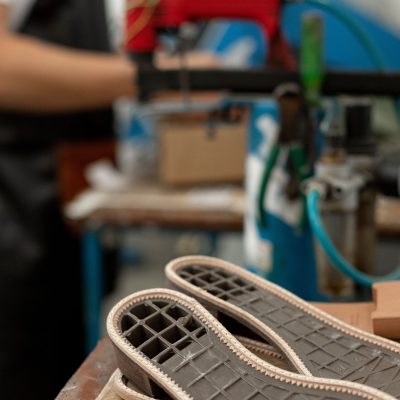
Travel accessories and saddlery led the charge with a staggering 47.6% increase in production. This category’s explosive growth reflects both domestic demand and emerging export opportunities. Footwear production also performed strongly, rising by 39.9% and demonstrating Kazakhstan’s growing capability in leather shoe manufacturing.
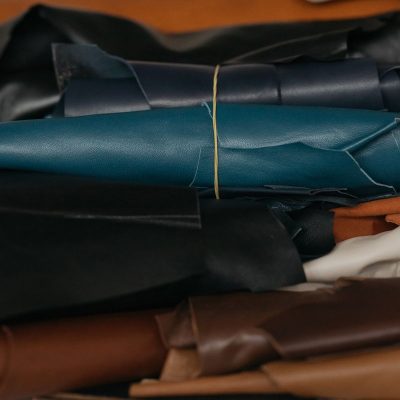
Even leather production itself—the foundation of the industry—posted healthy growth of 27.3%. This upstream strength suggests that tanners in Kazakhstan are successfully scaling operations to meet growing demand from downstream manufacturers.
Regional Manufacturing Hubs Taking Shape
The production surge is geographically concentrated in key regions that are establishing themselves as leather manufacturing centers.
Almaty region emerged as the clear leader, recording production worth T2.4 billion (approximately $5.01 million) during the first five months of 2026. This accounted for 35% of Kazakhstan’s total leather industry output, underscoring Almaty’s dominant position in the sector.
The city of Almaty secured second place with production worth T967.6 million (around $2 million), representing 13.7% of the industry’s total output. The concentration of production in and around Almaty suggests strong clustering effects, with supply chain advantages, skilled labor availability, and infrastructure access all contributing to regional competitiveness.
Zhambyl region claimed third place with production worth T776.8 million (approximately $1.62 million), accounting for 11% of total industry output. The region’s emergence as a leather manufacturing hub points to the geographic spread of the industry beyond traditional centers.
What’s Driving the Growth?
Several factors appear to be supporting Kazakhstan’s leather industry expansion. The country’s large livestock population provides a stable supply of raw hides and skins—a fundamental competitive advantage for any leather producing nation. Government support for industrial development, including the leather and textile sectors, has also likely contributed to the growth.
The 36% increase in production also suggests that Kazakh tanneries and manufacturers are successfully accessing new markets and customers. The strong performance in travel accessories and footwear indicates that finished goods manufacturers are finding export opportunities, potentially in neighboring Central Asian markets, Russia, and increasingly in international markets.
Challenges and Opportunities Ahead
Despite the impressive growth figures, Kazakhstan’s leather industry remains relatively small compared to global powerhouses like China, Italy, India, and Brazil. The total production value of roughly $14.3 million over five months indicates significant room for expansion.
To sustain and accelerate growth, the industry will need to address several challenges. These include upgrading tanning technology to meet international environmental standards, developing stronger brands and design capabilities for finished goods, and building more sophisticated export market access channels.
The strong growth in travel accessories and footwear also suggests an opportunity for vertical integration—with more tanneries potentially forward-integrating into finished goods manufacturing to capture more value within Kazakhstan.
Regional Implications
Kazakhstan’s leather industry growth has implications beyond national borders. As a Central Asian nation with access to both Chinese and European markets, Kazakhstan could position itself as a regional leather manufacturing hub serving multiple markets.
The country’s participation in trade agreements and economic partnerships could further support export growth. Additionally, as global brands continue to diversify their sourcing away from traditional manufacturing centers, Kazakhstan may find new opportunities to attract investment and orders.
Conclusion
Kazakhstan’s 36% production increase in the leather sector represents more than just impressive statistics—it signals the emergence of a new regional player in the global leather industry. With strong growth across multiple product categories and clear regional manufacturing hubs taking shape, the country appears well-positioned to continue expanding its leather industry.
The coming years will determine whether this growth represents the beginning of a sustained expansion or a temporary surge. For now, Kazakhstan’s leather industry is clearly on an upward trajectory, and industry stakeholders worldwide would do well to pay attention.
Source: Leather News (https://leathernews.org/kazakhstan-leather-industry/)