 中文
中文Pakistan Transport Strike Threatens to Stall Leather Shipments
A transport and truckers’ strike in Pakistan is threatening to disrupt leather and hide shipments, raising fresh concerns for an export-oriented industry that depends on moving raw and finished material quickly and reliably. When the trucks stop, the tanneries feel it almost immediately.
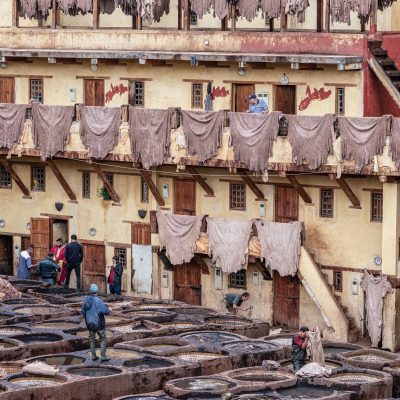
Pakistan’s leather sector is a quiet heavyweight. The country is a significant exporter of leather, leather garments and footwear, with clusters around Karachi, Lahore and Sialkot feeding buyers across Europe, Asia and beyond. The industry runs on flow: hides from slaughterhouses to tanneries, then semi-finished and finished leather and goods out to ports. Each leg of that flow relies on road freight, and a strike severs the weakest link first.
The immediate risk is spoilage and delay. Raw hides and skins are perishable in a way finished goods are not; if they sit because trucks are not running, quality degrades and the material can be lost entirely. Tanneries operating on tight schedules suddenly face gaps in intake, which throws off production and, in turn, the export orders promised to foreign buyers. In leather, a missed shipment is rarely just a late delivery — it can mean a cancelled line.
There is a working-capital angle too. Leather businesses often run on thin margins and fast turns, and a stoppage freezes material that is already paid for while fixed costs keep running. Smaller tanneries and processors, which lack the cash buffer of larger groups, are the most exposed. A strike that lasts days rather than hours can push the most fragile operators toward real distress, even if the dispute itself is resolved quickly.
For international buyers, the disruption is a reminder of supply-chain fragility in a key origin. Brands that source from Pakistan for cost and capability have to weigh the reliability risk against the price advantage, and repeated logistics shocks make that calculus harder. Some may dual-source or hold more inventory, both of which raise costs and erode the very efficiency the origin was chosen for.
The strike also lands at an awkward moment for global leather demand. Buyers are already cautious, and anything that adds uncertainty to delivery makes them slower to commit. A Pakistani supplier who cannot guarantee a ship date loses leverage exactly when leverage is scarce. The reputational cost of unreliability outlasts the strike itself, which is why the industry watches these stoppages with real anxiety.
None of this is unique to leather — textiles, agriculture and manufacturing all feel the same pinch — but leather’s perishability makes it especially sensitive. The policy ask is straightforward: recognize essential goods logistics as something that should keep moving even during disputes, and invest in the rail and port capacity that reduces dependence on a single, strike-prone mode of road freight.
For now, the situation is a warning as much as a disruption. If resolved swiftly, the damage stays contained; if it drags, the costs compound through the chain and onto export ledgers. Pakistan’s leather industry has weathered volatility before, but every stoppage is a lesson in how fragile the distance between a tannery and a container terminal really is.
Source: International Leather Maker