 中文
中文Ferragamo Trims 1.3% Off H1 Sales While Direct Channels Gain Ground
Salvatore Ferragamo closed the first half of 2026 with revenue down 1.3 percent, a modest decline that nonetheless captures the mood of a luxury sector still searching for its footing. The headline figure is small, but the detail inside it matters more: the brand’s direct-to-consumer channel continues to build momentum even as the wholesale side weighs the group down.
A 1.3 percent dip is, in today’s luxury climate, almost a result to defend. Many houses have reported far steeper drops as the post-pandemic spending surge normalizes and Chinese consumers turn cautious. Ferragamo’s ability to keep the fall to low single digits suggests the worst of the correction may be stabilizing, even if growth has not yet returned. For a label in the middle of a creative and commercial reset, stability is a legitimate first step.
The direct channel is where the real story sits. Ferragamo has been reshaping its retail network, upgrading flagships, tightening the client experience and pushing its own stores and online presence over third-party wholesale. That strategy trades short-term volume for long-term control: owned doors protect margin, let the brand tell its story cleanly, and capture full-price customers rather than discount-driven ones. The momentum there is a sign the reset is working where it counts most.
Wholesale, by contrast, remains the drag. Selling through department stores and multi-brand retailers exposes a label to someone else’s markdown calendar and someone else’s traffic problem. As luxury groups reconsider how much presence they want in third-party doors, Ferragamo’s wholesale softness is partly by design — the group is deliberately pruning accounts that do not fit the positioning. That cleanup hurts the top line now but should help profitability and brand perception later.
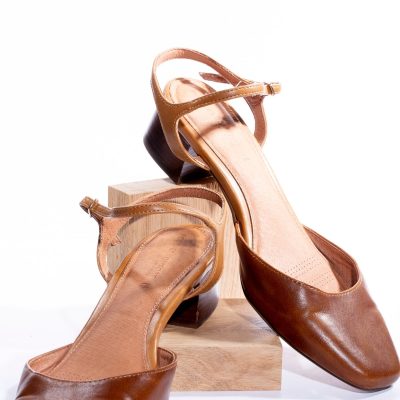
Leather is at the heart of the offer. Ferragamo’s shoes and small leather goods are the categories that define the maison, and the direct push is built to showcase them properly. When a customer meets the product in a flagship rather than a crowded concession, the craft reads more clearly and the full-price sale is easier to defend. In a market where consumers are choosier, that controlled environment is a competitive advantage.
The bigger picture is a sector in transition. Luxury is no longer growing on autopilot, and the brands winning share are those with a clear point of view and the discipline to protect it. Ferragamo’s half-year shows a label holding the line while rebuilding — not a breakout, but a credible holding pattern during a turnaround.
Investors will want to see the 1.3 percent drift narrow and then reverse, and the direct channel’s strength will need to outweigh wholesale pruning soon. For now, the result is a reminder that in a difficult luxury market, a small decline paired with improving channel mix can be a more encouraging signal than the headline implies. The second half will show whether Ferragamo’s reset is truly taking hold.
Source: International Leather Maker