 中文
中文Natuzzi’s Sales Plunge as the Italian Furniture Maker Accelerates Its Overhaul
Natuzzi has always been synonymous with leather sofas, and for good reason: the Puglia-based group helped define what a comfortable, well-made leather couch looks like in homes across the world. That makes the latest sales figures uncomfortable reading. The company reported a sharp drop in revenue as it pushes harder on a restructuring plan meant to reset the business for a tougher market.
The decline is not happening in a vacuum. Demand for big-ticket home furniture has cooled in the United States and parts of Europe, where consumers who spent heavily on their living spaces during the pandemic are now pausing. When the category leader feels the pinch, it is a fair proxy for the whole leather-upholstery segment. Natuzzi’s challenge is that its products sit squarely in the discretionary, higher-consideration end of the market — exactly the place shoppers cut first when confidence slips.
Behind the headline number, the group is moving on several fronts. Restructuring is accelerating, which in practice means tightening the cost base, rationalizing underperforming points of sale, and concentrating investment on the lines and regions that actually earn their keep. For a manufacturer with global manufacturing and a wide retail footprint, that kind of cleanup is painful but often necessary. The goal is a leaner operation that can protect margin even if top-line growth stays flat.
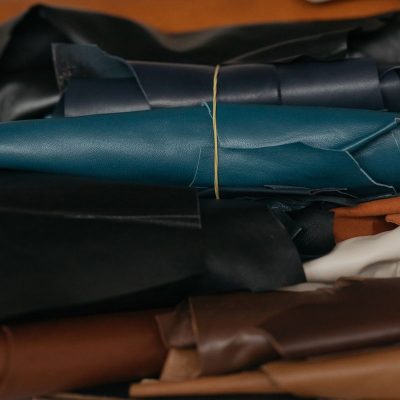
Leather remains central to the story. Natuzzi built its reputation on supple, durable upholstery leather, and that heritage is hard to replicate. The risk in a downturn is that buyers trade down to fabric or synthetic alternatives to hit a lower price point. Holding those customers without eroding the brand means offering the right balance of entry price and unmistakable quality — a narrow path that the group is now navigating in public.
There are structural strengths to lean on. The Natuzzi and Harmony brands still carry weight in showrooms, and the company’s vertical integration, from leather finishing to finished product, gives it control that pure importers lack. That control becomes an advantage when input costs move, because the group can adjust its own process rather than simply absorbing supplier increases. In a soft market, that flexibility is worth more than it looks.
The honest assessment is that this is a cycle meeting a plan. Furniture demand will return, but the brands that emerge strongest will be the ones that used the quiet period to fix what was loose. Natuzzi’s acceleration of its restructuring reads as an acknowledgment that waiting out the slowdown is not enough — the business has to be reshaped while the pressure is on.
For the broader leather goods sector, the takeaway is sobering but familiar: premium positioning protects a brand in good times and exposes it in bad ones. The companies that pair craft with discipline — controlled costs, sharp distribution, a clear hero product — are the ones most likely to be standing tall when the home-furniture cycle turns. Natuzzi’s name still carries enormous equity. Whether this overhaul converts that equity back into growth is the question the next few quarters will answer.
Source: International Leather Maker