苏丹每年扔掉一半动物皮,损失数百万美元!现在终于要“捡”回来了
wasionViews(22)
你可能不知道,在非洲东北部的苏丹,有一个“隐形”的损失正在发生。
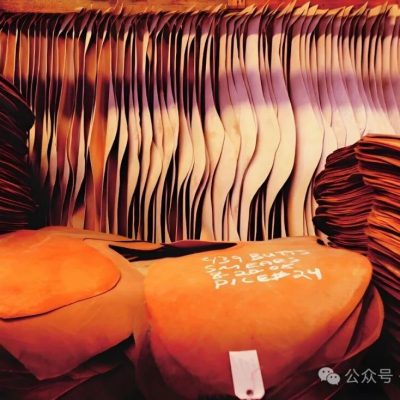
每年,这个国家有超过50%的可用动物皮张,被白白浪费掉了。
不是被走私,就是腐烂在仓库里,或者因为制革厂产能不足而被丢弃。
现在,苏丹政府终于下定决心: 把这个“烂摊子”收拾起来。
苏丹的畜牧业很发达,牛羊皮产量不小。但这些皮张的命运,却非常“悲惨”。
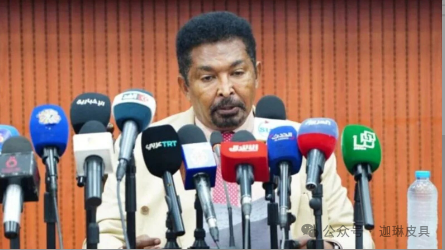
部长艾哈迈德·阿尔·蒂贾尼·阿尔·曼苏里在研讨会上直言: 皮张的忽视与滥用,既造成了经济损失,也带来了环境破坏。
-
走私严重。大量优质生皮未经正规渠道就被运出国境,国家收不到税,本地工厂也拿不到原料。
-
本地制革厂产能不足。就算皮张留在国内,也没有足够的加工能力把它变成高价值的皮革。
-
政府部门协调不力。多个部门都管,但谁都管不到位,最后就是没人真正负责。
结果是:每年超过50%的可用皮张流失。要么烂掉,要么被贱卖。
这次苏丹动物资源与渔业部推出的战略计划,包含了大约40个项目,多数都与皮革相关。
核心目标只有一个: 推动行业从出口原材料,向生产成品转型。
以前,苏丹出口的是“生皮”——附加值低,利润薄。以后,苏丹想出口的是“皮鞋”“皮包”“皮衣”——附加值高,赚得多。
-
修复相关工厂 :受战争影响的制革厂,将获得资金和税收优惠,帮助它们复产。
-
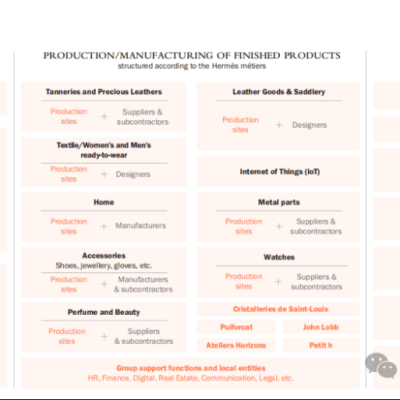
与全球时尚品牌合作 :这是最高的一步棋。如果能成为Zara、H&M甚至爱马仕的供应链一环,苏丹皮革的价值将成倍增长。
苏丹这次不只是“说说而已”,而是拿出了明确的时间节点:
-
2026年9月前 :与3家国际时装公司建立生产合作。
-
2026年10月前 :出台皮革质量提升政策,强化国家皮革改进中心职能。
同时,苏丹还计划通过培训招募年轻人进入皮革行业,清查各州的制革厂,为受战争影响的工厂提供复产支持。
苏丹目前正遭受武装冲突的严重影响,工业体系受到重创。此次皮革行业整顿,不仅仅是为了赚外汇,更是 苏丹工业复苏的重要举措之一 。
皮革行业有一个特点:它既能带动畜牧业(上游),又能带动制造业(中游),还能带动时尚产业(下游)。一个环节活了,整条链都能转起来。
对于苏丹这样急需就业、急需外汇、急需工业基础的国家来说,皮革行业确实是一个“抓手”。
它有优质的动物皮张资源,却长期被浪费、被贱卖。每年超过50%的流失率,换来的不是财富,而是可惜。
现在,苏丹终于决定“从卖资源转向卖产品”。这条路很难,但方向是对的。
对于全球皮革行业来说,苏丹的觉醒也意味着: 未来可能有更多高质量、可追溯的非洲皮革进入国际市场。
 中文
中文